
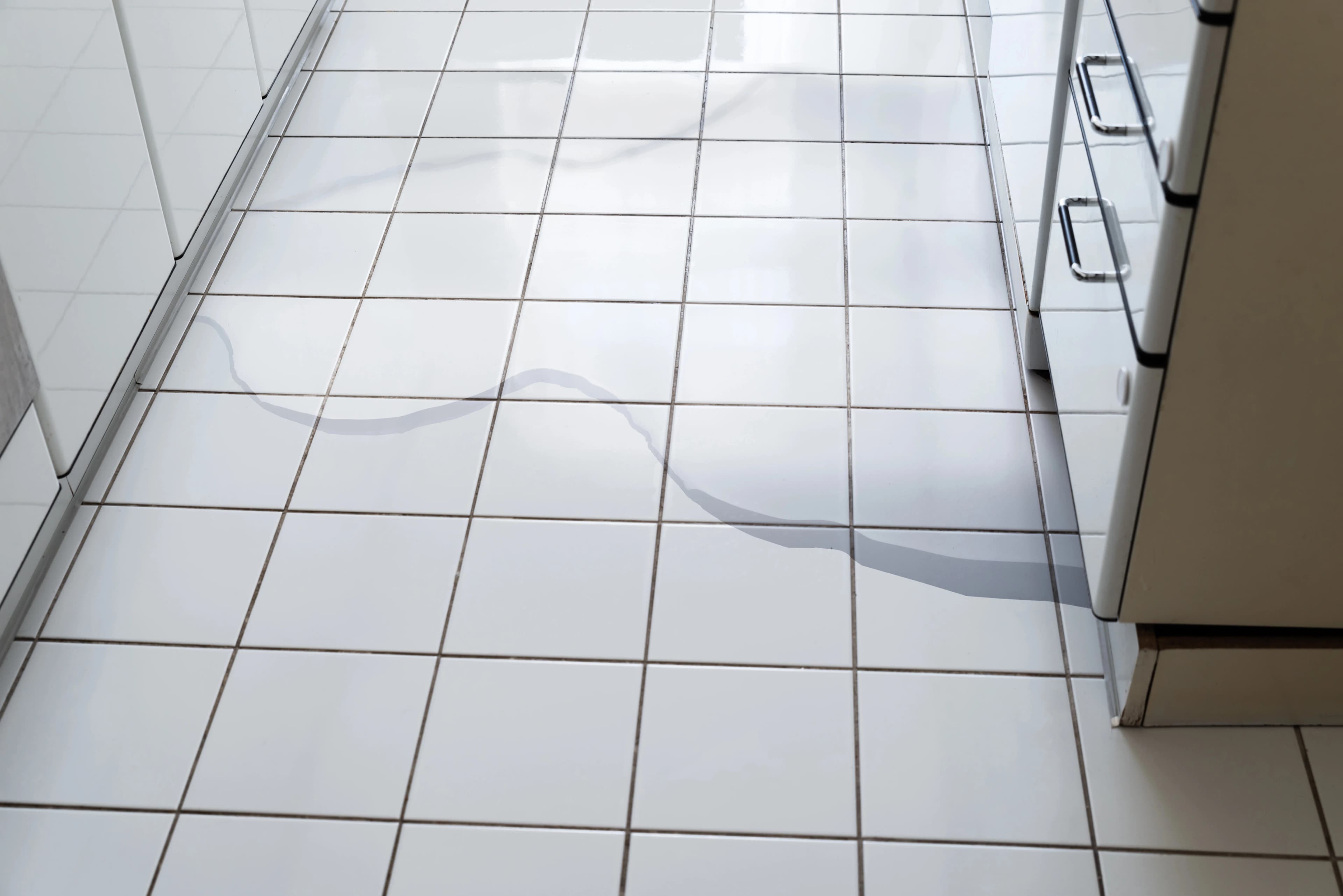
What Is Sudden Water Damage?
Sudden water damage is water intrusion caused by an abrupt, identifiable event rather than a slow process. Insurers classify a loss as sudden when it results from a single triggering incident, such as a burst pipe, storm surge, appliance failure, or accidental discharge from a fixture.
Most homeowners insurance policies use the phrase "sudden and accidental" as the coverage threshold, meaning the event must occur without warning and without the homeowner's intent or neglect.
Sudden water damage produces immediate, visible effects. A supply line rupture can release hundreds of gallons within minutes, saturating flooring, drywall, and personal belongings before a homeowner shuts off the water. Because the damage appears all at once, adjusters can usually trace it to a specific date and mechanical cause, which supports faster claim evaluation.
What Is Gradual Water Damage?
Gradual water damage is water intrusion that develops over an extended period rather than from one triggering event. It results from slow leaks, seepage through foundations or walls, condensation on pipes or ductwork, and general wear and tear on plumbing components. Unlike sudden losses, gradual damage has no clear starting date, since the moisture accumulates in stages that may span weeks, months, or years.
Insurers associate gradual water damage with deferred maintenance. A dripping under-sink pipe or a slow roof leak allows moisture to penetrate building materials repeatedly, creating conditions for mold as a downstream consequence. Because the homeowner had time to notice and address the source, insurers often treat gradual damage as preventable rather than accidental.
Key Differences Between Sudden and Gradual Water Damage
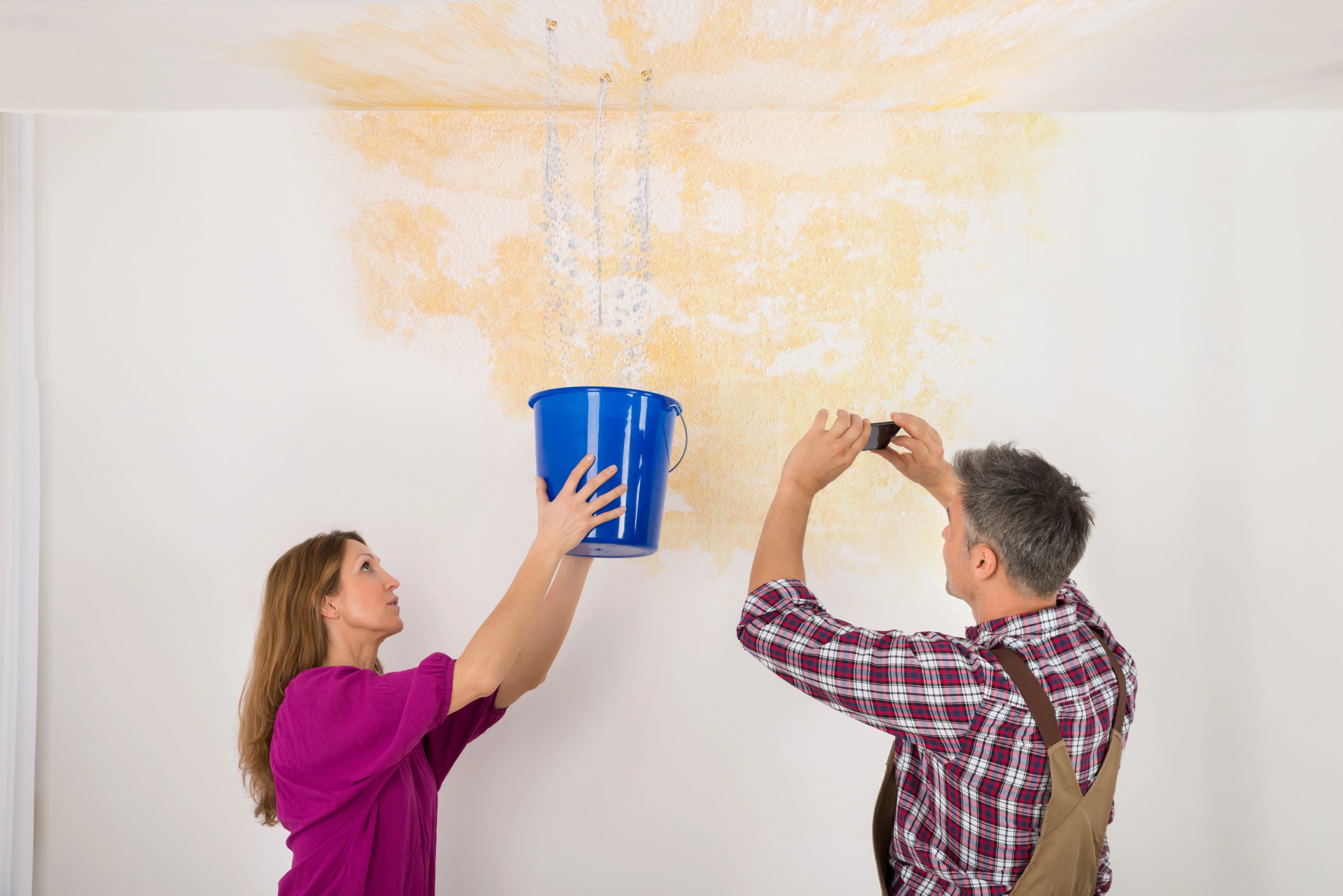
Sudden and gradual water damage differ across five main factors: onset speed, root cause, insurer perception of preventability, evidentiary burden, and claim approval odds. These distinctions determine how an insurer evaluates a claim and whether coverage applies.
Cause and Onset
Sudden water damage originates from a single triggering incident, while gradual water damage develops through progressive buildup with no clear start date. A burst supply line represents an instantaneous event; a slowly failing pipe joint represents progressive deterioration. Insurers rely on this distinction to determine whether a loss falls under standard coverage or an exclusion.
Coverage Likelihood
Standard homeowners policies typically cover sudden losses because the policy language ties coverage to unexpected, accidental events. Gradual losses face a higher likelihood of exclusion, since most policies exclude damage attributed to long-term neglect or lack of maintenance. Reviewing a homeowners insurance water damage policy helps clarify which exclusions apply before a claim is filed.
Documentation Requirements
Sudden claims require photos and video with timestamps taken close to the discovery date, along with repair invoices confirming the triggering event. Gradual claims require broader documentation, including plumber or contractor reports and prior inspection records, since insurers use this history to assess how long the moisture problem existed.
How Insurance Adjusters Determine Sudden vs Gradual Damage
Insurance adjusters determine whether damage is sudden or gradual through a site visit, forensic moisture testing, and a cause-and-origin investigation. The adjuster inspects the property, measures moisture levels in affected materials, and interprets the policy language against the physical findings to reach a coverage decision.
Timeline Evidence
Adjusters establish a timeline using the date of discovery, the homeowner's account of events, and utility or weather records for storm-related claims. A documented storm date supports a sudden-damage classification, while an undocumented, gradually worsening symptom (such as a recurring damp spot) supports a gradual classification.
Physical Evidence at the Site
Adjusters examine water staining patterns, the presence of corrosion versus fresh damage, and the growth stage of any mold as an age indicator. Fresh, unstained damage with no microbial growth points to a recent, sudden event. Layered staining, corroded fittings, and advanced mold growth indicate moisture exposure over an extended period.
Maintenance History
Adjusters review past repair records, known prior leaks, homeowner disclosures, and inspection reports to assess whether the homeowner had prior knowledge of a developing problem. A documented history of ignored leaks weakens a sudden-damage claim, since it suggests the insurer's exclusion for neglect may apply.
Does Insurance Cover Sudden Water Damage?
Standard homeowners insurance typically covers sudden water damage when the loss results from an unexpected, accidental event such as a burst pipe or appliance failure. Coverage commonly excludes flood damage, which requires a separate flood insurance policy regardless of how suddenly the water entered the property. Claim approval likelihood is higher for sudden losses because the triggering event is verifiable and the policy's "sudden and accidental" threshold is more easily met.
Does Insurance Cover Gradual Water Damage?
Standard homeowners insurance typically denies gradual water damage claims on the grounds of maintenance-related exclusions. Insurers deny these claims when the damage results from a leak, seepage, or condensation problem that persisted long enough for the homeowner to reasonably have discovered it. Some policies apply exceptions where partial coverage applies, such as covering resulting damage if the homeowner can show the underlying leak was hidden within a wall or slab and undetectable through routine inspection.
Common Examples of Sudden vs Gradual Water Damage
The following comparison illustrates typical sudden and gradual water damage scenarios encountered in residential claims.
| Sudden Water Damage Examples | Gradual Water Damage Examples |
|---|---|
| Burst supply line | Slow roof leak |
| Washing machine hose failure | Dripping under-sink pipe |
| Storm-driven flooding | Condensation in crawlspaces |
A burst pipe water damage event typically qualifies as sudden because the failure occurs without warning and produces immediate flooding. Storm-driven flooding follows a similar sudden pattern, while a slow roof leak or a dripping under-sink pipe often goes unnoticed for weeks, allowing moisture to accumulate gradually within cabinetry and subfloor materials.
How to Strengthen a Sudden Water Damage Claim

Strengthen a sudden water damage claim by documenting the event immediately, reporting the loss within the policy's required window, and obtaining a professional assessment. Photograph and video the affected areas before cleanup begins, and record the date and cause of the incident as soon as it is discovered.
- Immediate documentation: Capture timestamped photos and video of standing water, affected materials, and the source of the failure.
- Prompt reporting window: Notify the insurer within the timeframe specified in the policy to avoid a delay-based denial.
- Professional assessment: Engage a licensed plumber or restoration contractor to confirm the cause and onset of the failure in writing.
- Mitigation steps taken: Record actions taken to stop further damage, such as shutting off the water supply or extracting standing water, since insurers expect reasonable mitigation efforts.
Restore Your Property Fast with Apex Damage Restoration
Water damage spreads quickly, and every hour of delay increases repair costs and mold risk. Apex Damage Restoration provides rapid-response water damage restoration for homes and businesses affected by burst pipes, flooding, and storm damage. Contact Apex Damage Restoration today for a free damage assessment.
Need Emergency Restoration Help Today?
Call Apex Damage Restoration now for fast priority dispatch across Aurora, CO, a written estimate before work begins, and direct insurance claims assistance.