
Mold Damage
8 min read• Matthew Cohen
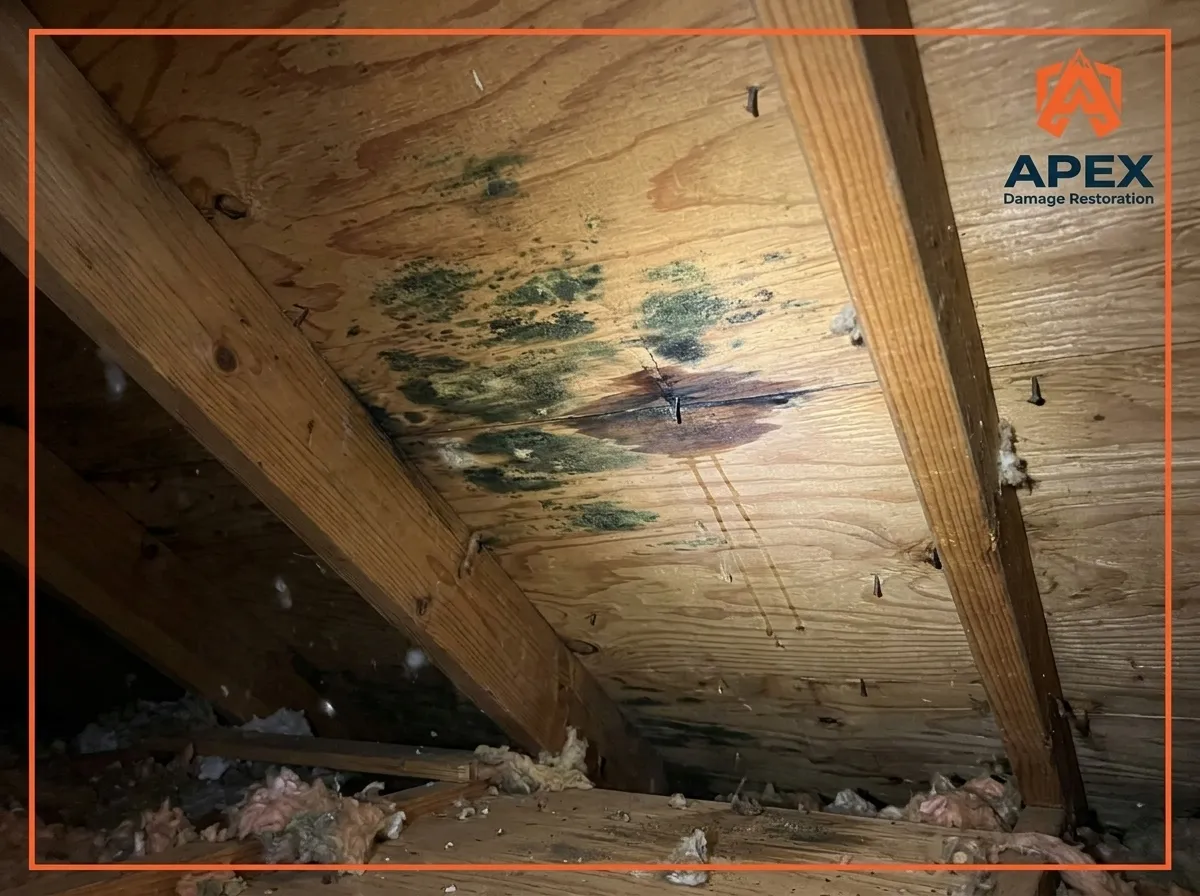
What Is Green Mold?
Green mold is a common household mold classified by its pigmented spores rather than by a single species, since several fungal genera, including Cladosporium, Aspergillus, and Peni...
Homeowner disaster protocols, cleanup steps, and insurance claim walkthroughs.
Green mold is a common household mold classified by its pigmented spores rather than by a single species, since several fungal genera, including Cladosporium, Aspergillus, and Peni...
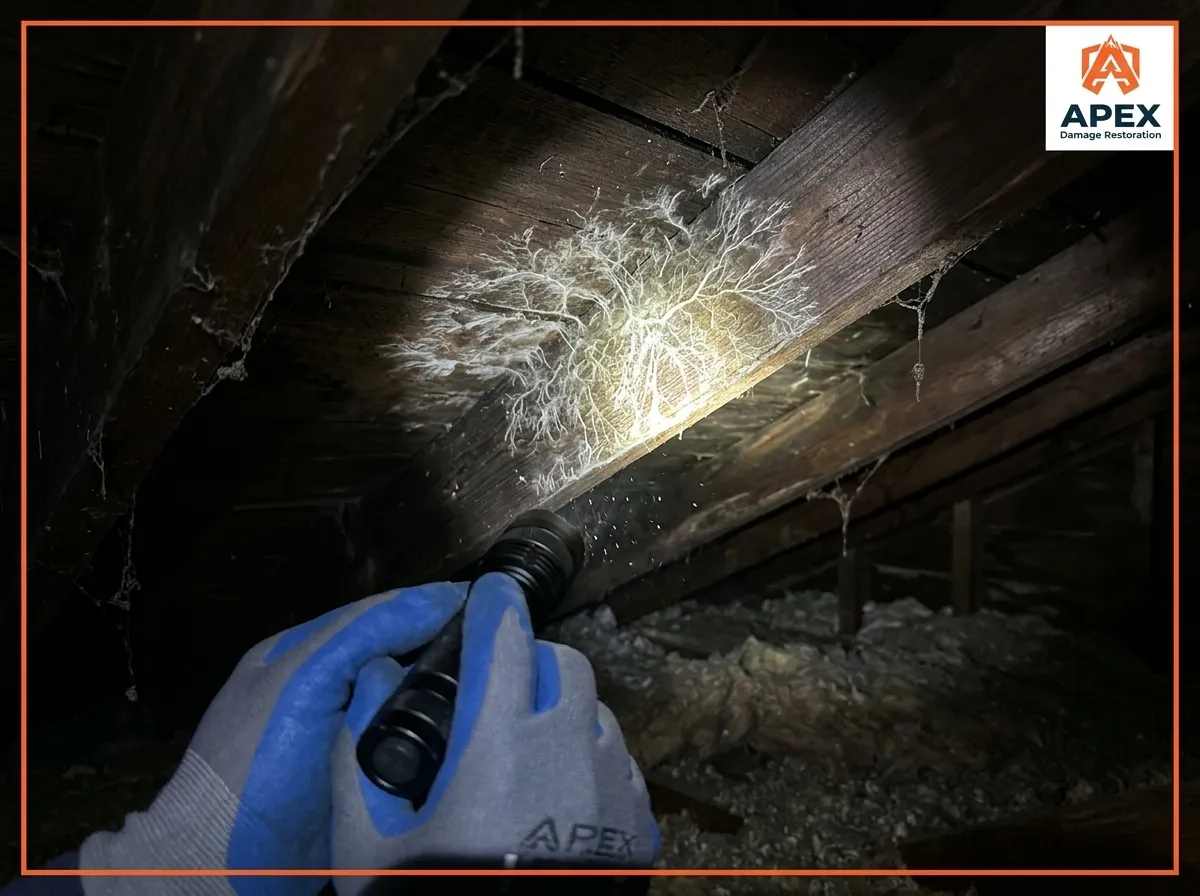
"White mold" is a common, non-scientific term for fungal growth that appears pale white, off-white, or grayish-white during its early growth stage, rather than a single species of ...
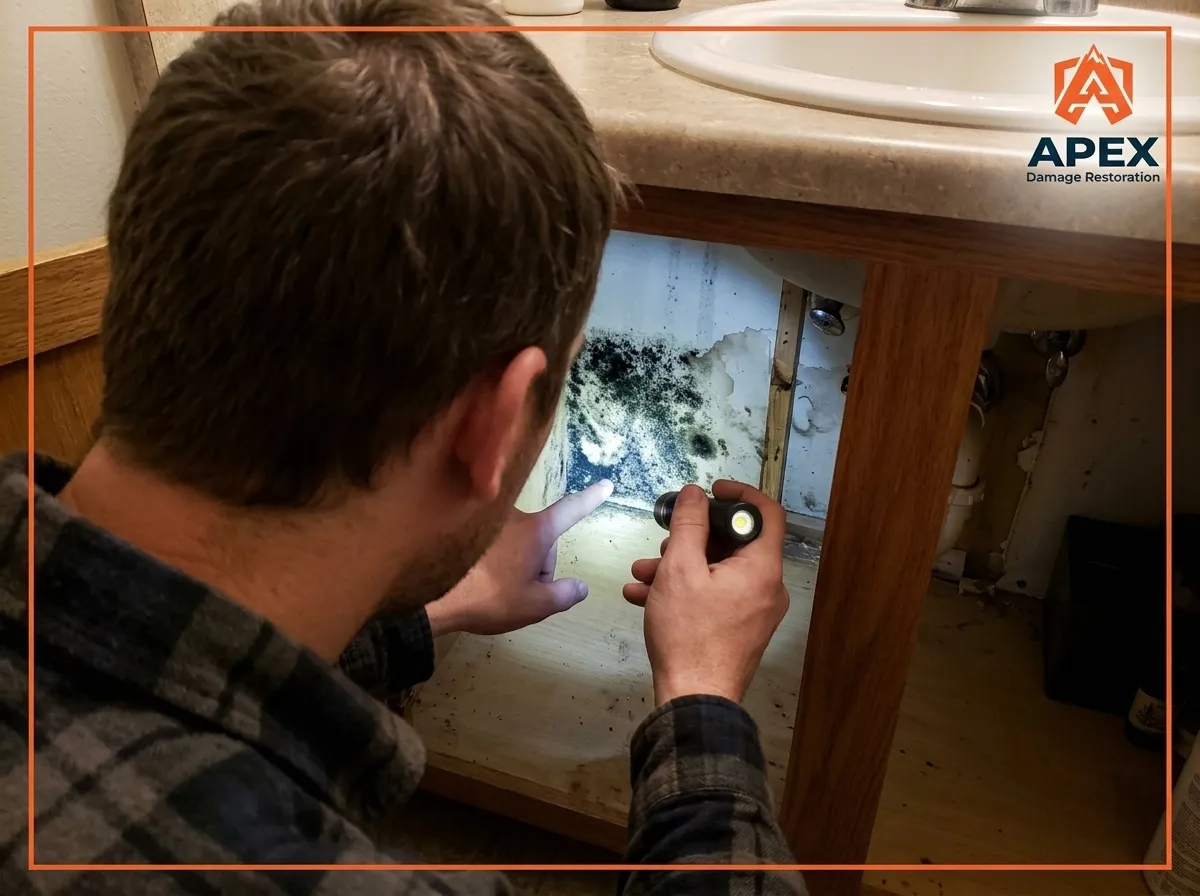
Black mold is a common name for Stachybotrys chartarum, a greenish-black fungus that grows on water-damaged materials with high cellulose content. The organism thrives on surfaces ...
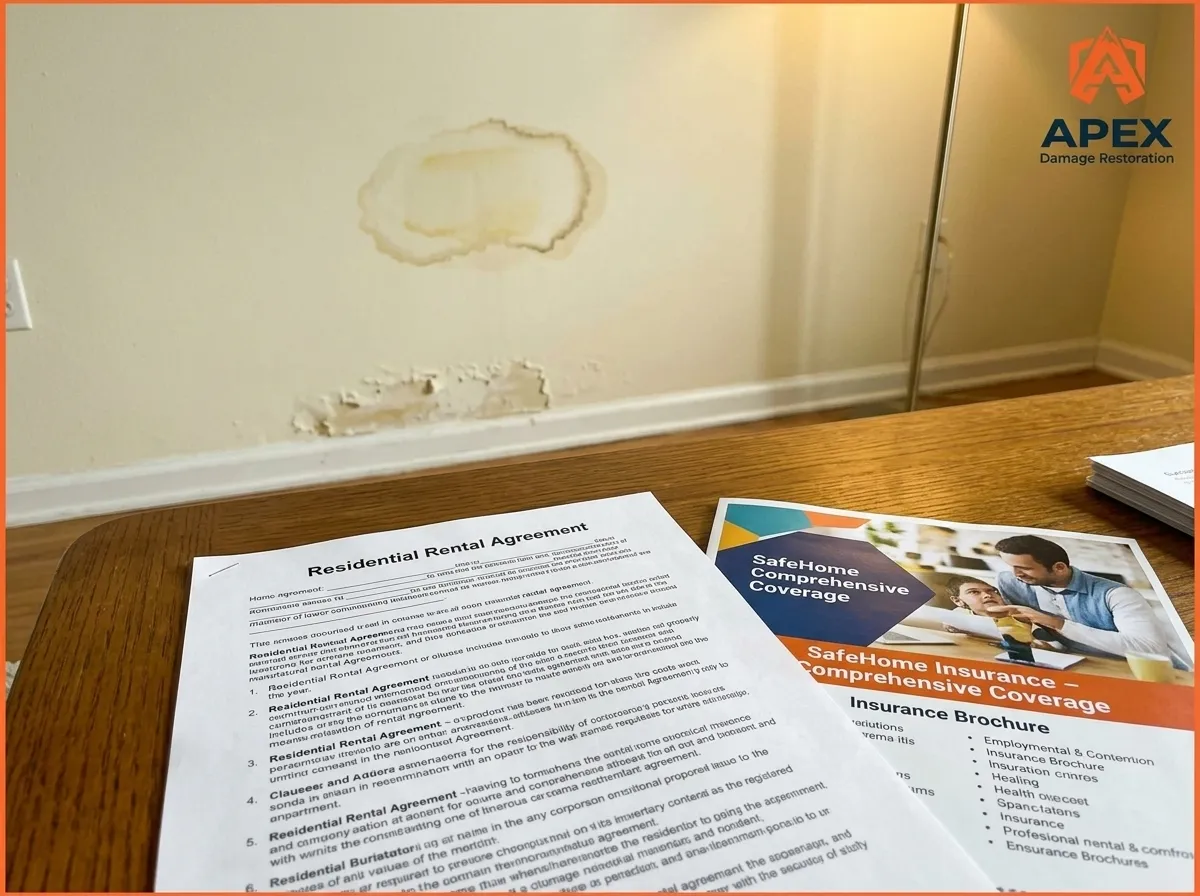
Renters insurance covers mold damage when the mold results from a sudden, covered peril, such as a burst pipe, an appliance leak, or water used to fight a fire. Renters insurance d...
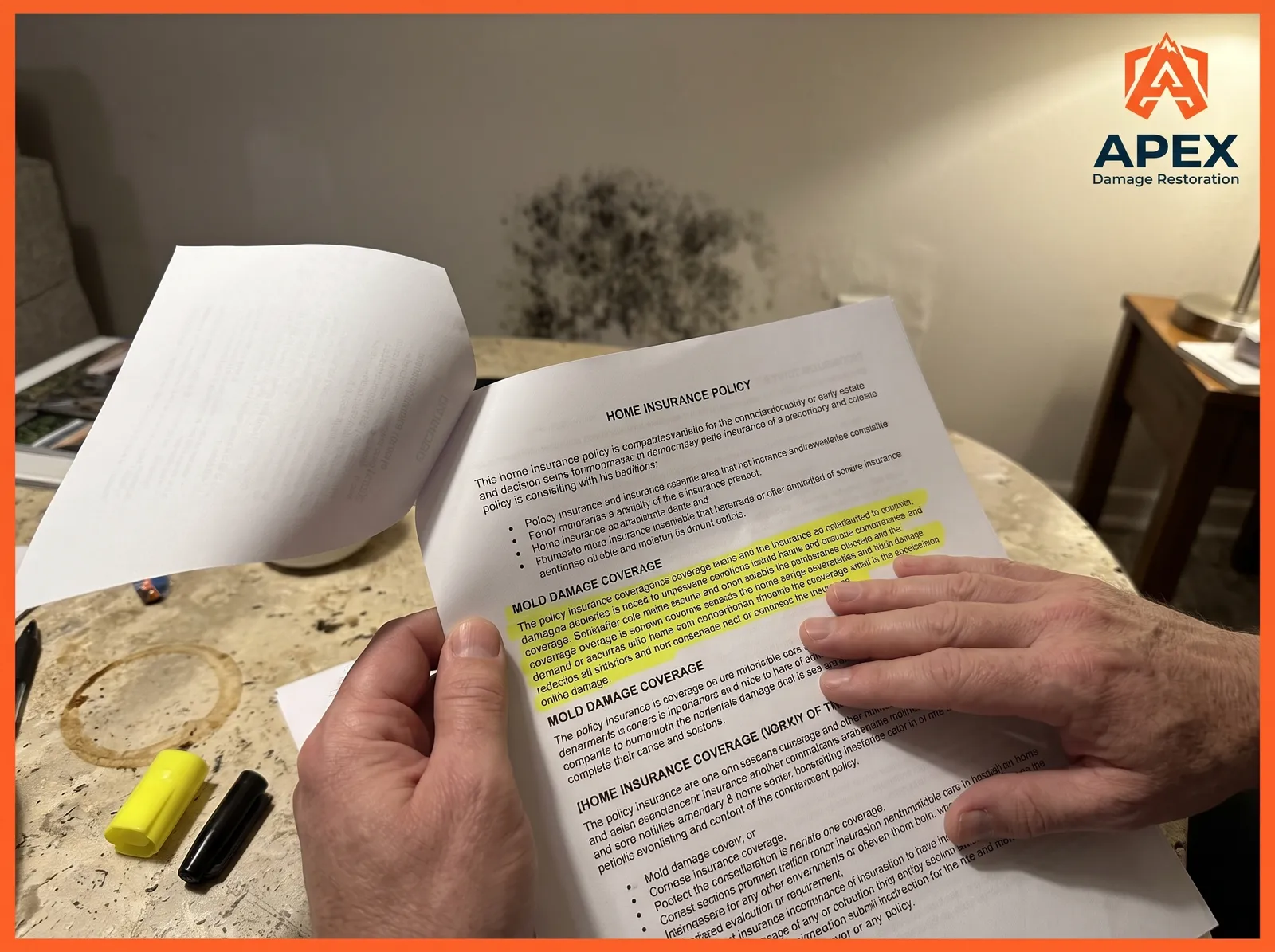
Homeowners and renters insurance covers mold damage only when the mold results from a sudden, accidental event listed in the policy, such as a burst pipe or appliance failure. Mold...
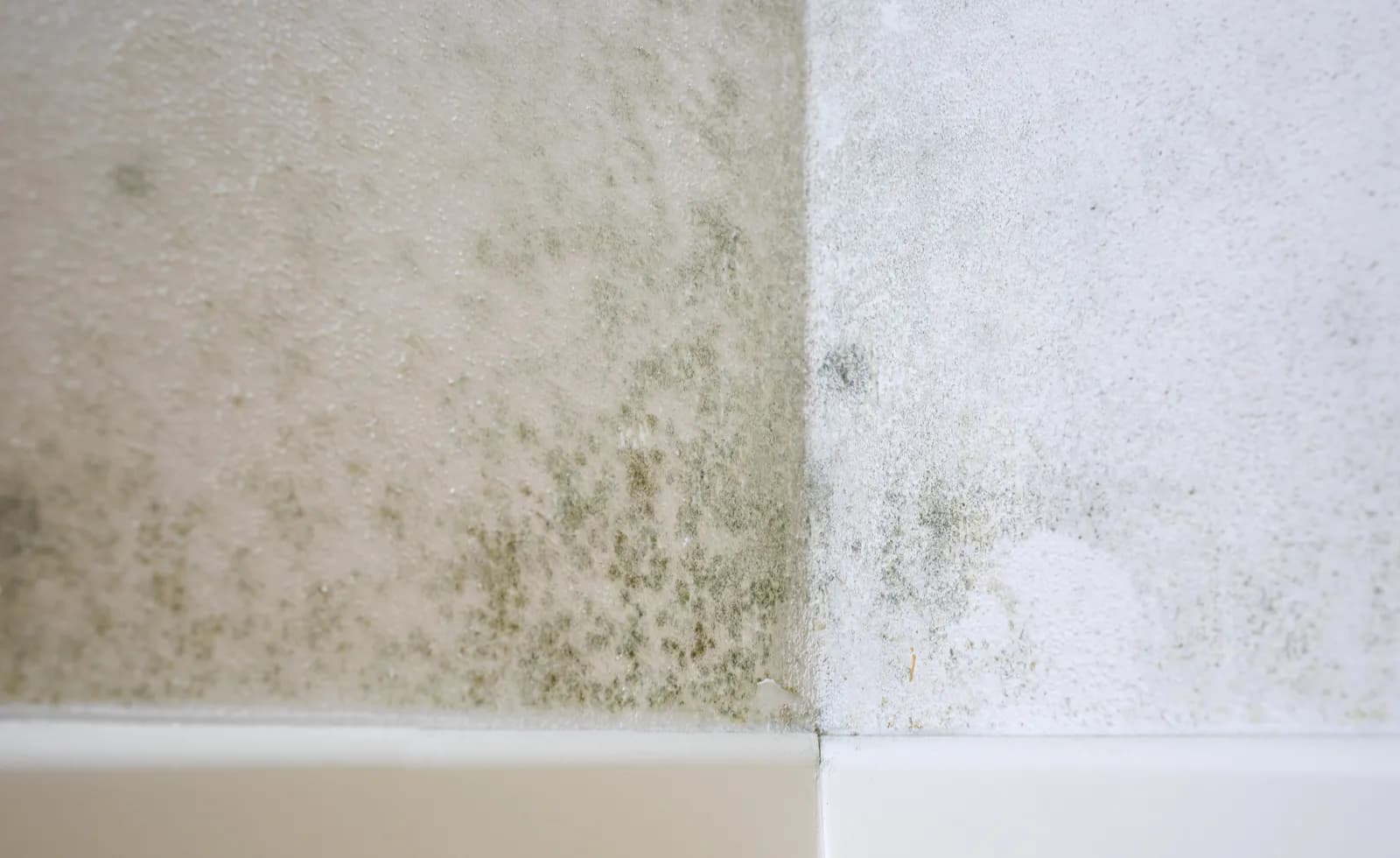
Mold identification starts with color and location, since most homeowners notice a growth long before they know its species name. Thousands of mold species exist, but only a small ...
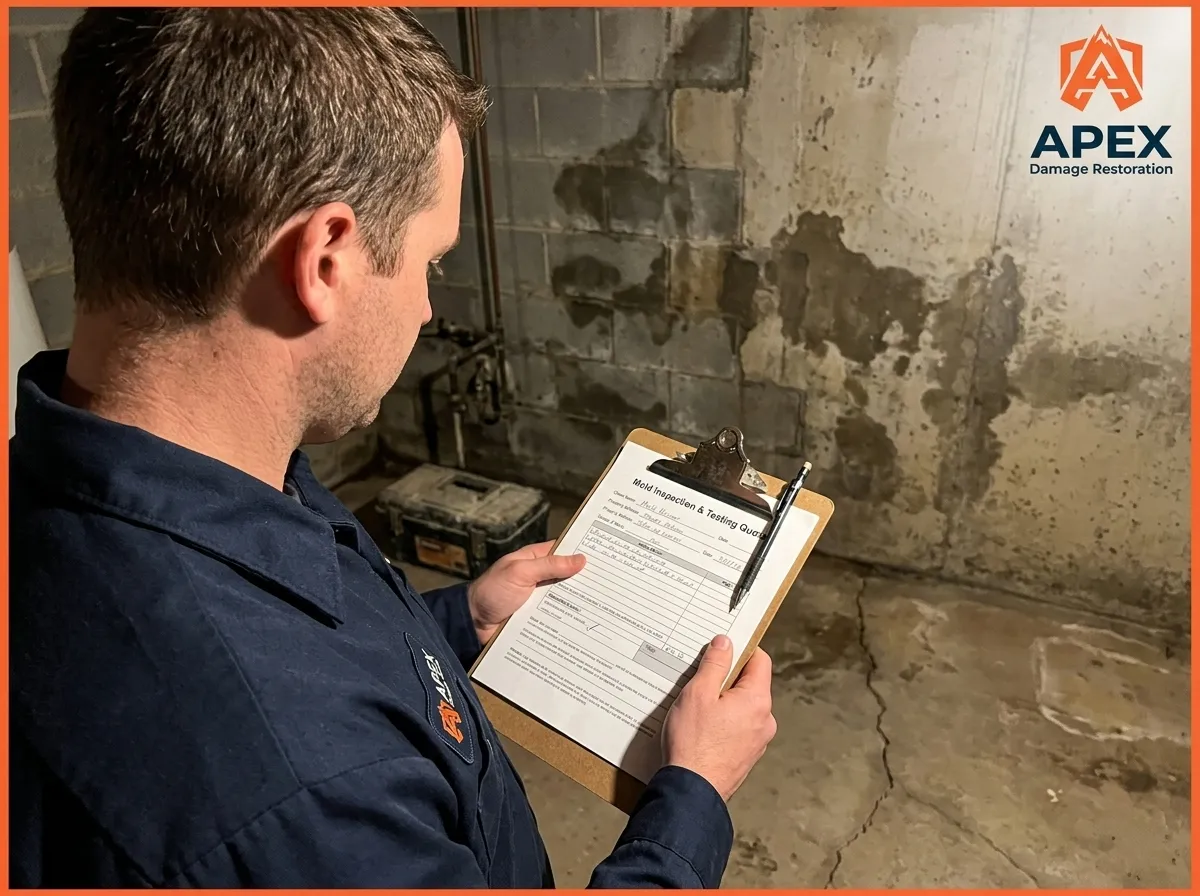
A professional mold inspection in the Denver metro area typically costs $300 to $650, depending on home size, inspection method, and whether lab sample analysis is included. Homeow...
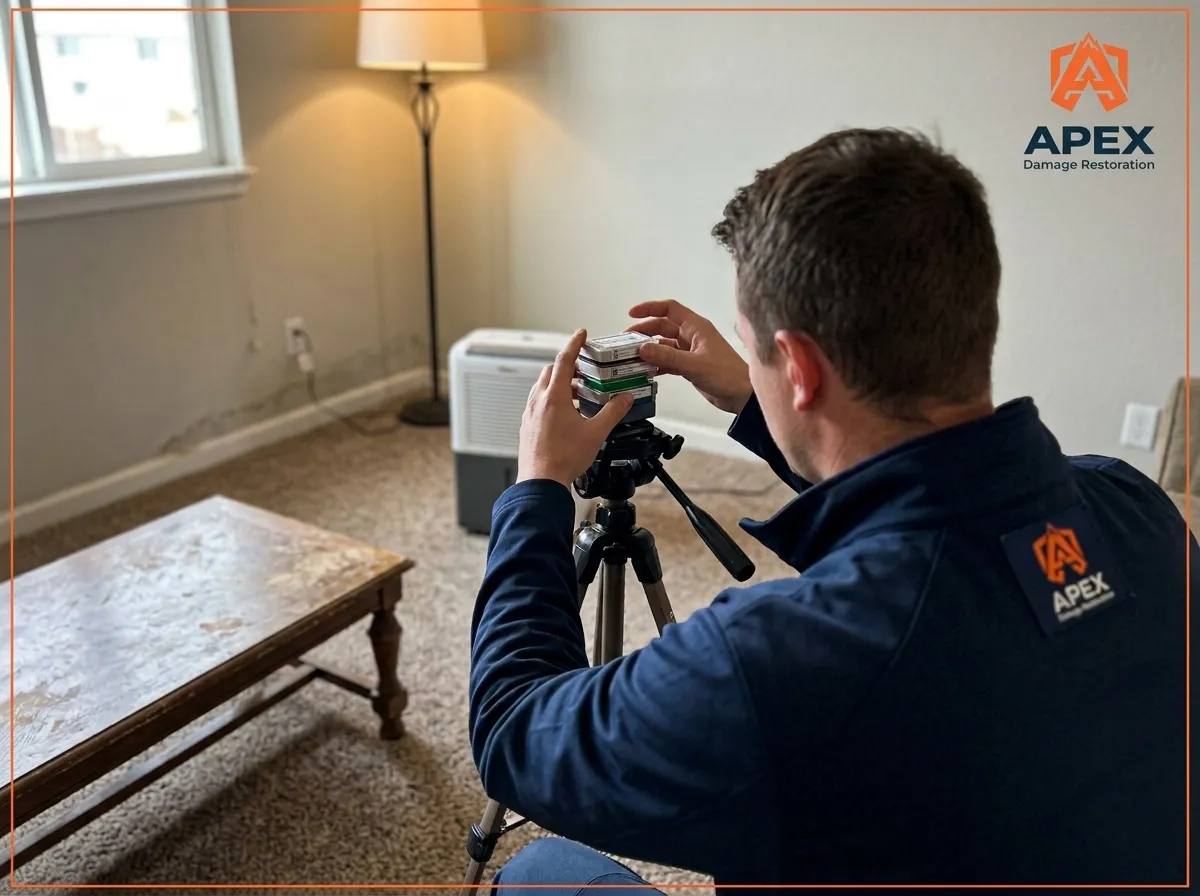
Professional mold testing in Denver Metro typically costs $250 to $650, depending on property size, the number of samples collected, and the testing method used. A single-sample ai...
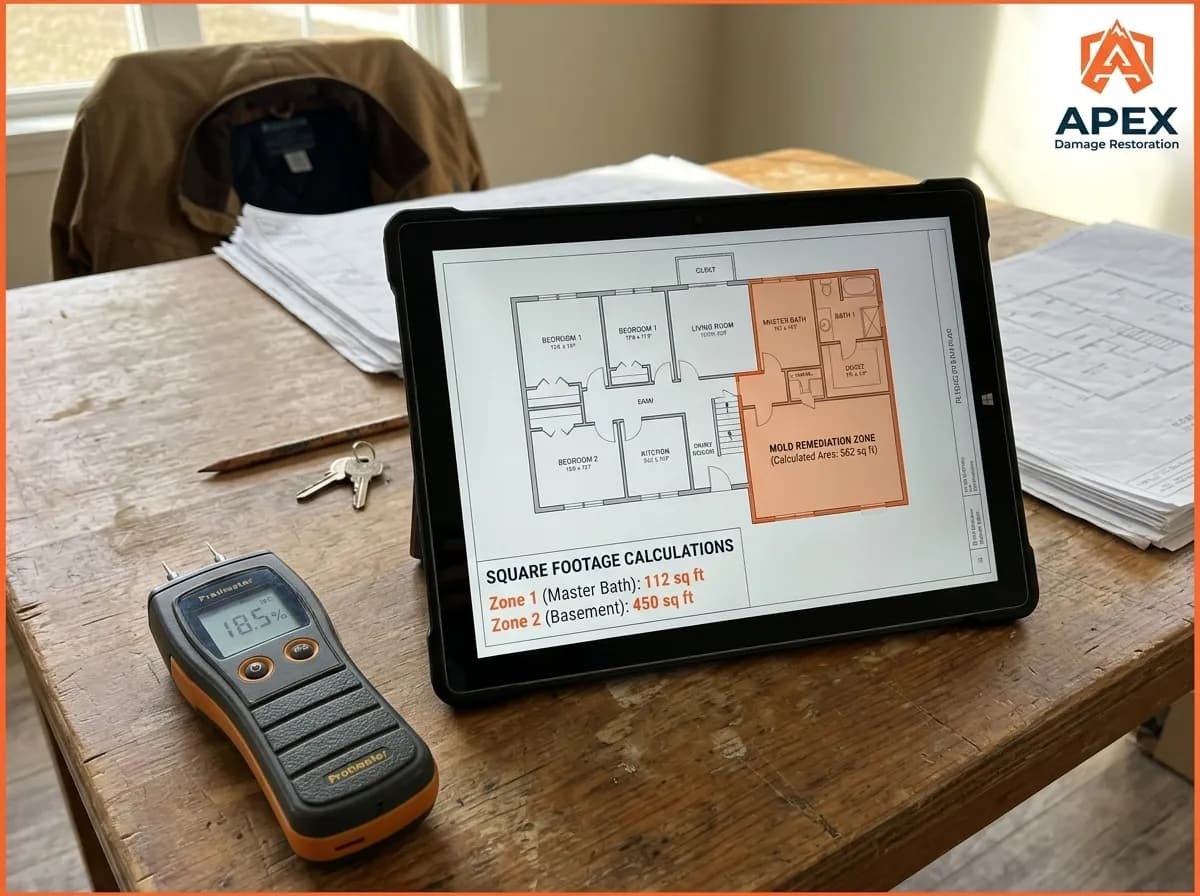
Professional mold removal costs $10 to $25 per square foot in the Denver Metro area, with most homeowners paying a total of $1,200 to $3,800 per project. A typical 100-square-foot ...
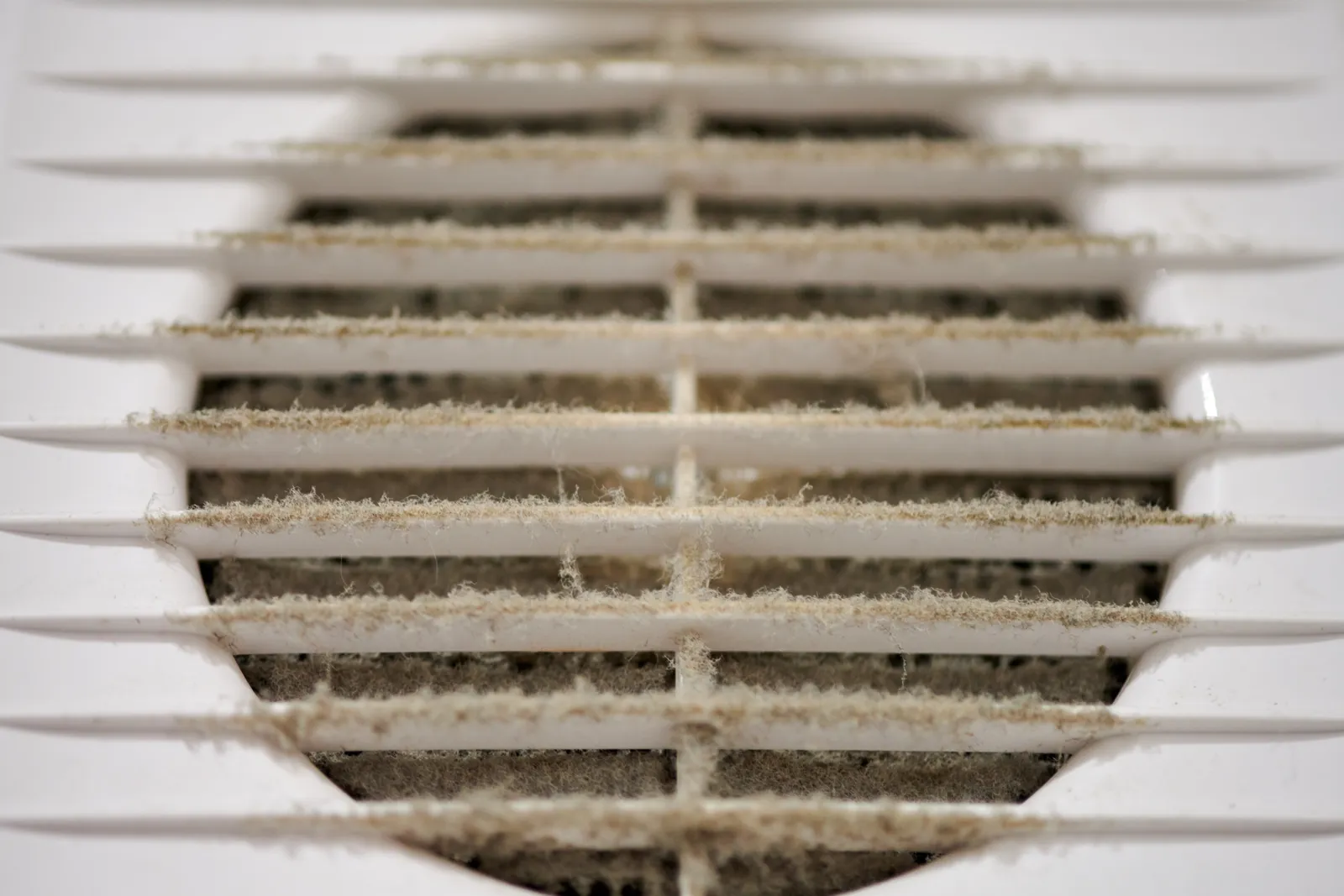
Removing mold from an HVAC system costs between $2,000 and $10,000, depending on the extent of contamination and which components require treatment. Homeowners ...
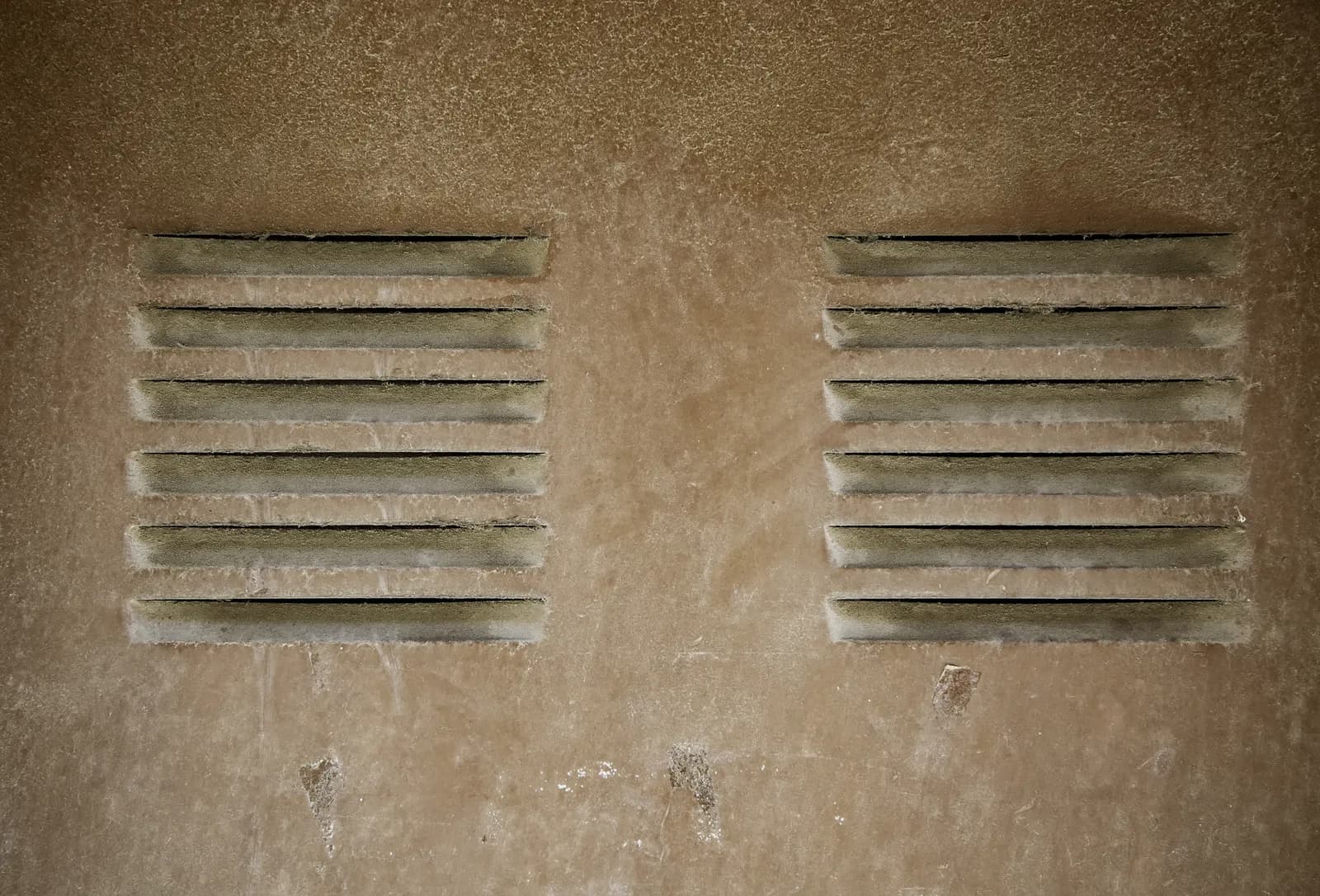
Air duct mold removal cost in the Denver metro area ranges from $1,100 to $4,000 for most homes, with severe HVAC contamination reaching $2,000 to $10,000 or mo...
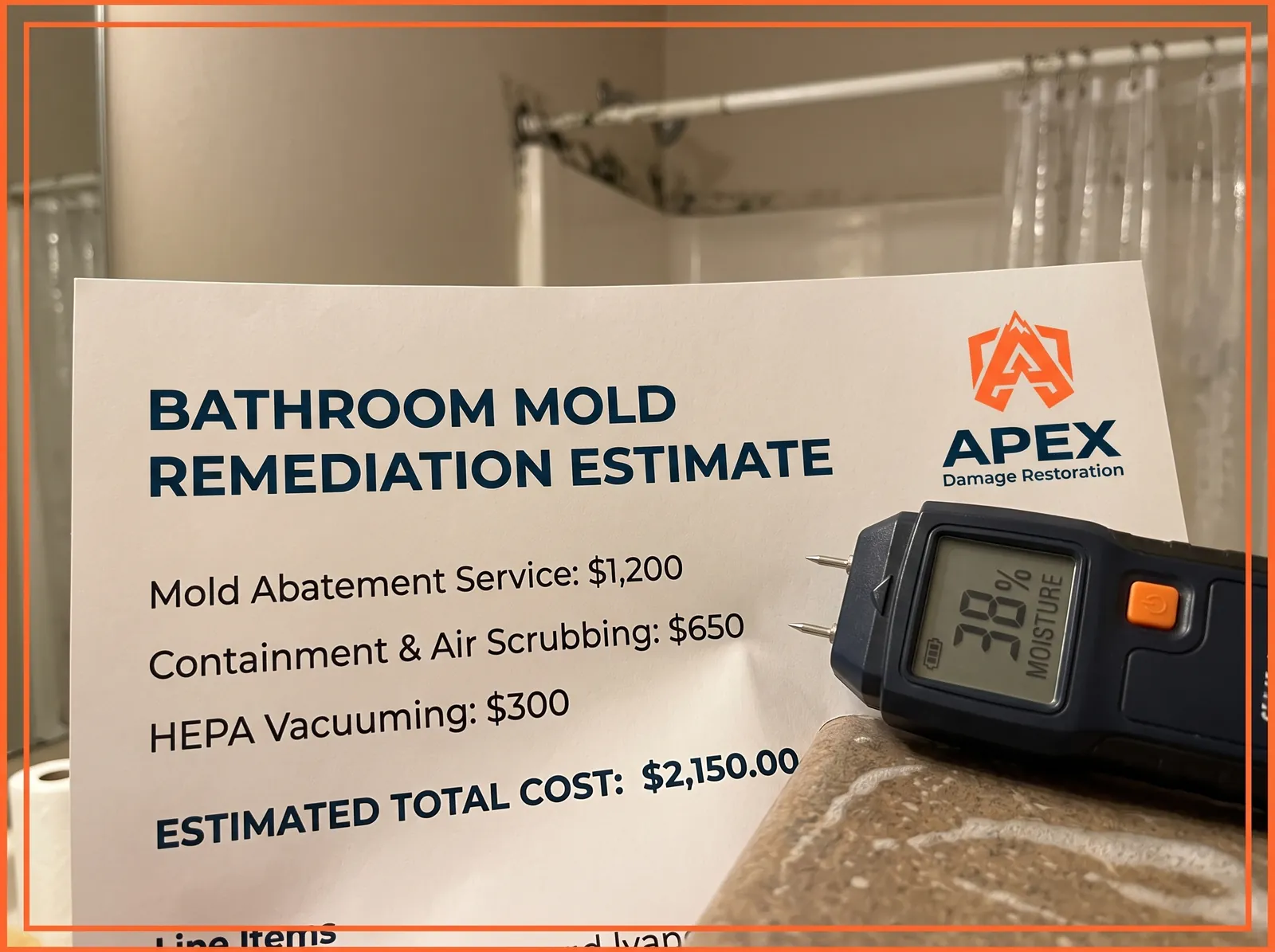
Bathroom mold removal costs $500 to $8,000, with most homeowners paying $1,200 to $2,800 for a professional job. Visible surface mold on tile, grout, or caulk s...
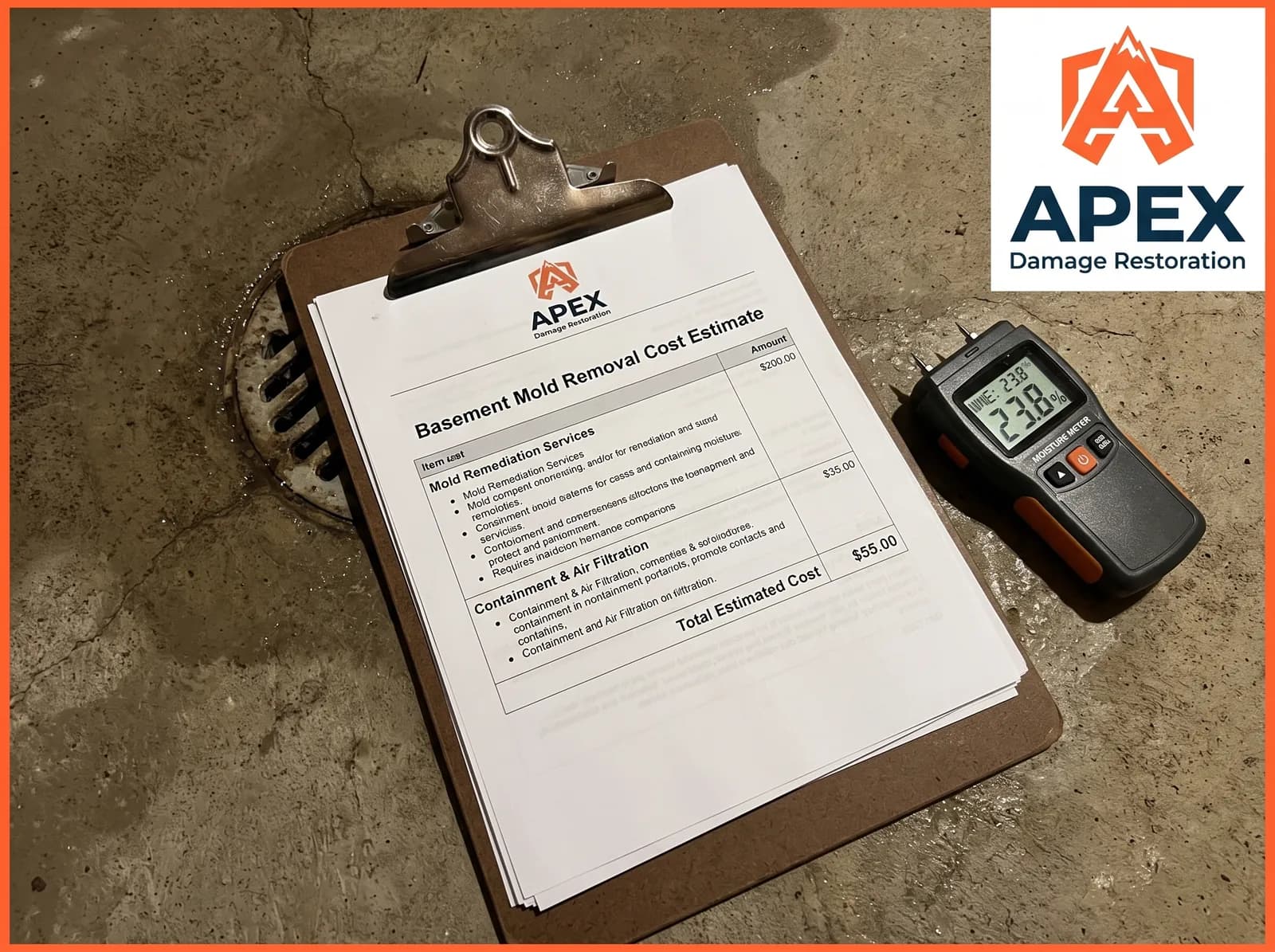
Basement mold removal costs $500 to $6,000 for most homes, with severe or behind-wall infestations reaching $15,000 or more. Professional remediation is typical...
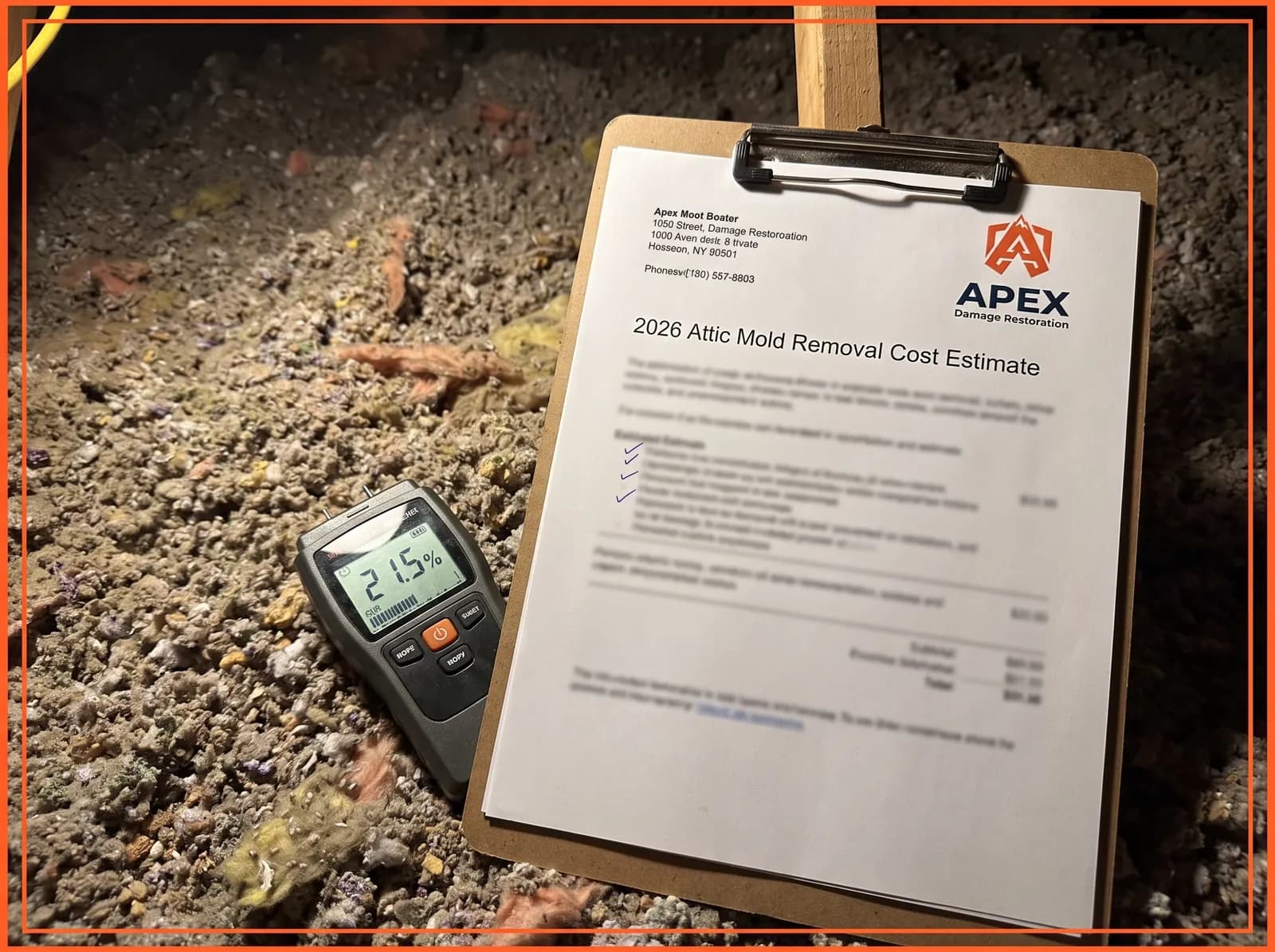
Attic mold removal typically costs between $1,000 and $4,000 in the Denver Metro area, with most homeowners paying $2,000 to $3,000 for professional remediation...
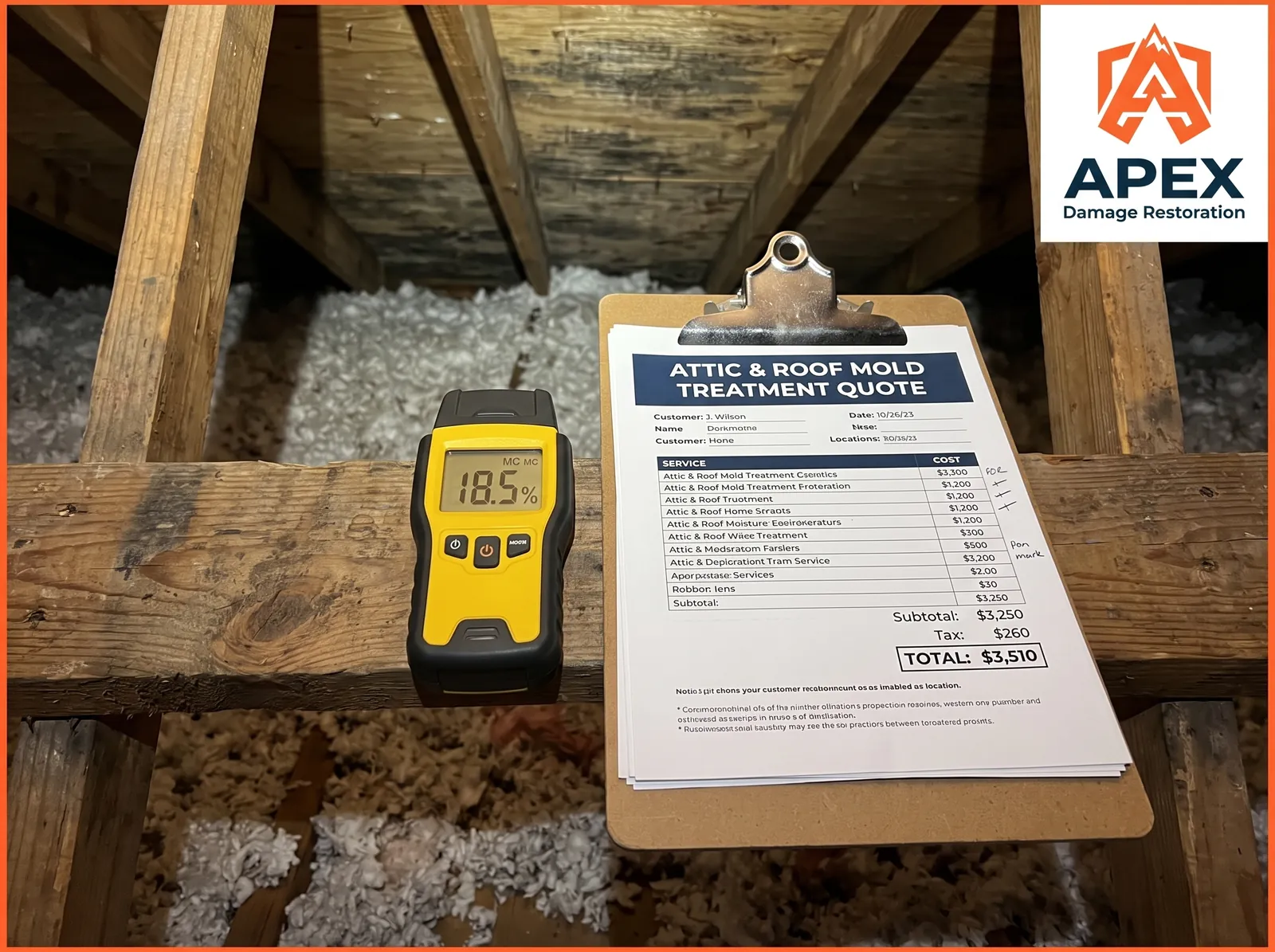
Roof mold treatment costs between $1,000 and $9,000, with most Denver Metro homeowners paying $2,000 to $4,000 for standard remediation. Roof mold treatment, ro...
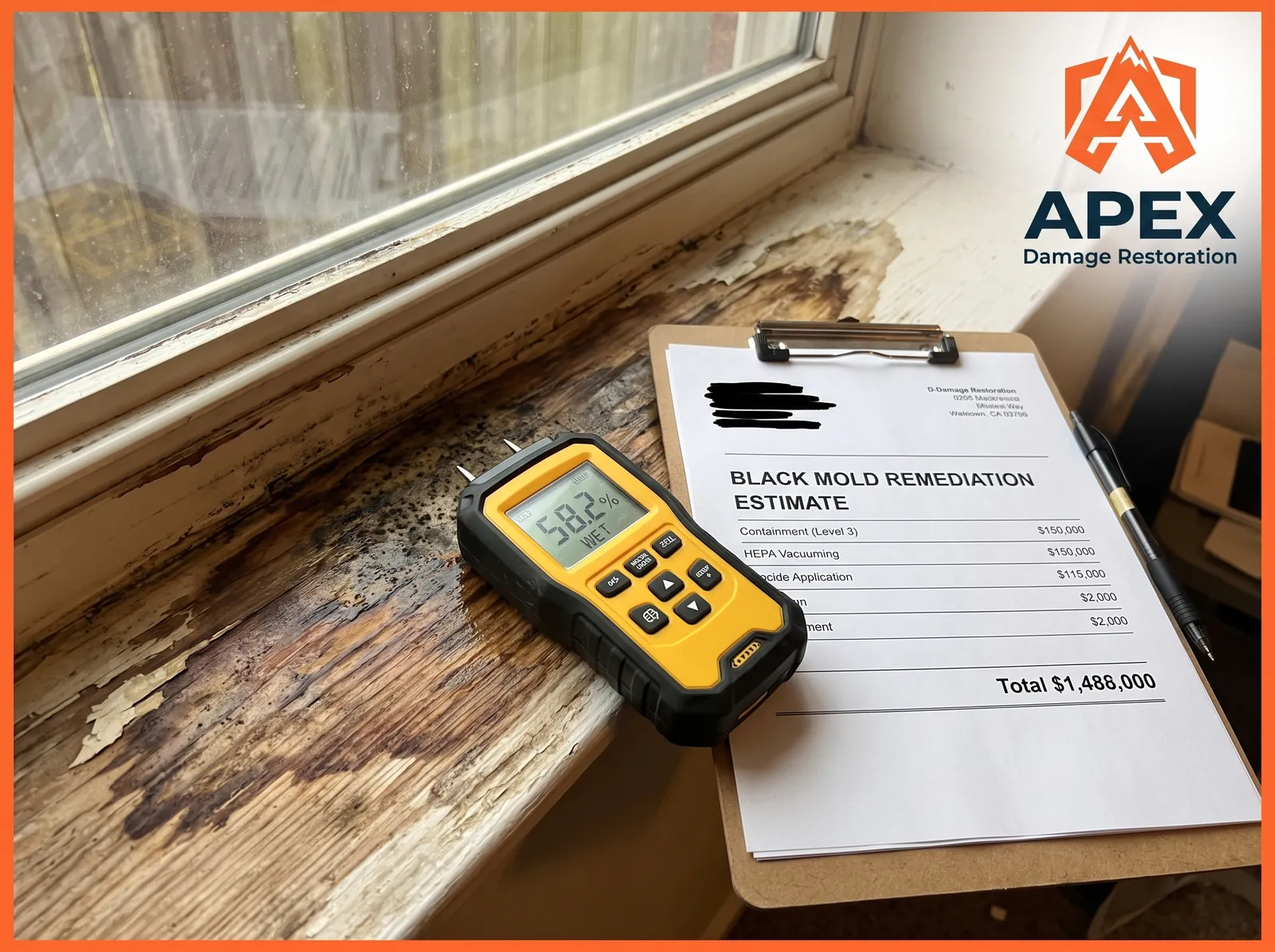
Black mold removal in the Denver metro area typically costs between $500 and $10,000 or more, depending on the size of the contaminated area, its location in th...
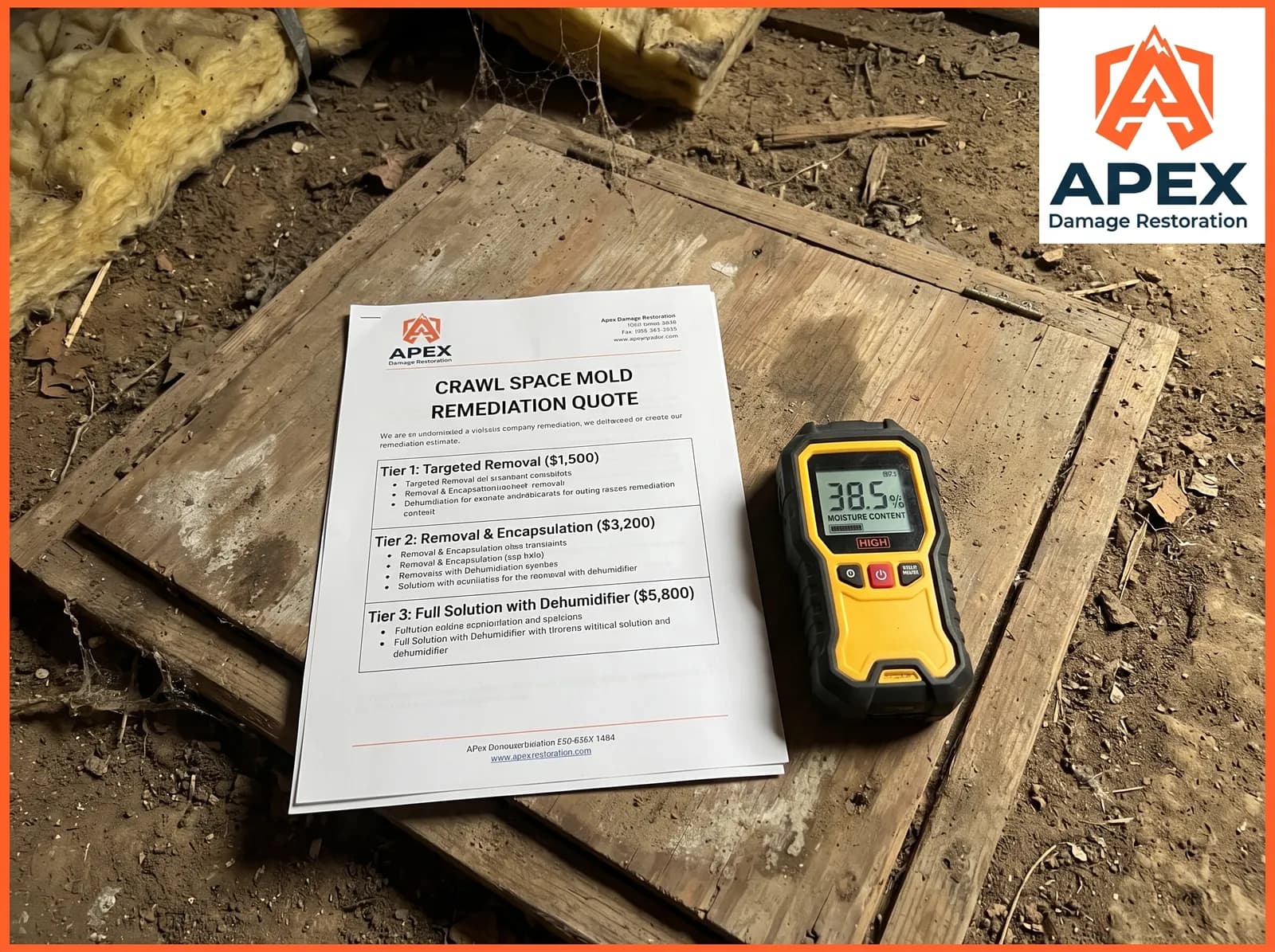
Crawl space mold removal typically costs $500 to $4,000, with most Denver Metro homeowners paying between $1,200 and $2,800 for a standard remediation job. The ...
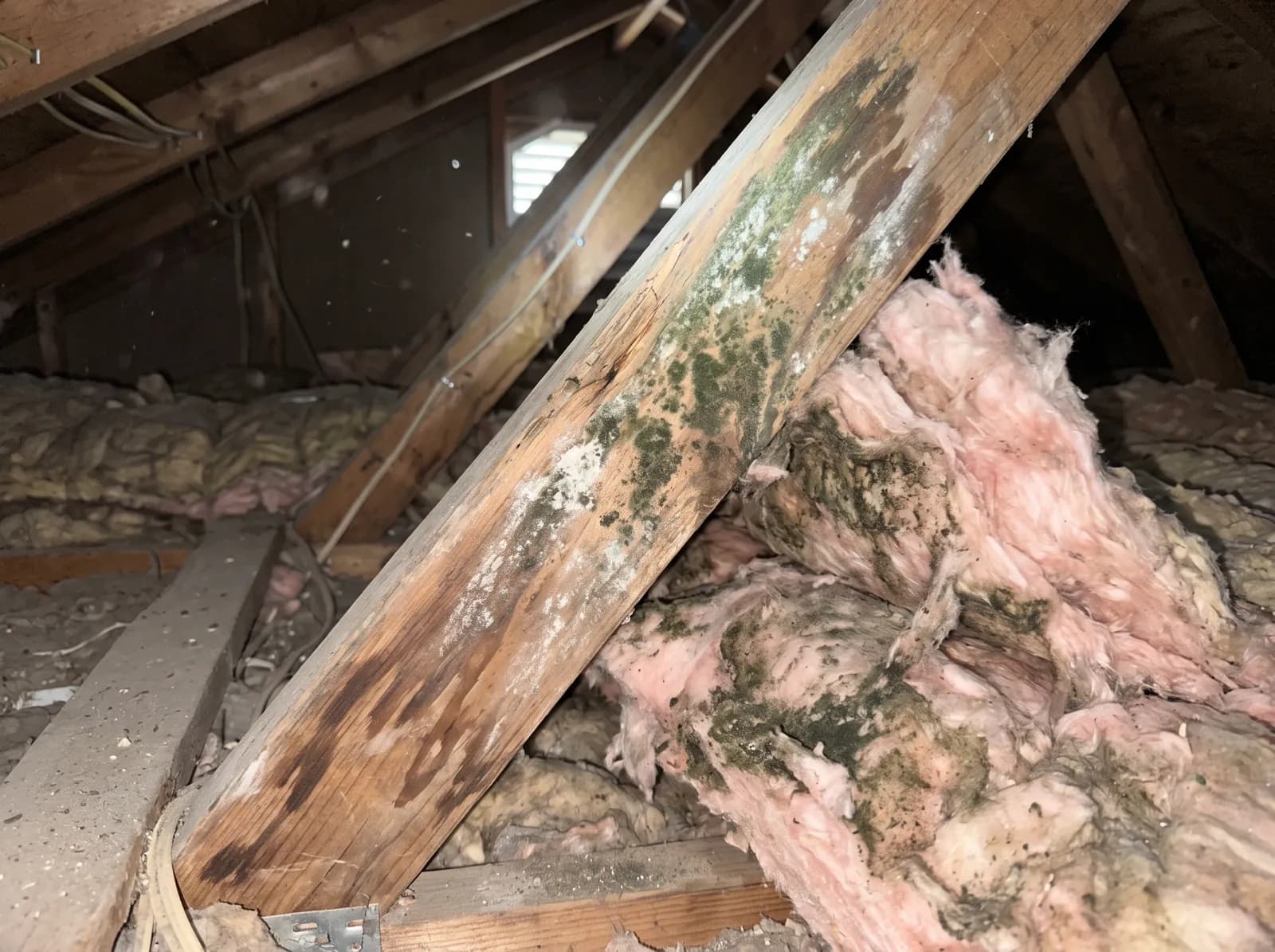
Mold is a type of fungus that grows in multicellular filaments called hyphae and reproduces by releasing microscopic spores into the air. Mold develops on organ...
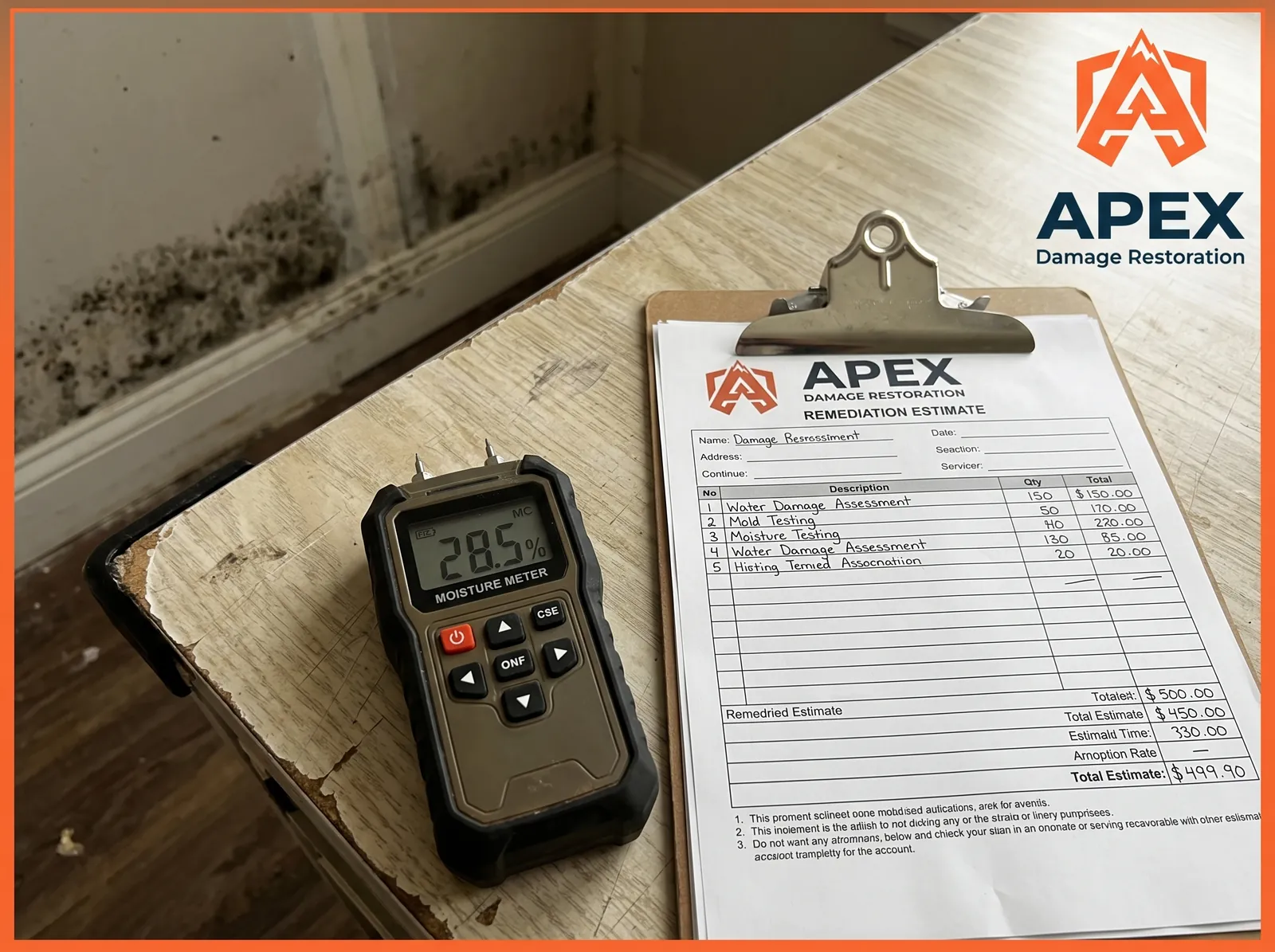
Mold remediation typically costs $10 to $25 per square foot, or $1,200 to $3,750 for most residential jobs, with a national average around $2,300 to $2,400. Sma...
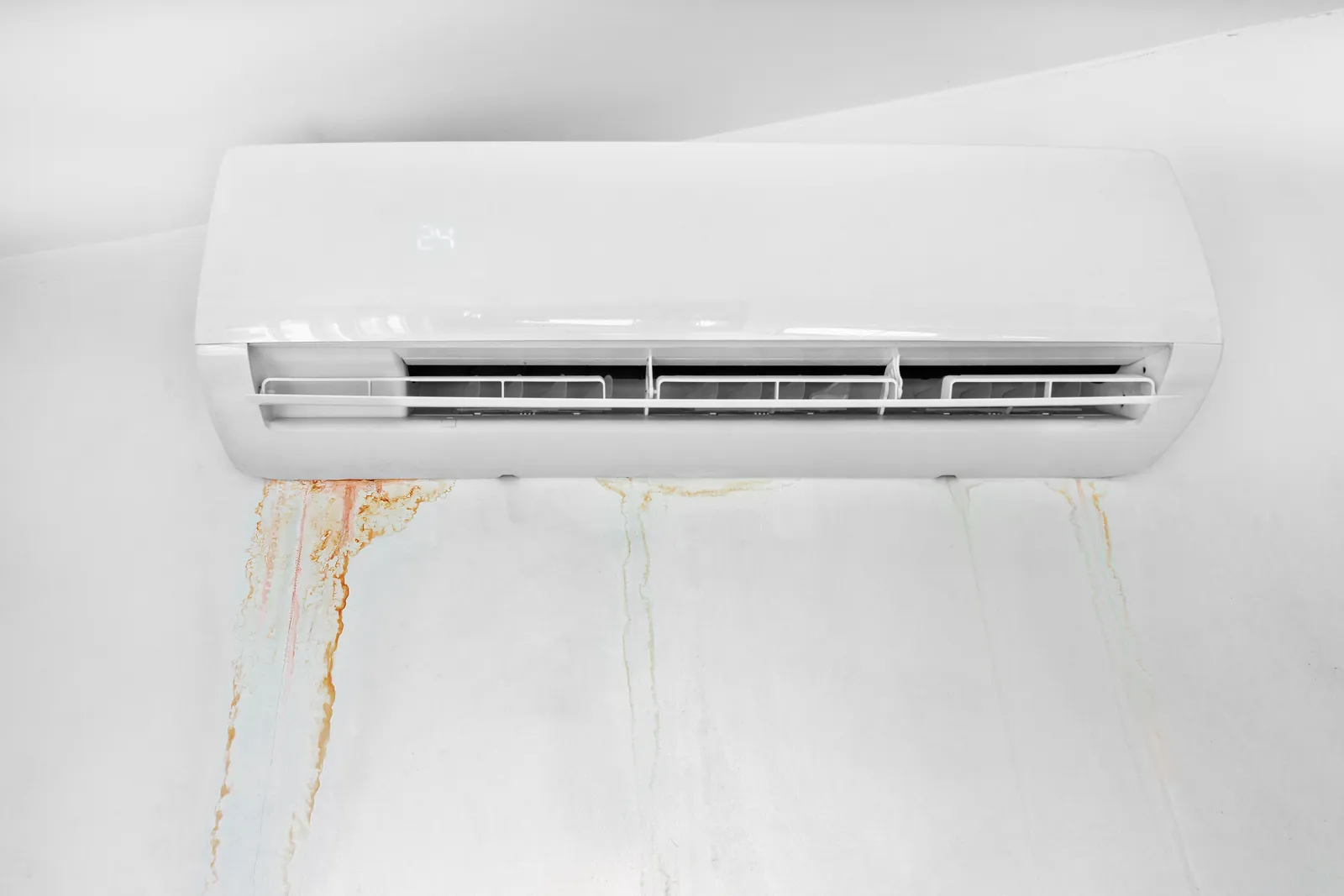
An air conditioner leaking water indoors is almost always a sign of a blocked or malfunctioning condensate drainage system, not a normal part of cooling operati...
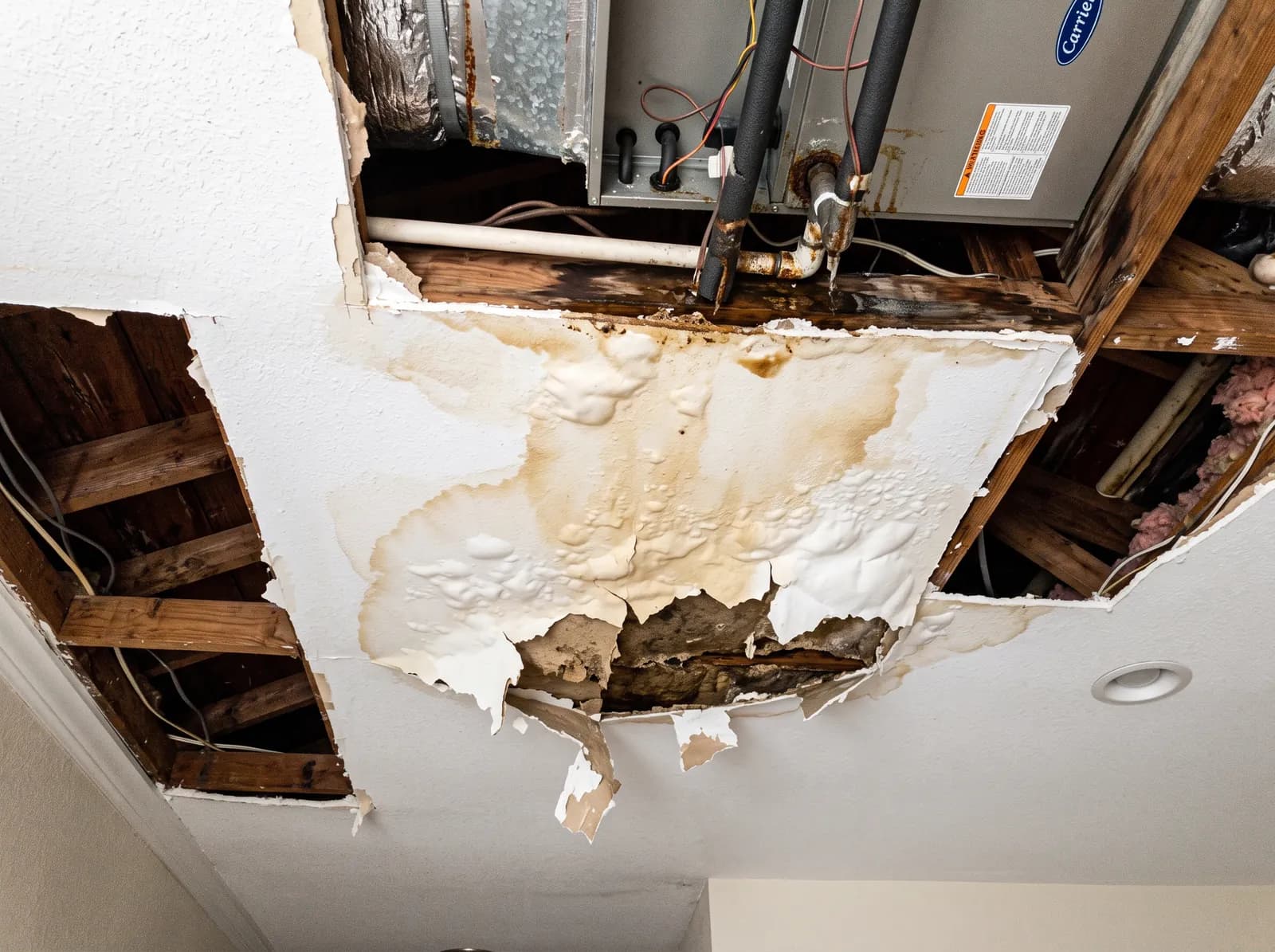
An HVAC system leaks water when condensate production exceeds what the drain line, drain pan, or condensate pump can remove, or when a component such as the eva...
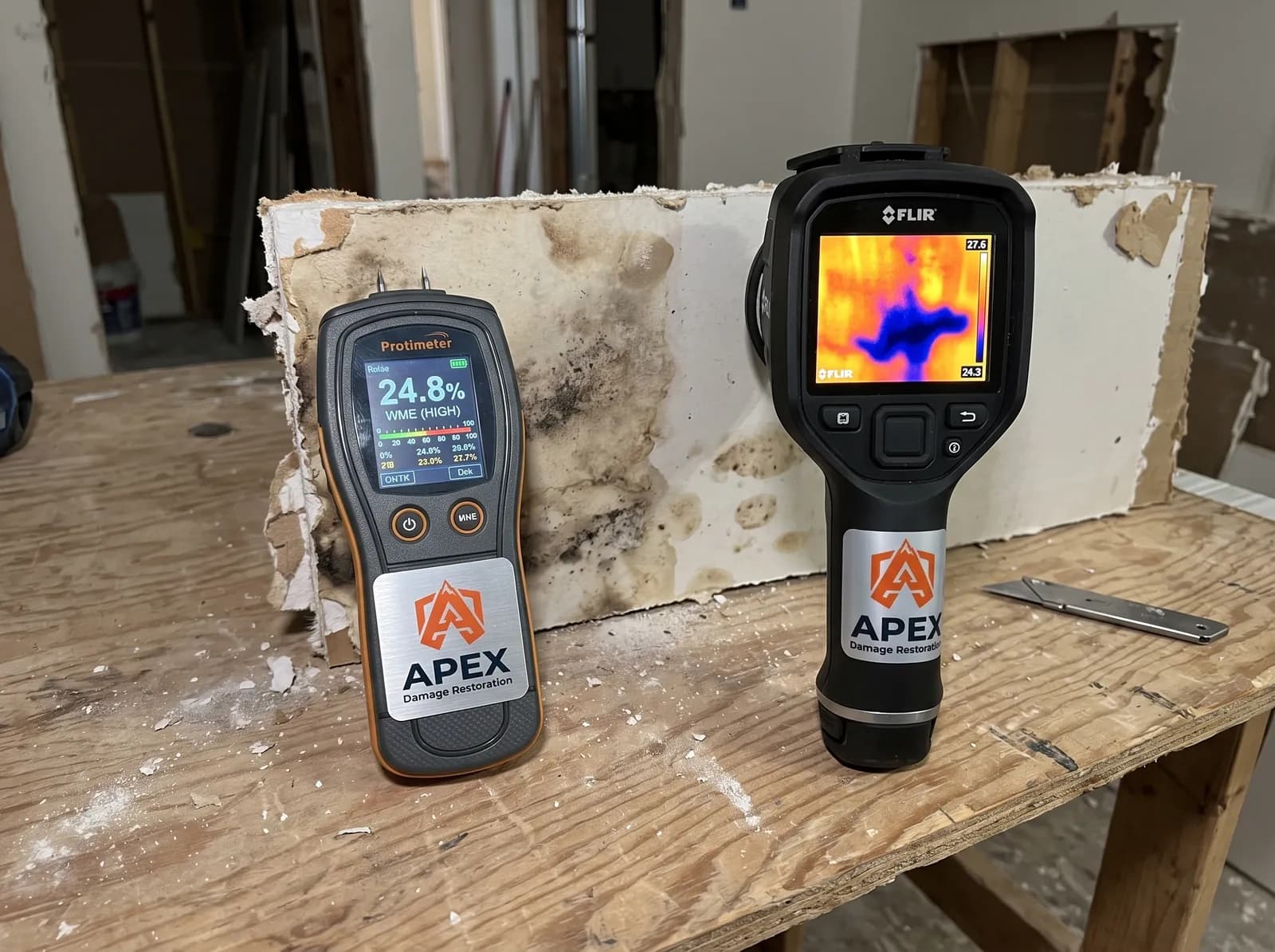
Water damage restoration equipment refers to the commercial-grade tools and machinery that professional restoration crews use to extract standing water, dry str...
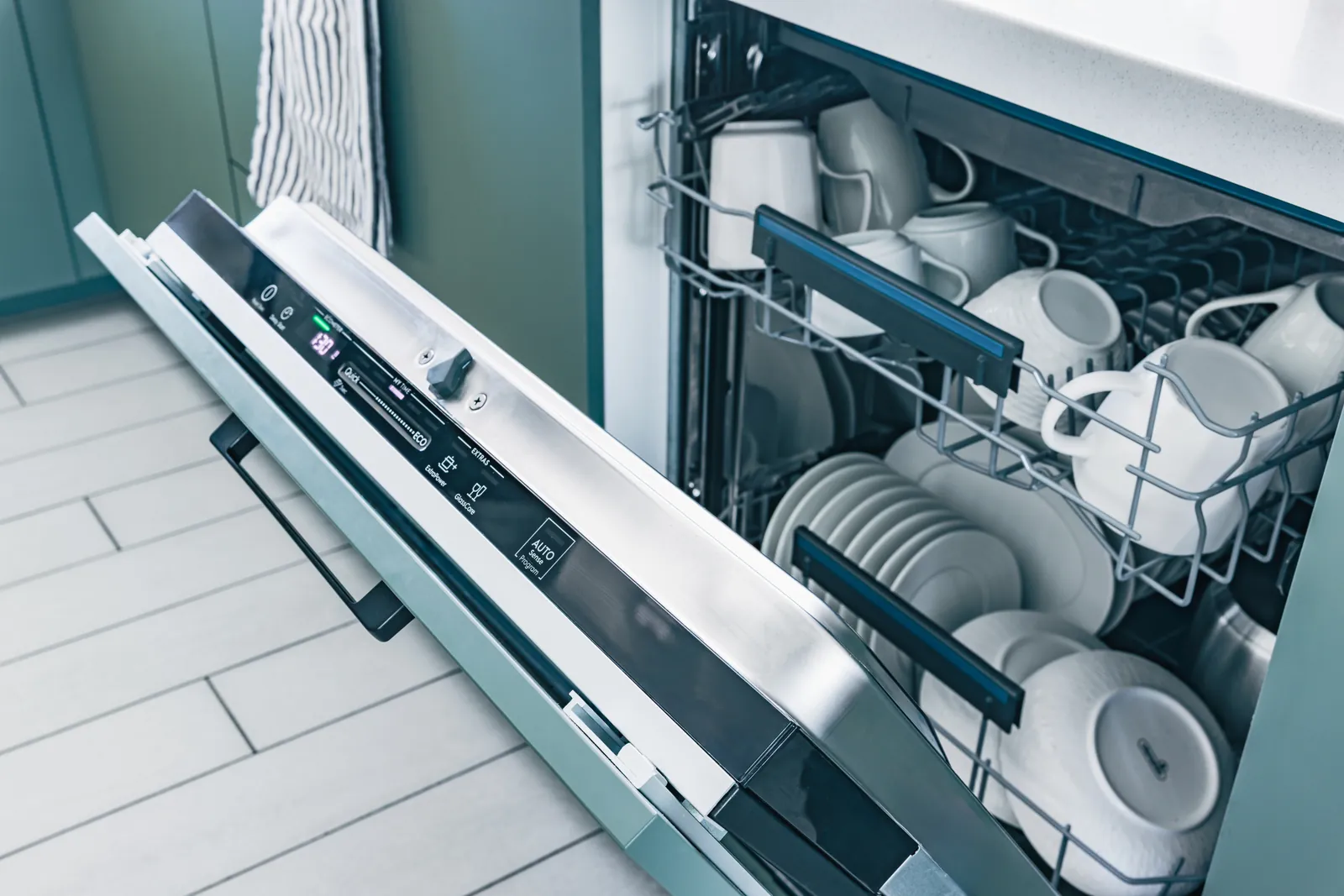
A leaking dishwasher can stem from a worn door seal, a loose supply line, a failed drain hose, or a stuck float switch, and left unaddressed, it can saturate su...
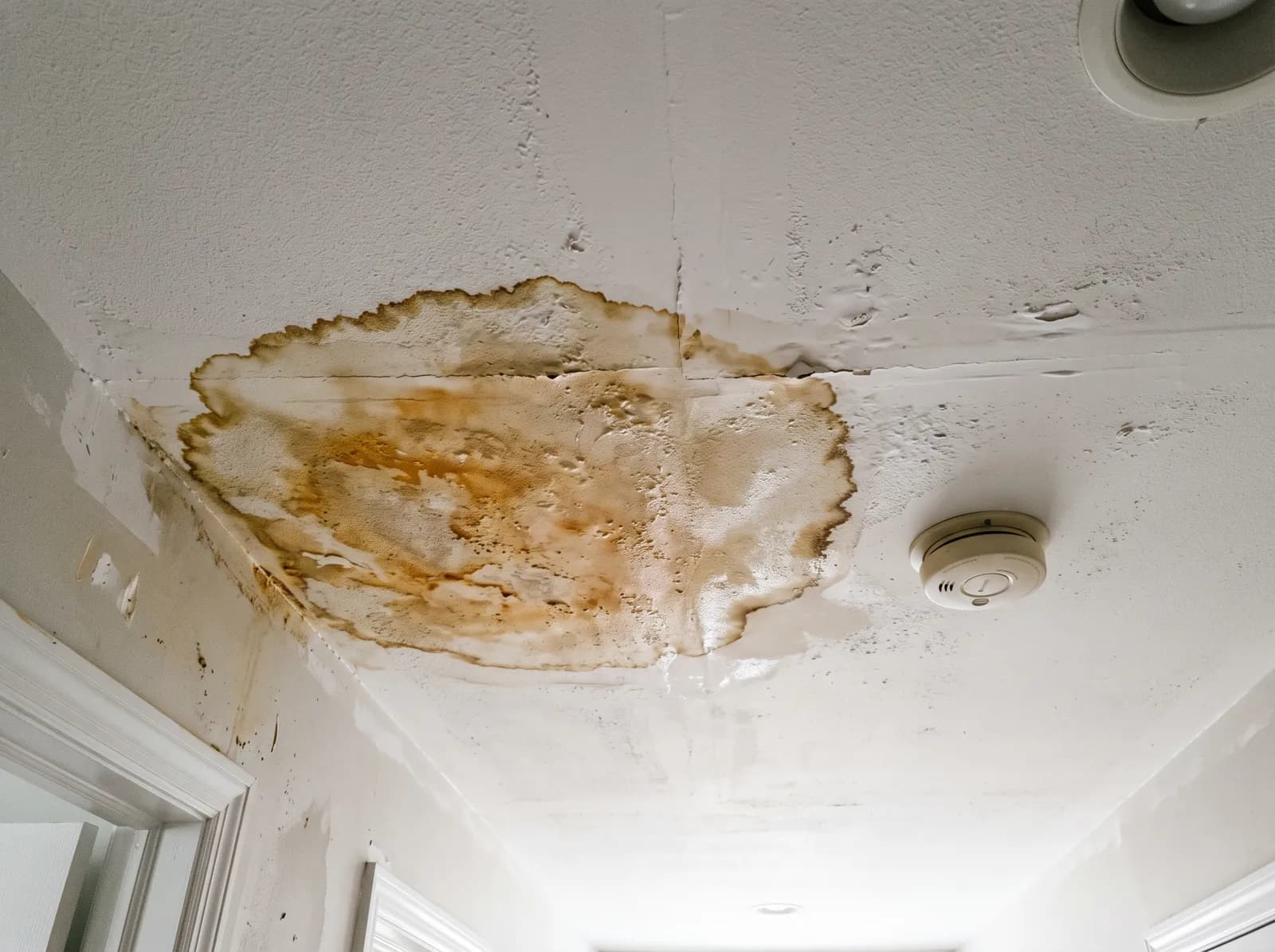
A shower pan leak sends water beneath the visible shower surface into the subfloor, framing, and rooms below, often for weeks before a homeowner notices any sym...
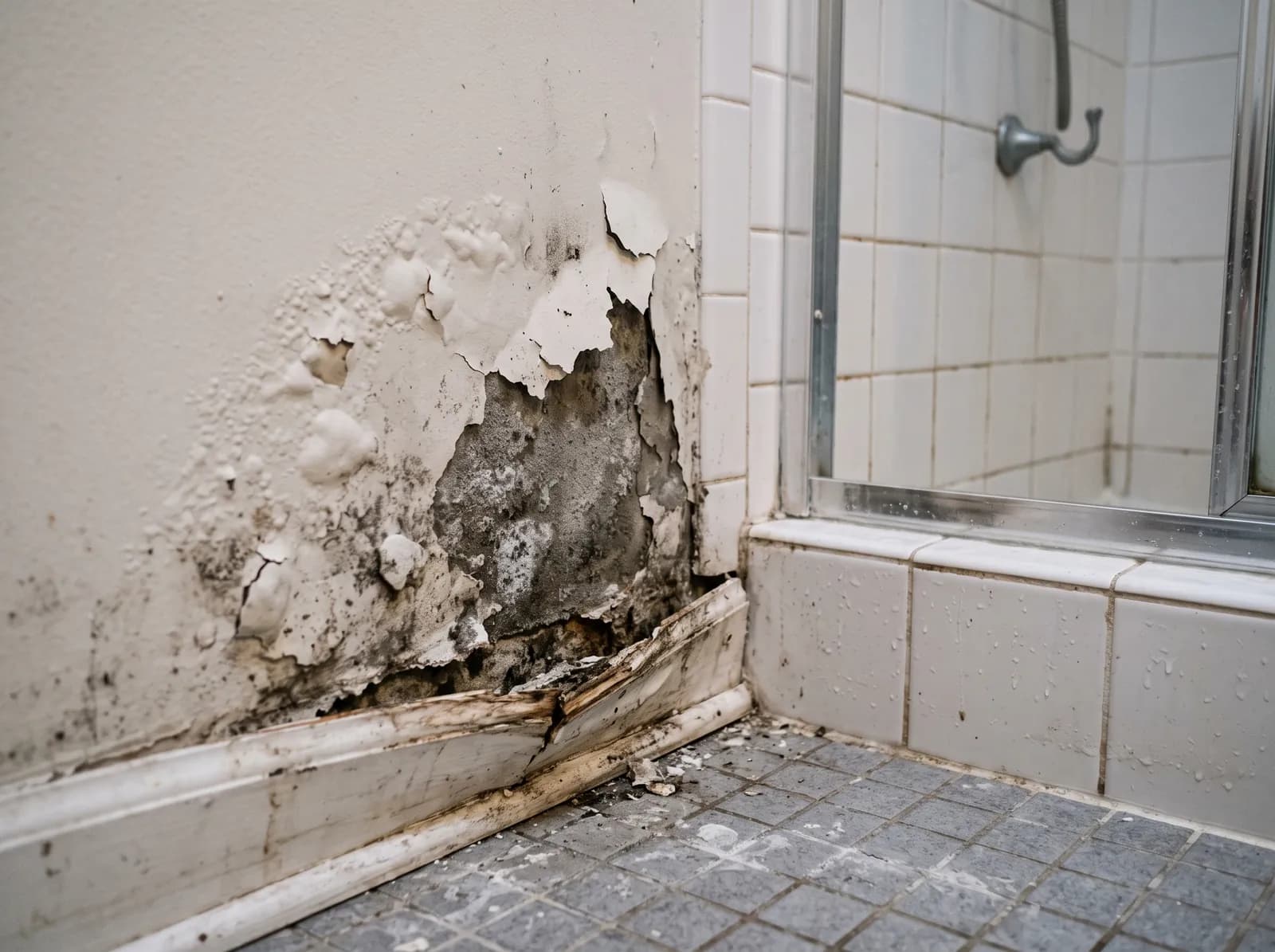
A shower leak causes water damage when water escapes the shower system and reaches materials not designed to stay wet, such as drywall, subfloor, and framing. T...
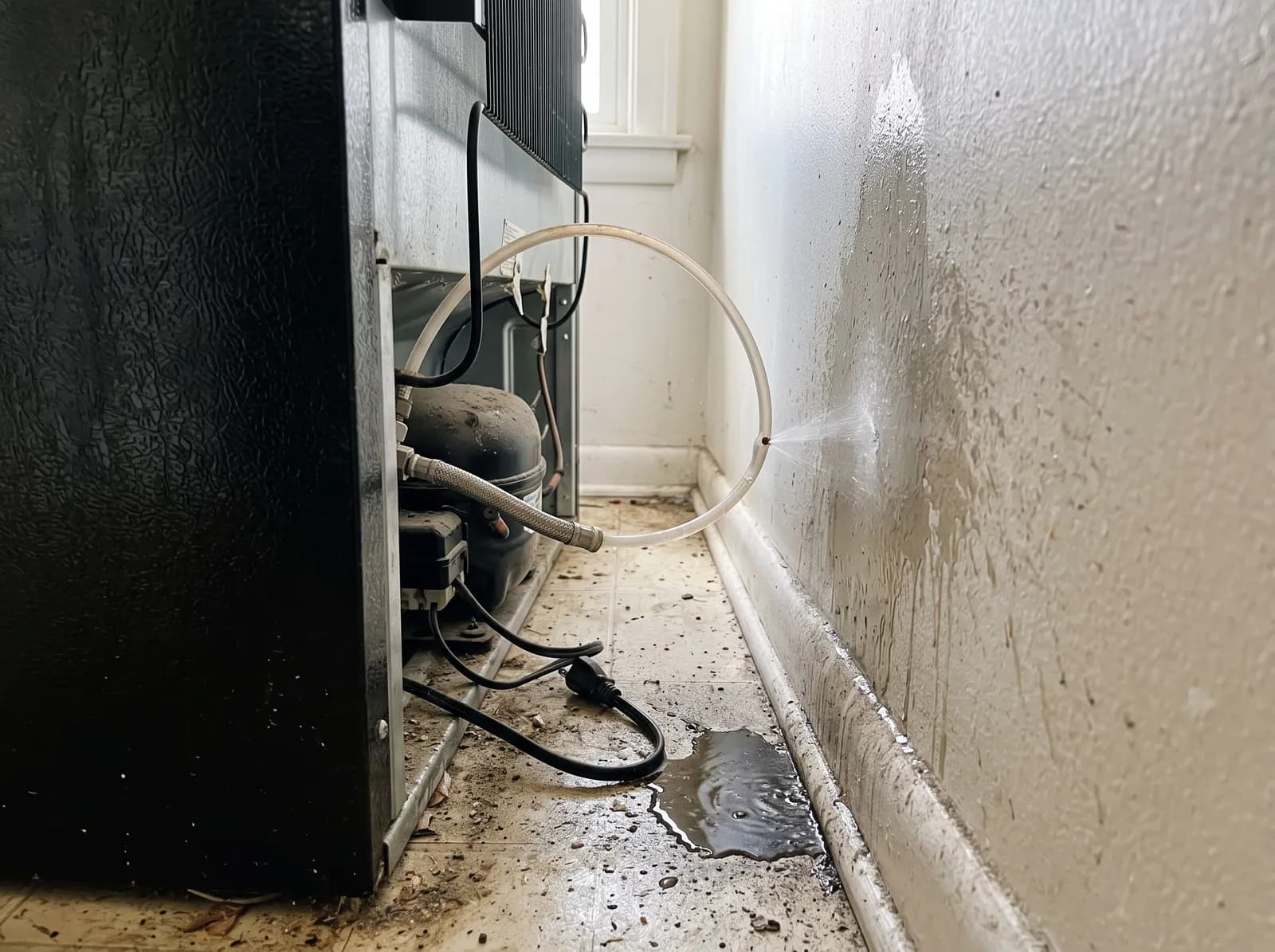
A leaking refrigerator can release standing water onto flooring, subflooring, and cabinetry within minutes, and untreated moisture creates conditions for mold g...
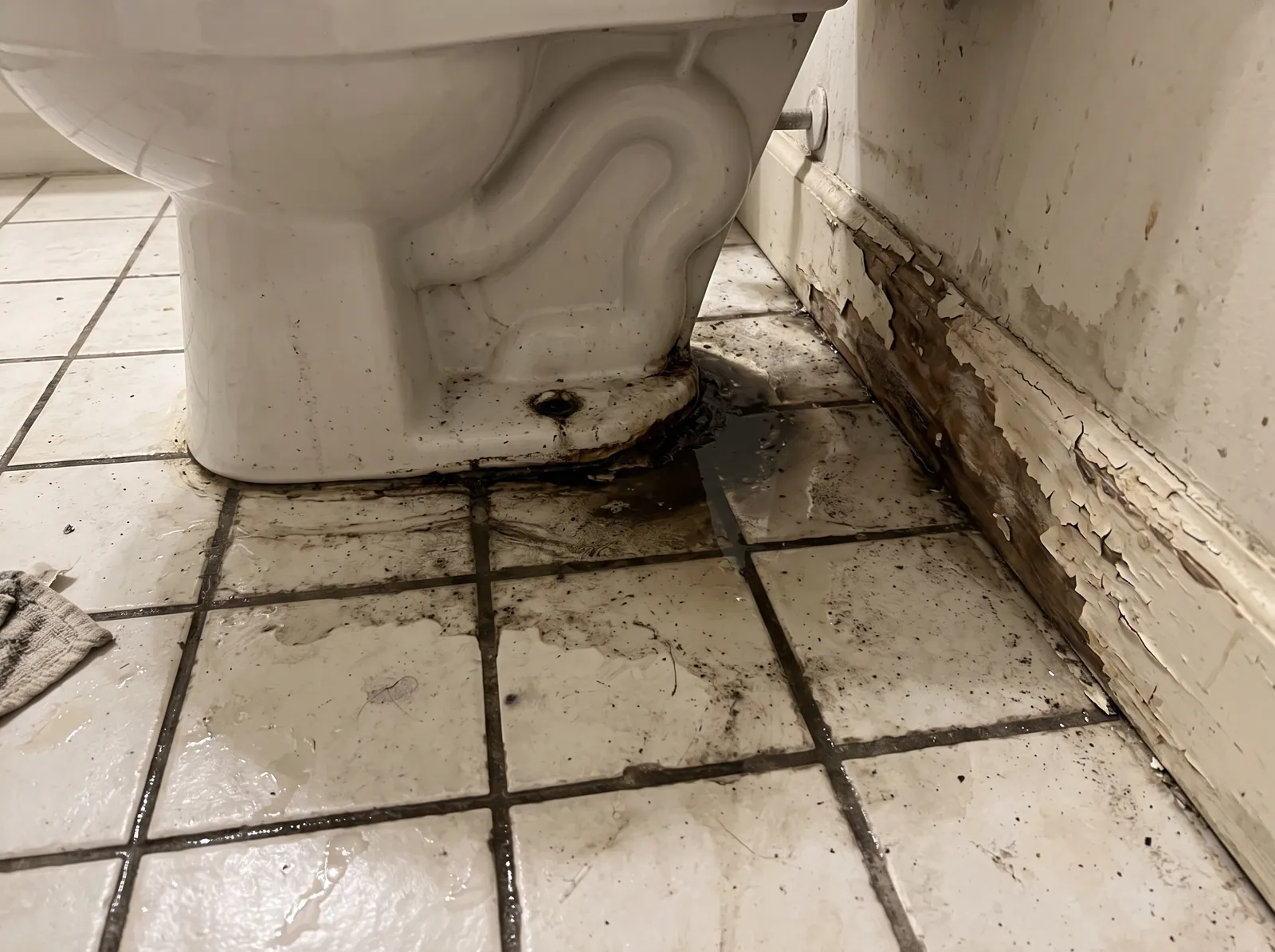
A leaking or overflowing toilet sends water beyond the visible floor area into subflooring, baseboards, and the ceiling of the room below. The damage extends pa...
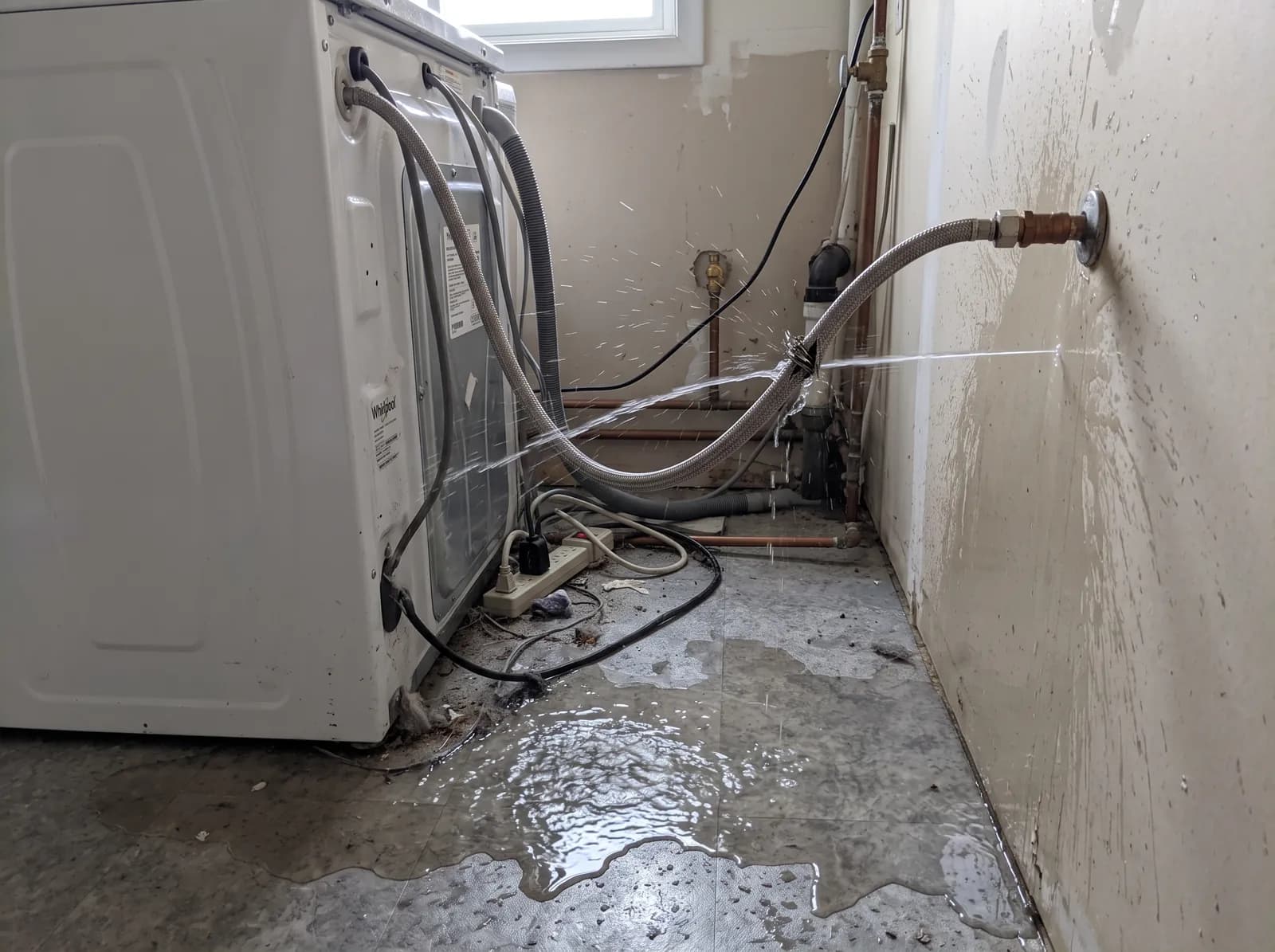
Appliance leak water damage occurs when a washing machine, dishwasher, water heater, refrigerator, or connected supply line releases water into a home, either s...
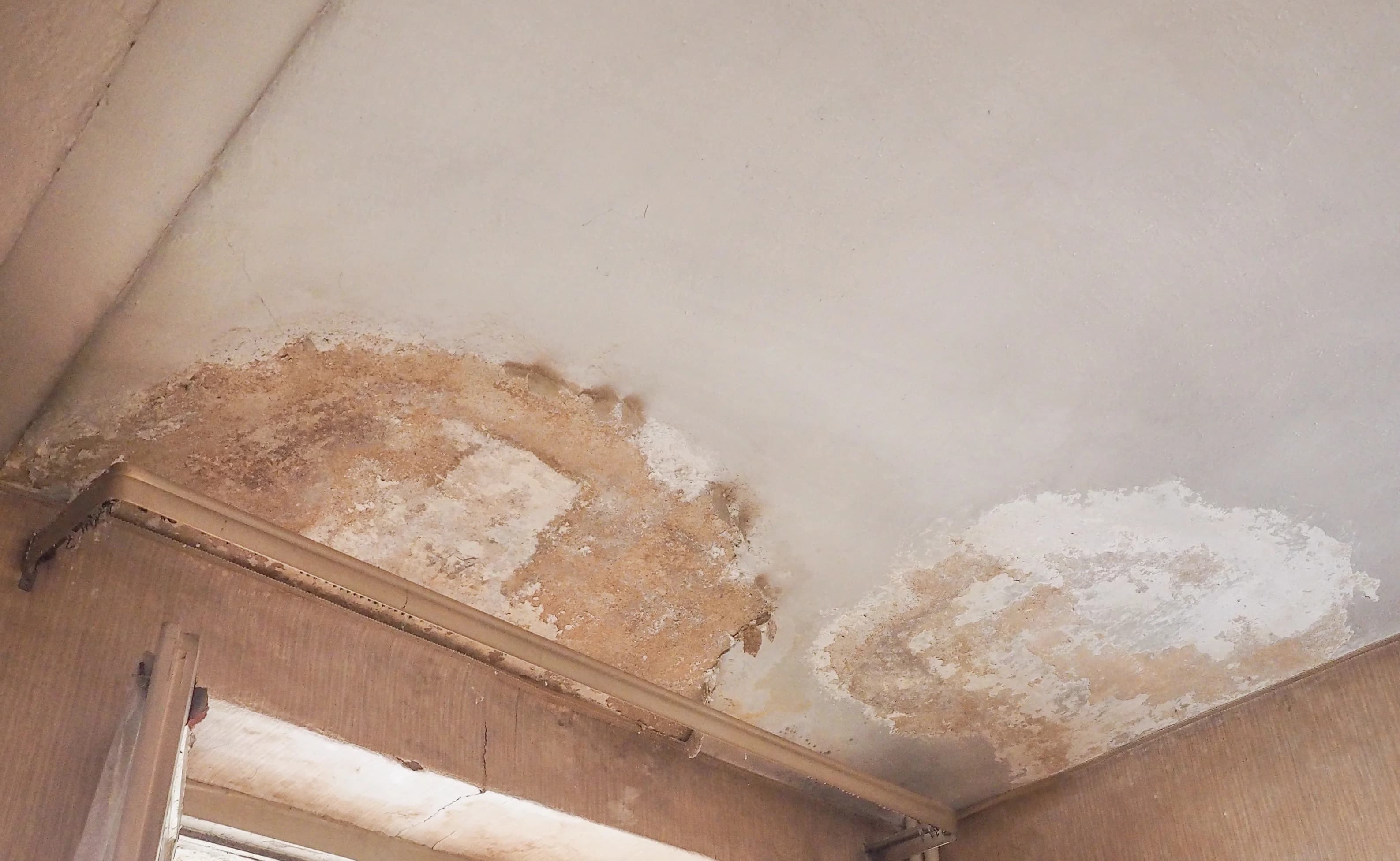
Water damage spreads within hours and worsens with every hour of delay. A response mistake during this window can raise repair costs, create mold conditions, we...
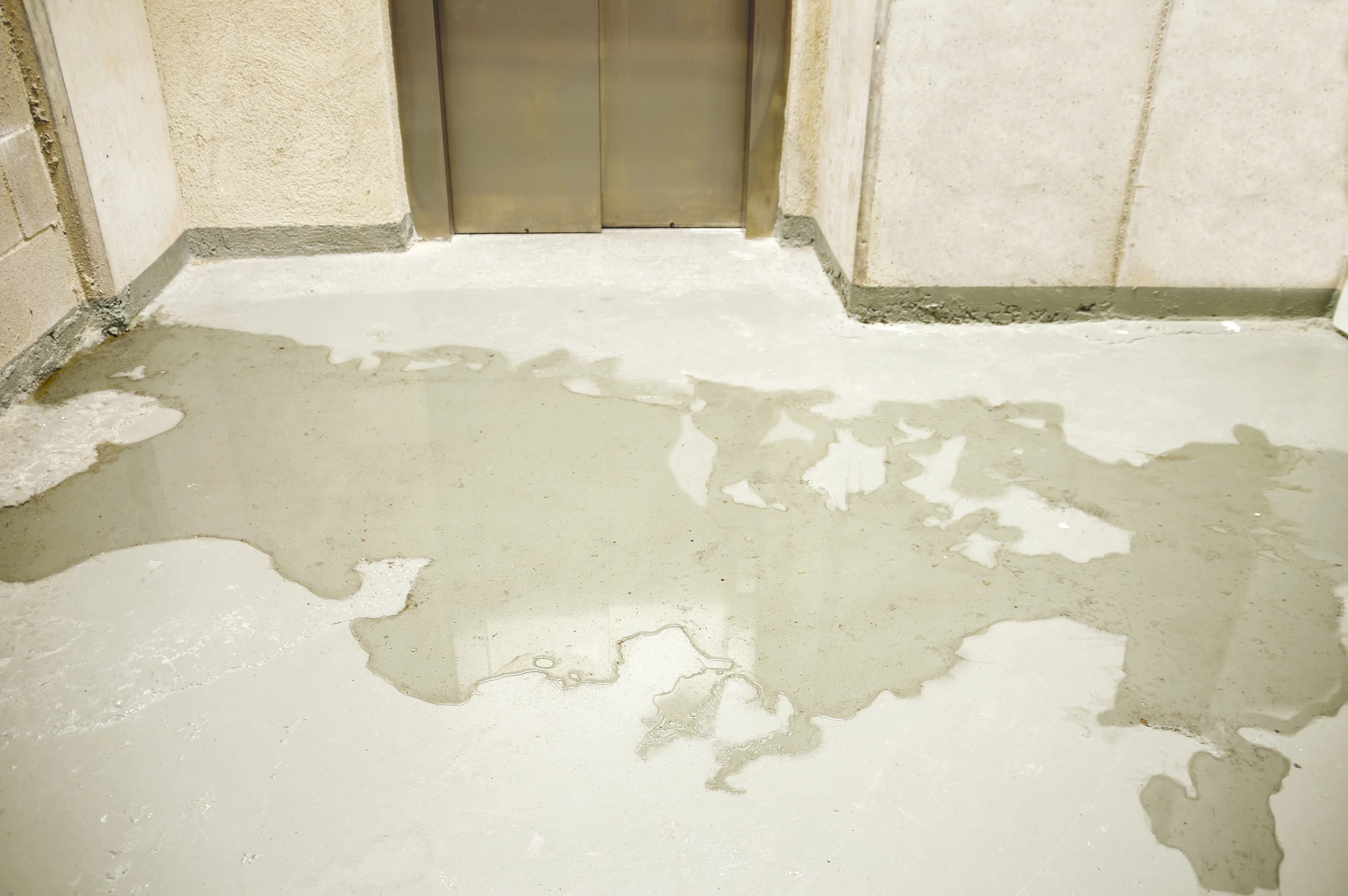
A water leak is an uncontrolled release of water from a plumbing line, fixture, or appliance inside or beneath a home. Finding a leak requires two steps: recogn...
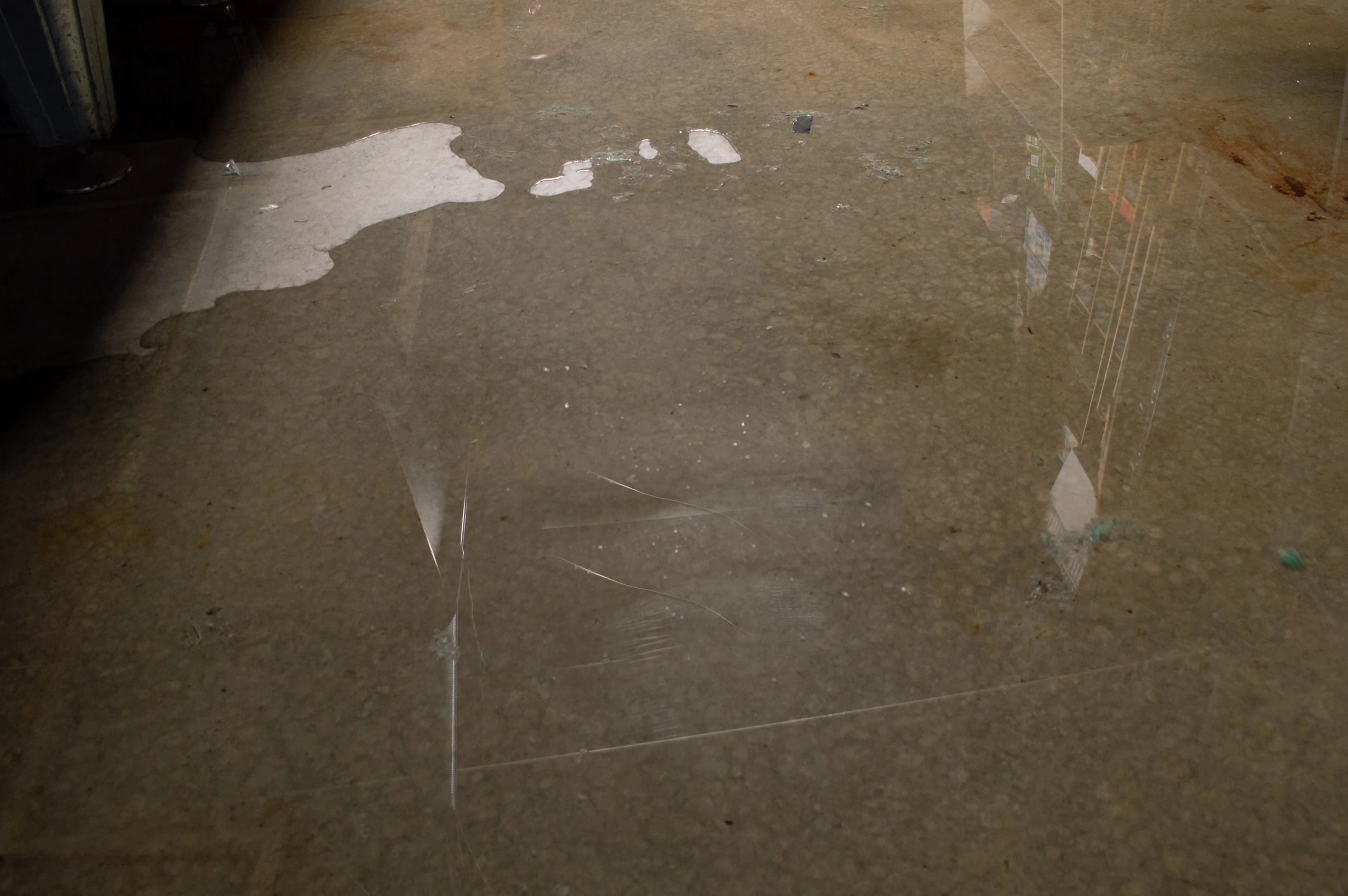
A slab leak is a water leak that develops in or under a concrete foundation slab, typically affecting a supply line, drain line, or hot water return line routed...
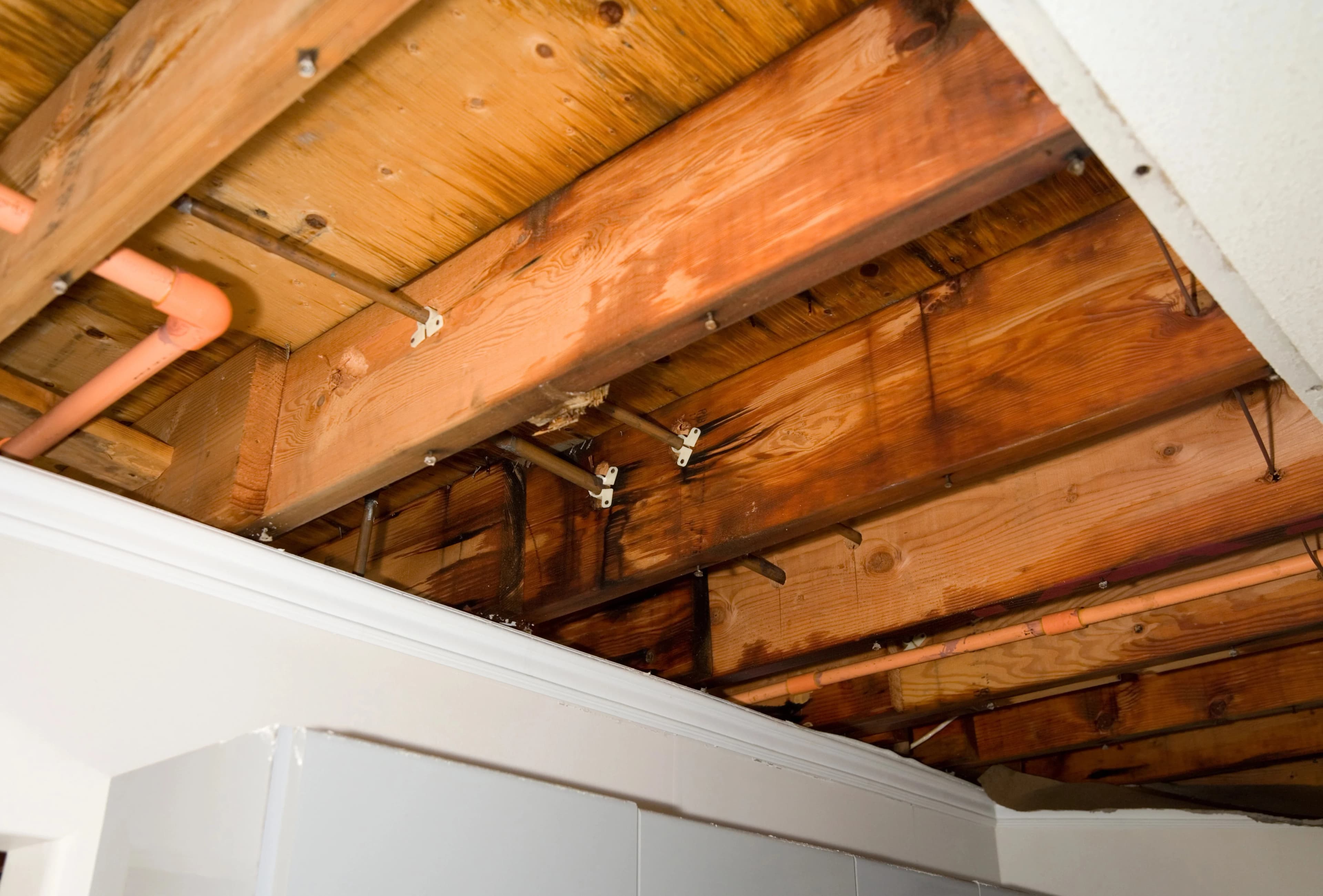
Water damage in a home shows itself through visual, physical, and sensory cues that range from an active, undetected leak to structural deterioration from long-...
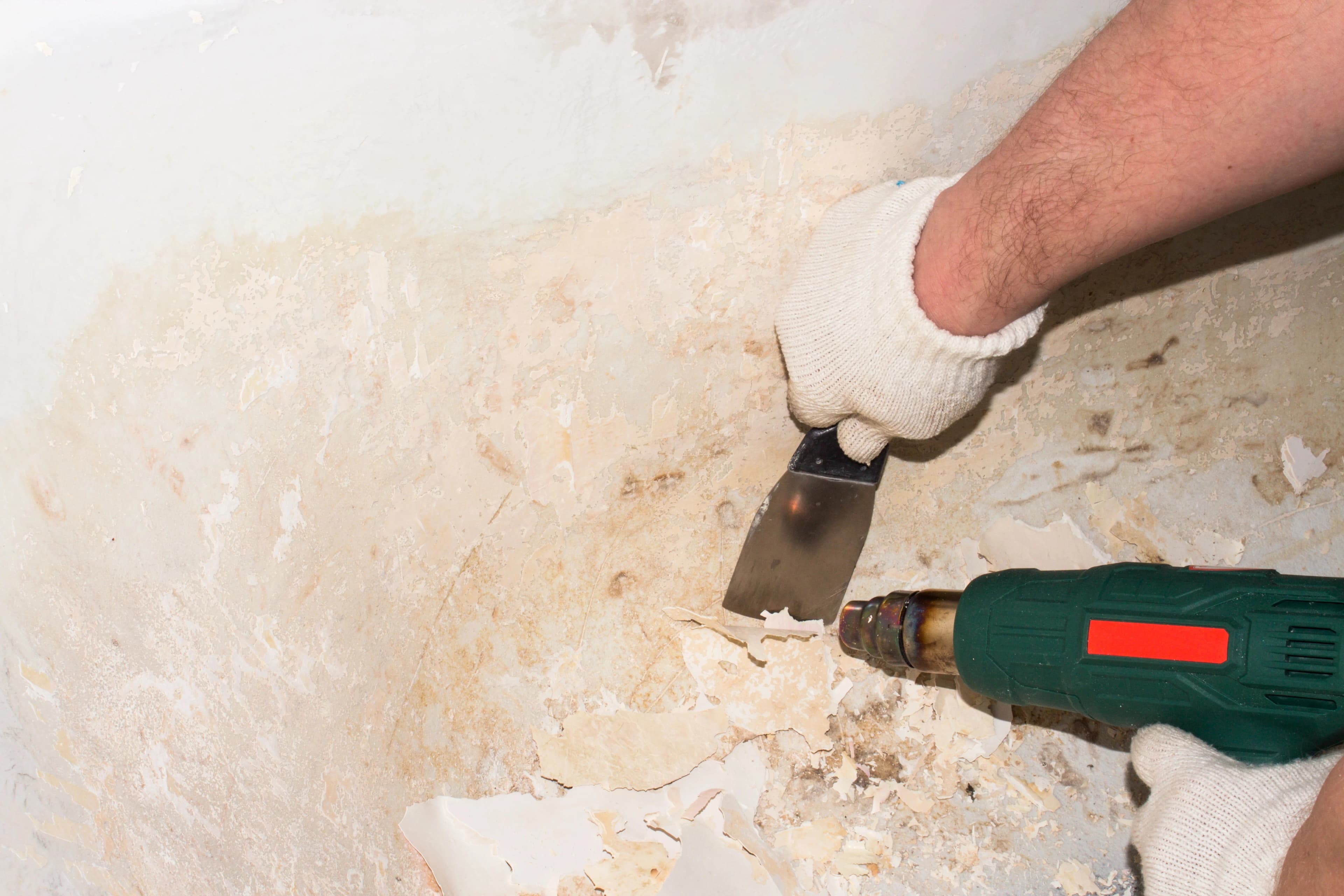
Water damage is classified into four classes, Class 1 through Class 4, based on the amount of water absorbed into a structure and the rate at which the affected...
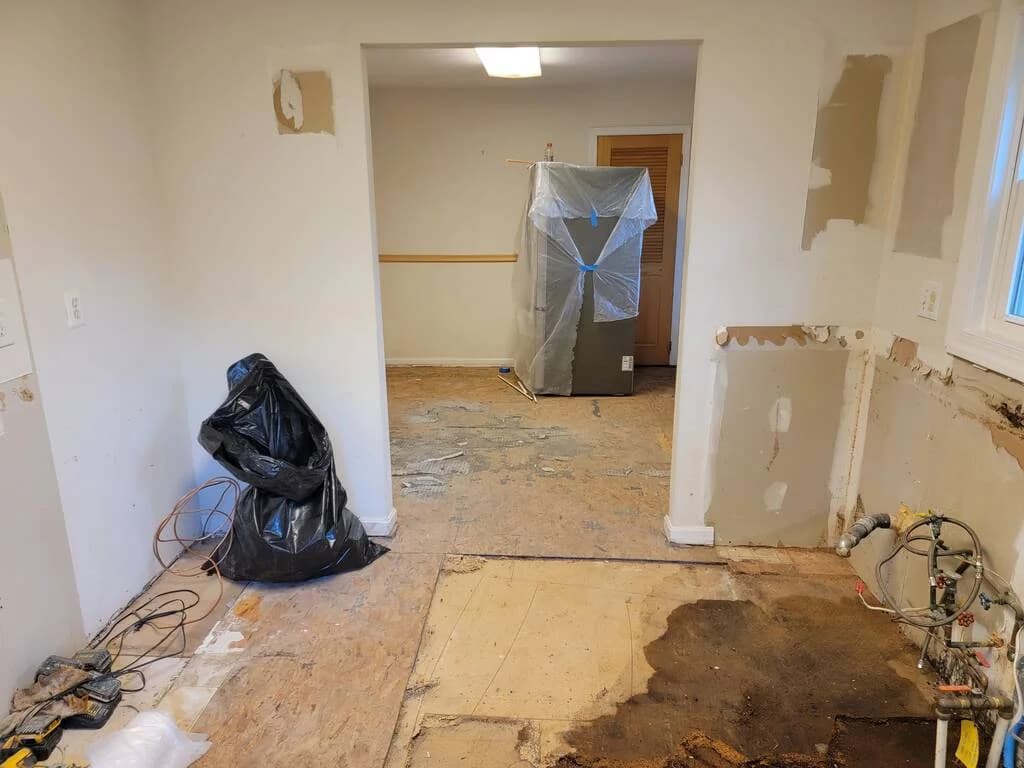
Kitchen water damage develops when water from a supply line, drain, appliance, or fixture reaches cabinets, flooring, or subfloor materials in the kitchen. The ...

A denied water damage claim is a formal decision by an insurer that a policy will not pay for reported water damage. The insurer documents this decision in a ...
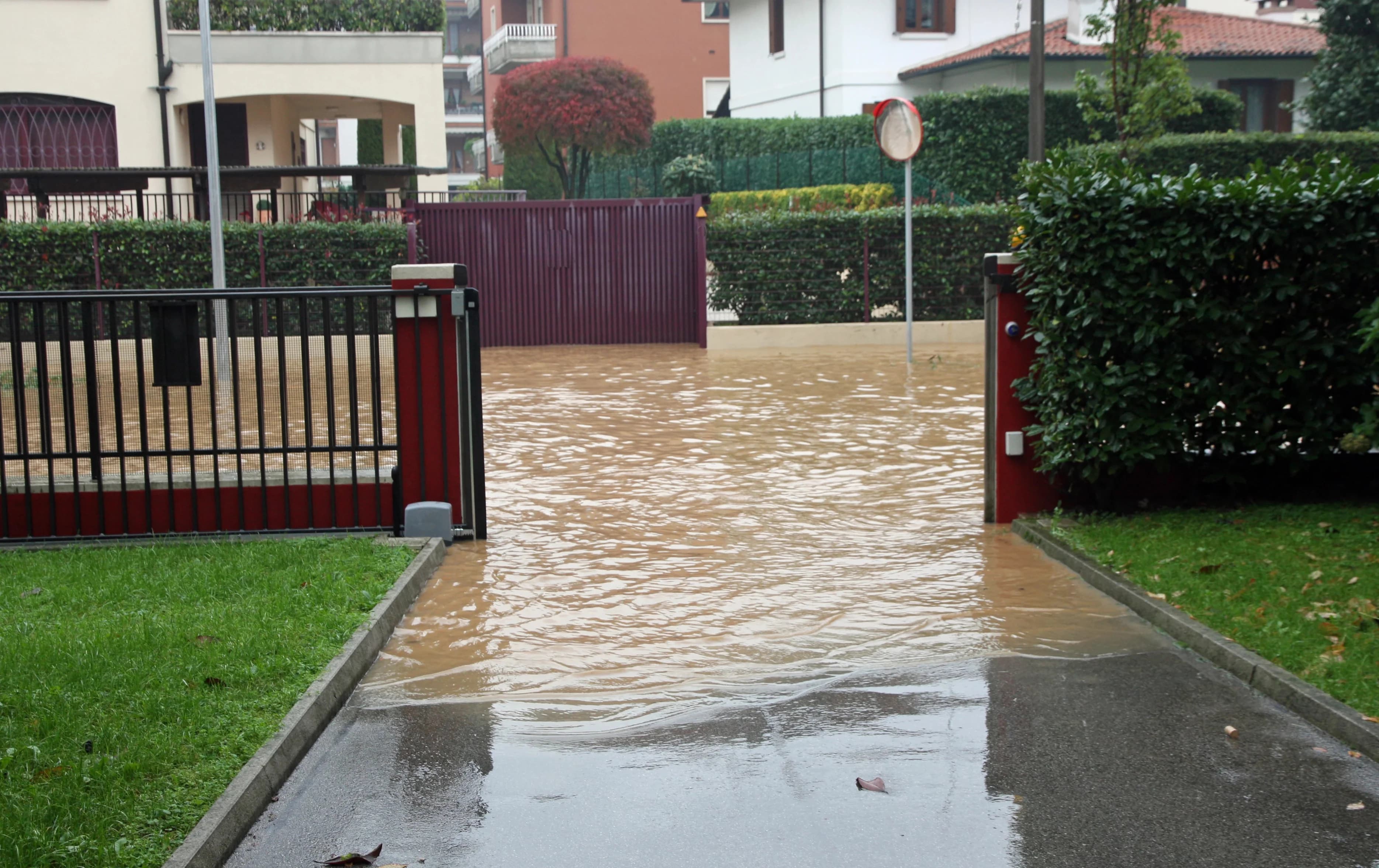
Category 3 water damage refers to water contaminated with sewage, floodwater, or other biohazardous material, classified by the IICRC S500 standard as "black wa...
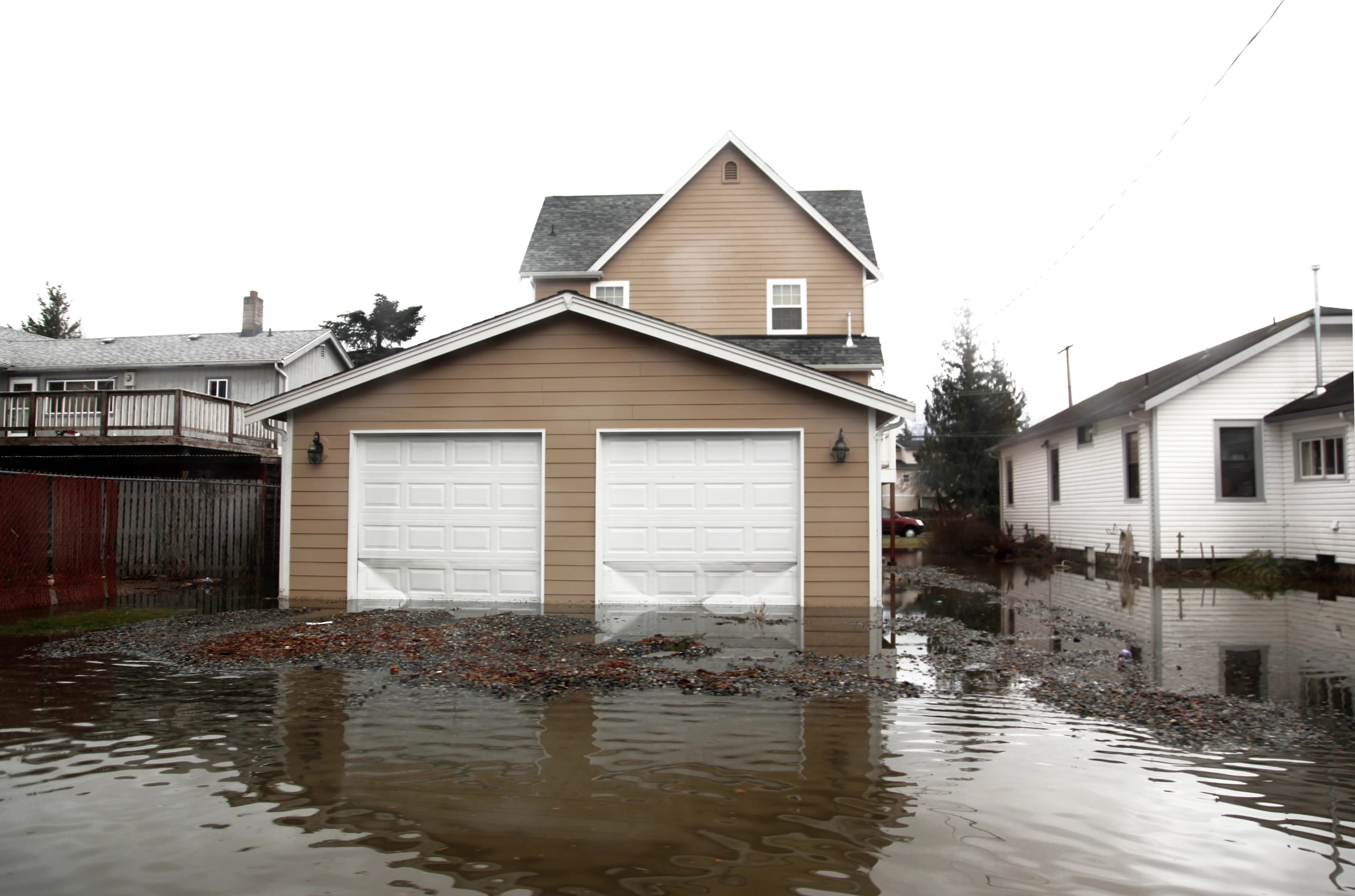
Water damage restoration costs range from $1,300 to $5,700 for an average job, with most homeowners paying around $3,300. Total cost depends on the service type...
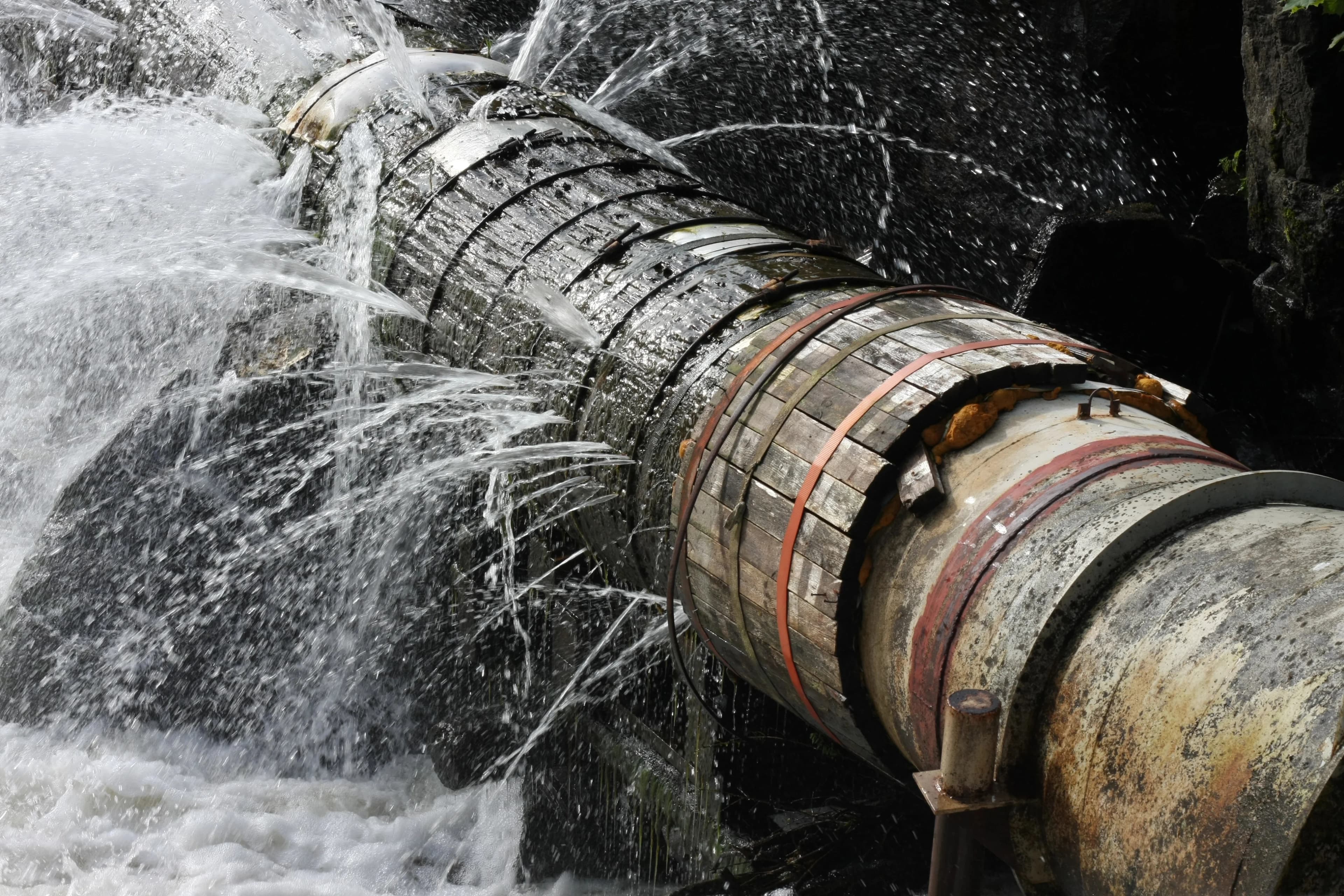
Yes, Homeowners insurance covers burst pipe water damage when the pipe fails suddenly and accidentally, such as from freezing, a manufacturing defect, or unexpe...
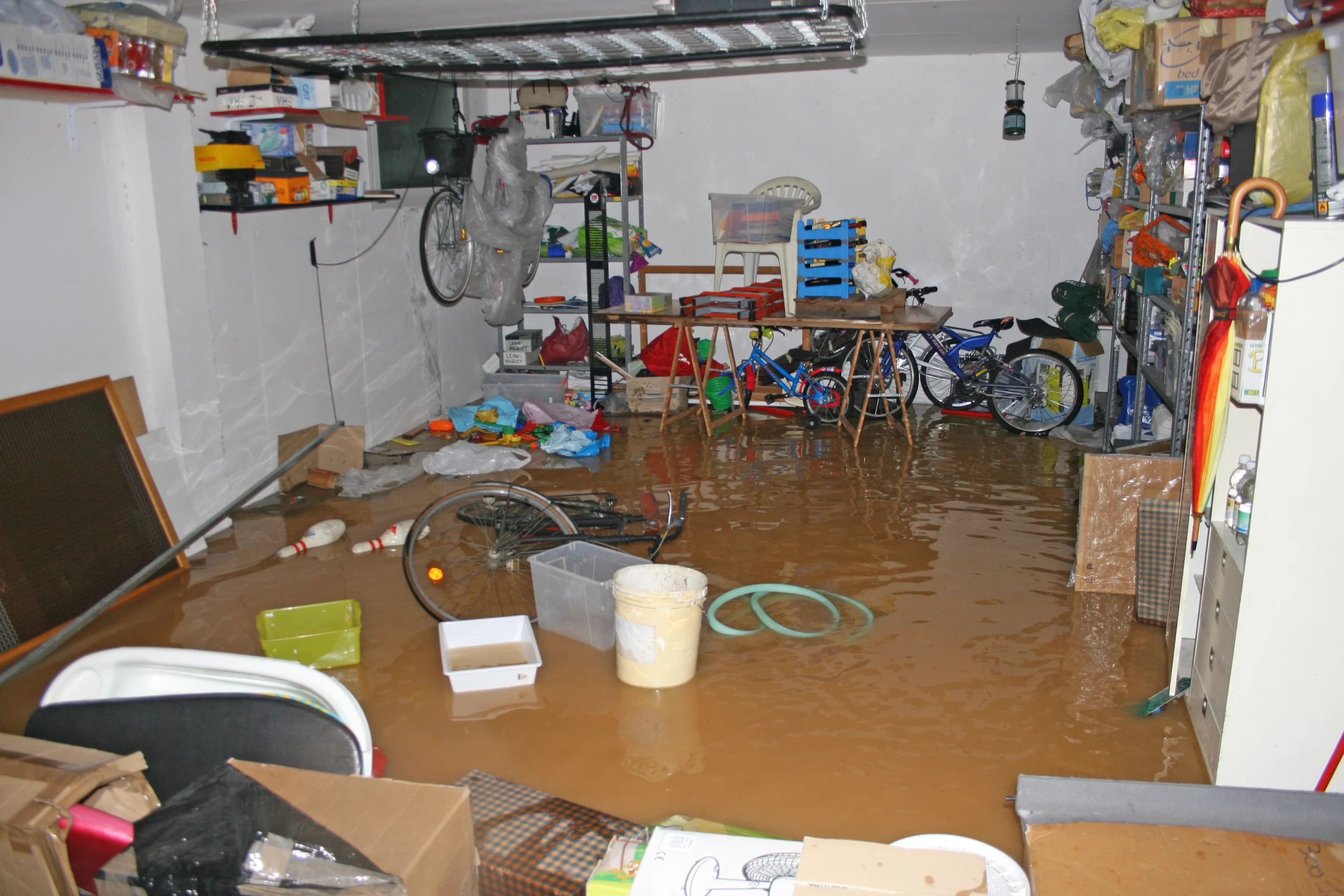
Water damage categories are a three-tier classification system that ranks water intrusion by contamination level. The Institute of Inspection, Cleaning and Rest...
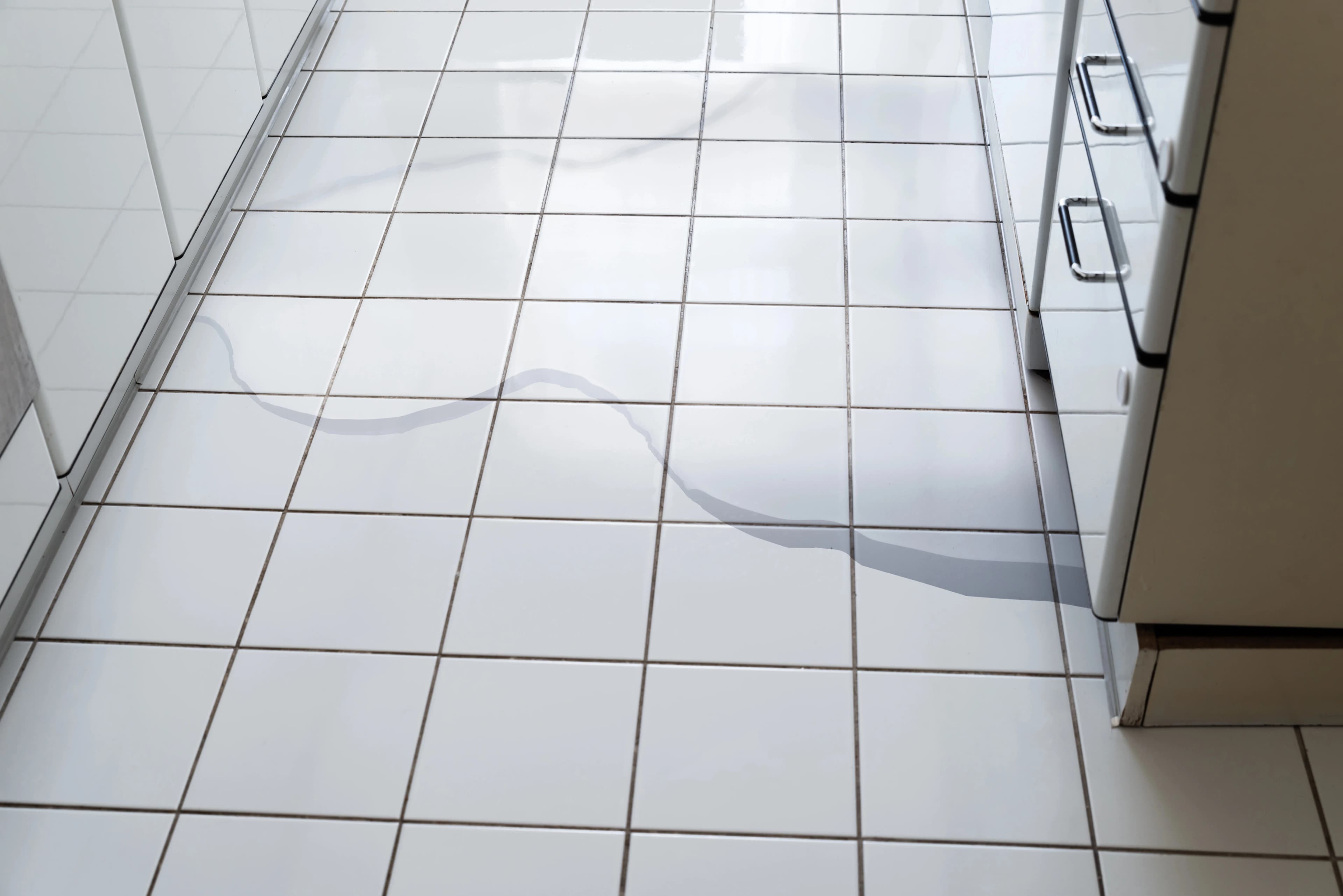
Sudden water damage is water intrusion caused by an abrupt, identifiable event rather than a slow process. Insurers classify a loss as sudden when it result...

Filing a water damage insurance claim requires stopping the source of water intrusion, documenting the damage, and submitting the required information to the in...
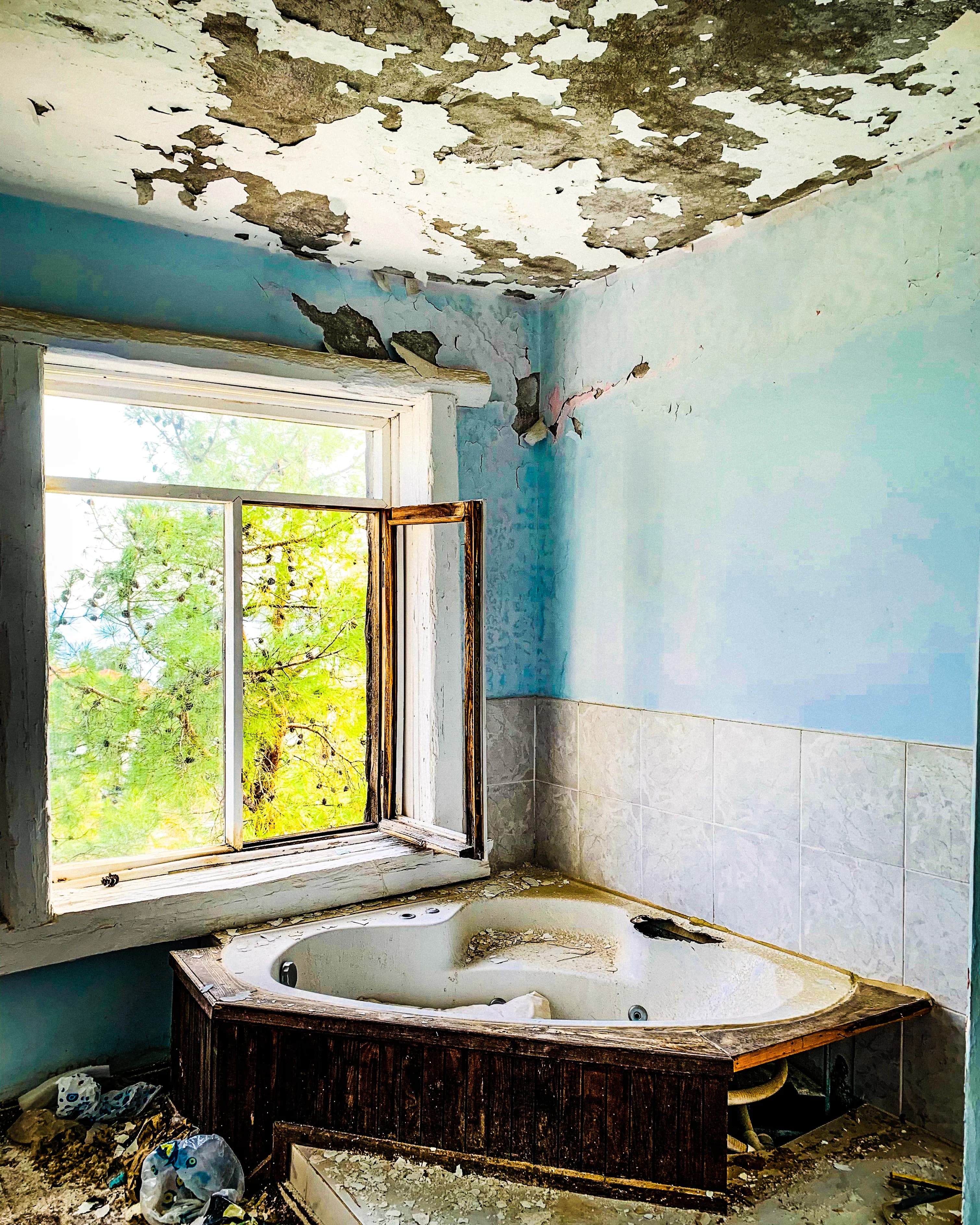
Bathroom water damage affects floors, walls, and fixtures differently. See repair steps, average costs, and insurance coverage by component.
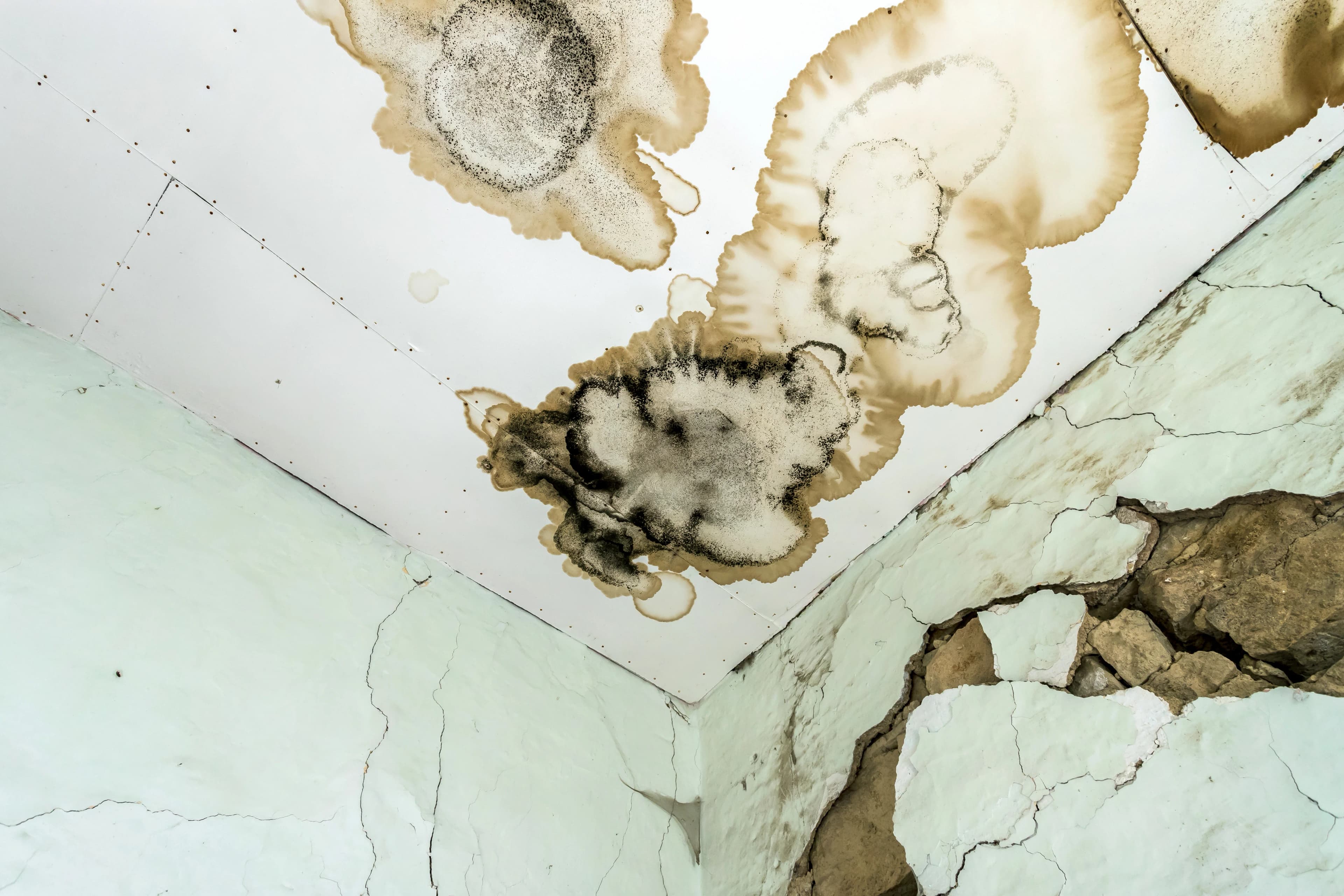
Ceiling water damage appears as stains, sagging, or bubbling paint. Learn how to identify the cause, repair the damage, and prevent recurrence.
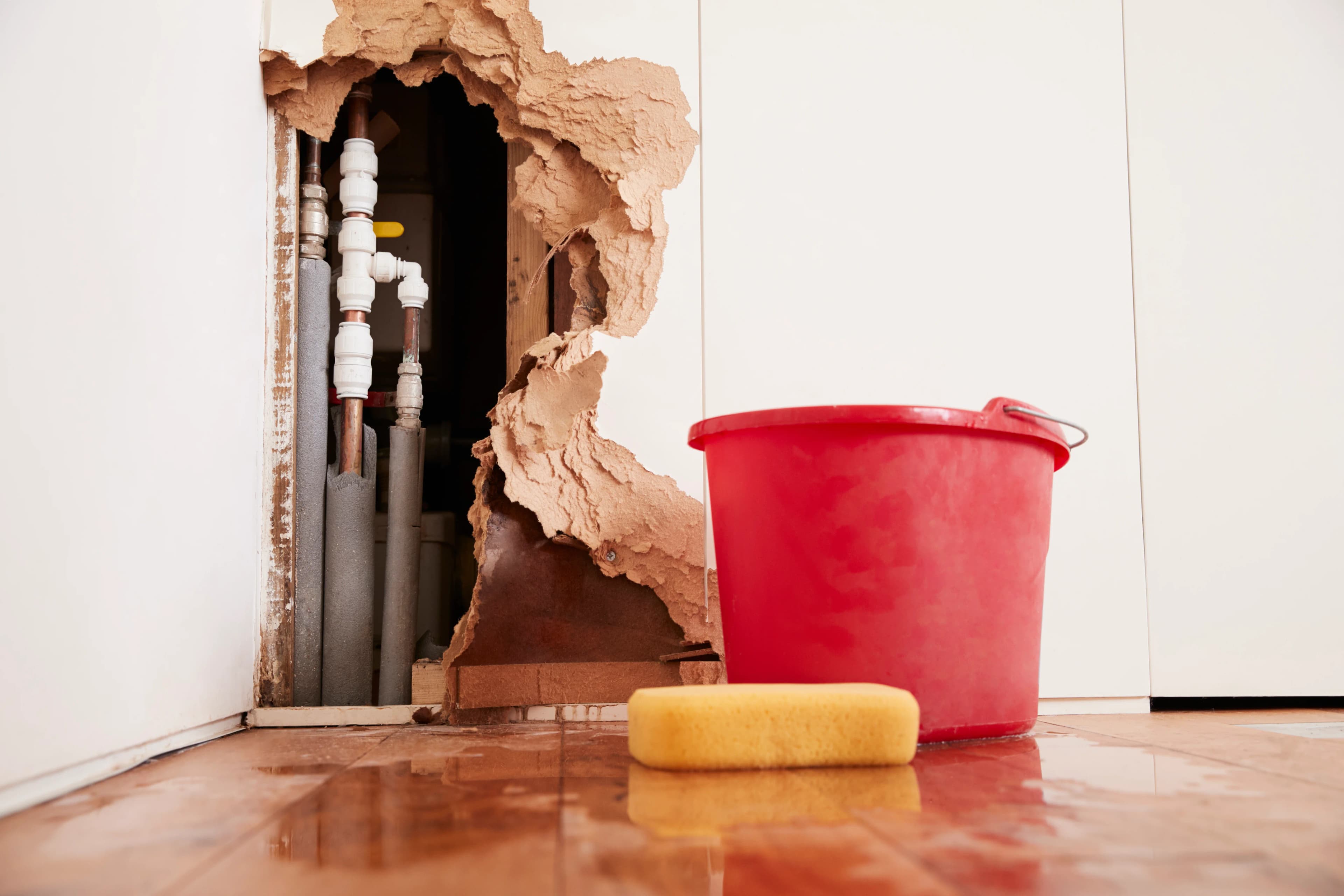
Water damage often appears in basements, bathrooms, kitchens, and ceilings. Learn where to check and what signs to look for in each area.
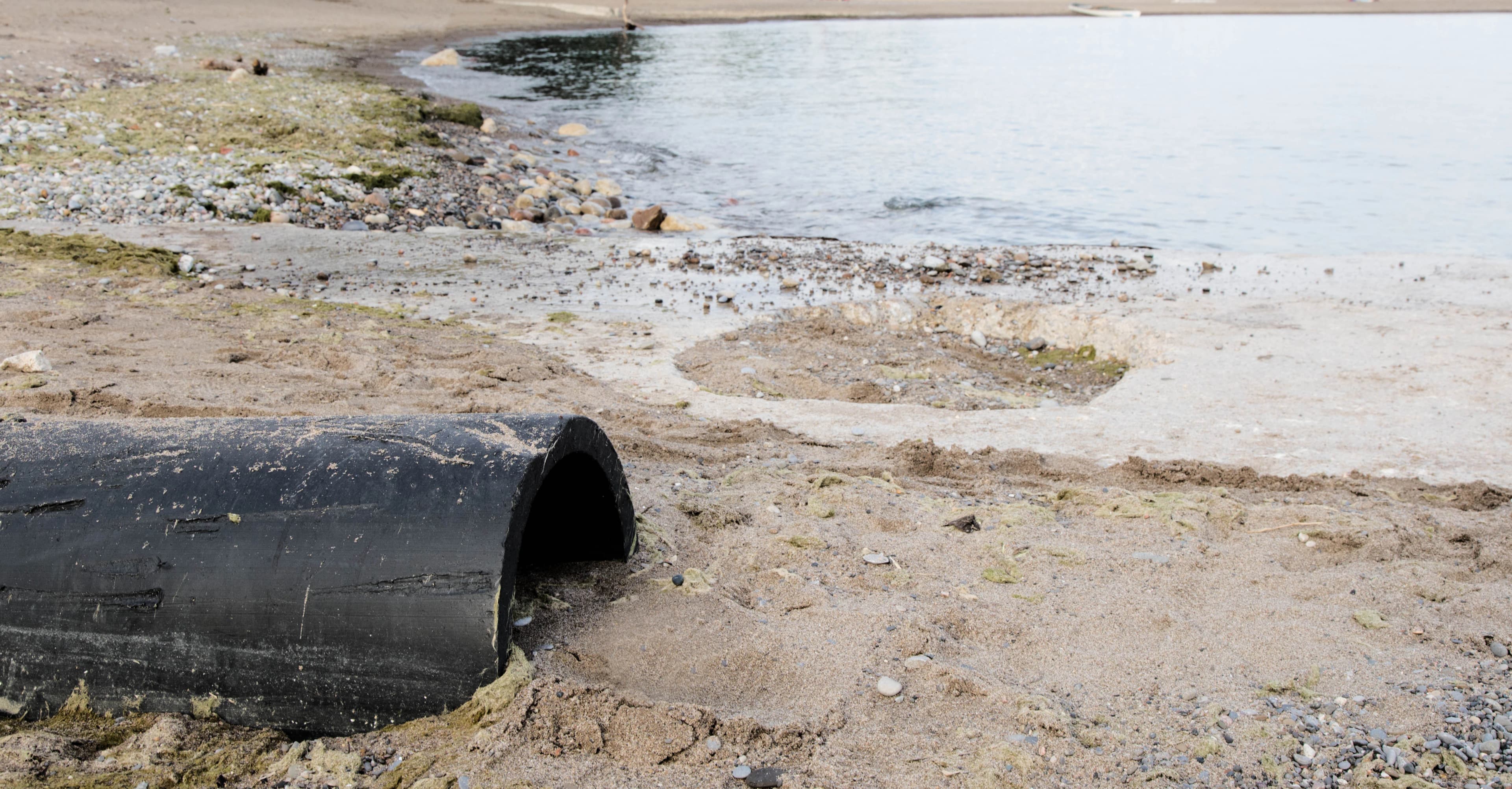
Sewage water damage requires specialized cleanup due to contamination risks. Learn the causes, cleanup process, and repair steps involved.
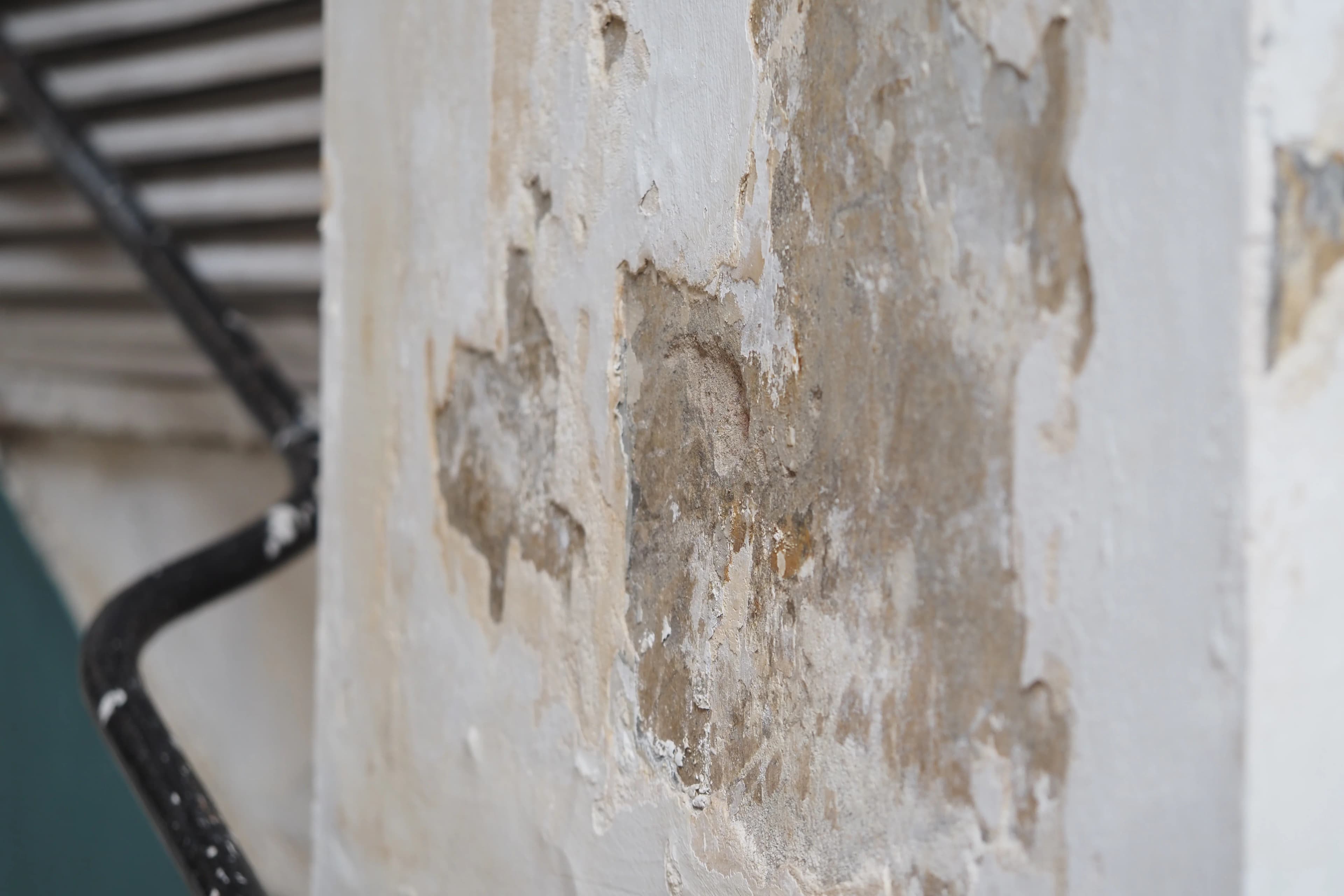
Water-damaged drywall shows discoloration, bubbling, and softness. Learn the warning signs, repair process, and average replacement cost.
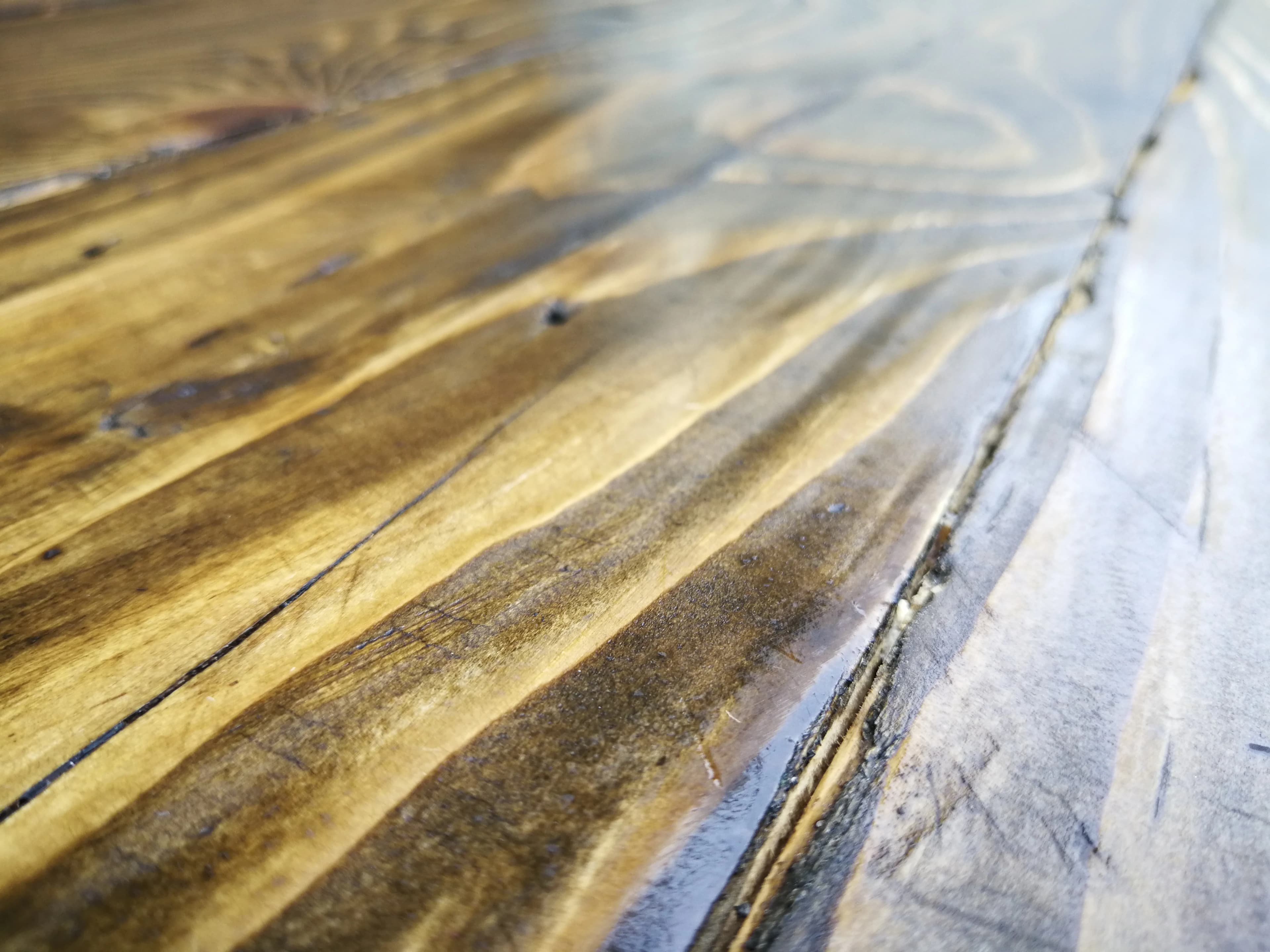
Water-damaged floors require different drying and repair methods by material. Learn how to identify damage and restore each flooring type.
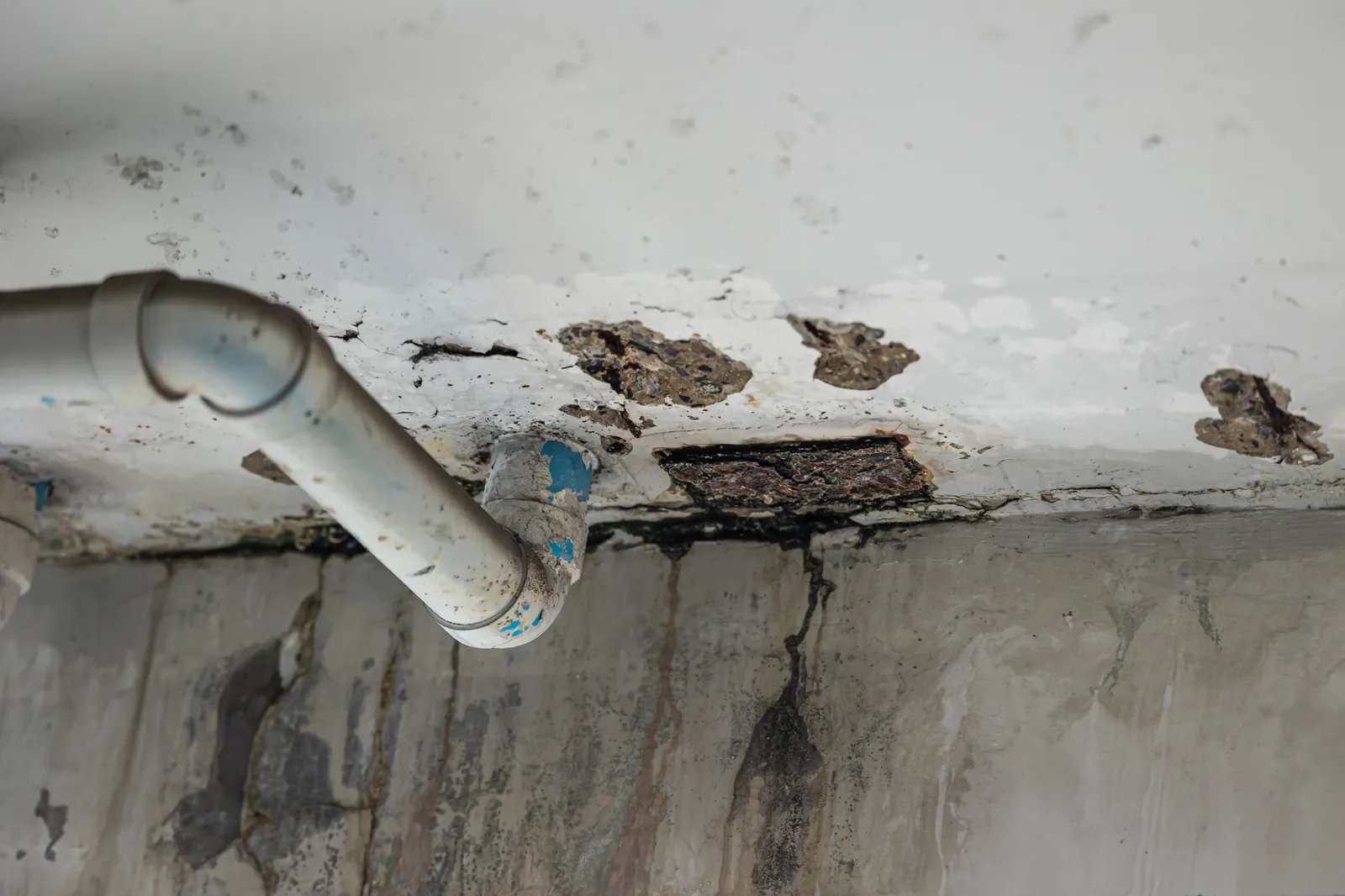
Water damage restoration removes moisture, cleans contamination, and repairs structures after leaks or flooding. See the full process and what to expect.
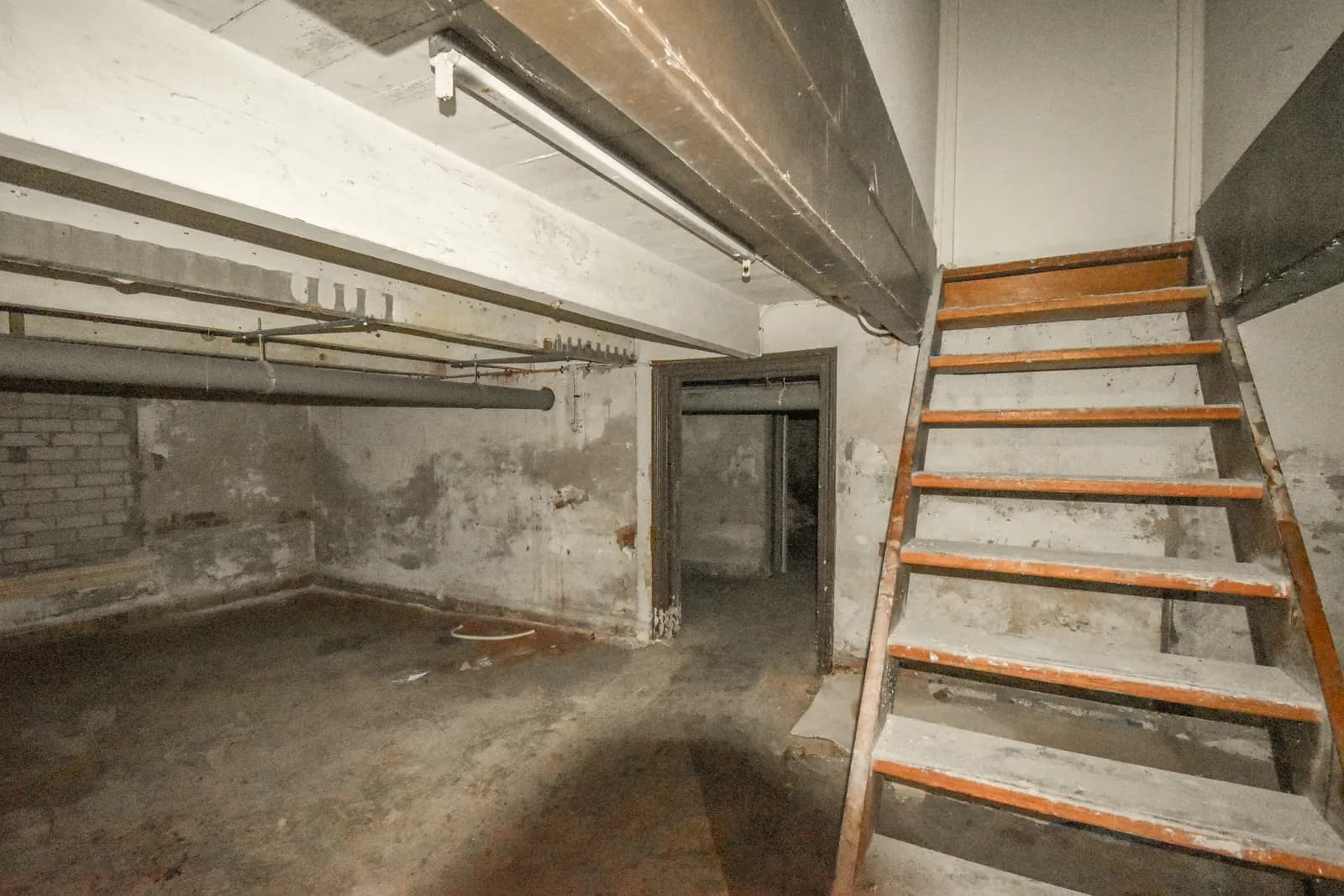
Basement water damage results from flooding, foundation cracks, or plumbing failures. Learn the causes, cleanup steps, and repair process.
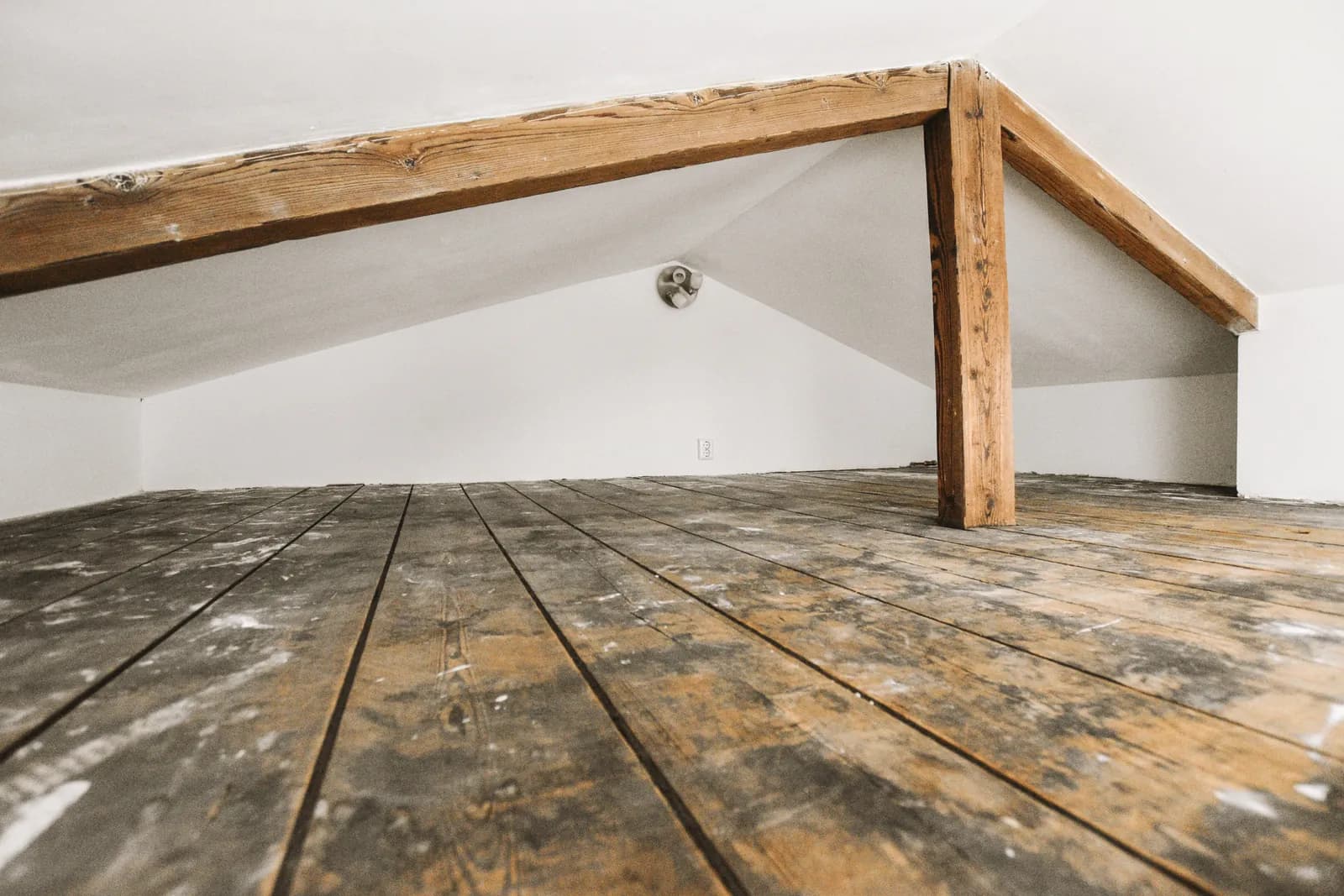
Water-damaged hardwood floors show cupping, staining, and warping. Learn how to identify the signs and the solutions for repair or replacement.
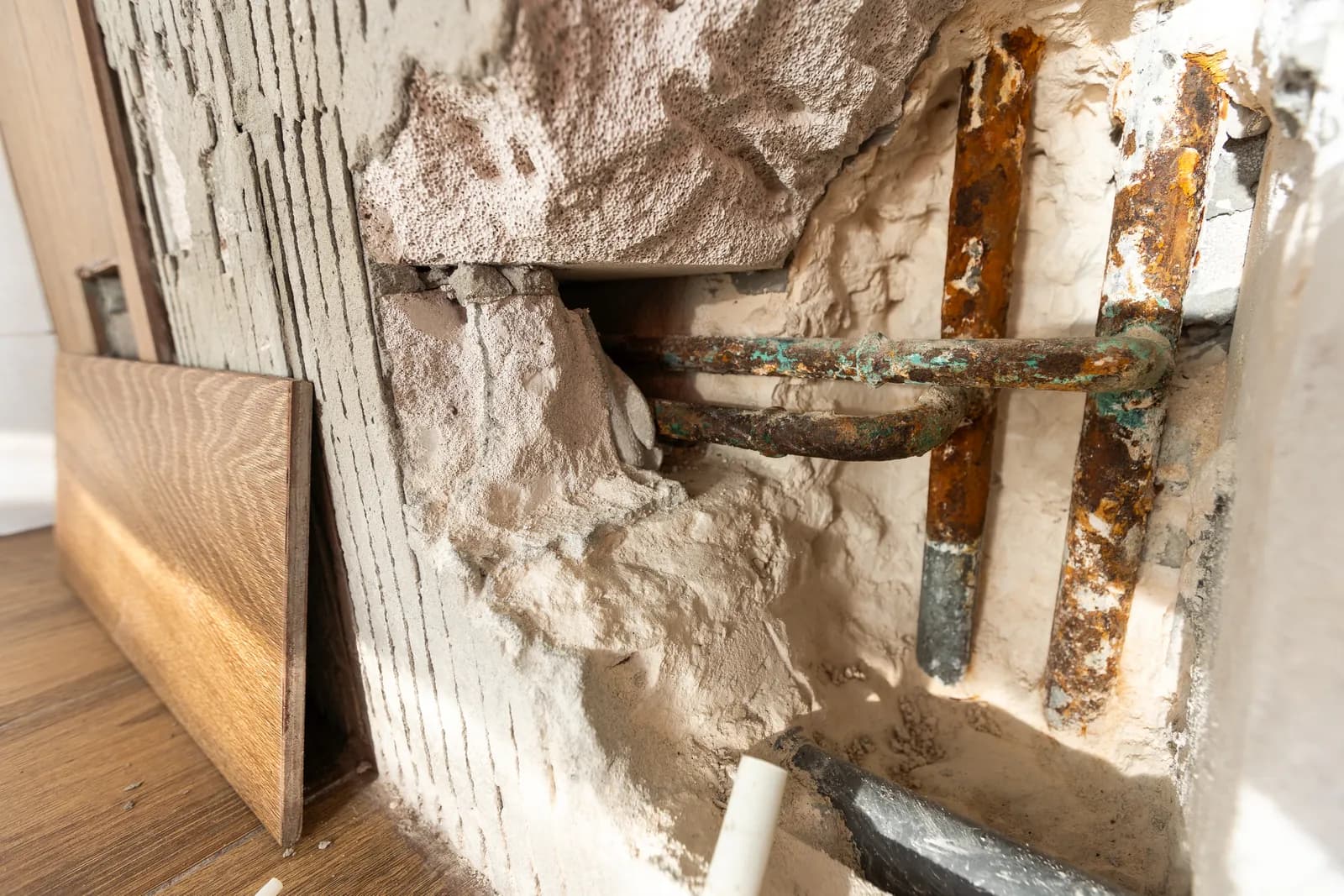
Burst pipes cause rapid water damage to floors, walls, and belongings. Learn the common causes, repair steps, and restoration process.
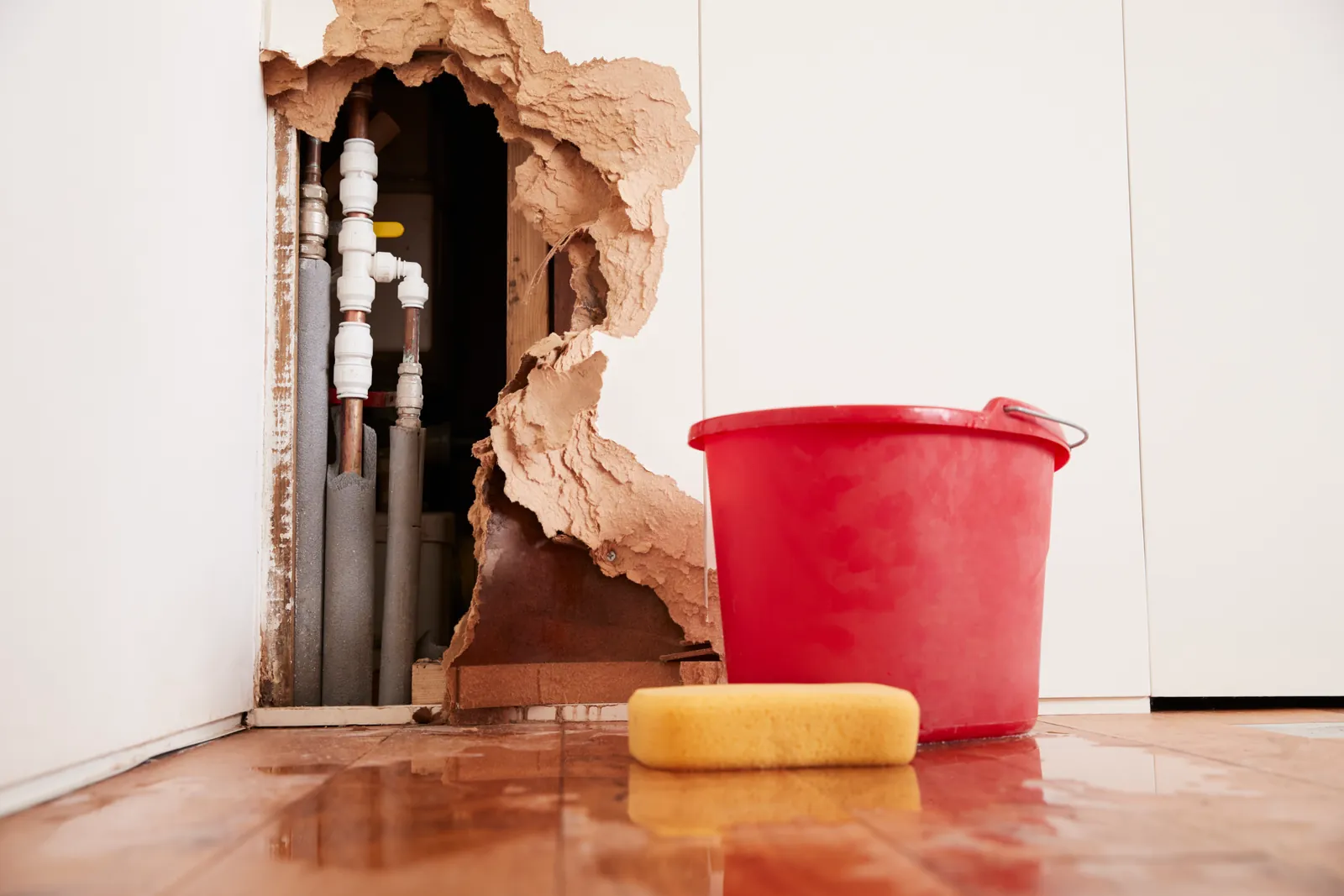
Explore the most common causes of water damage, from burst pipes to roof leaks and flooding, and how each affects homes and commercial properties.
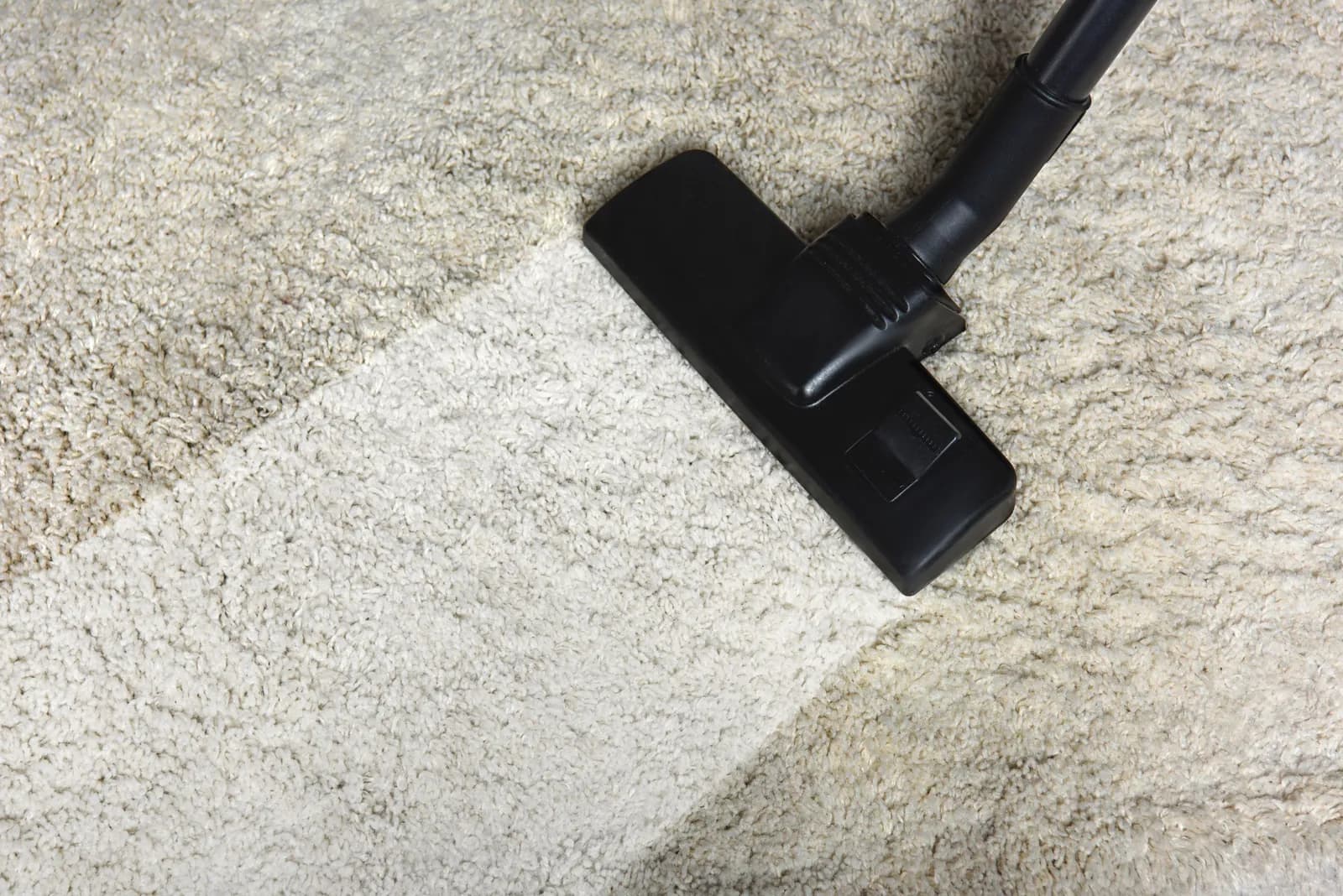
Carpet water damage stems from leaks, flooding, and appliance failures. Learn the common causes and how they affect carpet padding and fibers.
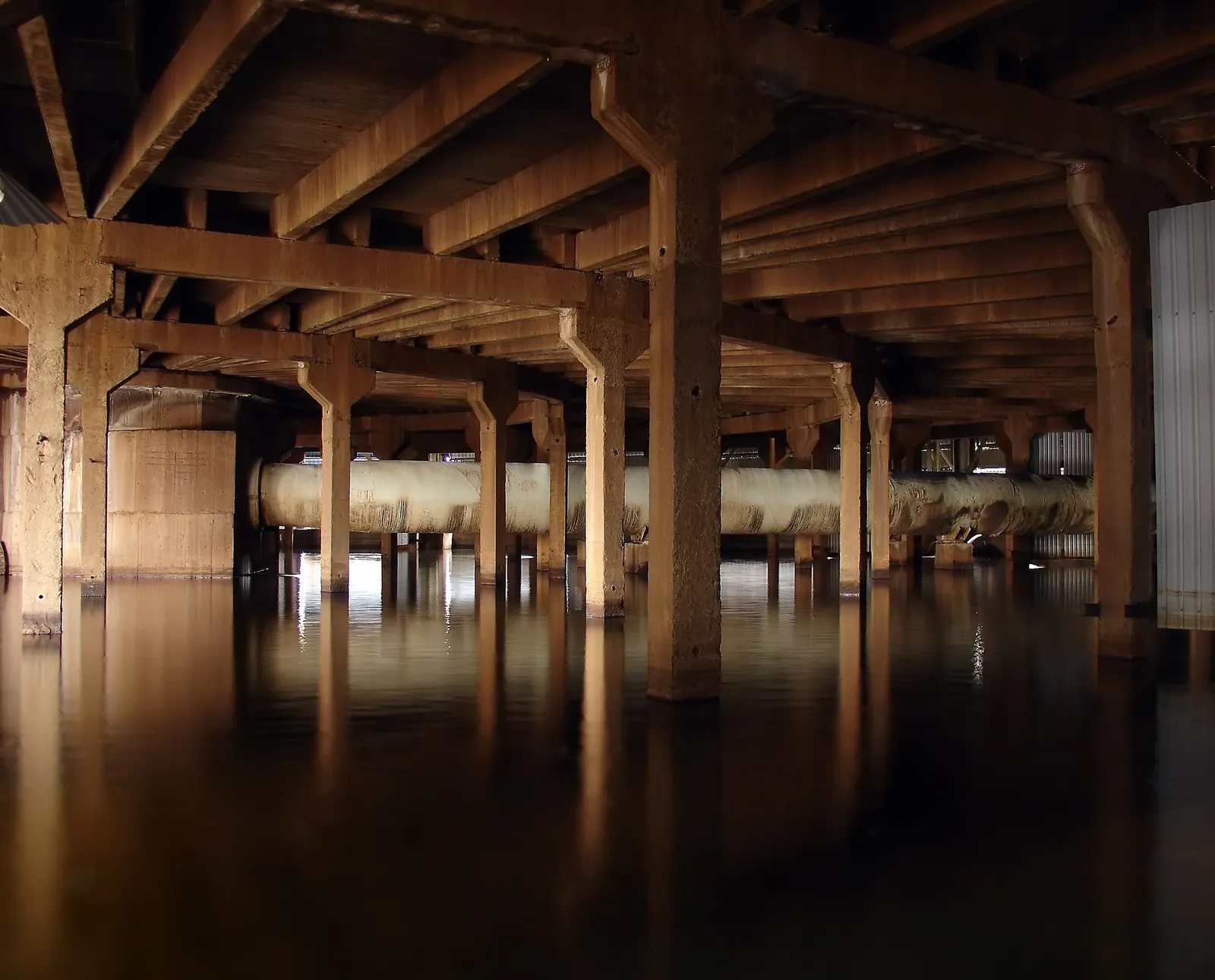
Crawl space water damage leads to mold, wood rot, and structural issues. Learn the signs, common causes, and repair steps.
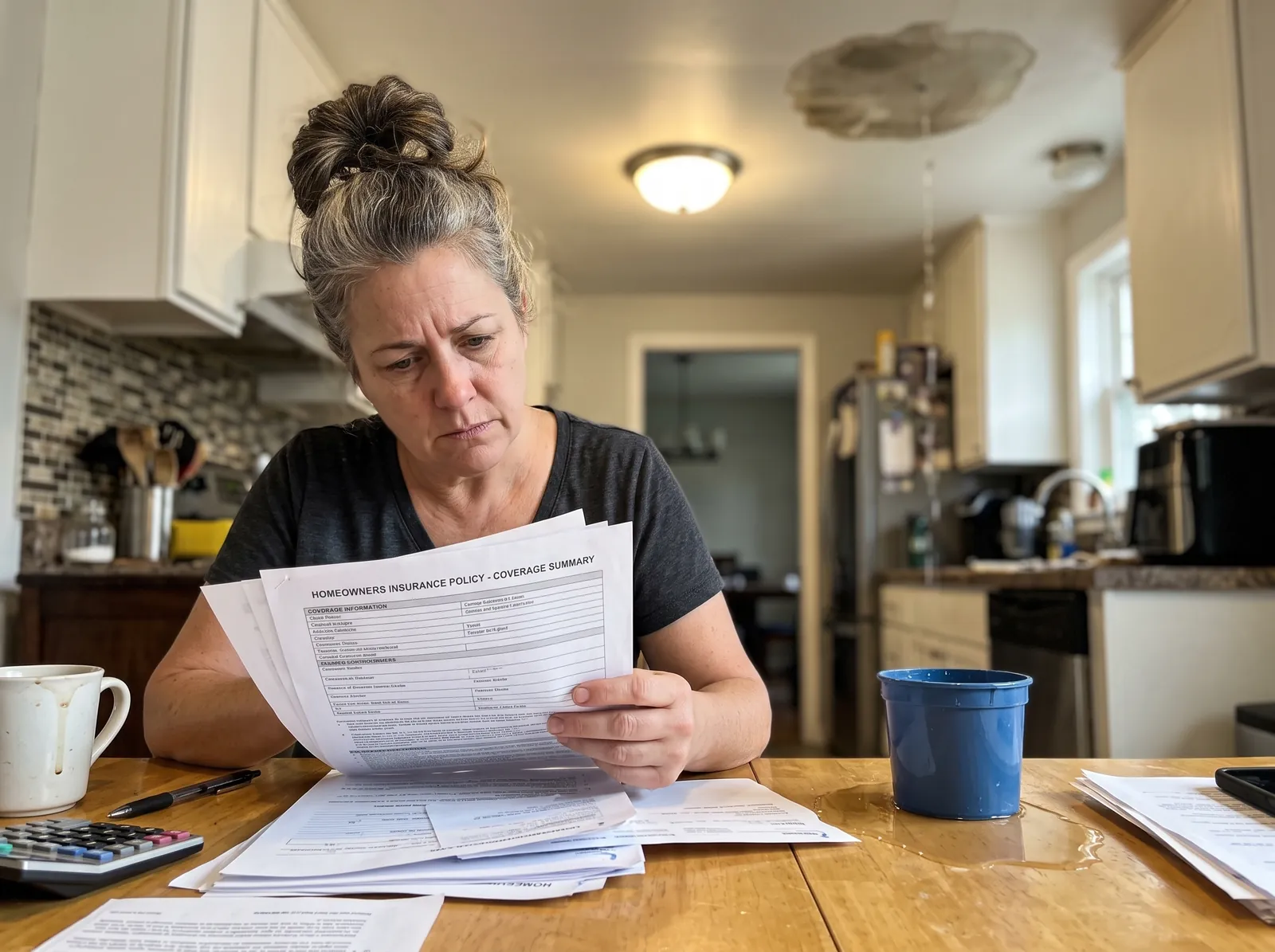
Homeowners insurance covers sudden water damage but excludes gradual leaks and flooding. Learn what's covered, excluded, and how claims work.

Water damage insurance covers sudden, accidental losses under specific conditions. Learn what's included and the average claim payout.
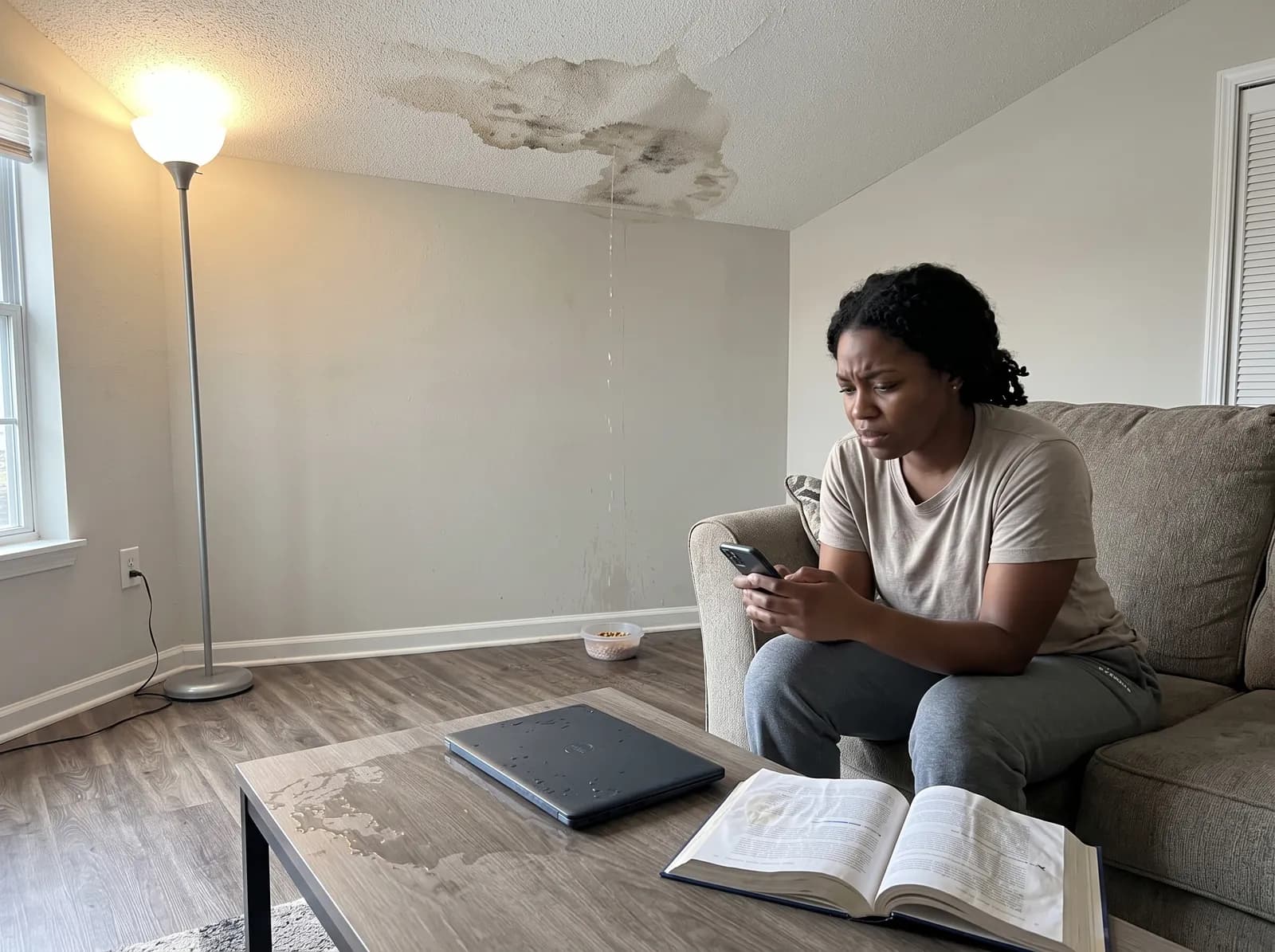
Renters insurance covers a tenant's belongings damaged by sudden water events. Learn what's covered, what's excluded, and how to file a claim.
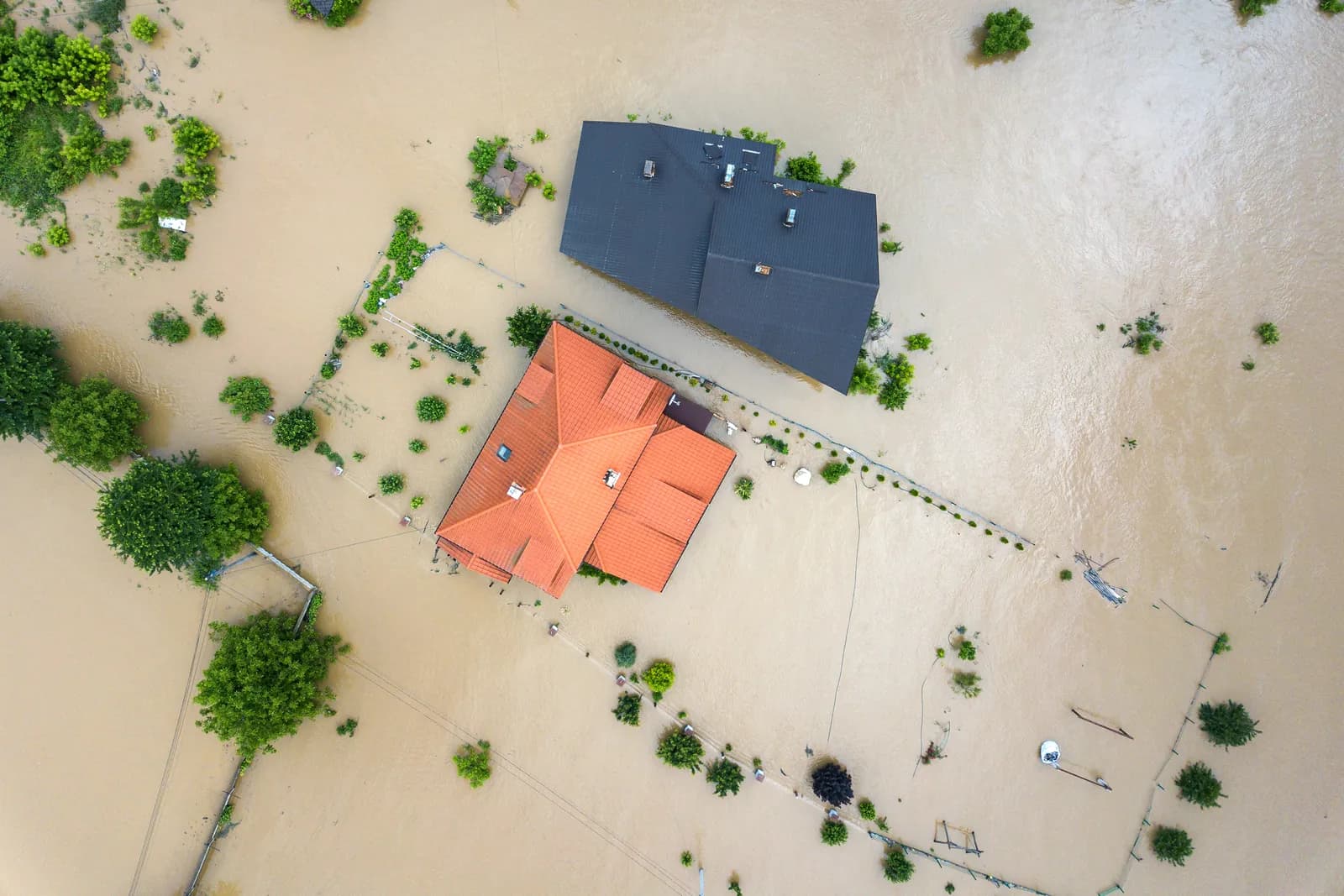
Flooding causes structural damage, contamination, and mold growth. Learn what causes flood damage, its effects, and how restoration works.
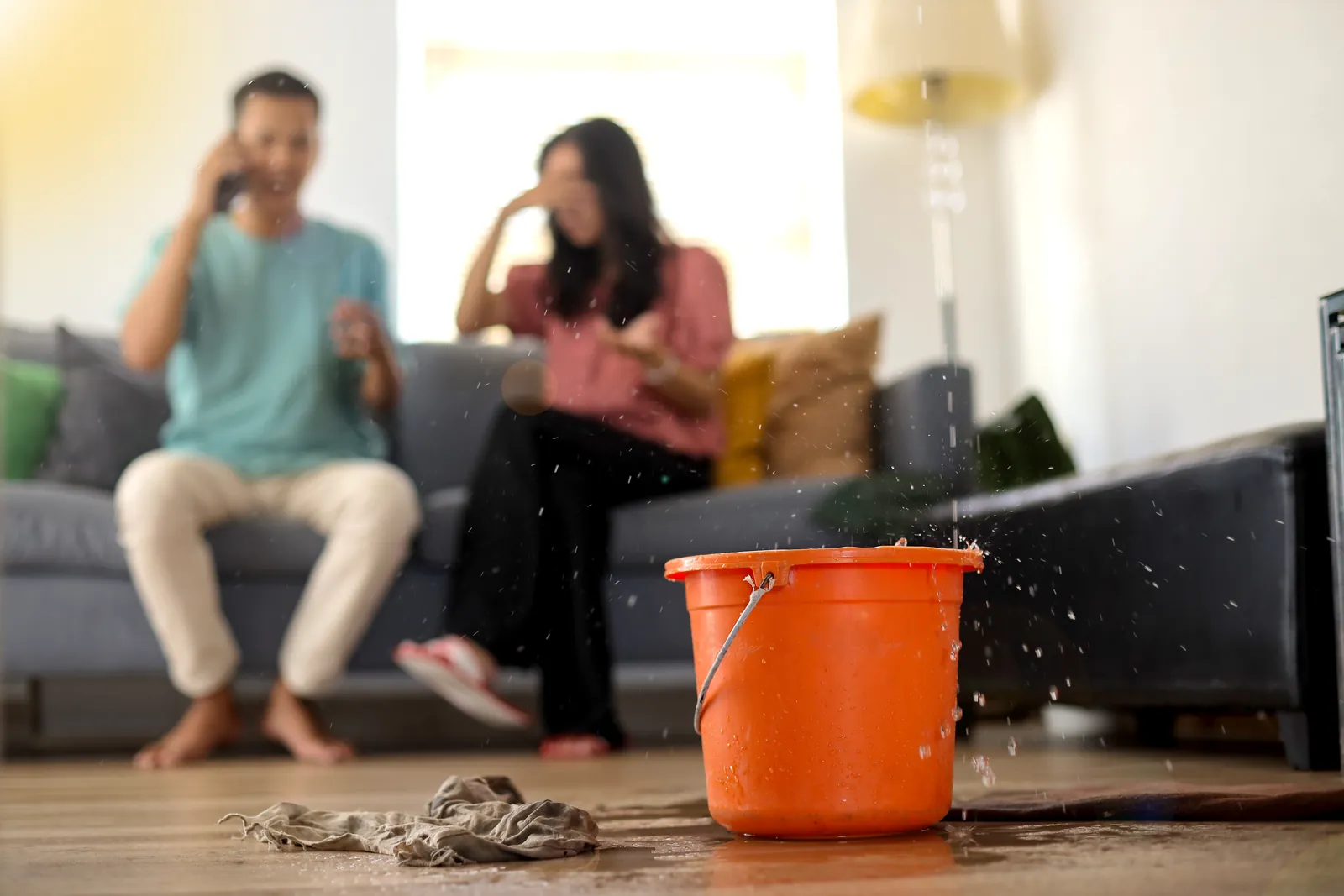
Roof leaks cause ceiling stains, insulation damage, and mold growth. Learn the warning signs, common causes, and repair steps.
Sewage backups expose homes to contaminated water and health risks. Learn the common causes, safety risks, and insurance coverage details.