
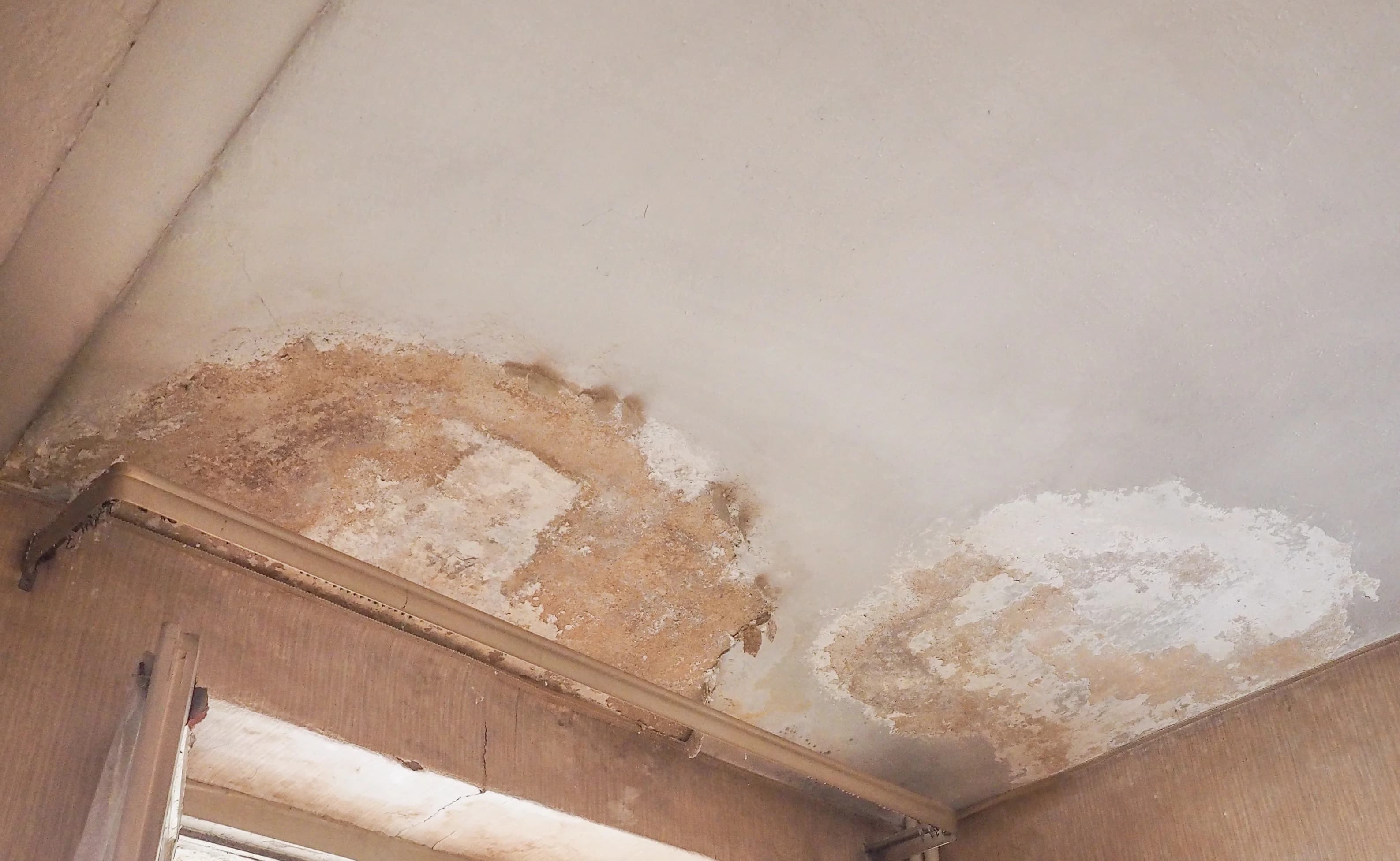
Water damage spreads within hours and worsens with every hour of delay. A response mistake during this window can raise repair costs, create mold conditions, weaken structural materials, and reduce an insurance payout. This guide lists the most common water damage restoration mistakes and explains how each one affects cost, health, and claim outcomes.
What Are The Most Common Mistakes to Avoid During Water Damage Restoration?
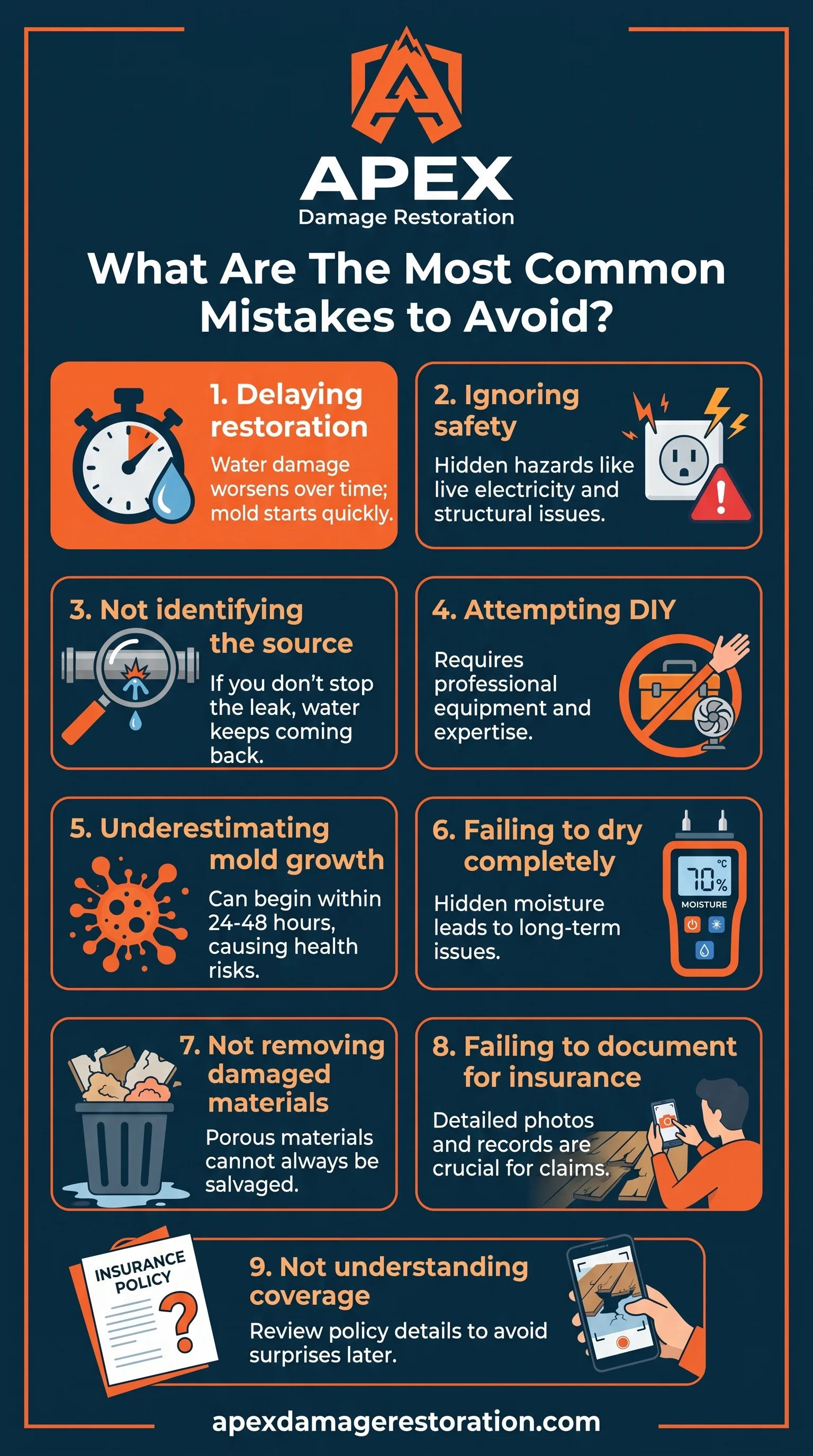
The following mistakes occur most often during water damage response, from the first hours after the event through the insurance claim process. Each mistake compounds the next: a delayed start allows more water to spread, undiagnosed sources cause repeat damage, and incomplete drying creates the conditions mold needs to establish.
Delaying the Start of Restoration
Delaying restoration allows water to spread into additional materials and increases the total damage. Water travels through flooring seams, wall cavities, and subfloor layers within the first few hours after a leak or flood. Drywall, insulation, and wood flooring absorb moisture on contact, and the absorbed moisture spreads laterally through the material even after the visible water is removed.
A delay of 24 to 48 hours allows saturation to reach adjacent rooms and increases the volume of material that requires replacement rather than drying. Restoration companies typically classify a delayed response as a contributing factor in claim disputes, since insurers may treat unmitigated damage as a policyholder responsibility.
Ignoring Safety Precautions
Ignoring safety precautions exposes occupants and workers to electrical, structural, and contamination hazards during water damage response. Standing water near electrical outlets, panels, or wiring creates a shock or electrocution risk, so the property's electricity requires shutoff at the breaker before anyone enters affected areas.
Water damage from flooding, sewage backup, or long-standing leaks may carry bacteria, mold spores, or chemical contaminants, which require protective equipment such as gloves, masks, and boots during cleanup. Saturated drywall, ceilings, and subflooring lose structural integrity and can collapse under weight, so occupants should avoid walking on saturated flooring or standing beneath sagging ceiling sections until a professional inspects the area.
Not Identifying the Source of the Water Damage
Not identifying the water source before starting restoration allows the same damage to recur after repairs are complete. Common sources include burst or leaking pipes, roof leaks, appliance malfunctions, foundation seepage, and sewage backups, and each source requires a different repair before drying begins.
A hidden leak inside a wall cavity or beneath flooring often shows no visible water on the surface, so signs such as musty odors, discoloration, peeling paint, or a rising utility bill may indicate moisture the eye cannot detect. Moisture meters and infrared cameras locate hidden moisture behind walls and under flooring, and restoration teams use this equipment to confirm the source before repair work begins. Repairing visible water damage without correcting the source results in repeat saturation and additional cost.
Attempting DIY Water Extraction and Restoration
Attempting DIY water extraction and restoration risks incomplete drying, unsafe conditions, and voided insurance coverage. Household wet vacuums and fans remove surface water but cannot extract moisture absorbed into subflooring, wall cavities, or insulation, which requires industrial extraction equipment and commercial dehumidifiers.
Consumer-grade moisture meters lack the sensitivity to confirm that a material has reached a safe moisture level, so a property can appear dry on the surface while retaining moisture that supports mold growth. Some insurance policies require documentation from a licensed restoration company to approve a claim, and DIY restoration without professional documentation can result in a denied or reduced payout. Category 2 (gray water) and Category 3 (black water) damage, which includes sewage backups and floodwater, require professional handling due to contamination risk.
Underestimating How Fast Mold Grows
Underestimating how fast mold grows leads to health risks and additional remediation costs. Mold spores germinate on wet organic materials, such as drywall, wood, and carpet padding, within 24 to 48 hours of sustained moisture exposure, according to the U.S. Environmental Protection Agency. Once established, mold colonies spread through wall cavities and HVAC systems, and mold exposure can trigger respiratory irritation, allergic reactions, and worsened asthma symptoms in occupants.
A restoration timeline that leaves materials wet past the 48-hour window increases the likelihood that mold remediation, rather than water damage repair alone, becomes necessary. Mold remediation requires containment, air filtration, and specialized removal procedures that add cost and time beyond standard water damage restoration.
Failing to Dry the Property Completely
Failing to dry the property completely leaves residual moisture inside materials that appear dry on the surface. Surface-level drying with fans or open windows removes visible moisture but does not lower the internal moisture content of drywall, subflooring, or framing to a safe range.
Restoration professionals use moisture meters to confirm that affected materials reach the dry standard for their material type before ending the drying process, a standard that commercial dehumidification equipment reaches faster than passive air drying. Residual moisture inside wall cavities or beneath flooring creates conditions for mold growth and material decay even when the property appears visually restored. Confirming dryness with equipment, rather than visual inspection, prevents this outcome.
Not Removing Water-Damaged Materials
Not removing water-damaged materials allows contaminated or structurally compromised components to remain in the property after restoration. Porous materials such as drywall, carpet padding, and insulation absorb water and often cannot return to a safe condition through drying alone, particularly after exposure to gray water or black water. Saturated drywall loses its structural bonding and swells, which prevents it from returning to its original shape even after full drying.
Materials that contacted contaminated water require removal and replacement rather than cleaning, since contamination embeds in the material's fibers and drying does not eliminate it. Restoration teams typically remove baseboards, sections of drywall, and flooring within the affected area to access and dry the wall cavity and subfloor beneath.
Failing to Document the Damage for Insurance
Failing to document the damage for insurance reduces the evidence available to support a claim and can lower the settlement amount. Photographs and video of the damage, taken before any cleanup or repair begins, establish the extent and cause of the loss for the insurance adjuster. Documentation should include wide shots of each affected room, close-up images of damaged materials and belongings, and, when identifiable, the source of the water.
A written inventory of damaged personal property, including approximate purchase dates and values, supports the contents portion of a claim. Restoration companies typically provide their own damage assessment and moisture readings as supporting documentation, which policyholders should request and retain alongside their own records.
Not Understanding Your Insurance Coverage
Not understanding your insurance coverage before restoration begins can result in unexpected out-of-pocket costs. Standard homeowners insurance policies typically cover sudden and accidental water damage, such as a burst pipe, but exclude damage from flooding, which requires separate flood insurance. Gradual damage from long-term leaks or lack of maintenance is commonly excluded under standard policies, since insurers classify this damage as a maintenance issue rather than a covered loss.
Policies vary in their coverage limits for mold remediation, additional living expenses during repairs, and contents replacement, so confirming these limits with the insurer before restoration begins clarifies which costs the policyholder will bear directly. Reviewing the policy's water damage exclusions and requesting a claims adjuster's assessment early in the process reduces the risk of a denied or partially covered claim.
How to Choose a Water Damage Restoration Company?
Selecting a qualified restoration company affects both the quality of the repair and the outcome of an insurance claim. Verified licensing, IICRC certification, documented insurance experience, and response-time guarantees are among the criteria that distinguish a qualified provider from an unqualified one.
What to Do Immediately After Water Damage?
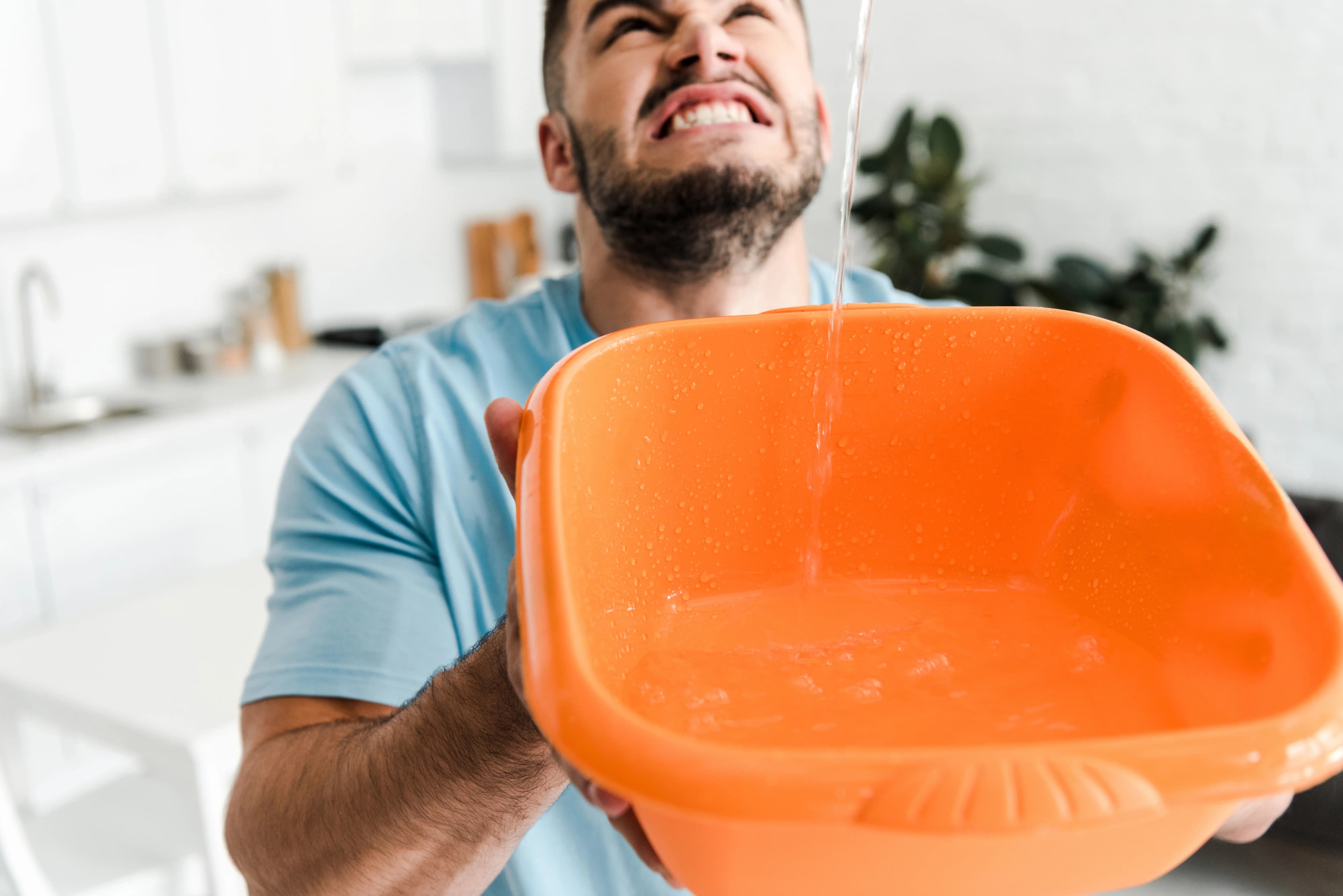
The actions taken in the first 24 hours after water damage determine how much of the loss can be mitigated before mold and structural damage set in. Shutting off the water source, ensuring electrical safety, documenting the damage, and contacting a restoration company are among the priority steps during this window.
Need Emergency Restoration Help Today?
Call Apex Damage Restoration now for fast priority dispatch across Aurora, CO, a written estimate before work begins, and direct insurance claims assistance.