
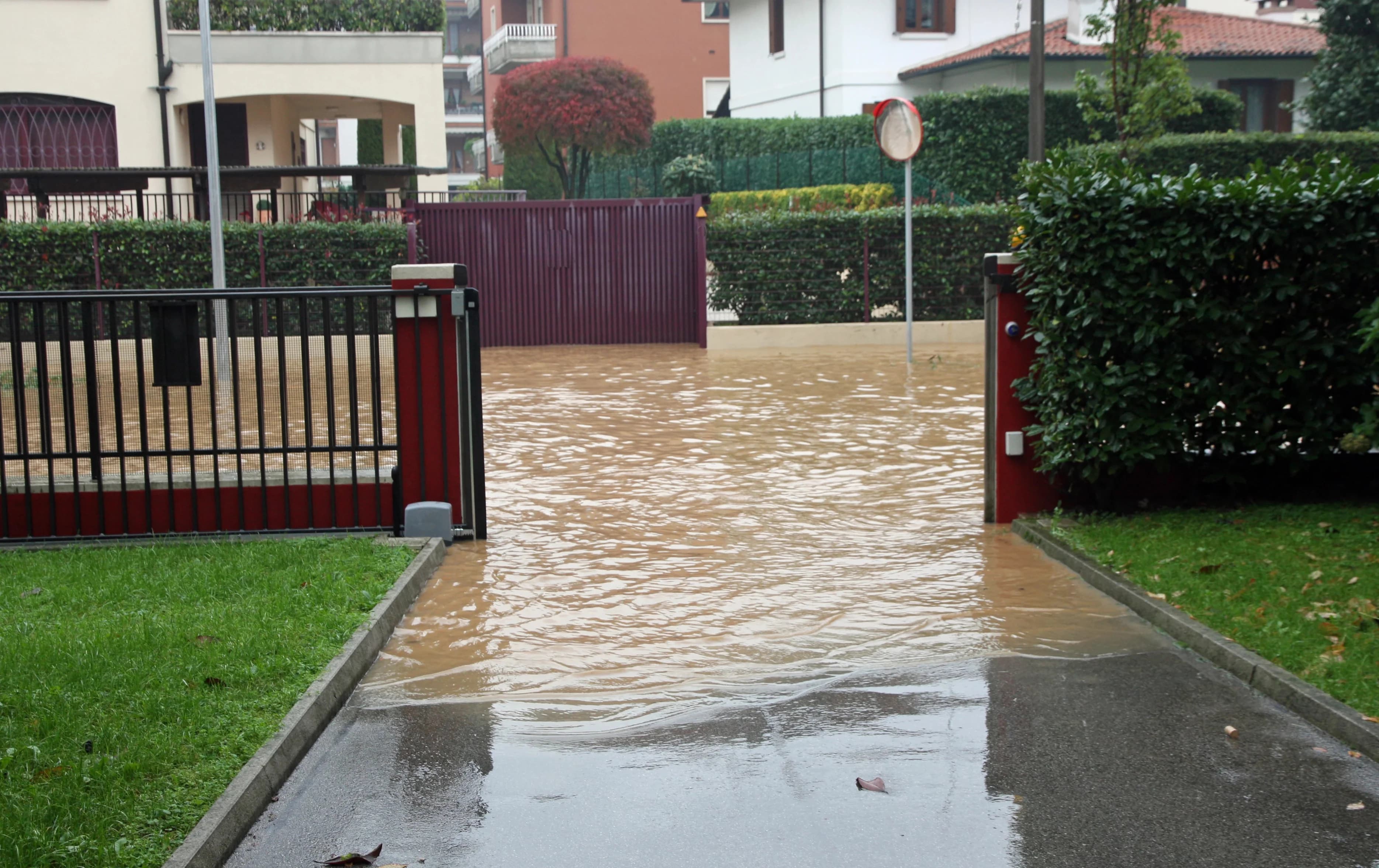
Category 3 water damage refers to water contaminated with sewage, floodwater, or other biohazardous material, classified by the IICRC S500 standard as "black water." This water contains pathogens, toxins, and other substances that pose a health risk on contact. It is the most severe of the three water damage categories, ranking above Category 1 (clean water) and Category 2 (grey water) in both contamination level and required remediation response.
What Are The Common Sources of Category 3 Water Damage?
Category 3 water damage originates from a limited set of sources such as sewage backups, flooding from rivers or stormwater, standing water that has escalated from Category 1 or 2, and groundwater seepage with contaminants, each carrying contamination for a different reason.
Sewage Backups
A sewage backup occurs when wastewater from toilets, drains, or sewer lines reverses flow into a home instead of exiting through the plumbing system. This water is automatically classified as Category 3 regardless of visible volume, because it carries bacteria, viruses, and waste byproducts by definition.
Flooding from Rivers or Storm Water
External floodwater from rivers, storm surge, or heavy rainfall runoff is classified as Category 3 because it picks up agricultural chemicals, debris, and bacteria as it travels across land. Unlike water from an internal plumbing failure, floodwater has no controlled origin point, which makes its contamination level unpredictable.
Standing Water That Has Escalated from Category 1 or 2
A burst pipe starts as Category 1 water, but standing water left unaddressed for more than 48 hours degrades into Category 3 as bacterial growth accelerates. The same escalation applies to Category 2 sources, such as appliance overflow, that sit untreated past the same window. This time-based shift is why an initially clean water event can require black-water remediation protocols if response is delayed.
Groundwater Seepage with Contaminants
Groundwater entering a basement or crawl space can carry soil-based contaminants, agricultural chemicals, or septic runoff, which shifts the intrusion into Category 3 This differs from typical hydrostatic pressure seepage, which is often Category 2 unless contamination is confirmed.
Health Risks of Category 3 (Black) Water
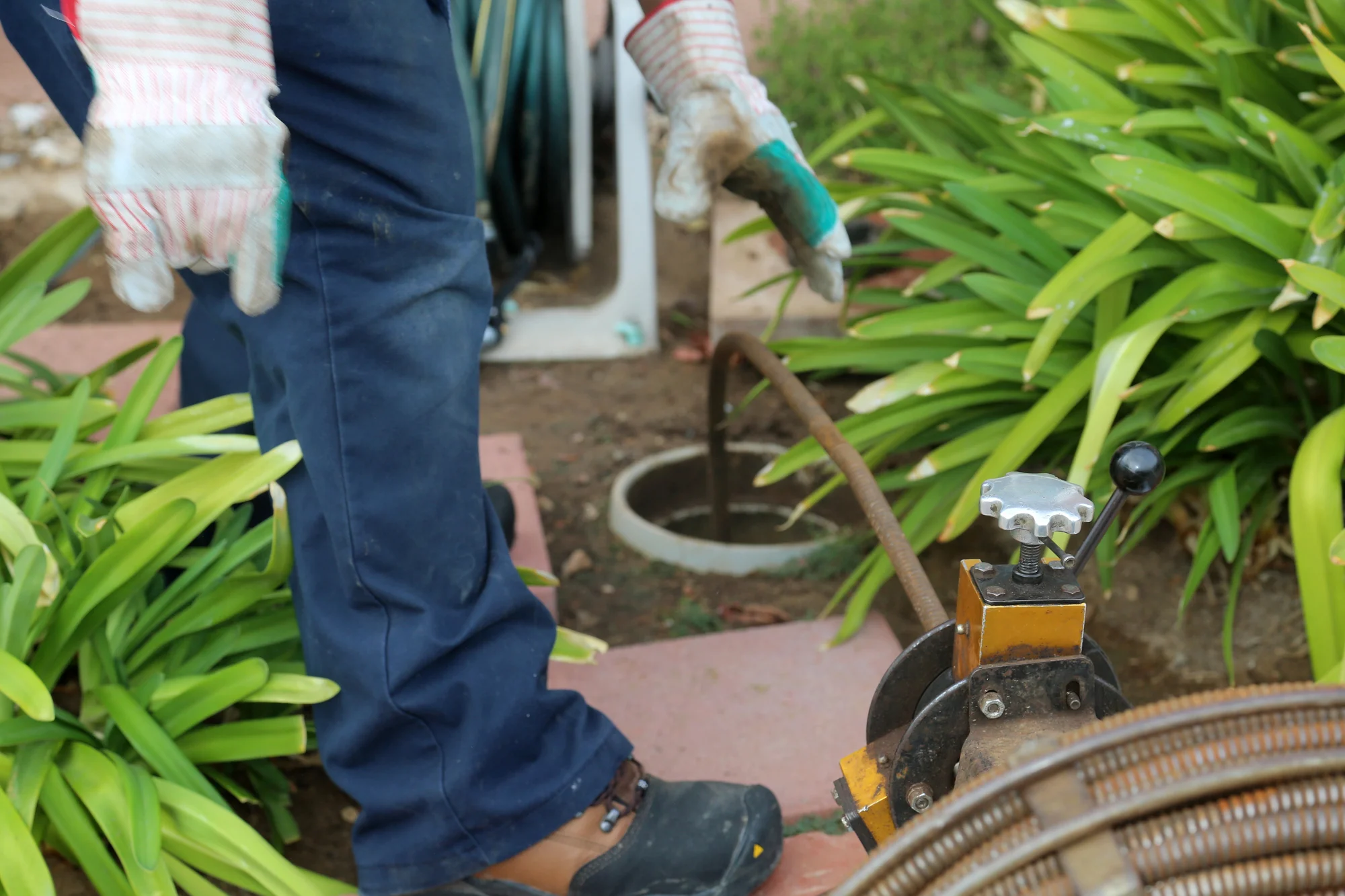
Category 3 water contains dangerous bacteria, viruses, parasites, and chemical contaminants from sewage or floodwater sources. Contact, ingestion, or inhalation near this water can cause gastrointestinal illness, skin infections, and respiratory irritation.
Pathogen Risks
- Bacteria: Carries organisms such as E. coli and Salmonella, which cause vomiting and diarrhea on contact or ingestion.
- Viruses: Sewage-contaminated water can spread viral pathogens linked to gastrointestinal and systemic illness.
- Parasites: Organisms such as Giardia can survive in standing black water and cause prolonged digestive illness after exposure.
Physical Health Effects
- Stomach illness: Accidental ingestion causes nausea, cramping, and dehydration.
- Skin irritation: Contact with open cuts or sensitive skin can lead to rashes, dermatitis, or infection.
- Respiratory irritation: Breathing in mist or mold spores from standing black water can trigger coughing or aggravate asthma.
Why Category 3 Water Requires Professional Cleanup?
These health risks are the reason Category 3 water damage is not a DIY remediation project. Professional water damage cleanup requires equipment, containment methods, and disposal decisions that go beyond standard household cleaning.
Specialized PPE and Containment Requirements
Restoration technicians use respirators, protective suits, and gloves rated for biohazard exposure when handling Category 3 water. Negative air containment is set up to prevent contaminated air and particles from spreading to unaffected areas of the property. These measures protect both the technician and the rest of the structure during extraction and cleanup.
Why Household Cleaning Products Aren't Enough
Consumer disinfectants are not rated for the pathogen loads present in black water and will not neutralize the contamination. Category 3 cleanup requires EPA-registered antimicrobial products specifically formulated for sewage-level bacterial and viral loads. This gap between what a household typically stocks and what the situation requires is a primary reason self-cleanup fails to eliminate the actual health hazard.
Disposal of Unsalvageable Porous Materials
Carpet, carpet padding, drywall, and insulation exposed to Category 3 water typically cannot be sanitized and must be removed and discarded. Porous materials absorb contaminants below the surface, where disinfectants cannot fully reach. Identifying which materials fall into this category is a decision point that determines both remediation scope and cost before cleanup begins.
What Is The Process Of Category 3 Water Damage Restoration?
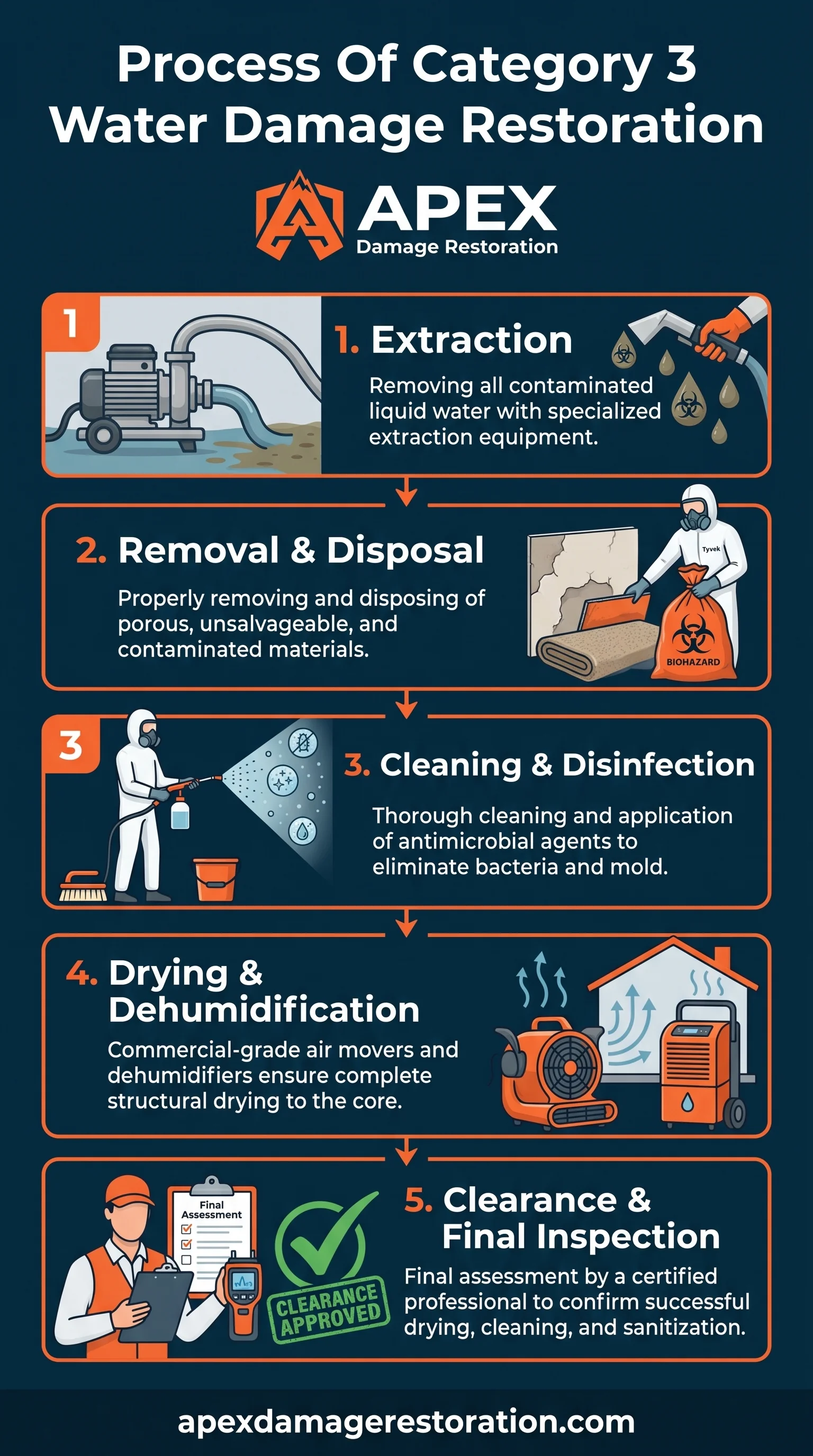
Once professional cleanup requirements are understood, the restoration process follows a defined sequence:
- Extraction: Contaminated water is removed from the property using pumps and extraction equipment.
- Removal and disposal: Unsalvageable porous materials are removed and discarded following biohazard disposal protocols.
- Cleaning and disinfection: Remaining surfaces are treated with EPA-registered antimicrobials to eliminate bacterial and viral contamination.
- Drying and dehumidification: Industrial air movers and dehumidifiers dry the structure, with moisture meters verifying that materials reach acceptable moisture levels.
- Clearance and final inspection: A final inspection confirms contamination has been addressed and moisture levels meet drying standards before the area is cleared for reoccupancy.
Is Category 3 Water Damage Covered by Insurance?
Coverage depends on the cause of the water, not the category itself. Insurers evaluate claims based on whether the loss was sudden and accidental versus gradual, regardless of how the water is classified under IICRC S500. A sudden sewage backup is often covered only when the policy includes a specific sewer backup rider or endorsement, since standard homeowners policies frequently exclude this cause by default. Flood-sourced Category 3 water typically requires separate flood insurance, as standard homeowners policies generally exclude flood damage entirely. Supporting a claim requires documentation such as:
- Photos of the affected area taken before cleanup begins
- A category classification report from the restoration company
- Records of the water source and timeline of discovery
Need Emergency Restoration Help Today?
Call Apex Damage Restoration now for fast priority dispatch across Aurora, CO, a written estimate before work begins, and direct insurance claims assistance.