
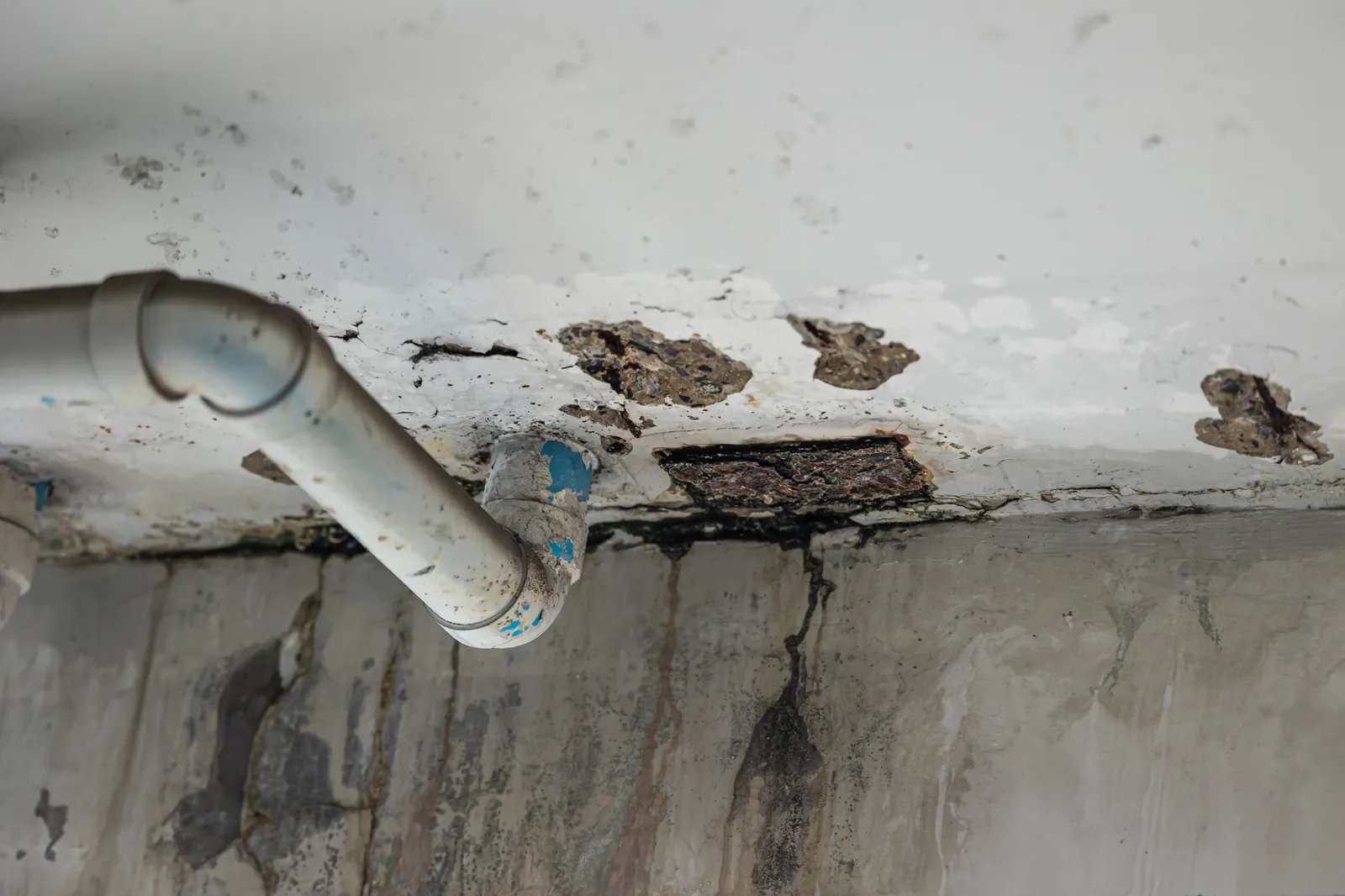
Water damage restoration is the process of removing excess water from a structure, drying and disinfecting affected materials, and repairing or rebuilding damaged areas after a flood, leak, or plumbing failure. The process returns a residential or commercial property to its pre-loss condition and prevents secondary damage such as mold growth, wood rot, and structural weakening.
Water damage restoration follows a defined sequence: emergency water extraction, structural drying, cleaning and sanitization, and final repairs. Licensed restoration companies use moisture meters, industrial dehumidifiers, and antimicrobial treatments to complete each stage. The full process can range from a few days for minor leaks to several weeks for large-scale flooding that requires structural rebuilding.
What Are the Three Basic Categories of Water Damage?
The IICRC (Institute of Inspection, Cleaning and Restoration Certification) classifies water damage into three categories: clean water, gray water, and black water. Clean water originates from a sanitary source, such as a supply line break, and carries no immediate health risk. Gray water contains contaminants from sources such as dishwashers and washing machines and requires proper handling.
Blackwater comes from sewage backups or floodwater and carries pathogens that require full containment and disposal protocols. Water damage category classification determines the safety equipment, drying methods, and disposal procedures used during restoration.
Category 1 (Clean Water)
Category 1 water damage originates from a sanitary source and poses no immediate health risk. Clean water sources include supply line breaks, malfunctioning appliances, and overflowing sinks or tubs. Restoration crews can typically dry and salvage materials affected by Category 1 water without disposal, provided drying begins promptly. Clean water can degrade into Category 2 or Category 3 water if it remains in contact with building materials for an extended period.
Category 2 (Gray Water)
Category 2 water damage contains a significant level of contamination that can cause illness if ingested or contacted. Gray water sources include washing machine discharge, dishwasher overflow, and toilet bowl overflow without solid waste. Restoration of gray water damage requires personal protective equipment and antimicrobial treatment of affected surfaces. Porous materials such as carpet padding and drywall often require removal rather than drying.
Category 3 (Black Water)
Category 3 water damage is grossly contaminated water that contains pathogens, chemicals, or sewage. Black water sources include sewage backups, flooding from rivers or storm surge, and standing water that has supported microbial growth. Restoration crews remove and dispose of all porous materials exposed to Category 3 water and apply full sanitization protocols before rebuilding.
What a Water Damage Restoration Service Includes?
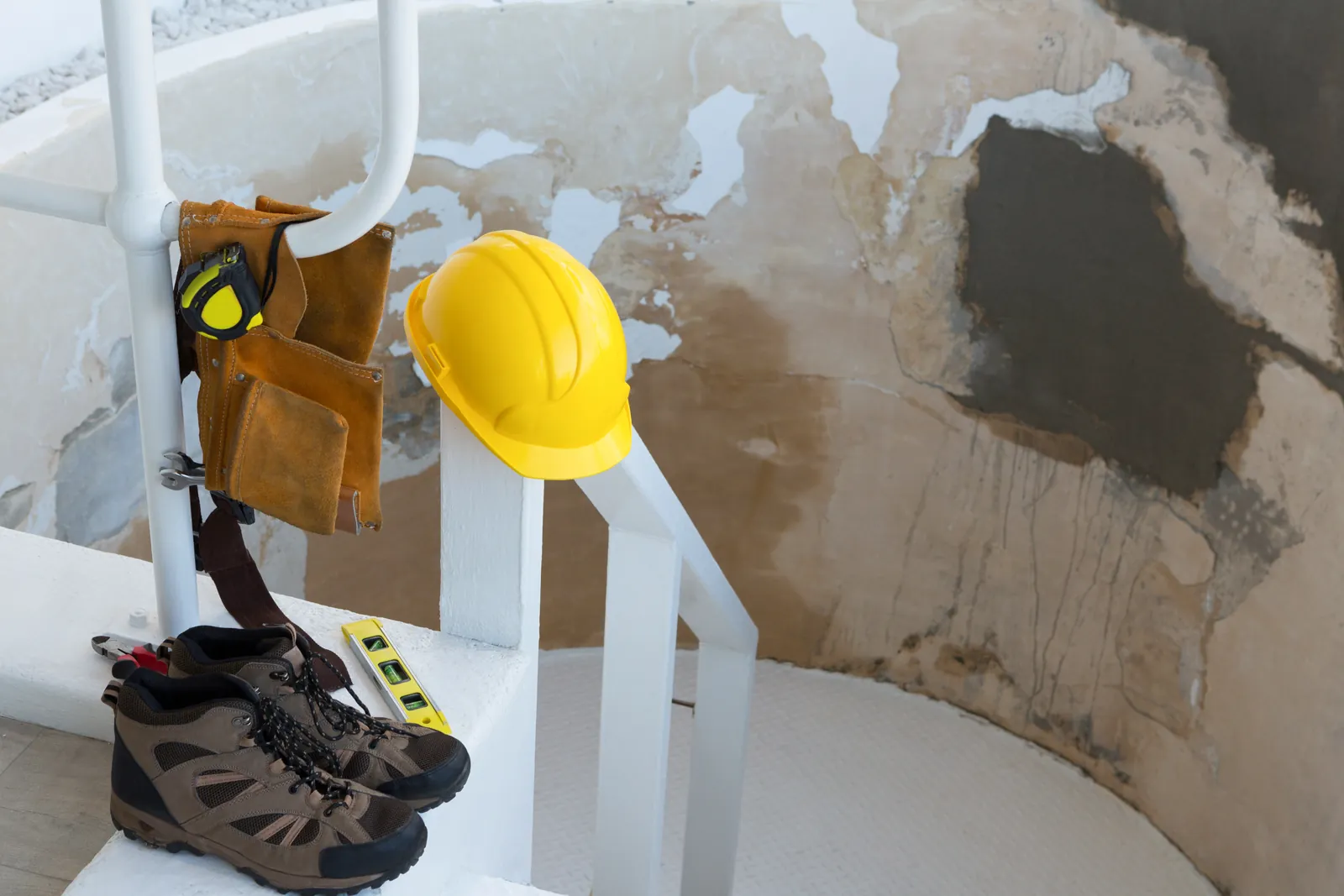
Water damage restoration service includes emergency assessment, water extraction, structural drying, sanitization, and repair of damaged materials. Technicians use pumps and wet vacuums for extraction, then position air movers and dehumidifiers to dry framing, subfloors, and drywall to pre-loss moisture levels.
Sanitization applies antimicrobial treatments to prevent mold growth in affected areas. Restoration companies coordinate these stages to stop active water intrusion, remove structural moisture, and rebuild damaged areas to their original condition.
Emergency Response and Assessment
Emergency response begins with a technician inspecting the property to identify the water source, contamination category, and extent of structural exposure. The technician uses moisture meters and infrared cameras to locate water behind walls, under flooring, and within insulation. This assessment determines the equipment and labor required for the remaining stages of restoration.
Water Extraction and Mitigation
Water extraction removes standing water from floors, carpets, and other surfaces using submersible pumps and truck-mounted or portable extraction units. Mitigation work during this stage includes removing waterlogged materials that cannot be dried, such as saturated carpet padding or swollen baseboards, to limit further damage to the structure.
Drying and Dehumidification
Drying and dehumidification remove residual moisture from building materials using air movers, dehumidifiers, and moisture monitoring equipment. Technicians position air movers to circulate air across wet surfaces and set dehumidifiers to lower ambient humidity, which accelerates evaporation from framing, subflooring, and drywall. Crews monitor moisture content daily and continue drying until materials return to a normal moisture range.
Cleaning and Sanitization & Mold Control
Cleaning and sanitization eliminate bacteria, mold spores, and odors from surfaces affected by water intrusion. Technicians apply EPA-registered antimicrobial and antifungal treatments to framing, subflooring, and other exposed materials. Mold control measures include containment barriers and negative air pressure equipment when visible mold growth or elevated moisture levels create a risk of mold colonization.
Repairs and Restoration
Repairs and restoration rebuild the structural and cosmetic elements removed or damaged during the water event. This stage may include replacing drywall, flooring, insulation, and trim, along with repainting and reinstalling fixtures. Restoration concludes when the property matches its condition before the water damage occurred.
How Does Water Damage Restoration Work?
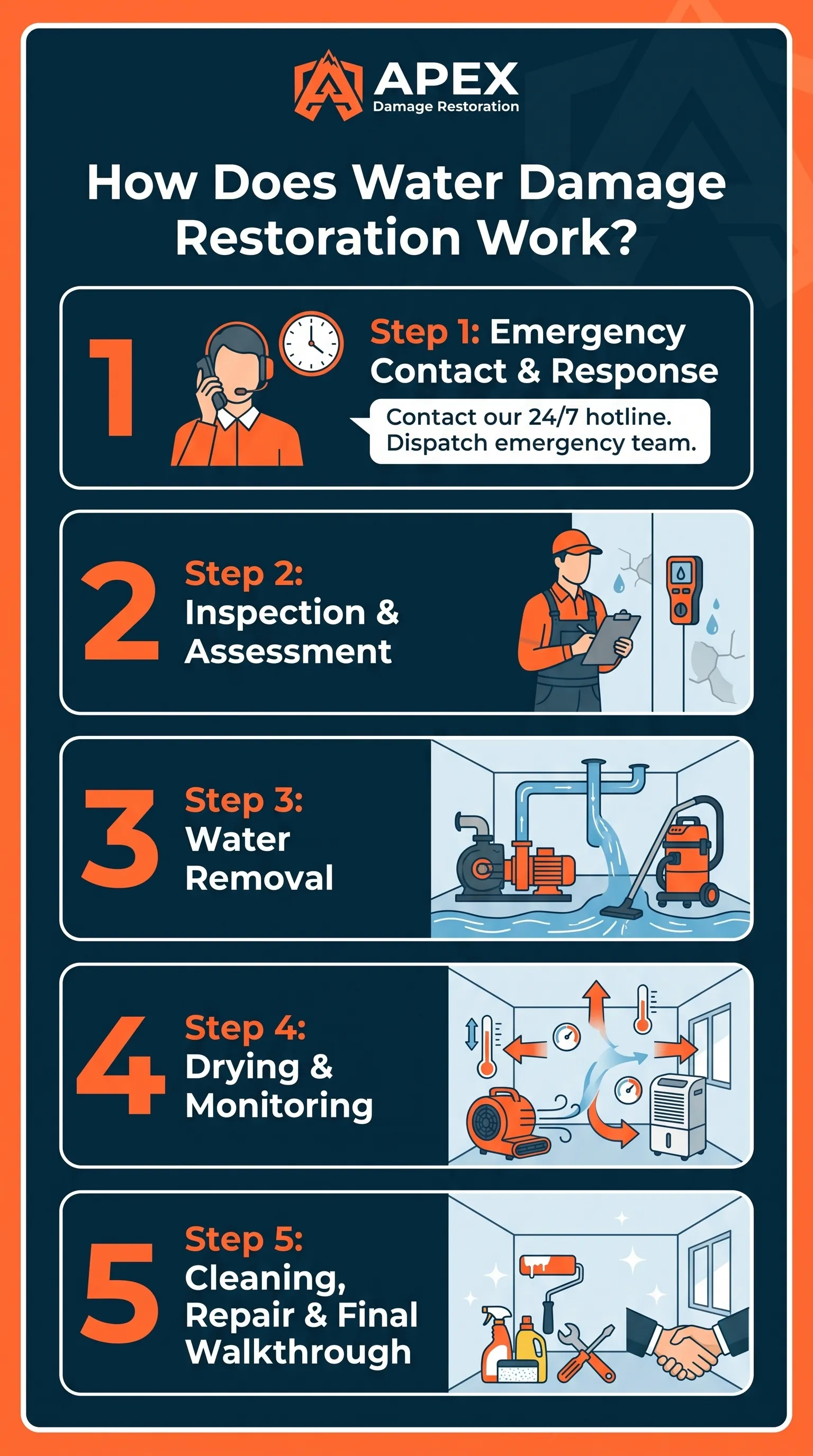
Water damage restoration follows five stages: emergency contact, inspection and assessment, water extraction, structural drying and sanitization, and repair. Restoration companies begin with a phone assessment to dispatch a crew, then inspect the property to identify the water category and affected materials.
Extraction removes standing water before drying equipment addresses moisture trapped in structural components. Repair work restores damaged drywall, flooring, and finishes once moisture levels return to normal. Companies apply this sequence to residential and commercial properties, scaling equipment and labor to the size of the affected area.
Step 1 – Emergency Contact and Response
The restoration process begins when a property owner contacts a restoration company to report active water damage. Most restoration companies dispatch a technician within one to two hours of the initial call to limit the spread of water and reduce secondary damage.
Step 2 – Inspection and Assessment
The technician inspects the property to identify the water source, classify the contamination category, and document the extent of the damage with photographs and moisture readings. This inspection determines the scope of work and forms the basis of the restoration estimate.
Step 3 – Water Removal
Restoration crews extract standing water using pumps and extraction equipment, then remove materials that cannot be salvaged. Water removal typically begins within the same visit as the inspection to limit moisture absorption into structural materials.
Step 4 – Drying and Monitoring
Technicians install air movers and dehumidifiers throughout the affected area and monitor moisture levels in building materials over several days. Drying continues until moisture readings in framing, subflooring, and drywall return to an acceptable range for the material type.
Step 5 – Cleaning, Repair, and Final Walkthrough
Crews sanitize affected surfaces, complete structural and cosmetic repairs, and conduct a final walkthrough with the property owner to confirm the work meets restoration standards. The final walkthrough documents completed repairs and closes the restoration project.
What Are The Two Types of Water Damage Restoration?
Water damage restoration divides into two primary types: residential and commercial. Residential restoration addresses single-family homes, condos, and apartments, focusing on living space drying and personal property protection.
Commercial restoration covers larger structures such as offices, retail spaces, and warehouses, requiring industrial-grade extraction and drying equipment and coordination around business operating hours. Commercial projects also involve stricter building code and occupancy requirements than residential jobs.
Residential Water Damage Restoration
Residential water damage restoration addresses water intrusion in single-family homes, condominiums, and apartment units. Common residential incidents include burst pipes, appliance leaks, and roof leaks. Restoration crews typically complete residential projects with smaller equipment loads and shorter timelines than commercial projects, since the affected square footage is generally limited to individual rooms or floors.
Commercial Water Damage Restoration
Commercial water damage restoration addresses water intrusion in office buildings, retail spaces, warehouses, and multi-tenant properties. Commercial restoration projects require coordination with facility managers, compliance with commercial building codes, and equipment scaled to larger square footage, such as industrial-grade dehumidifiers and multiple extraction units operating simultaneously. Business interruption and tenant safety considerations also influence the pace and sequencing of commercial restoration work.
What Are The Common Causes of Water Damage?
Water damage results from five common sources, both inside and outside a structure: burst pipes, flooding, appliance leaks, roof leaks, and sewage backups. Restoration companies identify the cause during initial inspection to determine the water category and prevent recurrence.
- Burst pipes: Frozen, corroded, or pressurized pipes rupture and release water directly into walls, ceilings, or floors.
- Flooding: Storm surge, heavy rainfall, or overflowing rivers introduce large volumes of contaminated water into a structure.
- Appliance leaks: Washing machines, dishwashers, water heaters, and refrigerators leak from worn hoses, seals, or supply lines.
- Roof leaks: Damaged shingles, flashing, or gutters allow water to penetrate the roof deck and attic space.
- Sewage backup: Blocked or overwhelmed sewer lines force contaminated water back into drains, toilets, and floor fixtures.
How Much Does Water Damage Restoration Cost?
The average water damage restoration cost starts from $3,867, with most cleanups and repairs falling between $1,384 and $6,384. Water damage restoration cost depends primarily on the water damage category, the affected square footage, and the extent of structural repairs required. Minor Category 1 water damage in a single room typically costs less to restore than a large-scale Category 3 event affecting multiple rooms or floors. A full breakdown covers pricing by project size and region.
Average Cost by Damage Category
Water damage restoration typically costs between $3.75 and $12.00 per square foot, with the price increasing by contamination category. Higher categories require more protective equipment, material disposal, and sanitization work, which raises labor and material costs above lower categories of comparable size. These figures are general industry estimates; actual quotes vary by contractor, region, and project scope.
- Category 1 (Clean Water): $3.75–$7.50 per square foot. Restoration involves extraction and drying with limited material replacement.
- Category 2 (Gray Water): $4.50–$9.00 per square foot. Restoration adds antimicrobial treatment and removal of porous materials such as carpet padding.
- Category 3 (Black Water): $7.00–$12.00 per square foot. Restoration requires full removal of affected porous materials, extensive sanitization, and reconstruction.
Factors That Affect Restoration Cost
Several factors influence the final cost of a water damage restoration project.
- Affected square footage: A larger affected area requires more extraction, drying equipment, and labor hours.
- Water category: Higher contamination categories increase disposal, sanitization, and personal protective equipment costs.
- Duration of water exposure: Water left standing for an extended period increases material damage and the scope of required repairs.
- Material type: Hardwood flooring, drywall, and insulation carry different replacement and drying costs.
- Mold presence: Visible mold growth adds containment, remediation, and air quality testing to the project scope.
- Accessibility: Restricted access to crawl spaces, basements, or upper floors can increase labor time and equipment requirements.
How Long Does Water Damage Restoration Take?
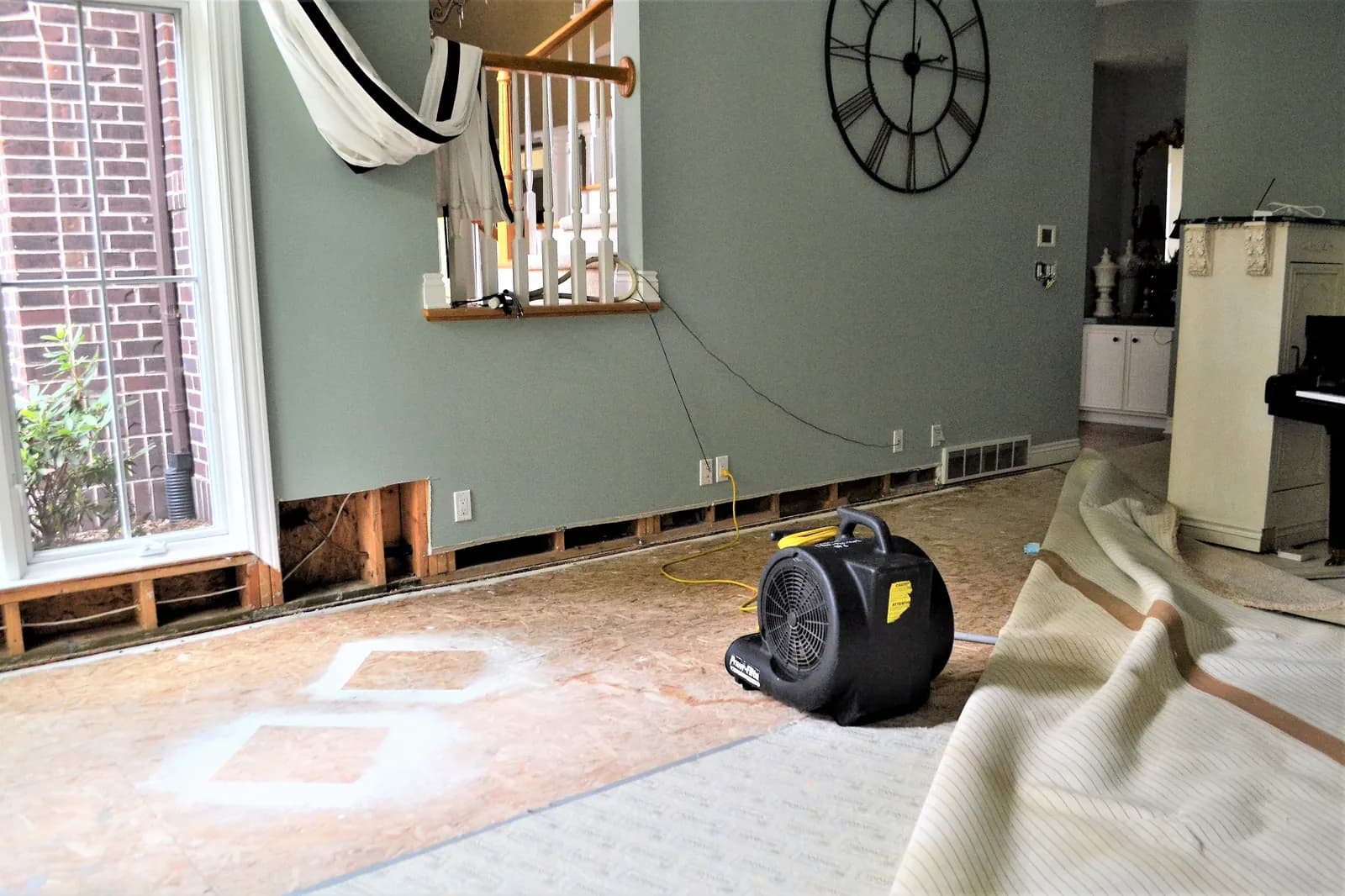
Water damage restoration typically takes three to five days to dry alone, with the total project time extending to several weeks when structural repairs are required. Drying time depends on the water category, the volume of water absorbed into building materials, and interior humidity conditions. Repairs and reconstruction following drying add additional time based on the extent of materials removed, such as drywall, flooring, or insulation.
Does Insurance Cover Water Damage Restoration?
Homeowners and commercial property insurance typically offers water damage coverage when the damage results from a sudden, accidental event, such as a burst pipe or appliance malfunction. Standard policies generally exclude flooding from an external body of water, which requires separate flood insurance through a program such as the National Flood Insurance Program (NFIP).
Coverage also typically excludes damage caused by long-term neglect, such as an undetected slow leak or lack of routine maintenance. Property owners should review their policy's water damage and flood exclusions and contact their insurance provider before restoration work begins to confirm coverage.
How to Choose a Water Damage Restoration Company?
Selecting a water damage restoration company requires evaluating certification, response time, and insurance coordination experience. A qualified company holds IICRC certification for water damage restoration technicians and carries general liability insurance.
Response time matters because water damage worsens the longer it remains untreated, so a company offering 24-hour emergency dispatch limits secondary damage such as mold growth.
Property owners should also confirm whether the company works directly with insurance adjusters, provides a written scope of work before starting repairs, and offers a warranty on completed restoration work.
Water Damage Restoration FAQs
Get Help With Water Damage Restoration Today
Water damage worsens with every hour it remains untreated, increasing the risk of mold growth and structural damage. Contact Apex Damage Restoration today for certified water damage restoration, from emergency water extraction through final repairs. Schedule an inspection now to stop active water intrusion before it spreads.
Need Emergency Restoration Help Today?
Call Apex Damage Restoration now for fast priority dispatch across Aurora, CO, a written estimate before work begins, and direct insurance claims assistance.