
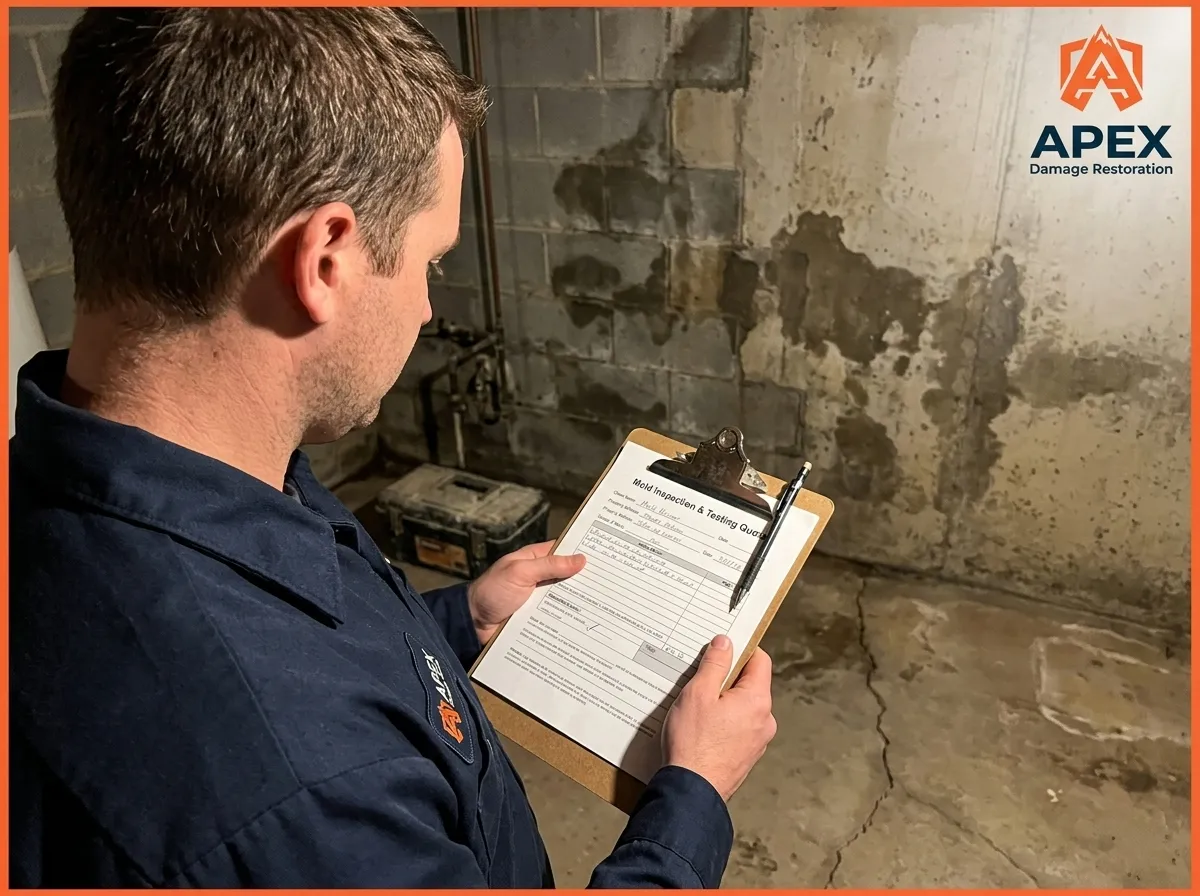
A professional mold inspection in the Denver metro area typically costs $300 to $650, depending on home size, inspection method, and whether lab sample analysis is included. Homeowners in Aurora, Lakewood, Arvada, and surrounding communities pay more when suspected mold is located in hard-to-reach areas such as attics, crawl spaces, or wall cavities, and less for a straightforward visual inspection of a single accessible room.
What Is The Average Mold Inspection Cost?
A standard mold inspection costs $300 to $650 in the Denver metro area, with a national average range of $303 to $1,045 depending on scope and region. The base fee covers a visual assessment of the property, moisture readings in suspect areas, and a written report of findings. Air sampling, surface swabs, or laboratory analysis add to the base cost and are often billed separately from the inspector's on-site fee.
Three factors drive most of the price spread:
- Home size: Larger square footage requires more inspection time.
- Inspection method: Visual-only inspections cost less than those combining air sampling and lab analysis.
- Accessibility: Attics, crawl spaces, and wall cavities take longer to inspect than open living areas.
How Much Does Mold Inspection Cost by Home Size?
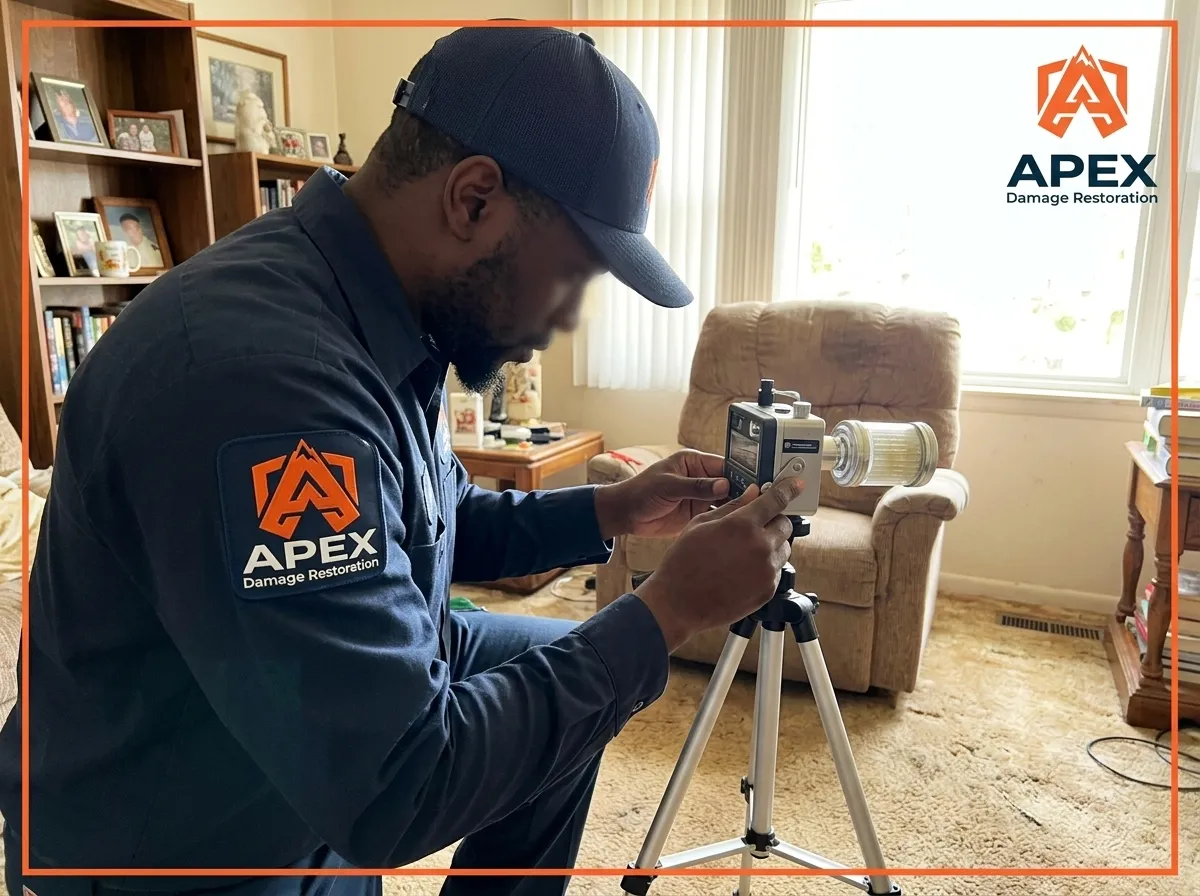
Mold inspection cost increases with square footage because larger homes require more inspection time and, often, more sample locations. A single-family home under 2,000 square feet costs less to inspect than a larger property with multiple stories, an unfinished basement, or an attached garage.
Cost for Homes Under 2,000 Sq. Ft.
A mold inspection for a home under 2,000 square feet typically costs $300 to $450 in the Denver metro area. This range covers a visual inspection, moisture meter readings in bathrooms, kitchens, and any area with a known water history, and a basic written report. Homes in this size range usually require one to two hours of on-site inspection time.
Cost for Larger Homes
A mold inspection for a home over 2,000 square feet typically costs $450 to $650 or more, depending on the number of levels and additional spaces such as a finished basement or attached garage. Multi-story homes require inspection of each level separately, and homes with a crawl space or unfinished basement add time because those areas require physical entry rather than a walk-through assessment.
What Affects the Cost of a Mold Inspection?
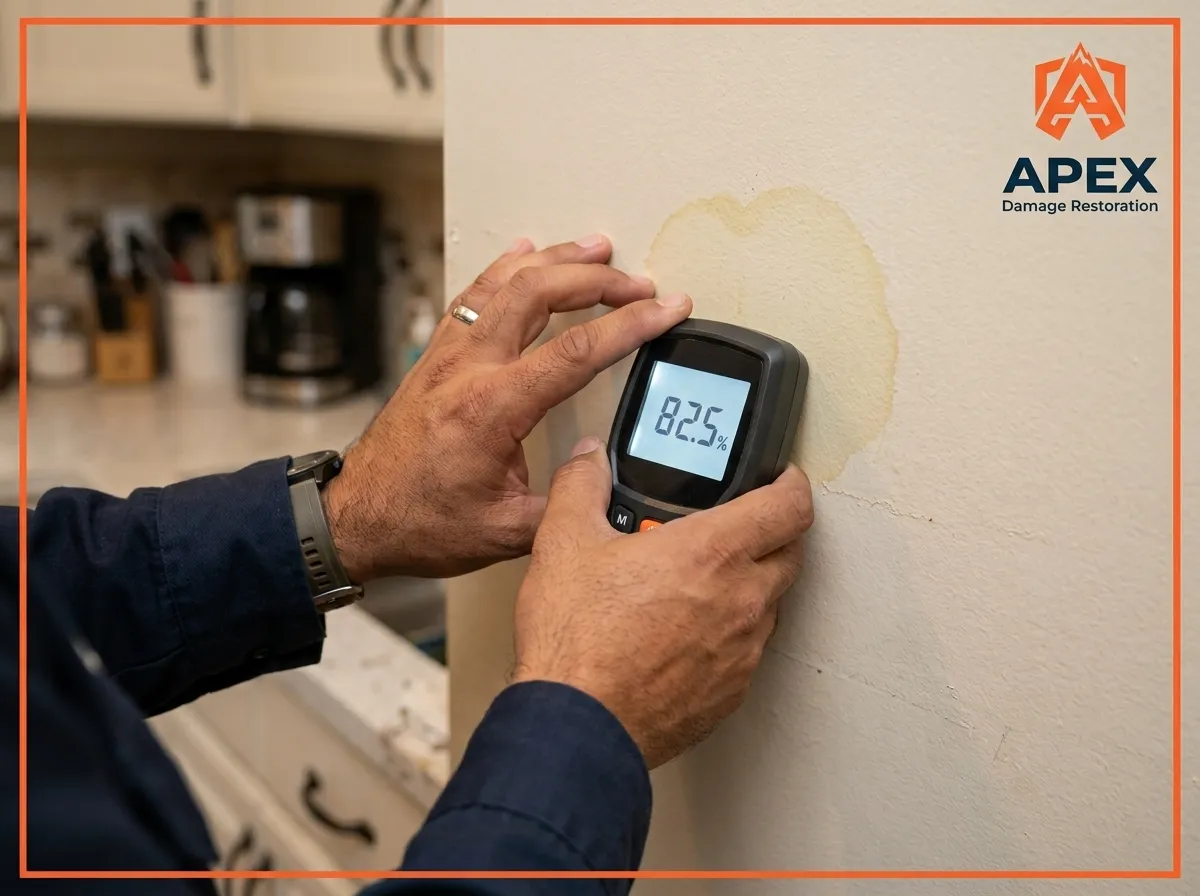
Mold inspection cost depends on the inspection method used, how accessible the suspected mold area is, and how many samples require lab analysis. These three factors combine to determine whether a job falls at the lower or upper end of the typical price range.
Inspection Method (Visual, Air Sampling, Swab)
A visual-only mold inspection costs less than an inspection that includes air sampling or surface swabs because it requires no laboratory analysis. Visual inspections rely on the inspector's assessment of moisture staining, musty odor, and visible growth, and typically cost $200 to $350. Air sampling adds $100 to $300 per sample and measures airborne spore concentration, which visual inspection alone cannot detect. Surface swab testing adds $30 to $50 per sample and identifies the specific mold species present on a given surface.
Accessibility of the Suspected Area
Mold inspection cost increases when the suspected area requires physical entry rather than a visual walk-through. Attics and crawl spaces require the inspector to enter a confined space, use protective equipment, and spend additional time navigating insulation, ductwork, or low clearance. Wall cavities suspected of hidden mold growth may require a borescope inspection or a small access cut, which adds to labor time.
Number of Samples and Lab Fees
The final invoice for a mold inspection often exceeds the inspector's quoted on-site fee because lab analysis is billed per sample. An inspector may charge $250 for the on-site visit and an additional $30 to $50 per sample sent to an accredited laboratory for spore count and species identification. A home with multiple suspect areas, such as a bathroom, basement, and attic, may require three or more samples, adding $90 to $150 in lab fees to the base inspection cost.
Mold Inspection vs. Mold Testing vs. Mold Remediation Cost
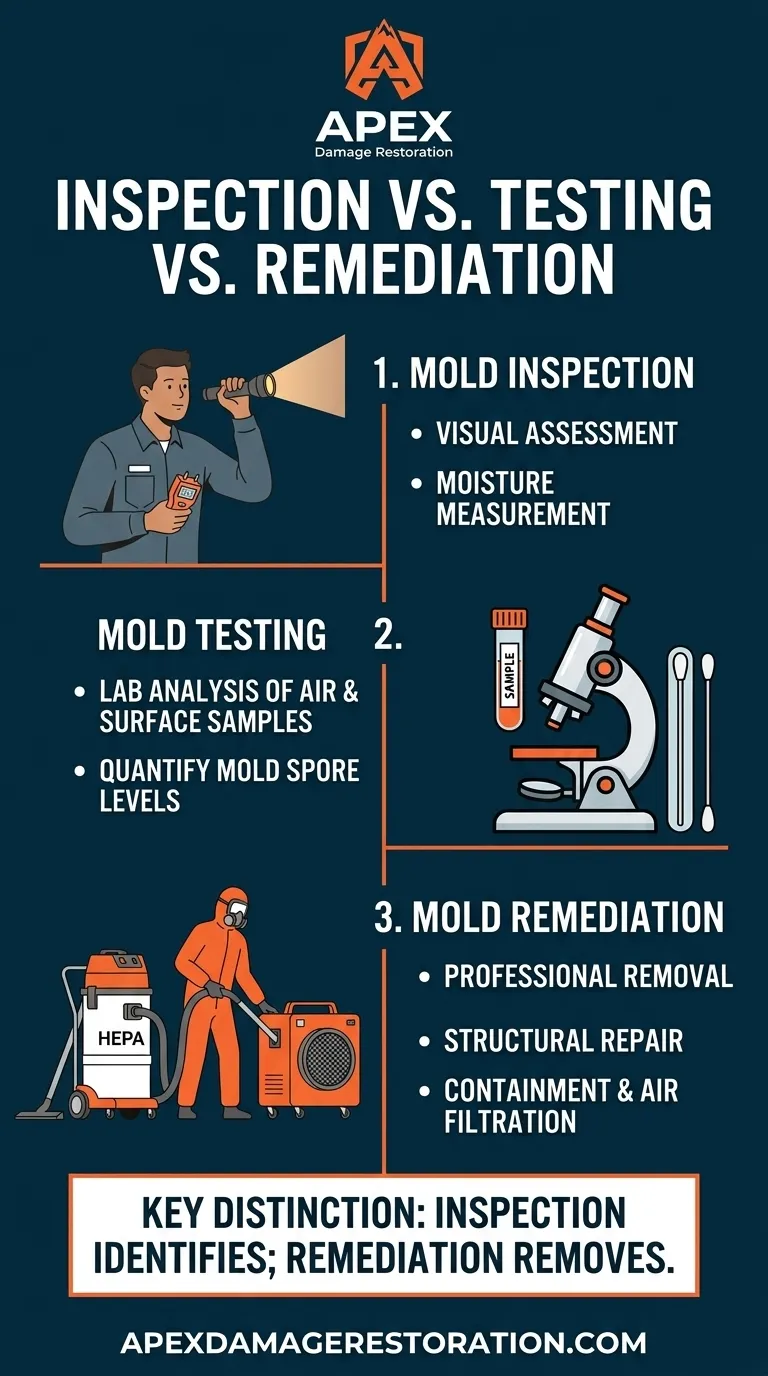
Mold inspection, mold testing, and mold remediation are three distinct services with three separate cost structures. A mold inspection assesses a property visually and measures moisture levels to identify signs of mold growth. Mold testing collects air or surface samples and sends them to a laboratory for analysis, confirming mold species and spore concentration. Mold remediation removes existing mold growth and repairs the conditions that caused it, using HEPA vacuuming, antimicrobial treatment, and negative air machines under IICRC S520 standards.
An inspection alone does not remove mold from a property. Homeowners who receive a positive test result need a separate remediation quote, priced by affected square footage rather than inspection time. Colorado does not license mold inspectors at the state level; credentials in the Denver metro area typically come from the Indoor Air Consultants Institute (IAC2), the American Council for Accredited Certification (ACAC), or InterNACHI. Apex Damage Restoration's mold assessments are conducted by an ACAC-certified microbial consultant, which distinguishes a professional inspection from a general handyman moisture check.
Mold-Sniffing Dog Inspections
A canine mold inspection costs more than a standard visual inspection because it uses a trained scent-detection dog to locate hidden mold growth behind walls, under flooring, or in other areas a visual inspection cannot reach. Canine inspections typically add a premium over the base inspection fee and are used when a homeowner smells a musty odor without visible signs of growth. This method identifies the general location of hidden mold but still requires a follow-up sample and lab analysis to confirm species and severity.
DIY Mold Test Kits vs. a Professional Inspection
A DIY mold test kit costs $10 to $40 and can indicate the presence of mold spores in a home, but it cannot replace a professional inspection for several reasons. Store-bought kits do not distinguish between indoor and outdoor mold spores, which are present in nearly all air samples regardless of an indoor mold problem. DIY kits also lack the moisture meter readings, visual assessment of the full property, and chain-of-custody documentation that a professional inspection provides.
Homebuyers, sellers, and renters involved in a real estate transaction or landlord dispute typically need a professional inspection report rather than a DIY kit result, since insurers, real estate agents, and property managers generally require documentation from a certified inspector. A DIY kit works best as a preliminary check before deciding whether a professional inspection is warranted.
When You Need a Mold Inspection?
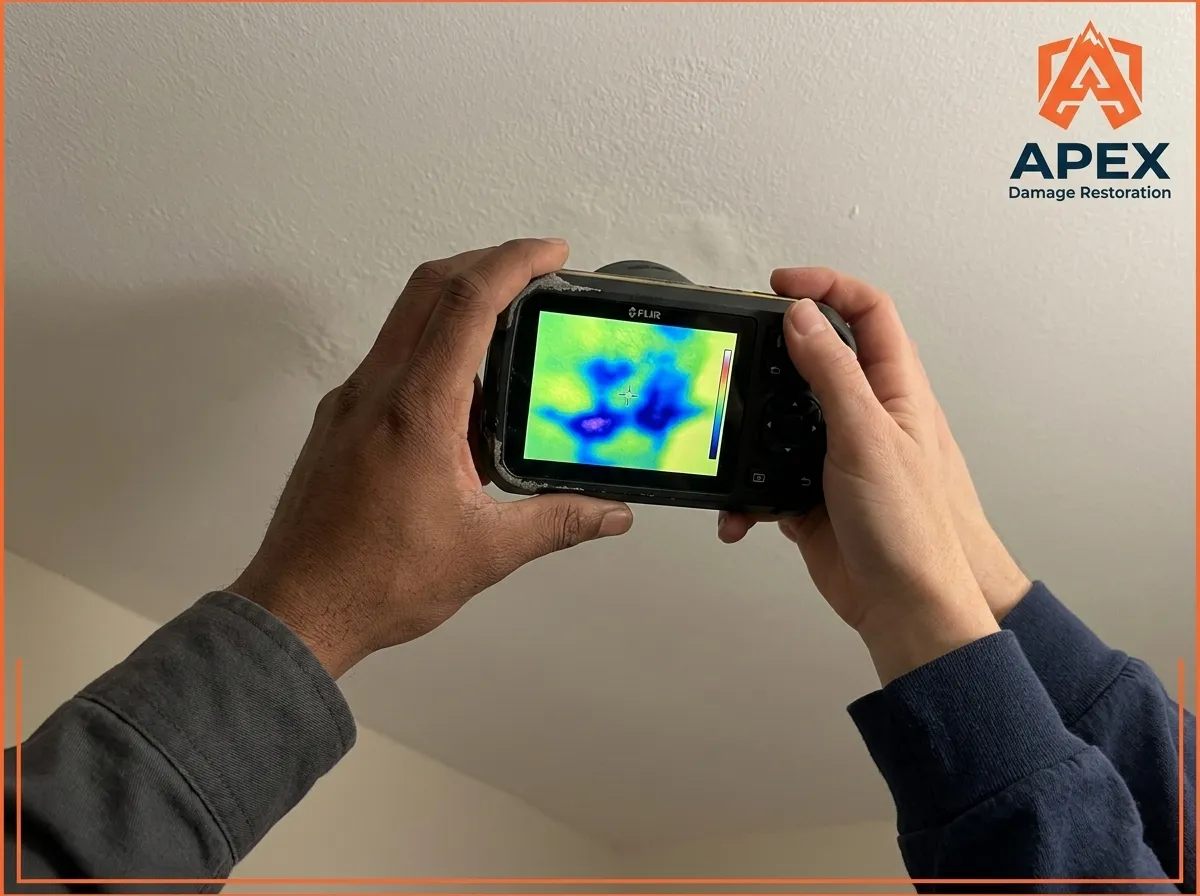
A mold inspection is warranted after a water damage event, when a musty odor persists without visible mold, or during a real estate transaction. Homes that experienced a burst pipe, roof leak, or sewage backup are at elevated risk of hidden mold growth within 24 to 48 hours of water exposure, even after the visible water has been extracted.
Other common triggers include:
- Persistent musty odor without a visible source.
- Respiratory symptoms that improve when occupants leave the home.
- Real estate transactions, where a buyer or seller requests documentation before closing.
- Visible discoloration on walls, ceilings, or flooring following past moisture exposure.
Is a Mold Inspection Worth the Cost?
A mold inspection is worth the cost for homeowners with a known water damage history, a persistent odor, or a pending real estate transaction, since the $300 to $650 inspection fee is substantially lower than the cost of remediating mold that spreads undetected. Mold that goes unaddressed for months can spread beyond its original location, increasing the square footage requiring remediation and the associated cost. An inspection also provides documentation that supports insurance claims and real estate negotiations, which a visual homeowner assessment alone cannot provide.
Frequently Asked Questions
Need Emergency Restoration Help Today?
Call Apex Damage Restoration now for fast priority dispatch across Aurora, CO, a written estimate before work begins, and direct insurance claims assistance.