
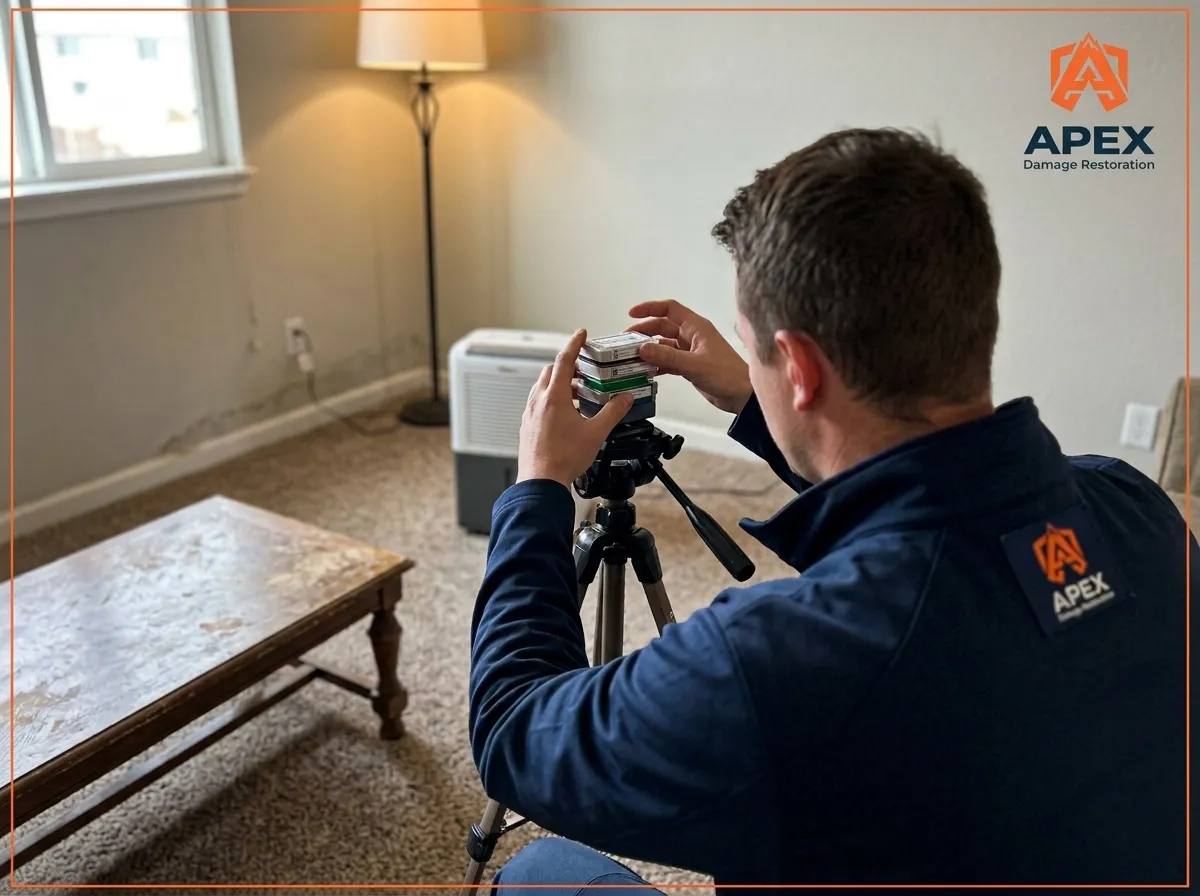
Professional mold testing in Denver Metro typically costs $250 to $650, depending on property size, the number of samples collected, and the testing method used. A single-sample air test at the low end of a small condo costs less than a multi-sample assessment of a large single-family home with several suspected problem areas.
What Is The Average Mold Testing Cost?
Professional mold testing in the Denver Metro area costs an average of $350 to $500 for a standard residential assessment that includes two to three samples and a lab report. Lab analysis fees, not on-site labor, set the floor price for most jobs. A certified lab charges a fixed fee per sample analyzed, so a tester's price rises primarily with sample count rather than with time spent on-site. A basic single-sample test can cost as little as $250, while a multi-area assessment with five or more samples can exceed $650. Real estate transactions, post-remediation verification, and health-driven testing each carry a different typical scope, which is covered in the sections below.
Mold Testing vs. Mold Inspection: Why the Difference Affects Price
Mold testing and mold inspection differ in method and cost: an inspection is a visual assessment, while testing is laboratory sampling, and this difference is why testing typically costs more.
Mold Inspection
A mold inspection is a visual assessment of a property for signs of mold growth, moisture intrusion, and conditions that support mold. An inspection costs less than testing because it does not include lab analysis fees.
- Method: An inspector visually examines rooms, surfaces, and moisture-prone areas for signs of mold and water intrusion.
- Turnaround: An inspector can complete a visual inspection in under an hour and provide findings the same day.
- Output: An inspection produces a visual assessment of conditions, not a lab-verified spore count or mold species identification.
- Best use: An inspection suits cases where mold is already visible or where a homeowner wants a general moisture-risk assessment before deciding whether to test.
Mold Testing
Mold testing is laboratory sampling that identifies and quantifies mold spores in air or on surfaces. Testing costs more than an inspection because it adds lab analysis fees and processing time.
- Method: A technician collects air or surface samples using calibrated equipment and a documented chain of custody, then submits the samples to an accredited laboratory.
- Turnaround: Testing requires waiting for a written lab report, which adds several days to the process compared with a same-day inspection.
- Output: Testing confirms mold species and spore concentration through laboratory analysis, which a visual inspection cannot provide.
- Best use: Testing suits cases requiring documented, lab-verified results, such as real estate transactions and insurance claims, where a report from an accredited lab holds more weight as evidence than a visual assessment alone.
Many companies combine both services into a single visit, but price them separately because only testing produces lab-verified results.
Mold Testing Cost by Property Type
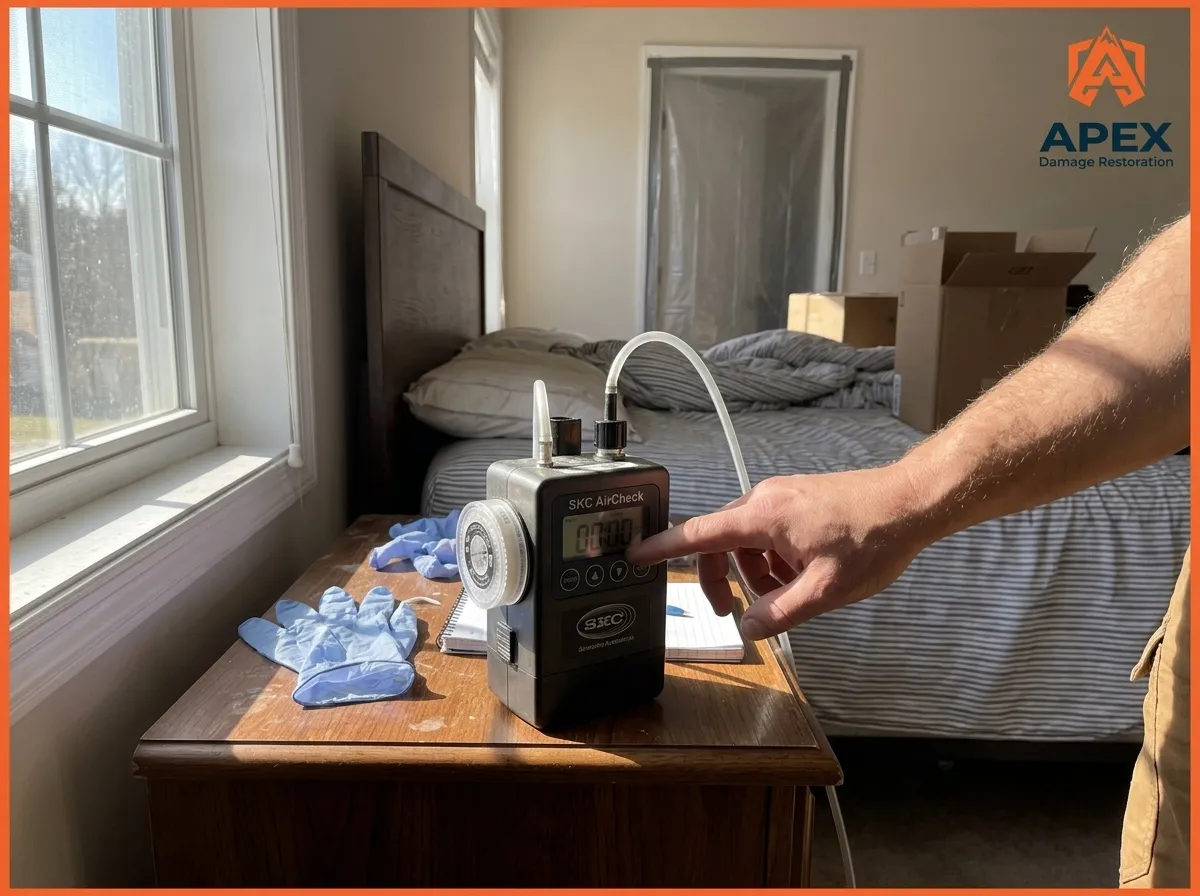
Mold testing cost varies by property type because square footage and the number of rooms tested directly affect the number of samples required.
House
Mold testing for a single-family house in Denver Metro typically costs $350 to $750, depending on square footage and how many rooms show signs of moisture or mold. A larger house with multiple suspected problem areas, such as a basement, an attic, and a bathroom, requires separate samples for each area plus one outdoor control sample, which increases the total sample count and the corresponding lab fee. A house with a single suspected area, such as one bathroom after a leak, falls at the lower end of this range because it requires fewer samples.
Apartment or Condo
Mold testing for an apartment or condo typically costs $200 to $400, reflecting a smaller footprint and fewer rooms to sample. Most apartment and condo units require only one to two indoor samples plus one outdoor control sample, compared with three or more samples common in larger houses. Renters and landlords also face access constraints that homeowners do not, such as needing permission to sample shared HVAC systems or common areas, which can affect scope and, in some cases, cost.
What Affects Mold Testing Cost?
Four main factors determine the final price of a mold testing job: property size, sample count, testing method, and the reason for testing.
Property Size and Number of Rooms Tested
Larger properties and a higher number of rooms tested increase mold testing cost because each additional suspected area typically requires its own sample. A 1,200-square-foot condo with one suspected area needs fewer samples than a 3,500-square-foot house with moisture concerns in three separate rooms. Testing cost scales with the number of sampling locations, not directly with total square footage, so a large but unaffected house can cost less to test than a smaller house with mold suspected in several rooms.
Number of Air or Surface Samples
Each additional air or surface sample adds a fixed lab analysis fee to the total cost. A standard residential test includes at least one outdoor control sample and one to three indoor samples; testing more rooms or more surfaces increases the sample count and the total price proportionally. Surface samples, collected with swabs or tape lifts from visible growth, are typically billed at a similar per-sample rate as air samples, though a tester may recommend a mix of both when mold is both visible and suspected to be airborne.
Testing Method (Air Sampling, Surface Sampling, ERMI)
Testing method affects cost because each method requires different lab processing and equipment. Air sampling, which measures airborne spore concentration using a calibrated pump, is the most common and typically the lowest-cost method per sample. Surface sampling, used to identify mold species on a visible growth area, carries a comparable per-sample fee. ERMI (Environmental Relative Moldiness Index) testing, which analyzes dust samples for a standardized panel of mold species using DNA-based methods, costs more per sample than standard air or surface sampling because of its broader lab analysis. ERMI testing is used less frequently in routine residential assessments and more often in research, litigation, or cases requiring a standardized moldiness score.
Reason for Testing (Real Estate, Health, Post-Remediation)
The reason for testing affects scope and, in turn, cost, because each purpose calls for a different sampling approach. Real estate transactions typically require a full assessment with a written report suitable for negotiation or disclosure. Health-driven testing, prompted by symptoms or a musty odor without visible growth, often starts with a smaller scope focused on the suspected source before expanding if results warrant it. Post-remediation verification testing confirms that a completed removal project brought spore counts back to a normal range and typically requires fewer samples than the original pre-remediation test, since it targets only the previously treated area.
What's Included in the Cost of Mold Testing?
Professional mold testing cost covers on-site sample collection, certified third-party lab analysis, and a written report.
- On-site sample collection: A technician collects air or surface samples using calibrated equipment and documented chain-of-custody procedures, which preserve the sample's integrity from collection through lab analysis.
- Outdoor control sample: A technician collects an outdoor sample as a baseline, which the lab uses to determine whether indoor spore levels are elevated relative to normal outdoor conditions.
- Certified lab analysis: An accredited third-party laboratory identifies spore counts and mold species present in each sample.
- Species identification: The lab report lists the specific mold species detected, which affects whether remediation is recommended and how urgently.
- Written report: The provider delivers a written report documenting sample locations, methods, and lab results, suitable for use in real estate transactions, insurance claims, or remediation planning.
- Professional interpretation: A technician or specialist translates the lab results into a plain-language explanation of whether spore levels fall within a normal range and which findings, if any, warrant remediation.
This lab-fee structure explains why prices vary relatively little between providers offering the same sample count and method: the lab charges a comparable rate industry-wide, and the provider's fee mainly reflects on-site collection and report preparation.
DIY vs. Professional Mold Testing Cost
DIY mold testing kits typically cost $10 to $50, compared with $250 to $750 for professional testing, but the two options are not directly comparable in accuracy or acceptance. A DIY kit allows a homeowner to collect a sample and mail it to a lab, which can identify mold species present. A DIY kit does not include a documented chain of custody, a controlled collection process, or a professional interpretation of results, which limits its accuracy and reliability compared with a technician-collected sample. Real estate transactions and insurance claims generally require results from a certified professional rather than a self-collected sample, because a lab report without a verified chain of custody carries less weight as documented evidence. A DIY kit can serve as a low-cost first check when a homeowner suspects a specific, visible problem area and does not need documentation for a transaction or claim; a professional test is the appropriate choice when results must hold up in a real estate negotiation, insurance claim, or post-remediation verification.
Do You Actually Need Mold Testing?
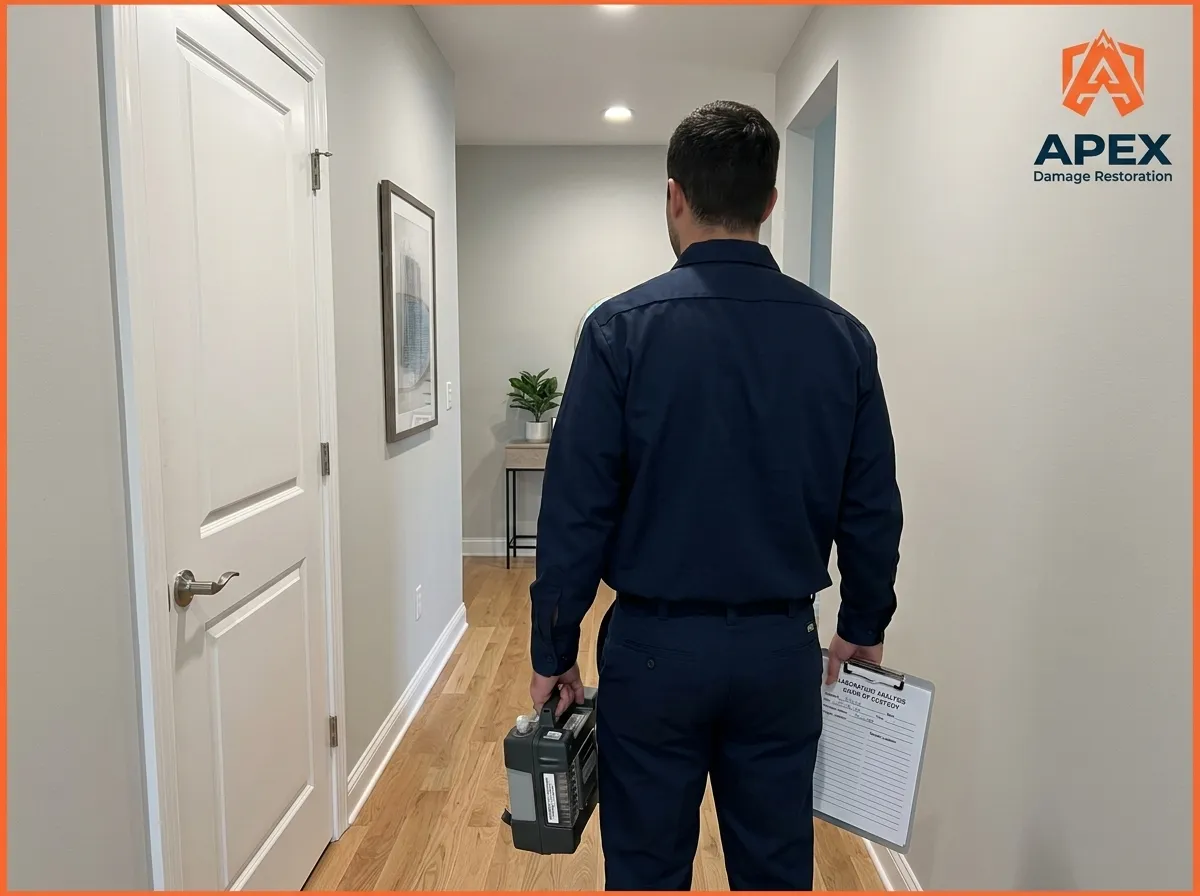
Mold testing is not necessary when mold growth is already visible, because a visual inspection alone confirms the presence of mold that requires removal. Testing adds the most value when mold is suspected but not visibly confirmed, such as a persistent musty odor, recent water damage without visible growth, or unexplained allergy-like symptoms in a household. A homeowner with visible mold on a wall or ceiling can generally proceed directly to remediation, since a lab test would only confirm what is already apparent and would add cost without changing the recommended action. Testing becomes appropriate again after remediation is complete, to verify that spore counts have returned to a normal range, and in situations where documented, lab-verified results are required, such as a real estate transaction or an insurance claim.
Mold Testing Cost vs. Mold Remediation Cost
Mold testing cost is a small diagnostic expense relative to mold remediation cost, which addresses the underlying mold problem rather than confirming its presence. Testing typically costs $250 to $750, while remediation cost depends on the extent and location of the mold, the affected materials, and the square footage requiring treatment. Testing serves as the diagnostic step that determines whether remediation is needed and helps define its scope, such as identifying which rooms require treatment and which mold species are present.
Homeowners who have already confirmed visible mold, per the previous section, may proceed directly to remediation planning; homeowners with suspected but unconfirmed mold typically test first to avoid remediating an area that does not require it.
Does Insurance Cover Mold Testing Costs?

Homeowners insurance covers mold testing costs when the mold results from a sudden, covered event, such as a burst pipe or a sudden appliance leak, but typically excludes testing related to gradual damage, such as a long-term slow leak or chronic humidity. This sudden-versus-gradual distinction is the same standard insurers apply to water damage claims generally.
A homeowner filing a claim should document the triggering event, such as a burst pipe or appliance failure, and keep the dated lab report and any receipts, since insurers typically require this documentation to process a covered claim. A policyholder should confirm mold coverage details directly with their insurance provider, since coverage terms and exclusions vary by policy.
Frequently Asked Questions
Need Emergency Restoration Help Today?
Call Apex Damage Restoration now for fast priority dispatch across Aurora, CO, a written estimate before work begins, and direct insurance claims assistance.