
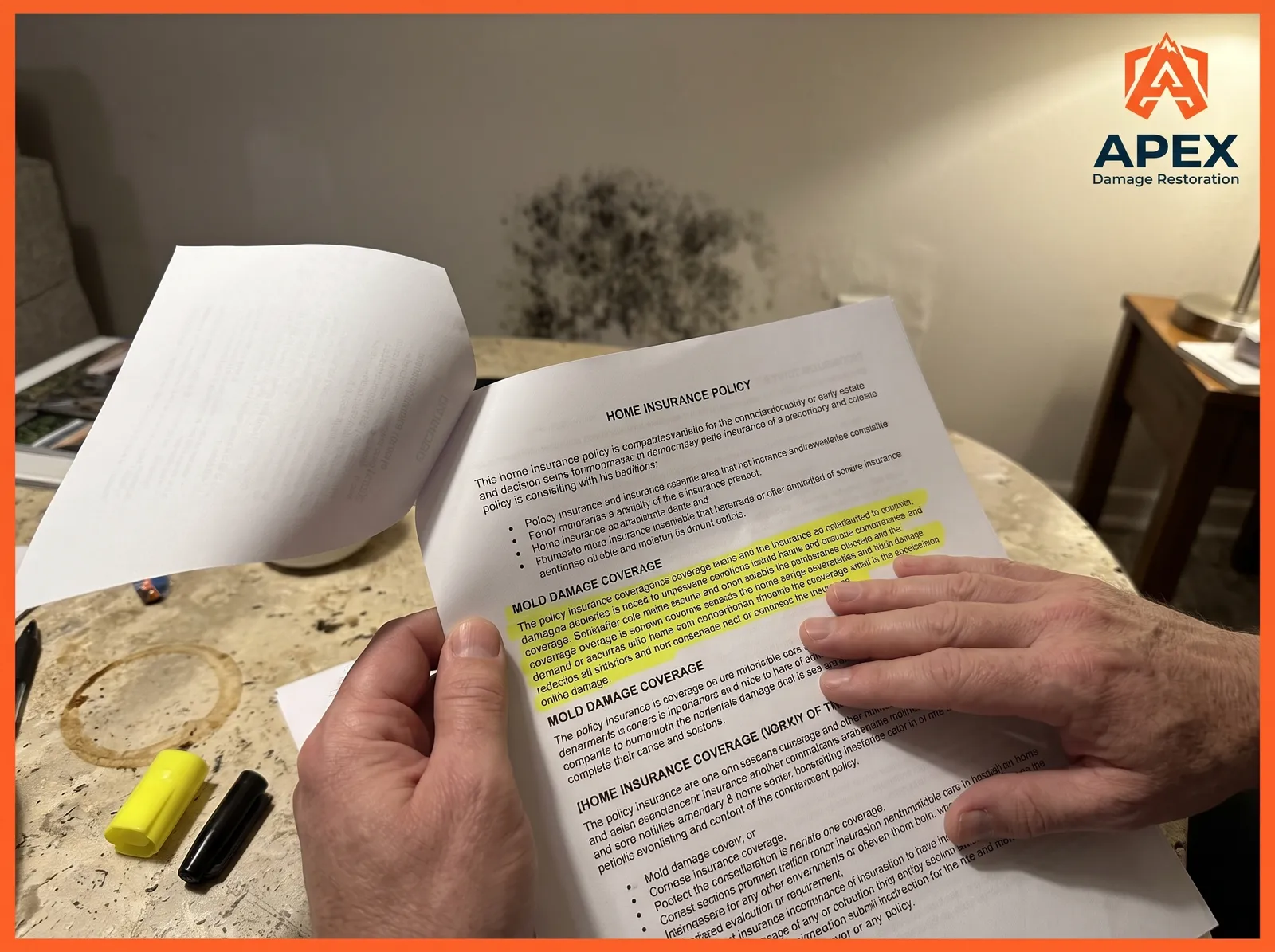
Homeowners and renters insurance covers mold damage only when the mold results from a sudden, accidental event listed in the policy, such as a burst pipe or appliance failure. Mold from flooding, long-term leaks, humidity, or neglect is generally excluded, and covered claims are usually capped by a separate mold sublimit.
What Is Mold Damage?
Mold damage is the deterioration of building materials, personal belongings, or indoor air quality caused by mold growth on a damp surface. The U.S. Environmental Protection Agency identifies mold as a fungus that colonizes damp organic materials, including drywall, wood framing, carpet, and insulation, within 24 to 48 hours of sustained moisture exposure.
Mold damage typically presents as discoloration, a musty odor, warped or crumbling materials, and, in some cases, allergic or respiratory symptoms in occupants. The damage ranges from surface staining that requires cleaning to structural deterioration that requires removing and replacing affected materials.
From an insurance standpoint, mold damage is rarely treated as a primary insured event. Insurers classify mold as a secondary consequence of an underlying water intrusion, which means coverage depends on what caused the moisture rather than on the mold itself.
What Is Homeowners Insurance?
Homeowners insurance is a property and liability policy that protects a homeowner's dwelling, belongings, and financial exposure from covered losses. Insurers issue this coverage under standardized policy forms numbered HO-1 through HO-8, with the HO-3 special form serving as the most common policy for single-family homes. An HO-3 policy covers the dwelling on an open-peril basis, meaning it covers any cause of loss except those specifically excluded, while personal property is typically covered on a named-peril basis, meaning only the causes listed in the policy apply.
A standard homeowners policy divides coverage into several parts. Coverage A pays to repair or rebuild the dwelling structure. Coverage B extends to other structures on the property, such as a detached garage or fence. Coverage C reimburses the homeowner for damaged or destroyed personal belongings. Coverage D, also called loss-of-use coverage, pays for temporary housing and related expenses when a covered loss makes the home uninhabitable. Coverage E provides liability protection if the homeowner is legally responsible for another person's injury or property damage, and Coverage F pays limited medical expenses for a guest injured on the property regardless of fault.
Mold coverage sits inside this structure as an ancillary provision rather than a standalone coverage part. When a named peril, such as a burst pipe, damages the dwelling or personal property and mold develops as a result, the policy pays for the resulting mold remediation up to a separate mold sublimit rather than up to the full dwelling or personal property limit. This sublimit exists because mold remediation costs can escalate quickly and insurers manage that exposure separately from the base policy limits.
Homeowners insurance premiums vary based on the home's replacement cost, location, age, roof condition, claims history, and the coverage limits and endorsements selected. Adding mold-specific endorsements, water-backup riders, or hidden-water coverage increases the premium but raises the amount available for a mold-related claim beyond the policy's standard sublimit.
What Does Insurance Cover for Mold Damage?
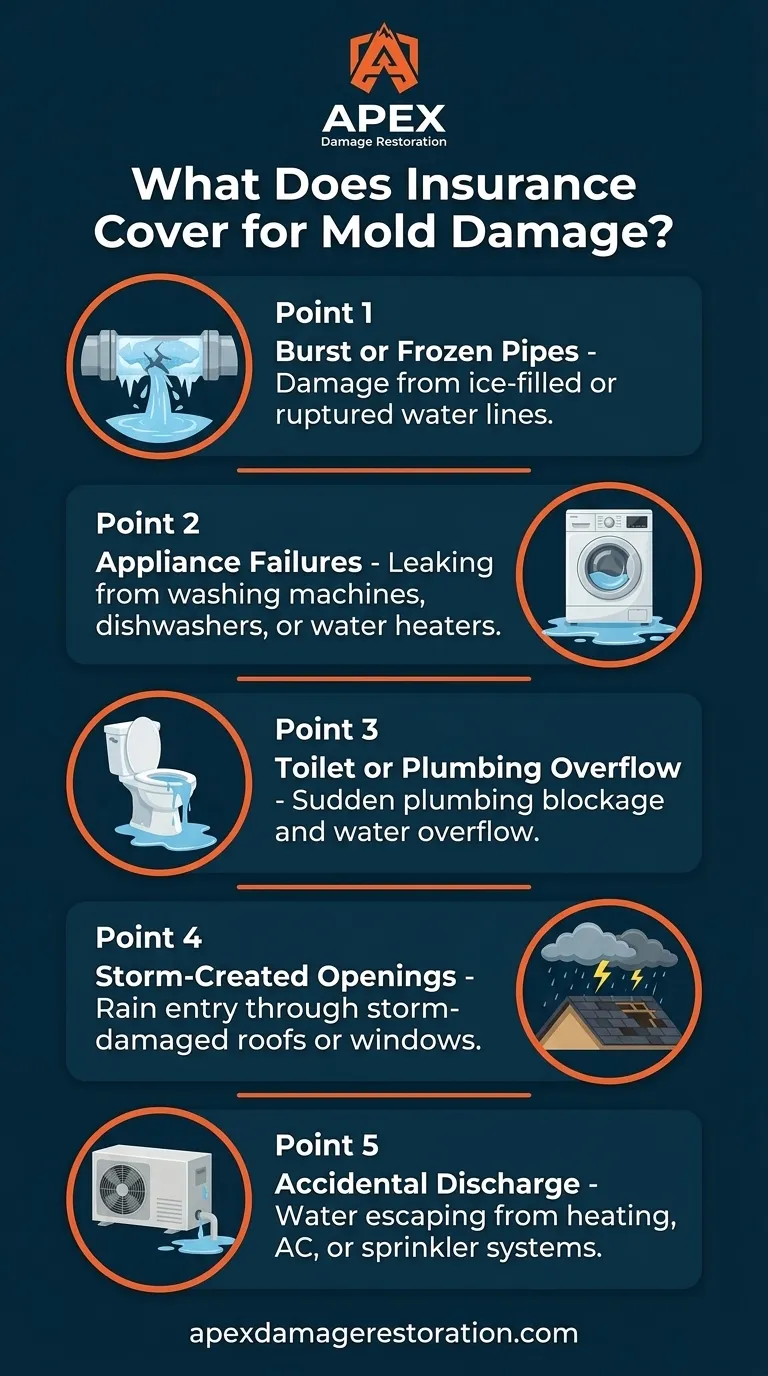
Insurance covers mold damage when it develops after a sudden, accidental water event named in the policy. The following perils commonly trigger coverage for the resulting mold.
Burst or Frozen Pipes
A pipe that ruptures suddenly and soaks a wall, floor, or ceiling is a covered peril under a standard homeowners or renters policy. The sudden failure, rather than the freezing itself, establishes the accidental nature of the loss, so a homeowner who fails to maintain adequate heat in a vacant property during freezing conditions may still face a denial under the policy's maintenance requirements.
Appliance Failures
A washing machine hose, dishwasher line, or water heater that fails without warning qualifies as a covered appliance failure. The insurer treats the mechanical breakdown as the covered event, and mold that develops from the resulting water within the following days is covered under the same claim.
Toilet or Plumbing Overflow
A single, accidental overflow qualifies for coverage, while a repeated or ignored overflow does not. Insurers distinguish a one-time plumbing failure from a recurring problem the policyholder knew about and failed to address, since the latter shifts the cause toward neglect.
Storm-Created Openings
Wind or hail damage that breaches the roof or siding and allows rain to enter is a covered peril, provided the policy includes windstorm coverage. The insurer covers mold that develops from the rainwater entering through the storm-created opening, distinct from mold caused by a pre-existing roof leak unrelated to the storm.
Accidental Discharge
Water that escapes from a plumbing or HVAC system due to a mechanical breakdown qualifies as an accidental discharge. This category covers sudden equipment failures, such as a burst supply line or a failed condensate pump, that release water without warning.
What Does Insurance Not Cover for Mold Damage?
Insurance excludes mold damage that results from gradual moisture or deferred maintenance rather than a sudden event. The following causes commonly result in a denied claim.
Long-Term Plumbing Leaks
Slow leaks under a sink or behind a wall that go unaddressed for weeks or months fall outside standard coverage. Insurers classify a leak as long-term when physical evidence, such as layered staining or material deterioration, indicates the moisture was present well before the mold was discovered.
Chronic Humidity or Condensation
Moisture buildup from poor ventilation in bathrooms, basements, or crawl spaces is excluded as a maintenance issue rather than a sudden event. Insurers treat ongoing condensation as a preventable condition the policyholder could have addressed through ventilation, dehumidification, or repair.
Roof or Window Neglect
Water intrusion from damage the homeowner knew about and did not repair is excluded, even when the original damage stemmed from a covered event such as a storm. A documented prior inspection or repair estimate that went unaddressed supports the insurer's neglect classification.
Flooding
Rising water from outside the home requires separate flood insurance, since a standard homeowners or renters policy excludes flood damage entirely. Mold that develops after a flood is excluded under the same policy unless the policyholder carries a separate flood insurance policy through the National Flood Insurance Program or a private flood carrier.
Sewer Backups Without an Endorsement
Backups are excluded unless the policy includes a water-backup rider. A standard policy treats a sewer or sump pump backup as outside the base coverage, regardless of whether the backup itself was sudden, unless the policyholder purchased the specific endorsement.
Mold Coverage by Cause of Water Intrusion
The following table summarizes how insurers typically classify common causes of mold-producing water intrusion.
| Cause of Water Intrusion | Typical Coverage Outcome |
|---|---|
| Burst or frozen pipe | Covered under standard policy |
| Appliance leak (dishwasher, washer, water heater) | Covered under standard policy |
| Storm or roof leak | Covered under standard policy |
| Sewage or sump pump backup | Excluded without a water-backup rider |
| Flooding from outside the home | Excluded; requires separate flood insurance |
| Long-term or hidden leak | Excluded unless a hidden-water rider applies |
| Humidity or condensation | Excluded as a maintenance issue |
The table shows that the payer and outcome shift by cause, not by the mold itself; a hidden-water or water-backup rider can move an otherwise excluded cause into covered territory.
Does Insurance Cover Mold From Water Damage?
Insurance covers mold from water damage when the water intrusion itself qualifies as a covered peril, such as a burst pipe or storm-created leak. If the underlying water damage is excluded, such as a slow leak left unrepaired, the resulting mold is excluded as well. For a full breakdown of how insurers evaluate water damage claims, see the water damage insurance guide.
How Do Insurance Adjusters Determine the Cause of Mold?
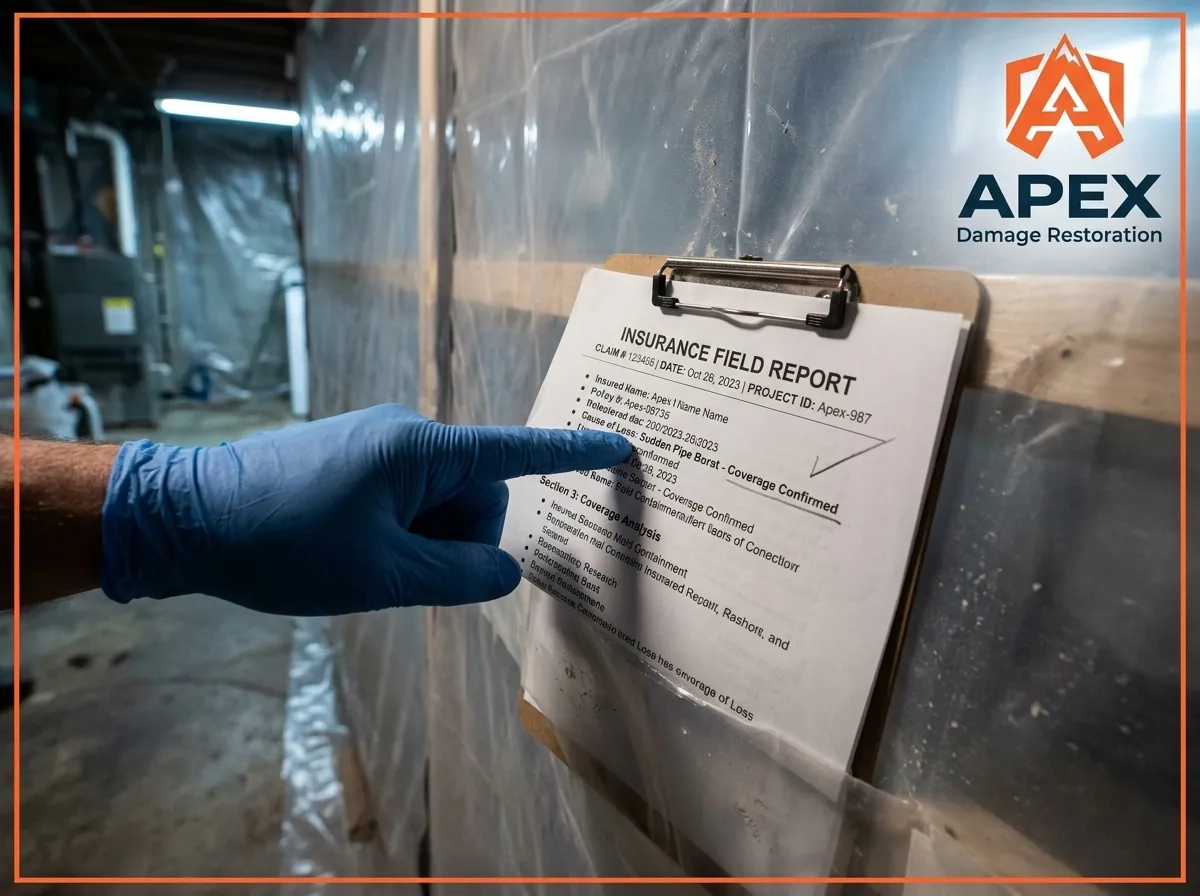
An insurance adjuster determines the cause of mold by inspecting the moisture source, reviewing the property's maintenance history, and, in many cases, ordering a third-party moisture or mold inspection. The adjuster looks for physical evidence that dates the water intrusion, such as staining patterns, the condition of building materials, and moisture-meter readings behind walls or under flooring. Fresh, uniform staining with no prior repair history typically supports a sudden-event classification, while layered staining, rust, or rot supports a gradual or long-term classification. Insurers also cross-reference the claim against the policyholder's prior claims history and any previous inspection reports on file, since a documented earlier warning about the same leak can shift the determination toward neglect.
Does Homeowners Insurance Cover Mold Damage?
Homeowners insurance covers mold damage when it results from a covered peril and stays within the policy's mold sublimit, typically $1,000 to $10,000 on a standard HO-3 policy. Coverage does not extend to mold from flooding, gradual leaks, or humidity unless the homeowner adds a specific endorsement.
When Does Homeowners Insurance Cover Mold?
Homeowners insurance covers mold when a named peril in the policy caused the moisture that led to mold growth. Qualifying events include a burst pipe, an accidental appliance overflow, a sudden roof leak from storm damage, or a covered plumbing failure. The insurer pays for remediation up to the policy's mold sublimit once it verifies the cause meets the covered-peril definition.
When Does Homeowners Insurance Deny Mold Claims?
Homeowners insurance denies mold claims when the insurer determines the moisture source is gradual, preventable, or explicitly excluded. Common denial reasons include a long-term leak the homeowner failed to repair, chronic high humidity, flood-related moisture without flood insurance, and mold discovered without a documented covered-peril event. Insurers may also deny a claim when the homeowner reports the damage weeks or months after it occurred.
Mold Endorsements, Riders, and Coverage Limits
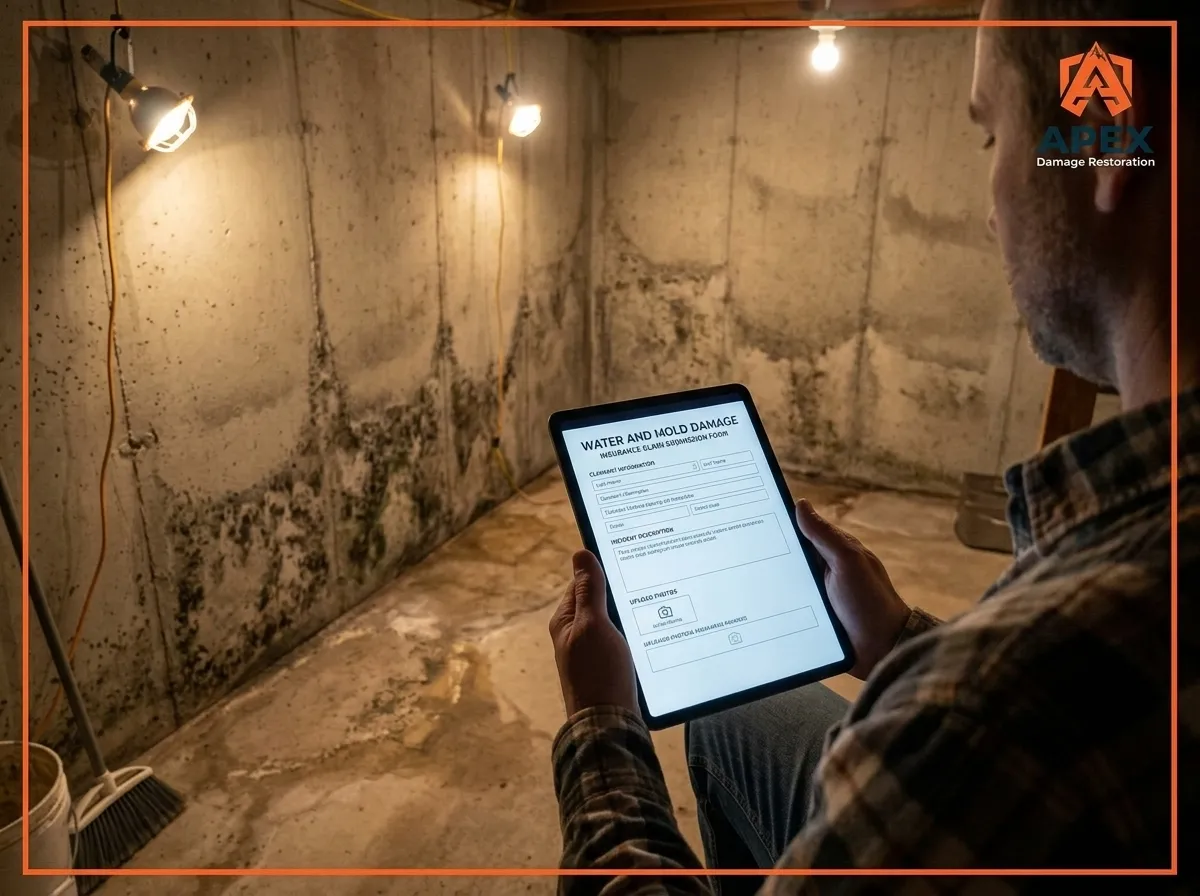
Homeowners can raise a policy's baseline mold protection by adding a specific endorsement, since standard mold sublimits rarely cover a full remediation project.
| Endorsement | What It Covers | Typical Added Limit |
|---|---|---|
| Mold, fungi, or bacteria endorsement (e.g., ISO form HO 04 26) | Raises the standard mold sublimit for covered-peril claims | $10,000–$25,000 |
| Water-backup / sump-pump-failure rider | Extends coverage to sewer backups and sump pump failures, including resulting mold | $5,000–$25,000 |
| Hidden-water damage rider | Covers mold from leaks that occur behind walls, floors, or under appliances before detection | Varies by carrier |
Homeowners in humid climates or older homes with aging plumbing benefit most from pricing these endorsements before a claim becomes necessary, since none apply retroactively to an existing leak.
Does the Type of Mold Affect Homeowners Coverage?
The type of mold does not affect homeowners coverage; insurers evaluate the cause of the moisture, not the species of mold found during remediation. A claim involving black mold and a claim involving a more common mold species receive identical treatment under the policy as long as both trace back to the same category of covered or excluded peril.
Does Condo Insurance Cover Mold Differently Than a Single-Family Policy?
Condo insurance (HO-6) covers mold within the unit's interior under the same covered-peril rule as a single-family HO-3 policy, but responsibility splits between the unit owner's HO-6 policy and the condo association's master policy depending on where the mold originates. Mold that develops inside the unit from a covered peril, such as a burst supply line under a sink, falls under the HO-6 policy's mold sublimit. Mold that originates in a common element, such as a shared roof, exterior wall, or building-wide plumbing stack, falls under the association's master policy instead. The unit owner's declarations and bylaws determine the exact boundary between "walls-in" unit responsibility and common-element coverage, so a condo owner should confirm whether the building uses a bare-walls, all-in, or hybrid master policy structure before assuming which policy applies to a specific mold claim.
Does Renters Insurance Cover Mold Damage?
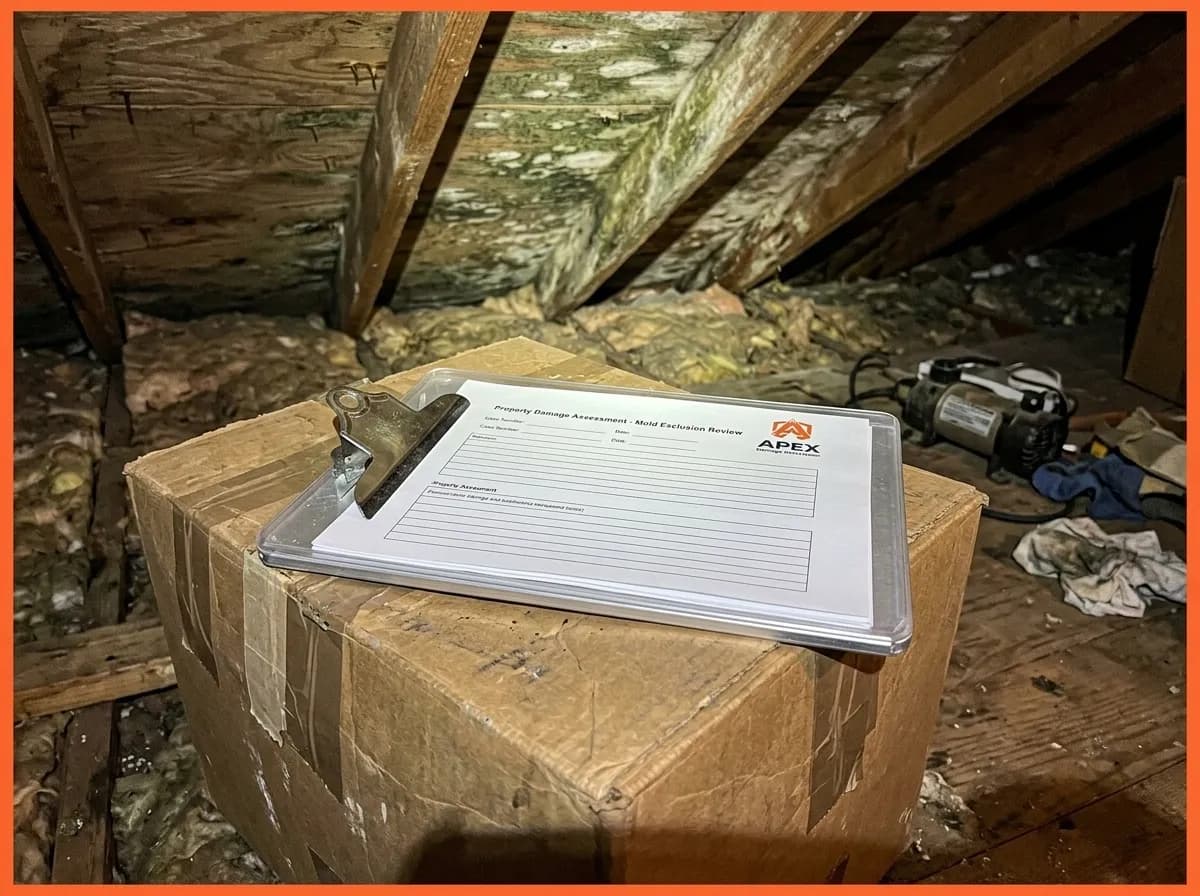
Renters insurance covers mold damage to personal belongings when a covered peril caused the moisture, but it does not cover damage to the structure of the rental unit itself. Structural mold remediation is the landlord's responsibility under most state habitability laws.
What Renters Insurance Covers vs. Excludes for Mold
| Renters Insurance Covers | Renters Insurance Excludes |
|---|---|
| Personal property damaged by mold from a covered peril (e.g., a burst pipe) | Damage to walls, floors, ceilings, or other building structure |
| Additional living expenses if mold forces temporary relocation | Mold from flooding without separate flood insurance |
| Remediation of a tenant's belongings tied to a named peril | Mold resulting from the tenant's own neglect, such as an unreported leak |
| Mold present before move-in or caused by landlord-owned systems |
Personal Property vs. Dwelling Coverage: Who Pays for What
Renters insurance pays for personal property, while the landlord's dwelling policy or maintenance obligation covers the building itself. If a covered peril damages a tenant's furniture or electronics, the tenant's renters insurance pays up to the personal property limit, which commonly ranges from $10,000 to $100,000 depending on the policy. The payout depends on whether the policy provides actual cash value, which deducts depreciation from the item's age and condition, or replacement cost, which pays the price of a new equivalent item. If the same event damages drywall, flooring, or ceiling structure, responsibility shifts to the landlord's insurance or maintenance budget, not the tenant's policy. When mold from a covered peril makes the unit temporarily uninhabitable, the tenant's additional living expenses (ALE) coverage, also called loss-of-use coverage, can pay for hotel stays, meals above normal cost, and other short-term relocation expenses up to the policy's ALE limit.
What If the Landlord Is Responsible for the Mold?
A tenant is not financially responsible for mold that results from the landlord's failure to maintain the property, such as an unrepaired roof leak or a chronic plumbing defect. Most states recognize an implied warranty of habitability, which obligates the landlord to keep the structure, plumbing, and roof in working condition and to remediate mold that stems from a failure to do so. The landlord typically must remediate the mold and repair the structure under this requirement, and the landlord's insurer may also owe the tenant for damaged belongings if the tenant can document the landlord's delay or negligence in writing. A tenant pursuing this route should send the maintenance request in writing (email or a dated letter rather than a verbal report), keep copies of all correspondence, and note how long the landlord took to respond, since the response timeline is often the deciding factor in a habitability dispute or small-claims filing.
Does Renters Insurance Cover Mold or Pest Damage?
Renters insurance covers mold only when a covered peril caused it and generally excludes pest damage entirely, since most insurers classify pest infestations as a preventable maintenance issue rather than a sudden, accidental event. Tenants dealing with either mold or pests should report the condition to the landlord in writing before filing a renters insurance claim.
How Much Does Insurance Pay for Mold Damage?
Insurance pays for mold damage up to the policy's mold sublimit, which typically ranges from $1,000 to $10,000 on a standard homeowners policy and can reach $25,000 or more with an added endorsement. The sublimit applies specifically to mold remediation and sits below the policy's overall dwelling or personal property limit.
Typical Mold Coverage Limits and Sublimits
- Standard HO-3 mold sublimit: $1,000 to $10,000 per claim.
- High-humidity state policies: Sublimits as low as $1,000 in states such as Florida, Texas, and Louisiana.
- Endorsed mold coverage: $10,000 to $25,000 or more, depending on the carrier and endorsement purchased.
- Renters insurance personal property limit: $10,000 to $100,000, which applies to mold-damaged belongings rather than the structure.
What You Pay Out of Pocket When Mold Isn't Covered
A homeowner or tenant pays the full remediation cost out of pocket when the mold's underlying cause is excluded or when remediation costs exceed the policy's sublimit. Professional mold remediation frequently costs more than a standard sublimit, which leaves policyholders responsible for the difference even on an approved claim. The standard policy deductible also applies before any mold sublimit payout begins, so a policyholder with a $2,000 deductible and a $5,000 mold sublimit receives at most $5,000 after that deductible is met, not $5,000 in addition to it. Some carriers apply the mold sublimit as a combined cap covering both testing and remediation, while others pay testing separately from remediation up to the same sublimit; the declarations page or a call to the carrier confirms which structure applies. For current remediation price ranges by project size and severity, see the Mold Remediation Cost guide.
Is Black Mold Covered Differently Than Other Mold?
Black mold is not covered differently than other mold types under a standard insurance policy, since coverage decisions depend on the cause of the moisture rather than the species identified during testing. A claim involving black mold from a covered peril, such as a burst pipe, receives the same sublimit and documentation requirements as a claim involving any other mold species from the same type of event. The term "black mold" most often refers to Stachybotrys chartarum, a slow-growing species that requires prolonged moisture exposure to establish itself, which is one reason its presence can draw closer scrutiny during a claim review.
How Insurers Actually Evaluate Black Mold Claims
Insurers evaluate a black mold claim by tracing the moisture source to a covered or excluded peril, then applying the standard mold sublimit if the cause qualifies. Adjusters typically request a professional inspection report to confirm the mold's cause and extent, since black mold claims draw closer scrutiny due to higher public awareness of associated health concerns raised by agencies such as the U.S. Environmental Protection Agency. The inspection findings, not the mold's color or species, determine whether the insurer approves the claim. Because Stachybotrys chartarum typically needs sustained moisture to colonize a surface, its presence can prompt an adjuster to look more closely for signs of a long-term or recurring leak rather than a single sudden event, which is why documentation connecting the mold to a specific covered incident carries extra weight in these claims.
How to File a Mold Damage Insurance Claim
Filing a mold damage insurance claim requires documenting the cause and extent of the damage, reporting it promptly to the insurer, and, in many cases, obtaining a professional inspection before remediation begins.
How to Document and Report Mold Damage
- Identify the source of the water intrusion that led to the mold.
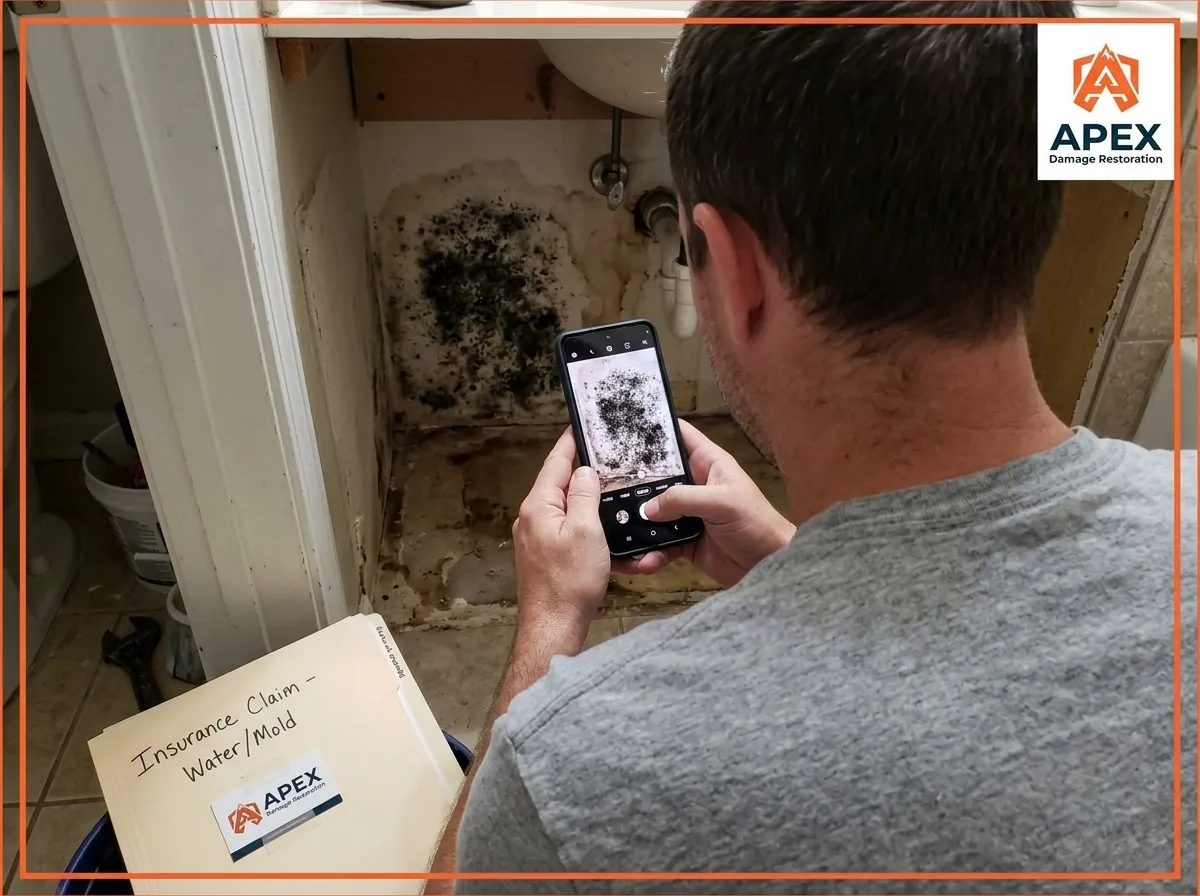
- Photograph all visible mold, water staining, and affected materials before cleanup begins.
- Note the date the moisture event occurred and the date the mold was discovered.
- Contact the insurance company to report the claim as soon as possible after discovery.
- Request the policy's mold coverage details, including the applicable sublimit, from the adjuster.
- Keep receipts for any emergency mitigation performed before the adjuster's inspection.
When to Get a Professional Mold Inspection Before Filing
A professional mold inspection strengthens a claim by providing documented proof of the mold's cause, extent, and species before remediation removes the evidence. Insurers frequently require or request this documentation for claims involving structural mold or black mold specifically. For details on inspection scope and pricing, see the Mold Inspection Cost guide.
Duty to Mitigate and When to Involve a Public Adjuster
Most policies impose a duty to mitigate, which requires the policyholder to take reasonable steps, such as shutting off the water source and starting basic drying, to prevent the damage from worsening before the adjuster arrives. Failing to mitigate can reduce or void a claim even when the original cause was covered, since the insurer only owes for the damage that reasonable action could not have prevented. A policyholder facing a large or contested mold claim can hire a licensed public adjuster, who works on the policyholder's behalf rather than the insurer's, to document damage, estimate remediation costs, and negotiate the settlement; public adjusters typically charge a percentage of the final payout rather than a flat fee.
What to Do If Your Mold Insurance Claim Is Denied
A denied mold insurance claim can often be appealed by supplying additional documentation that clarifies the cause of the moisture and demonstrates the event met the policy's covered-peril definition.
Common Reasons Mold Claims Get Denied
- Cause classified as gradual: The insurer determines the leak occurred over weeks or months rather than suddenly.
- Late reporting: The policyholder reported the mold long after the triggering event occurred.
- Missing documentation: The claim lacks photos, inspection reports, or a clear timeline connecting the mold to a covered peril.
- Exclusion applies: The cause falls under flooding, sewer backup, or humidity without the relevant endorsement.
- Sublimit already exhausted: A prior mold claim on the same policy already used the available sublimit.
- Failure to mitigate: The policyholder did not take reasonable steps to stop the water source or begin drying before further mold growth occurred.
- Pre-existing condition: The insurer's inspection finds evidence the mold predates the policy's effective date or the reported incident.
How to Appeal a Denied Mold Insurance Claim
- 1Request the insurer's written explanation citing the specific policy exclusion applied.
- 2Gather additional evidence, such as plumbing repair records or a professional inspection report, that supports a covered-peril cause.
- 3Submit a written appeal referencing the new documentation within the insurer's stated appeal window.
- 4Request a second inspection or independent adjuster review if the insurer maintains the denial.
- 5Invoke the policy's appraisal clause, if one exists, to have an independent appraiser and umpire resolve a dispute over the amount of loss rather than whether the cause is covered.
- 6File a complaint with the state insurance department if the insurer does not resolve the dispute after appeal.
- 7Consult an attorney before the policy's stated limitation period expires, since most states impose a deadline, often one to several years from the date of loss, for filing a lawsuit against the insurer over a denied claim.
How to Protect Your Mold Coverage Going Forward
Maintaining consistent home upkeep and reporting water events promptly preserves eligibility for mold coverage under a standard policy. Insurers evaluate maintenance history closely when a mold claim arises, since a documented pattern of neglect can void an otherwise qualifying claim.
- Repair leaks immediately: Address any plumbing or appliance leak within days, not weeks, of discovery.
- Control indoor humidity: Keep relative humidity between 30% and 50% to limit condensation-related mold growth.
- Inspect vulnerable areas regularly: Check basements, attics, crawl spaces, and areas beneath appliances for early signs of moisture.
- Document maintenance: Keep receipts and records for plumbing repairs, roof maintenance, and appliance servicing.
- Review mold coverage annually: Confirm the policy's current mold sublimit and consider an endorsement if remediation costs in the area exceed it.
Maintenance Habits Insurers Expect Before a Claim
Insurers expect policyholders to address visible leaks, standing water, and ventilation problems promptly, since a delay between discovery and repair supports a neglect-based denial. Routine plumbing and HVAC inspections, combined with fast response to any water intrusion, keep a future mold claim within the policy's covered-peril definition. Installing a hygrometer or smart water-leak sensor near washing machines, water heaters, and under sinks provides an early warning and creates a timestamped record that can support a covered-peril claim if a sudden failure occurs later. A home warranty, which covers the repair or replacement of home systems and appliances, is a separate product from homeowners insurance and does not cover mold remediation; the two work together only when a home warranty repairs the failed appliance or system while insurance addresses the resulting covered-peril mold damage.
Need Emergency Restoration Help Today?
Call Apex Damage Restoration now for fast priority dispatch across Aurora, CO, a written estimate before work begins, and direct insurance claims assistance.