
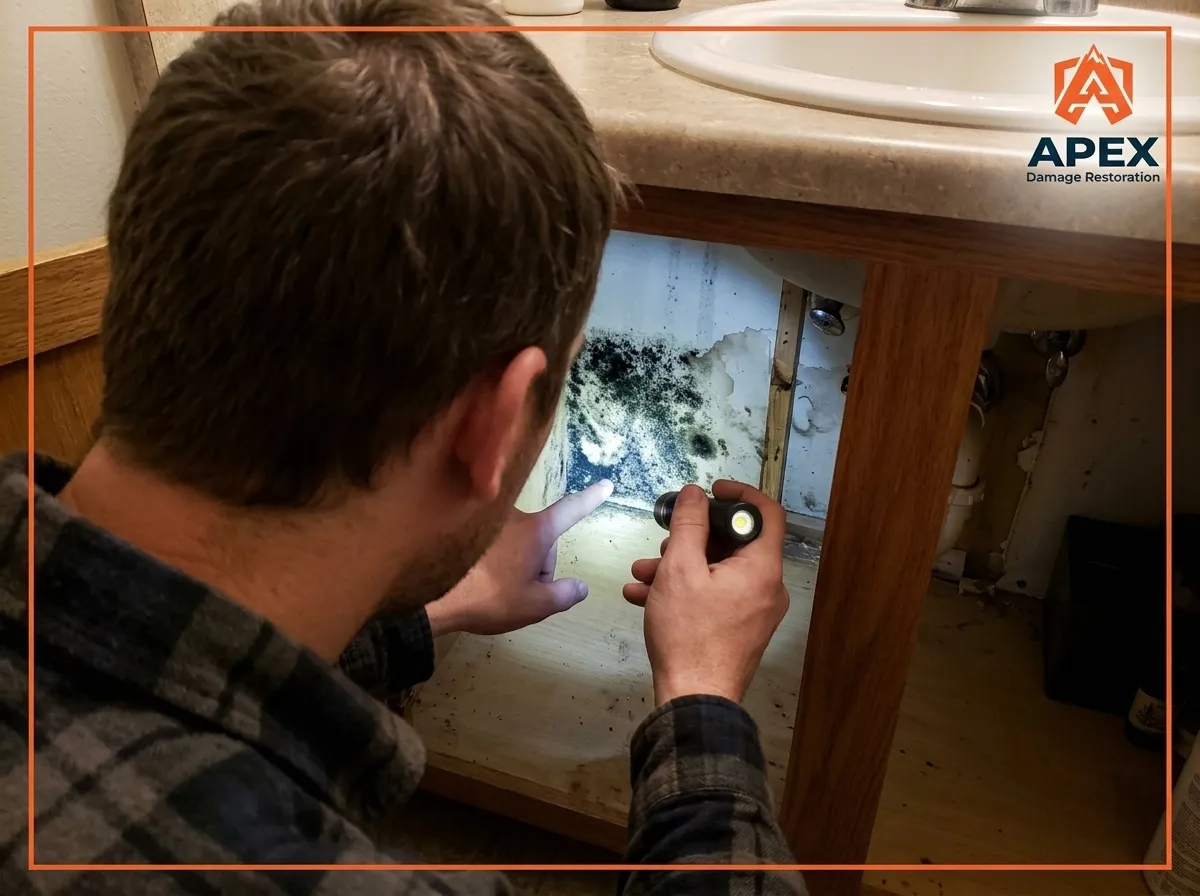
Black mold is a common name for Stachybotrys chartarum, a greenish-black fungus that grows on water-damaged materials with high cellulose content. The organism thrives on surfaces such as drywall, ceiling tiles, wood, and paper that stay wet for an extended period, and it produces a musty odor as it spreads across a colonized surface.
"Black mold" is also used loosely to describe several dark-colored mold species, including Cladosporium and Aspergillus niger, which grow under similar moisture conditions but differ in appearance and health risk profile from Stachybotrys chartarum. A structure develops black mold when relative humidity near a surface stays above 60% or when a leak, flood, or condensation source keeps a material damp for 24 to 48 hours or longer.
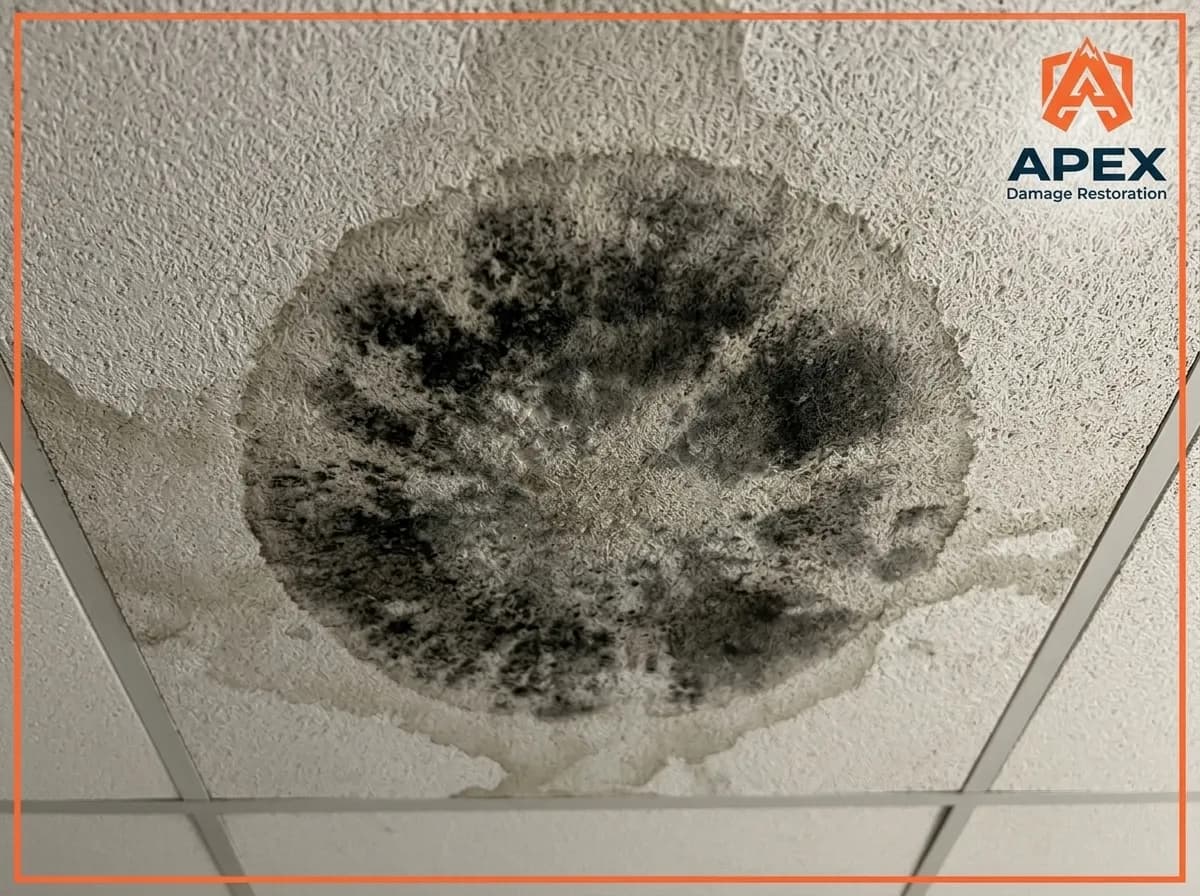
Black mold appears as slimy, dark green-to-black patches with a slightly wet or glossy texture when active, and it dries into a powdery, flaking surface once the moisture source is removed. The fungus reproduces by releasing microscopic spores into the air, which allows colonies to spread from an original water-damaged area to adjacent rooms through HVAC systems or airflow.
Homeowners, property managers, and insurance adjusters use the term "black mold" to flag a property condition that requires professional assessment, since visual color alone does not confirm the mold species or the level of health risk present.
What Does Black Mold Smell Like?
Black mold produces a musty, earthy odor caused by microbial volatile organic compounds (MVOCs) released as the fungus digests organic material. The smell resembles wet soil, old paper, or a damp basement, and it typically strengthens in enclosed or poorly ventilated spaces.
The odor often signals mold growth behind walls, under flooring, or in other locations not visible during a routine inspection. A persistent musty smell without a visible source is one of the reasons property inspectors recommend a professional mold inspection rather than relying on a visual check alone.
What is the Main Cause of Black Mold?
Sustained moisture exposure on an organic material causes black mold to grow. The fungus requires a food source, such as cellulose in drywall, wood, or paper, combined with a relative humidity above 60% or direct water contact for at least 24 to 48 hours.
Water intrusion creates the conditions black mold needs to establish a colony. Once spores land on a damp, organic surface, the fungus begins digesting the material and expanding outward as long as moisture remains present. Removing the moisture source stops new growth but does not eliminate an existing colony, since dormant spores can reactivate if the material becomes wet again.
Common causes of black mold growth include:
- Roof or plumbing leaks: Water intrusion from a damaged roof, pipe, or appliance saturates drywall, insulation, and wood framing over time.
- Flooding: Standing water from storms, sewer backups, or burst pipes soaks porous materials throughout a structure.
- High indoor humidity: Relative humidity above 60%, often from poor ventilation or a malfunctioning HVAC system, keeps surfaces consistently damp.
- Condensation: Temperature differences between indoor air and cold surfaces, such as pipes or windows, produce moisture buildup on nearby materials.
- Poor drainage: Grading or gutter systems that direct water toward a foundation raise moisture levels in basements and crawl spaces.
Where Does Black Mold Grow?
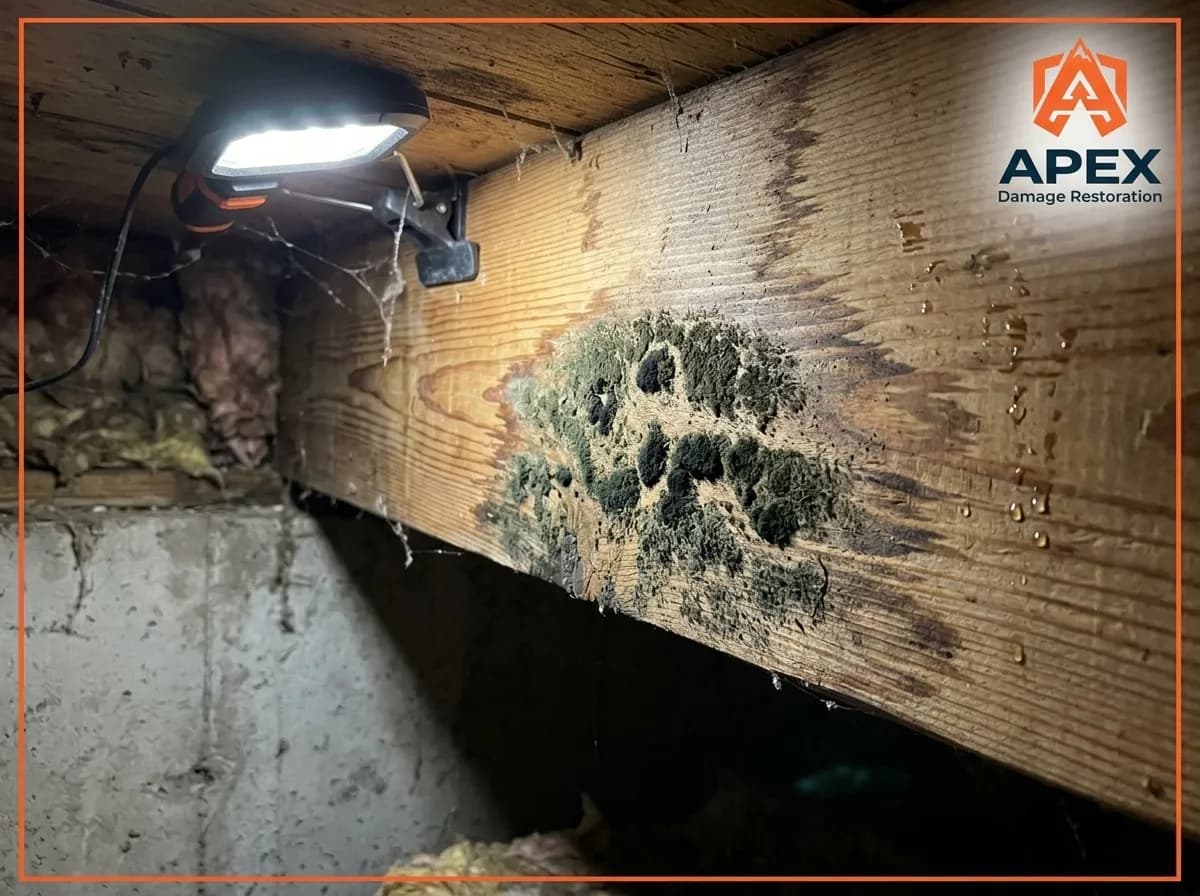
Black mold grows in areas of a structure that stay damp, poorly ventilated, and out of direct sunlight. The fungus favors locations where water intrusion or condensation persists without regular airflow to dry the surface.
Bathrooms, basements, and crawl spaces account for a large share of black mold cases because these areas combine high humidity with limited ventilation. Attics develop black mold when roof leaks or inadequate insulation allow condensation to collect on the underside of the roof deck.
Common locations for black mold growth include:
- Bathrooms: Shower stalls, tile grout, and areas around bathtubs and sinks with limited ventilation.
- Basements: Concrete walls and framing exposed to groundwater seepage or flooding.
- Crawl spaces: Dirt or concrete flooring beneath a home where humidity collects without ventilation.
- Attics: Roof decking and insulation affected by leaks or condensation.
- Around windows: Window sills and frames where condensation forms during temperature swings.
- Behind walls: Drywall cavities affected by hidden plumbing leaks.
- HVAC systems: Ductwork and drip pans where condensation accumulates without regular maintenance.
How to Safely Remove Black Mold
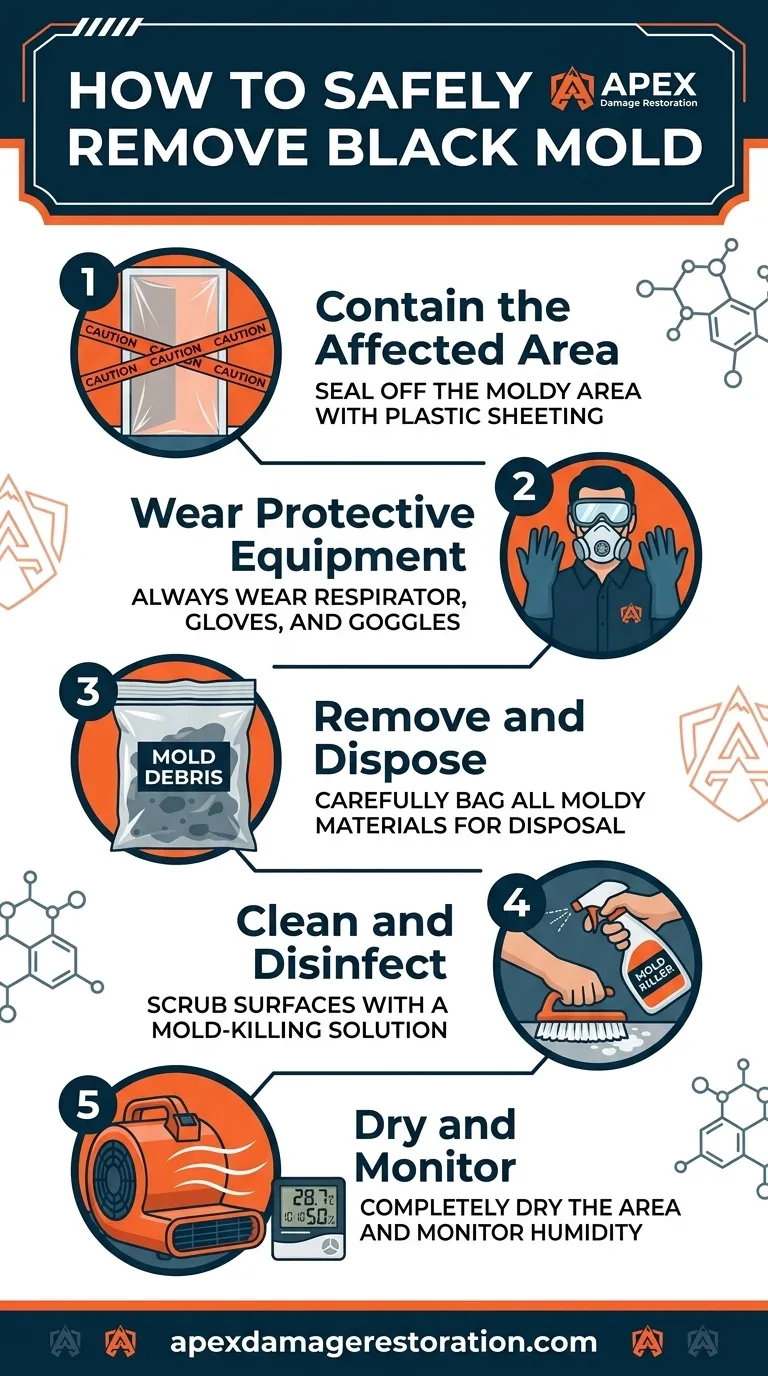
Safe black mold removal requires containing the affected area, using personal protective equipment, and removing contaminated materials before disinfecting the remaining surfaces. The process follows IICRC S520 mold remediation guidelines for containment, air filtration, and material disposal to prevent spore spread to unaffected areas of a structure.
A homeowner can address small, isolated patches of mold on non-porous surfaces using the steps below. Larger infestations, mold behind walls, or mold covering more than 10 square feet require a certified mold remediation professional, since improper handling can spread spores throughout the HVAC system and into unaffected rooms.
Contain the Affected Area
Seal the work area with plastic sheeting and tape to prevent mold spores from spreading to adjacent rooms during removal. Close HVAC vents in the affected room and turn off the system to stop airflow from carrying spores through the ductwork.
Wear Protective Equipment
Put on an N-95 respirator, gloves, and eye protection before disturbing any mold-affected material. Disposable coveralls prevent spores from transferring to clothing and other areas of the home during the removal process.
Remove and Dispose of Moldy Materials
Cut out and remove porous materials with visible mold growth, including drywall, insulation, and carpet padding, since cleaning does not eliminate mold embedded in these surfaces. Seal removed materials in plastic bags before carrying them through the home to limit spore release.
Clean and Disinfect Surfaces
Scrub non-porous surfaces, such as tile, glass, and metal, with a detergent solution or a diluted bleach solution to remove remaining mold residue. Allow cleaned surfaces to dry completely before removing containment barriers.
Dry and Monitor the Area
Run dehumidifiers and air movers to reduce moisture levels below 60% relative humidity and confirm the area stays dry. Monitor the treated area for 48 to 72 hours to verify mold does not return before restoring normal airflow to the room.
How Much Does Black Mold Removal Cost?
Professional black mold removal typically costs between $1,109 and $3,112, with most homeowners paying close to $2,056. Small, contained spots can start around $500, while severe, multi-room infestations can exceed $6,000. Final cost depends on the affected square footage, the extent of material removal required, and accessibility of the contaminated area.
In the Denver Metro area, including Aurora, CO, 2026 pricing generally falls within this national range, with older housing stock near the South Platte River and Cherry Creek drainage areas seeing costs toward the higher end due to a greater likelihood of basement and crawl space moisture intrusion.
Small Areas (under 10 sq ft)
Small black mold removal jobs in the Denver Metro area, including Aurora, CO, typically cost $450 to $750 in 2026. This price range covers containment, PPE, and removal of a single affected surface, such as a section of bathroom drywall or shower grout, completed within a single service visit.
Medium Areas (10-100 sq ft)
Medium-sized black mold jobs in the Aurora and greater Denver Metro area typically cost $750 to $1,800 in 2026. This range applies to a single room with wall or ceiling involvement, such as a bathroom, closet, or section of a basement, and includes material removal, disinfection, and drying equipment for one to two days.
Large Areas (100-500 sq ft)
Large-area black mold remediation in the Denver Metro region, including Aurora, CO, typically costs $1,800 to $3,800 in 2026. Jobs at this scale often involve multiple rooms or a full basement level, requiring extended containment, additional drying equipment, and two to four days of labor.
Whole-House Remediation
Whole-house black mold remediation in the Denver Metro area, including Aurora, CO, typically costs $3,800 to $6,500 or more in 2026. This range applies to infestations that have spread through the HVAC system or across multiple floors, requiring full containment zones, extensive material replacement, and post-remediation clearance testing.
What is the Difference Between Black Mold and Mildew?
Black mold and mildew differ primarily in color, texture, and the surface depth at which each organism grows. Mildew forms a flat, powdery growth that stays on the surface of a material, while black mold penetrates deeper into porous materials such as drywall and wood framing.
Mildew typically appears white, gray, or light yellow and develops a downy or powdery texture on surfaces such as bathroom tile, shower grout, and fabric. Black mold appears dark green to black with a slimy or fuzzy texture when active, and it commonly forms irregular patches rather than mildew's even, surface-level coating.
Mildew growth generally responds to surface cleaning with a household cleaner or a mildew-specific spray, since the organism does not penetrate the material it grows on. Black mold requires removal of the affected material in most cases, because the fungal structure extends into the substrate and surface cleaning does not eliminate the colony at its root.
Both organisms require sustained moisture to grow, but black mold develops more often in areas with standing water, chronic leaks, or flood damage, while mildew develops in areas with high humidity and limited airflow, such as bathrooms and closets.
Does Insurance Cover Black Mold Removal?
Homeowners insurance covers black mold removal only when the mold results from a covered peril, such as a sudden pipe burst, rather than long-term neglect or gradual leaks. Most standard policies exclude mold damage caused by ongoing moisture problems that a homeowner failed to address in a reasonable timeframe.
Insurers generally require documentation showing the mold developed within a short period after a covered water event, along with photos and a professional assessment. Homeowners filing a mold-related claim should review their policy's specific black mold coverage limits, since many insurers cap mold remediation payouts well below the total cost of a large-scale infestation.
What Kills Black Mold Naturally?
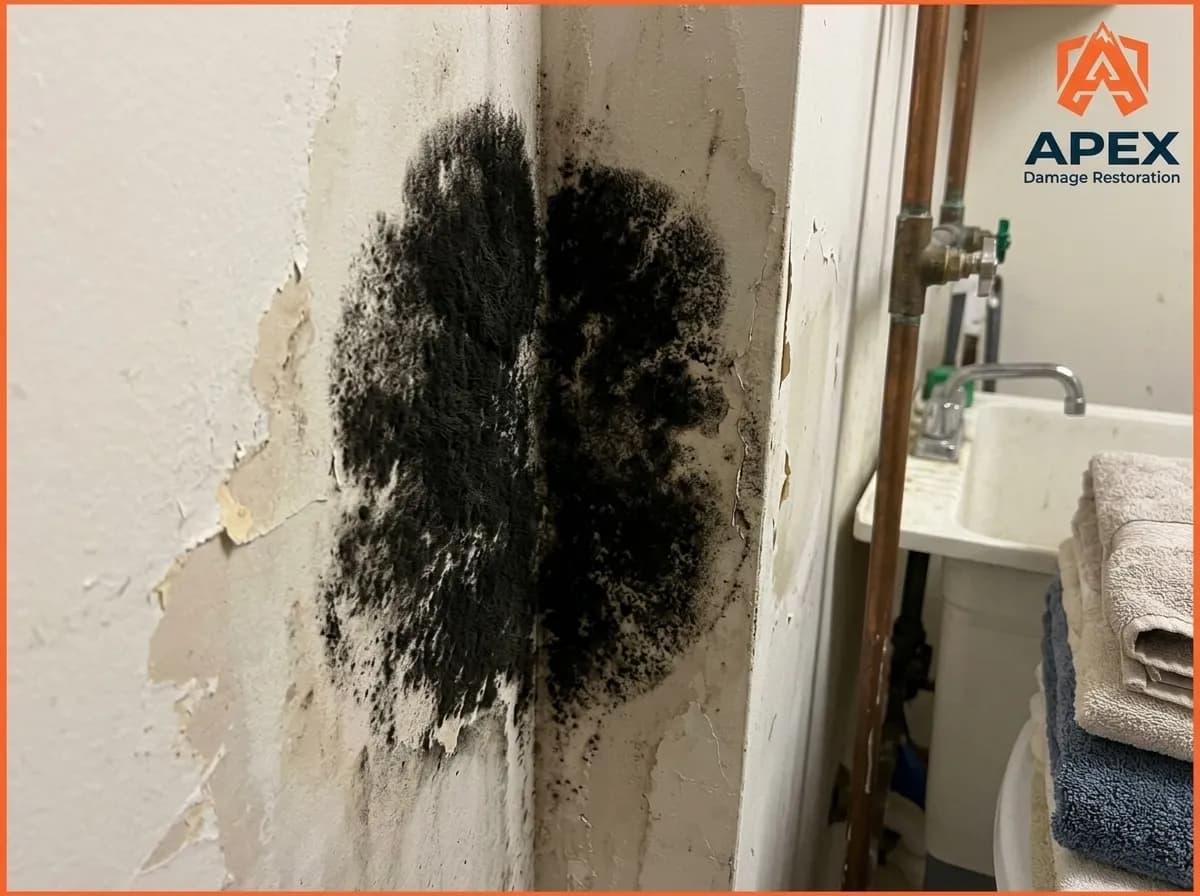
White vinegar, hydrogen peroxide, and tea tree oil kill black mold on non-porous surfaces without the fumes associated with chlorine bleach. These natural treatments work by breaking down the mold's cell structure or altering the surface pH to a level the fungus cannot survive.
Natural treatments remain effective for small, surface-level mold on tile, glass, and sealed countertops, but they do not penetrate porous materials such as drywall or wood deeply enough to eliminate an established colony. Natural mold killers include:
- White vinegar: Undiluted vinegar applied directly to the surface kills many common mold species within one hour of contact.
- Hydrogen peroxide: A 3% solution breaks down mold's cellular structure and works as a mild bleaching agent on stained surfaces.
- Tea tree oil: A diluted solution of tea tree oil and water inhibits mold growth and leaves an antimicrobial residue after application.
- Baking soda: A baking soda and water paste scrubs away surface mold while absorbing residual moisture and odor.
- Direct sunlight: UV exposure kills surface mold spores on portable items and small affected areas that can be moved outdoors.
What Are the Health Effects of Black Mold?
Black mold exposure causes allergic and respiratory symptoms in most healthy individuals, with more severe reactions occurring in people with asthma, allergies, or compromised immune systems. The U.S. Environmental Protection Agency identifies mold as a common trigger for upper respiratory symptoms and allergic reactions in sensitive individuals.
Reported health effects from black mold exposure include:
- Nasal and sinus irritation: Congestion, sneezing, and a runny nose develop from airborne spore exposure in affected rooms.
- Coughing and throat irritation: Airway irritation from inhaled spores produces a persistent cough or scratchy throat.
- Eye irritation: Redness, itching, and watering occur when spores contact the eyes directly.
- Skin irritation: Direct contact with mold-affected surfaces can cause rash or itching in sensitive individuals.
- Asthma exacerbation: Individuals with asthma experience increased frequency or severity of attacks in mold-affected environments.
- Headaches: Prolonged exposure in poorly ventilated, mold-affected spaces is commonly reported alongside respiratory symptoms.
Can Black Mold Make You Sick?
Black mold can make you sick, primarily through allergic reactions and respiratory irritation rather than acute poisoning. Symptoms typically include coughing, sneezing, nasal congestion, and eye or skin irritation that develop after repeated exposure in an affected space.
People with asthma, mold allergies, or weakened immune systems face a higher risk of more pronounced symptoms, including asthma attacks or respiratory infections. The Centers for Disease Control and Prevention states that while mold exposure is linked to these respiratory and allergic effects, scientific evidence connecting mold exposure to more severe, systemic illness remains limited.
What Is Black Mold Poisoning?
Black mold poisoning, also called toxic mold syndrome, refers to a disputed set of symptoms some individuals attribute to prolonged exposure to mycotoxins produced by Stachybotrys chartarum. Reported symptoms include chronic fatigue, headaches, respiratory irritation, and cognitive difficulties, though the CDC states current scientific evidence does not establish a confirmed link between mold exposure and this broader symptom pattern.
Individuals who experience persistent symptoms in a mold-affected building should document symptom onset, request a professional mold assessment, and consult a physician to rule out other causes before attributing symptoms to mold exposure.
How to Treat Black Mold Poisoning?
Treating suspected black mold poisoning starts with removing the individual from the affected environment and addressing the mold source before pursuing symptom-specific care. A physician can evaluate respiratory or allergic symptoms and recommend antihistamines, decongestants, or asthma medication based on the individual's specific presentation.
Individuals with persistent or severe symptoms should seek evaluation from an allergist or occupational health specialist, since symptom treatment without eliminating the mold source typically results in symptoms returning after exposure resumes. Remediating the affected property with a certified mold removal service addresses the root cause alongside any medical treatment.
What Happens If You Breathe in Black Mold?
Breathing in black mold spores triggers an inflammatory response in the respiratory tract, leading to coughing, sneezing, and nasal or throat irritation in most people. Individuals with asthma or mold allergies experience a stronger reaction, including wheezing, shortness of breath, or an asthma flare-up.
Repeated inhalation of spores in a heavily contaminated space increases the likelihood of a respiratory infection or prolonged allergic symptoms, particularly for children, older adults, and individuals with existing lung conditions. Leaving an affected area and ventilating the space reduces spore concentration and typically eases symptoms within a short period after exposure ends.
How to Prevent Black Mold Growth in Your Home?
Preventing black mold growth requires controlling indoor humidity, repairing water leaks promptly, and maintaining consistent airflow throughout a structure. Keeping indoor relative humidity below 60%, and ideally between 30% and 50%, removes the moisture conditions black mold needs to establish a colony.
Homeowners can reduce black mold risk by addressing leaks within 24 to 48 hours of discovery, since this window matches the timeframe mold typically needs to begin growing on a wet surface. Running exhaust fans in bathrooms and kitchens, using a dehumidifier in basements and crawl spaces, and inspecting attics and crawl spaces periodically for hidden moisture all limit the conditions that allow mold to establish. Sealing gaps around windows and maintaining gutters and grading to direct water away from the foundation further reduces the risk of chronic moisture intrusion.
Top Facts About Black Mold
Black mold behaves differently from many other household mold species in growth rate, environmental requirements, and structural impact. The following facts summarize its most relevant characteristics for homeowners assessing a potential infestation.
- Black mold requires 24 to 48 hours of sustained moisture exposure to begin colonizing an organic surface.
- The species Stachybotrys chartarum needs a relative humidity above 90% directly at the material surface to thrive, higher than many common household molds.
- Black mold spreads primarily through airborne spore release rather than direct surface contact.
- Visible black mold often indicates a larger hidden colony behind walls, flooring, or ceiling materials.
- Black mold cannot be reliably identified by color alone; laboratory testing confirms the specific species present.
- The fungus digests cellulose-based materials, including drywall paper backing, wood, and cardboard.
- Black mold dies when the moisture source is removed but leaves dormant spores capable of reactivating if the area becomes wet again.
- Bleach kills black mold on non-porous surfaces but does not eliminate colonies embedded in porous materials.
- HVAC systems can spread black mold spores throughout a structure when ductwork or drip pans stay contaminated.
- Professional remediation follows IICRC S520 standards for containment, filtration, and safe material disposal.
FAQs About Black Mold
Need Emergency Restoration Help Today?
Call Apex Damage Restoration now for fast priority dispatch across Aurora, CO, a written estimate before work begins, and direct insurance claims assistance.