
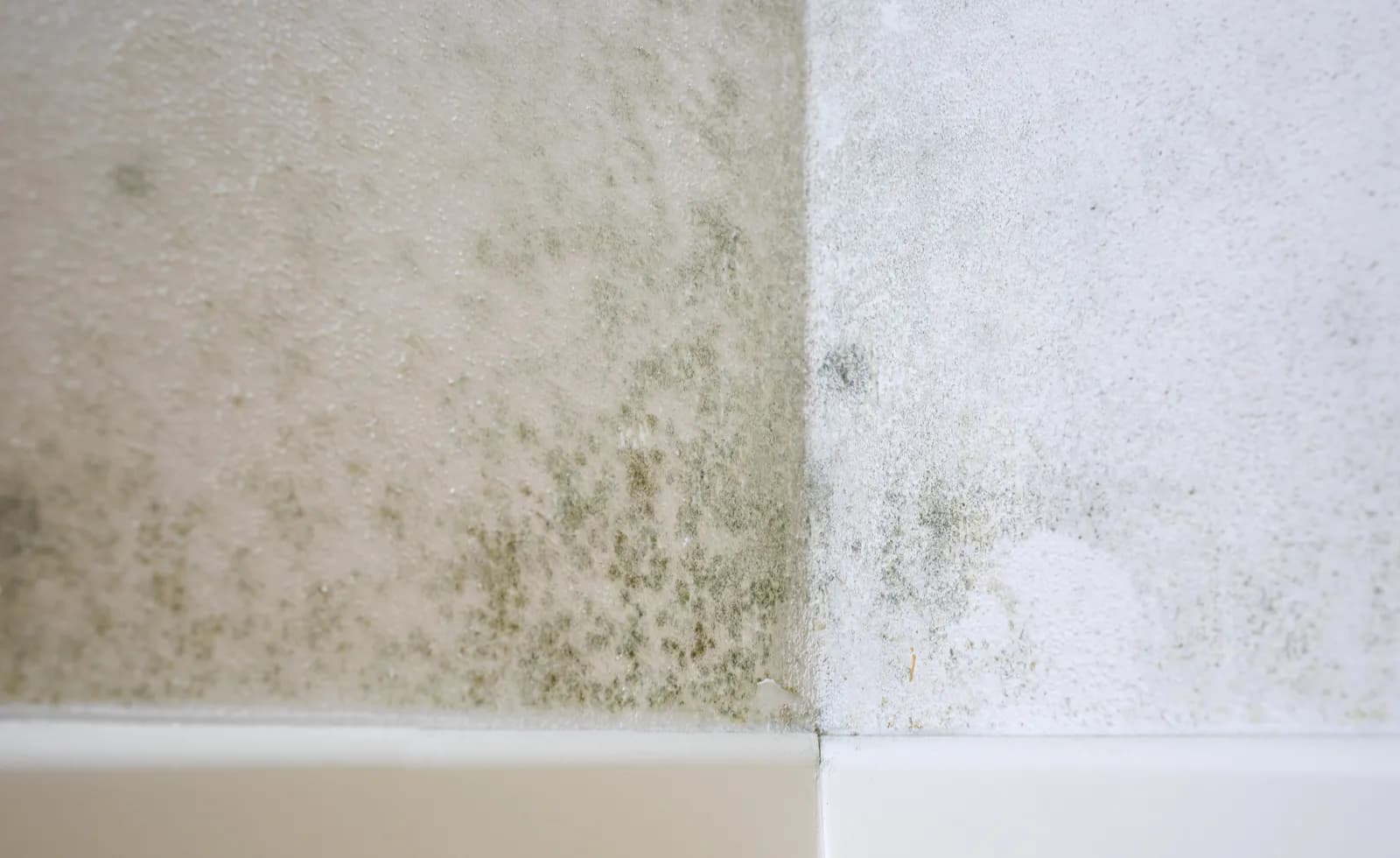
Mold identification starts with color and location, since most homeowners notice a growth long before they know its species name. Thousands of mold species exist, but only a small number regularly appear in homes, and each type carries a different level of health risk. This guide explains how many mold types exist, how to identify the most common household species by color, and which types require professional attention.
Mold is a type of fungus that reproduces through airborne spores rather than seeds. A mold colony develops when spores land on a surface that provides moisture, an organic food source such as wood, paper, or dust, and a temperature range that most household environments already meet. These three conditions explain why mold growth concentrates around leaks, condensation points, and areas with limited airflow rather than spreading evenly throughout a structure.
Mold species divide into three general health classifications: allergenic, pathogenic, and toxigenic. Allergenic molds trigger allergy and asthma symptoms in sensitized individuals but do not produce toxic compounds. Pathogenic molds can cause infections in people with weakened immune systems. Toxigenic molds produce mycotoxins under certain growth conditions, and exposure can affect occupants regardless of allergy status. Most species identified in homes fall into the allergenic category, while a smaller subset carries pathogenic or toxigenic risk.
Household mold typically grows in bathrooms, basements, attics, crawl spaces, and HVAC systems, since these areas retain moisture longer than the rest of a structure. Surface color offers an initial identification clue, but confirming the exact species requires laboratory testing, since several genera produce similar black, green, or gray growth patterns.
How Many Types of Mold Are There?
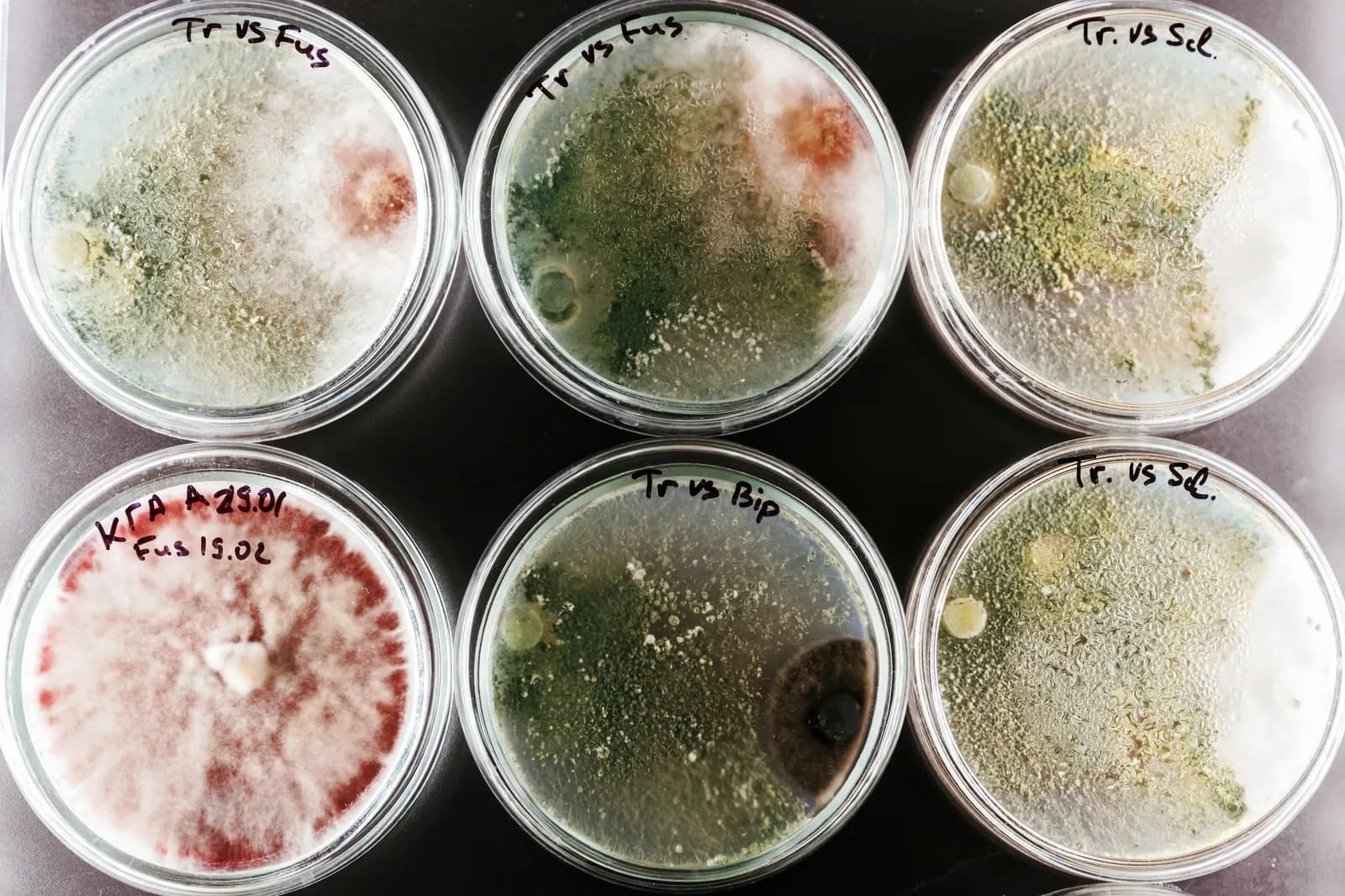
Scientists have identified more than 100,000 species of mold, and researchers estimate the true number could reach into the hundreds of thousands. Only a few dozen of these species commonly grow in damp indoor environments such as homes, offices, and commercial buildings. The overwhelming majority of known mold species live outdoors in soil, plant material, and organic debris, which is why homeowners typically encounter the same small set of indoor genera regardless of location.
Indoor mold contamination in the United States traces back to a limited group of genera, including Stachybotrys, Aspergillus, Cladosporium, Penicillium, and Alternaria. Each genus contains multiple species with distinct pigments, spore structures, and growth requirements, which is why two samples of the same color can belong to entirely different genera. Laboratories classify these species using genus and species names, such as Stachybotrys chartarum or Aspergillus flavus, rather than relying on color alone.
The Centers for Disease Control and Prevention groups indoor mold species by health classification rather than by appearance. Allergenic species, including most Cladosporium and Alternaria strains, account for the largest share of indoor mold complaints. Toxigenic species, including Stachybotrys chartarum and select Aspergillus and Penicillium strains, represent a smaller percentage of total indoor mold findings but require more thorough remediation due to their capacity to produce mycotoxins under sustained moisture exposure.
What Are The Common Types of Household Mold?
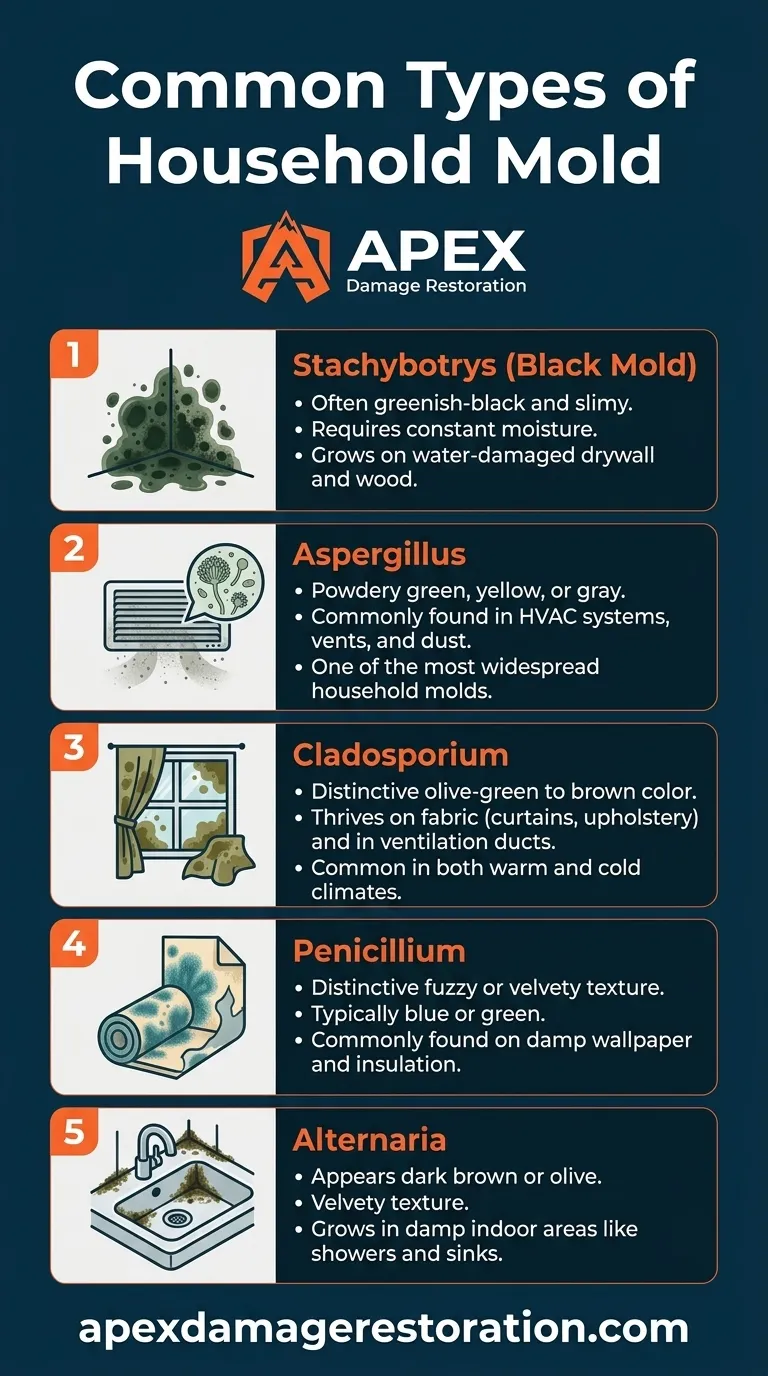
Several mold genera account for most of the contamination found in residential and commercial buildings. Each genus has a distinct appearance, growth pattern, and health classification.
Stachybotrys Chartarum (Black Mold)
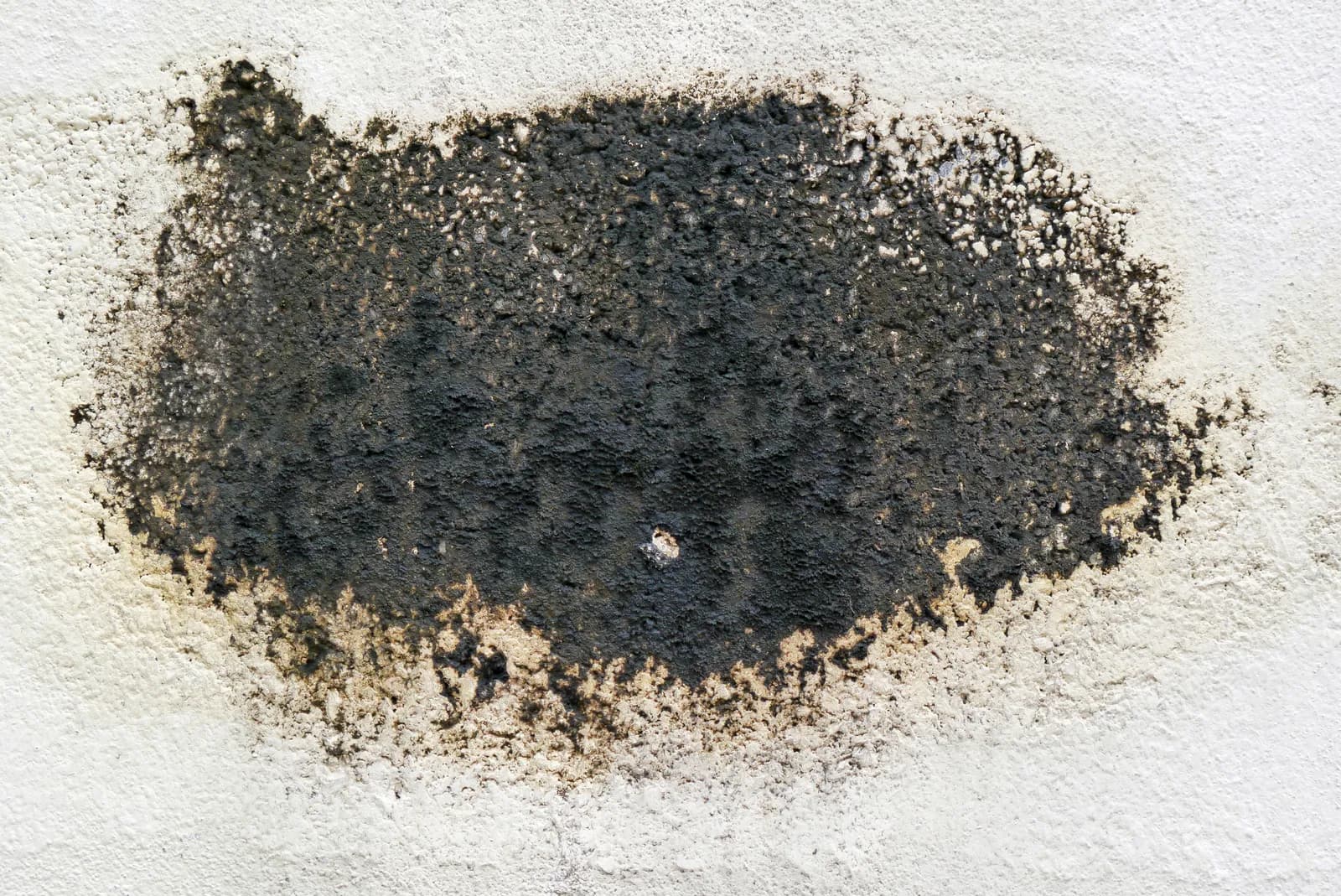
Stachybotrys chartarum is a greenish-black mold that grows on high-cellulose materials such as drywall paper, wood, and ceiling tiles following prolonged water exposure. The species requires sustained moisture to colonize, which is why it typically appears after flooding, roof leaks, or plumbing failures rather than routine humidity. Stachybotrys chartarum falls into the toxigenic category because it can produce mycotoxins under certain growth conditions.
Stachybotrys chartarum produces mycotoxins known as trichothecenes when moisture remains present for an extended period, typically requiring relative humidity above 55% for multiple consecutive days. The species grows more slowly than Aspergillus or Penicillium, often taking one to two weeks to become visible after a water intrusion event.
Exposure to Stachybotrys chartarum has been associated with respiratory irritation, coughing, and eye irritation in occupants of affected buildings. The IICRC S520 Standard for Professional Mold Remediation classifies areas with confirmed Stachybotrys growth as requiring containment and professional removal rather than surface cleaning.
- Appearance: Dark greenish-black, slimy when wet and brittle when dry.
- Locations: Drywall, ceiling tiles, and wood surfaces exposed to prolonged water damage.
- Risk: Classified as toxigenic; capable of producing mycotoxins that can affect anyone exposed, regardless of allergy status.
Aspergillus
Aspergillus is a powdery mold that appears green, yellow, or gray and commonly develops on food, dust, and HVAC components. The genus includes more than 180 species, some of which are allergenic and others of which, such as Aspergillus flavus, can produce mycotoxins. Aspergillus spores spread efficiently through air ducts, making HVAC systems a frequent colonization site.
Aspergillus fumigatus and Aspergillus niger represent the two species most frequently identified in residential air quality testing. Aspergillus fumigatus falls into the pathogenic category because it can cause a lung infection called aspergillosis in individuals with compromised immune systems or existing respiratory conditions.
Aspergillus flavus produces a mycotoxin called aflatoxin under specific growth conditions, a compound the FDA regulates in food products due to its classified carcinogenic properties. Aspergillus colonies typically appear within 24 to 48 hours on organic dust when moisture and temperature conditions align.
- Appearance: Powdery green, yellow, or gray growth.
- Locations: Food, household dust, and HVAC components and ductwork.
- Risk: Varies by species; some are allergenic while others, such as Aspergillus flavus, can produce mycotoxins.
Cladosporium
Cladosporium is a dark green or black mold that thrives on fabrics, wood, and fiberglass duct lining. Unlike Stachybotrys chartarum, Cladosporium tolerates cooler temperatures and lower moisture levels, which allows it to colonize surfaces that stay only intermittently damp. Cladosporium is classified as allergenic and is a common trigger for seasonal respiratory symptoms.
Cladosporium ranks among the most common outdoor mold genera worldwide and enters buildings primarily through open windows, doors, and HVAC air intakes. Certain Cladosporium species tolerate temperatures near freezing, a trait uncommon among indoor mold genera and one reason it persists in refrigerated or unheated spaces.
The National Allergy Bureau tracks Cladosporium spore counts alongside ragweed and grass pollen due to its consistent contribution to seasonal allergy symptoms. No Cladosporium species identified to date produce mycotoxins, which keeps the genus in the allergenic rather than toxigenic classification.
- Appearance: Olive-green, brown, or black spots.
- Locations: Fiberglass air ducts, window frames, and damp areas like bathrooms and basements.
- Risk: Classified as allergenic; prolonged exposure can trigger asthma flare-ups and respiratory irritation in sensitized individuals.
Penicillium
Penicillium is a blue, green, or fuzzy-textured mold that frequently colonizes water-damaged wallpaper, insulation, and fabric. The genus spreads quickly once moisture is present and is among the first molds to appear after a leak or flood. Most Penicillium species are allergenic, though some produce mycotoxins under prolonged growth.
Certain Penicillium species serve industrial purposes, including antibiotic production and cheese ripening, but the strains found in residential water damage differ from those cultivated species and are treated strictly as contaminants. Household Penicillium colonies often appear within 24 to 48 hours of a water intrusion event, making it one of the fastest-colonizing indoor genera.
Penicillium spores remain airborne longer than heavier spore types, which allows the genus to spread across a structure through HVAC circulation before visible growth appears on a single surface.
- Appearance: Blue or green, fuzzy surface texture.
- Locations: Water-damaged wallpaper, insulation, and fabric.
- Risk: Mostly allergenic; some species can produce mycotoxins under prolonged, unaddressed growth.
Alternaria
Alternaria is a dark brown or olive mold with a velvety texture that commonly grows in showers, under sinks, and around window frames where condensation collects. The genus is one of the most frequent outdoor and indoor allergy triggers and is closely associated with asthma symptoms in sensitized individuals.
Alternaria spores originate primarily in soil, decaying plants, and crop debris, then travel indoors on shoes, clothing, and open windows before establishing colonies on consistently damp bathroom grout and sills. The genus grows rapidly in humid conditions and produces some of the largest spores among common indoor mold types.
Research funded by the National Institutes of Health has linked Alternaria sensitization to increased asthma severity in children, making it one of the few indoor mold genera with a documented connection to a specific respiratory condition in published clinical studies.
- Appearance: Dark brown or olive, velvety texture.
- Locations: Showers, under sinks, and window frames where condensation collects.
- Risk: Classified as allergenic; a frequent trigger of asthma and allergy symptoms in sensitized individuals.
Types of Mold by Color
Most homeowners identify mold by its color and texture rather than by species name, since visible appearance is the first and often only clue available without lab testing.
Black Mold
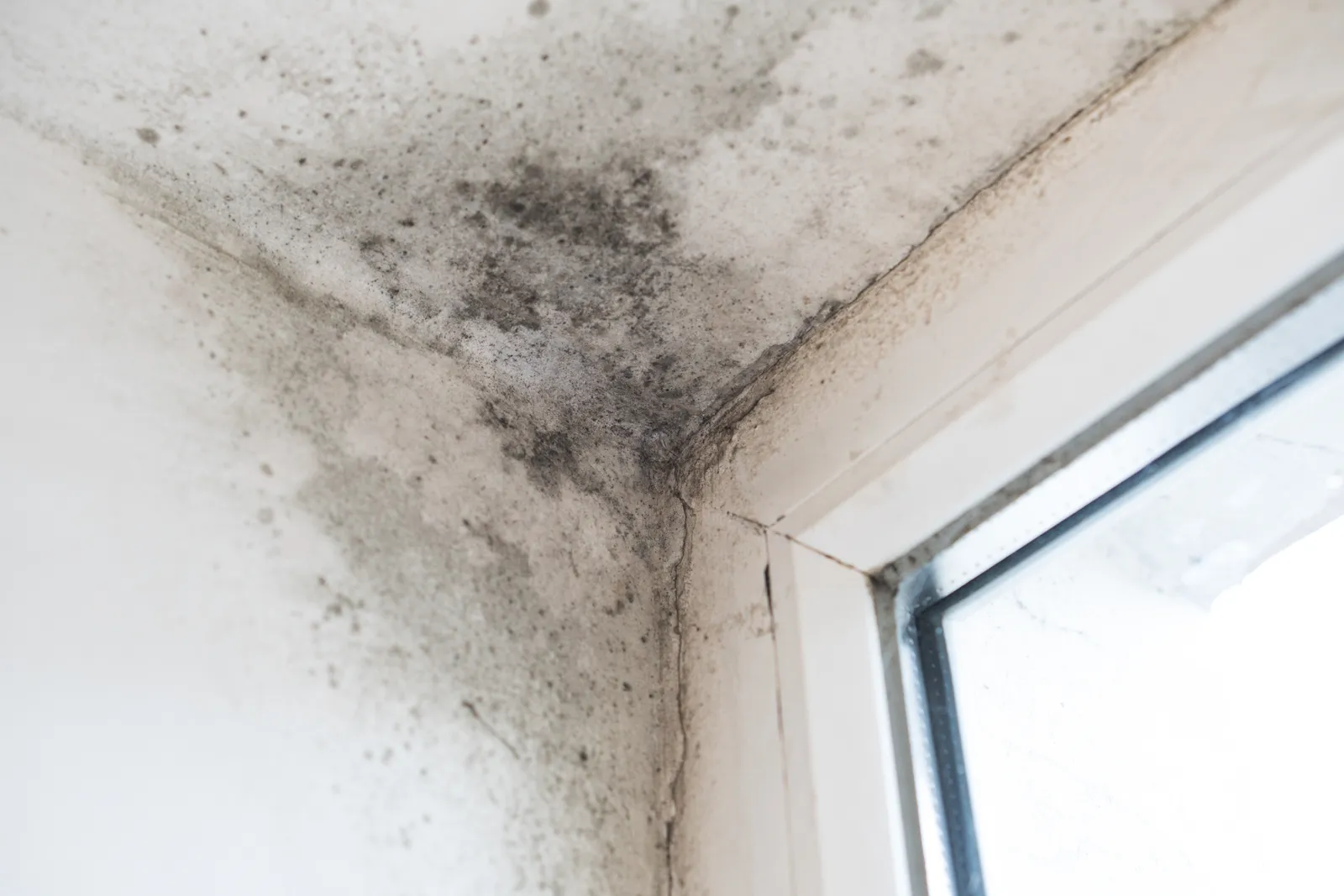
Black mold is a general term for fungal growth that appears black or dark greenish-black, and it can refer to more than one species. Stachybotrys chartarum is the species most often called "black mold" and carries the scientific classification most associated with the term, but Aspergillus niger and certain Cladosporium species can also appear black. Black mold is caused by prolonged moisture exposure, typically from water damage, high indoor humidity, or poor ventilation, and it commonly grows on drywall, grout, bathroom tile, and HVAC components.
White Mold
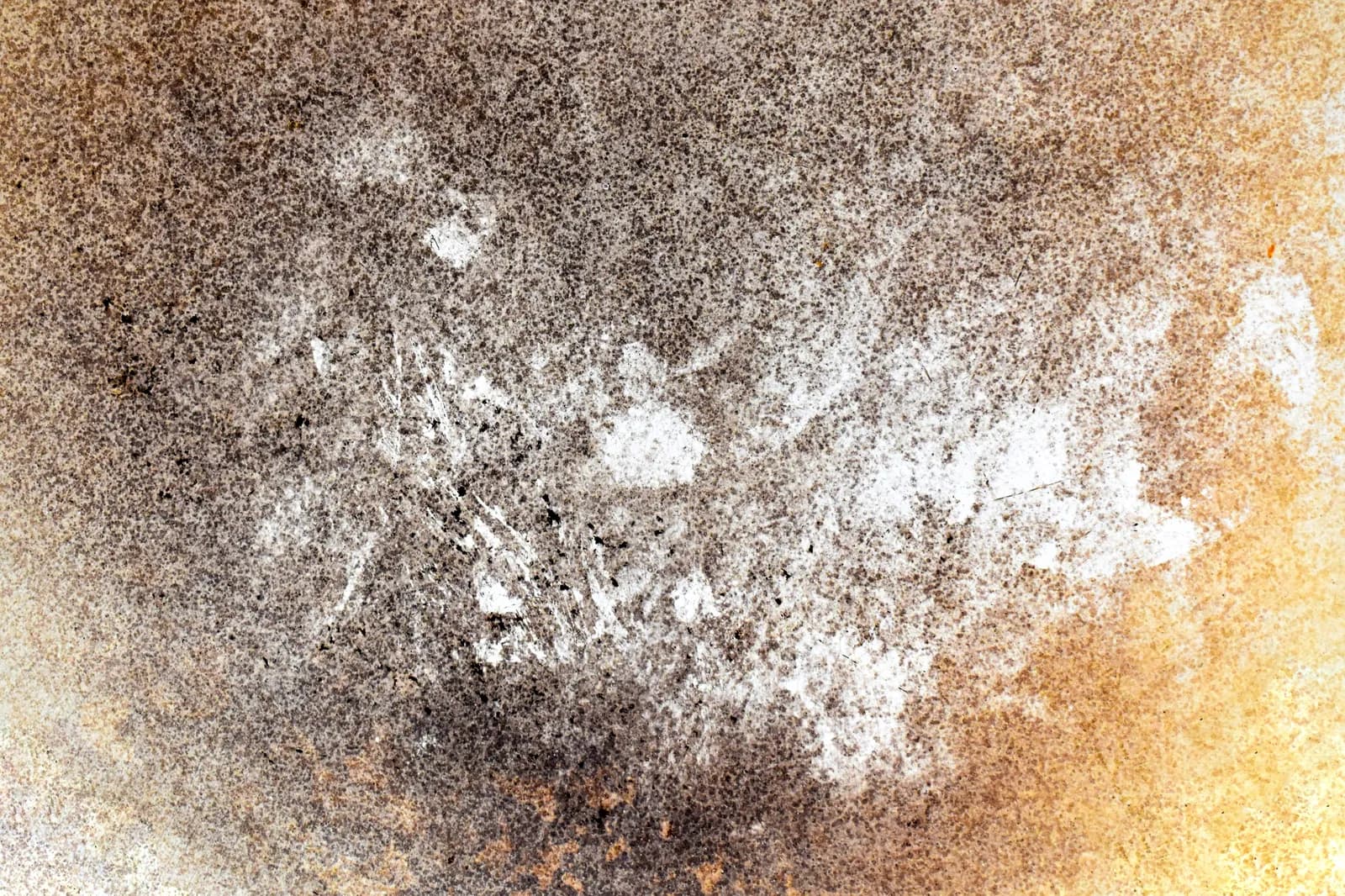
White mold refers to fungal growth that appears white, gray, or pale yellow, often with a powdery or thread-like texture. White coloring frequently indicates an early growth stage, since many mold species lighten or darken in color as spores mature. White mold commonly grows on wood, drywall, and other organic building materials, and it can be mistaken for efflorescence, a white mineral deposit left by evaporating water that is not biological.
Green Mold
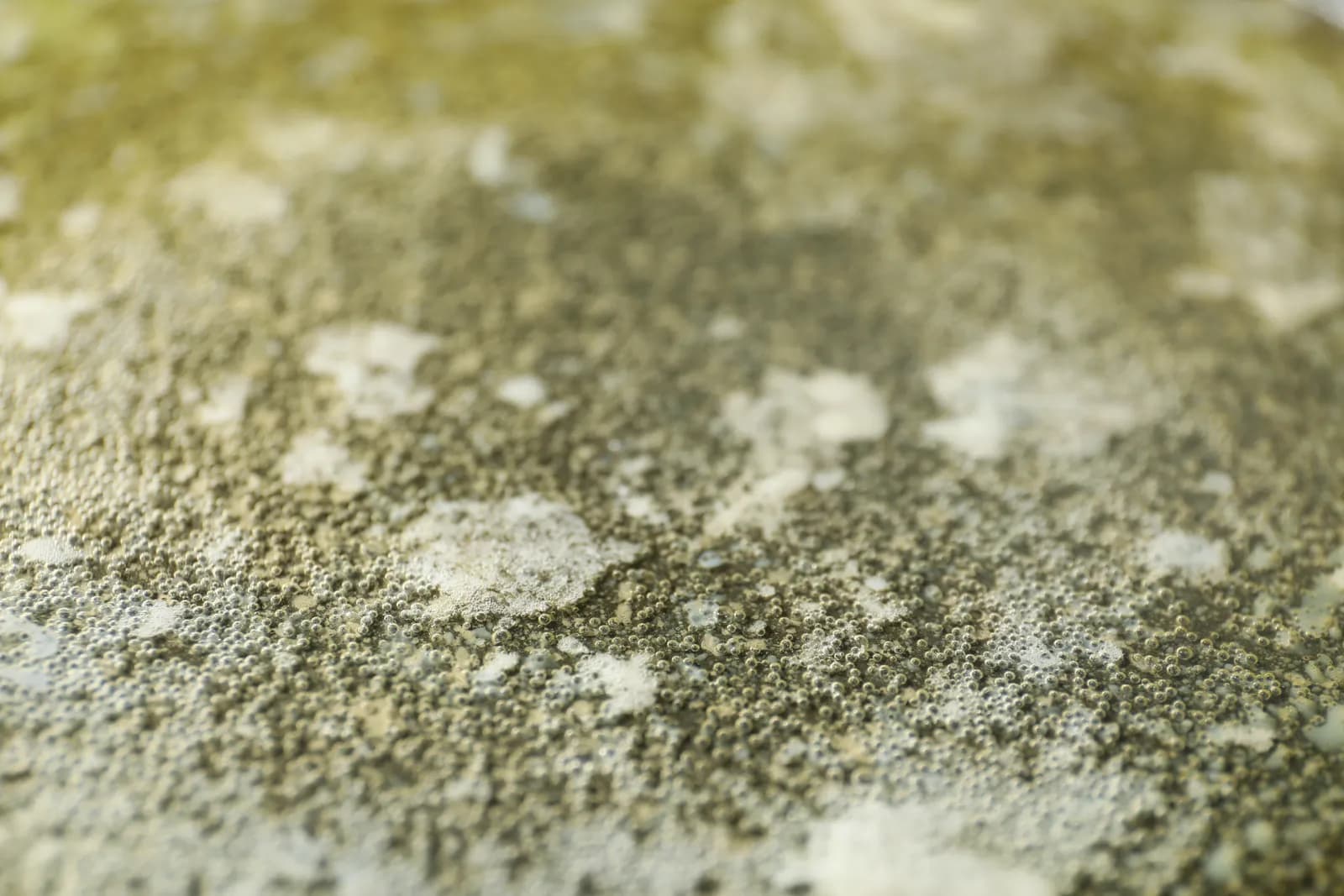
Green mold typically indicates Cladosporium or Aspergillus colonization and appears as a fuzzy or powdery green surface growth. Green mold commonly develops on carpets, walls affected by condensation, and stored food, and its shade can range from olive to bright green depending on the species and growth stage.
Pink Mold
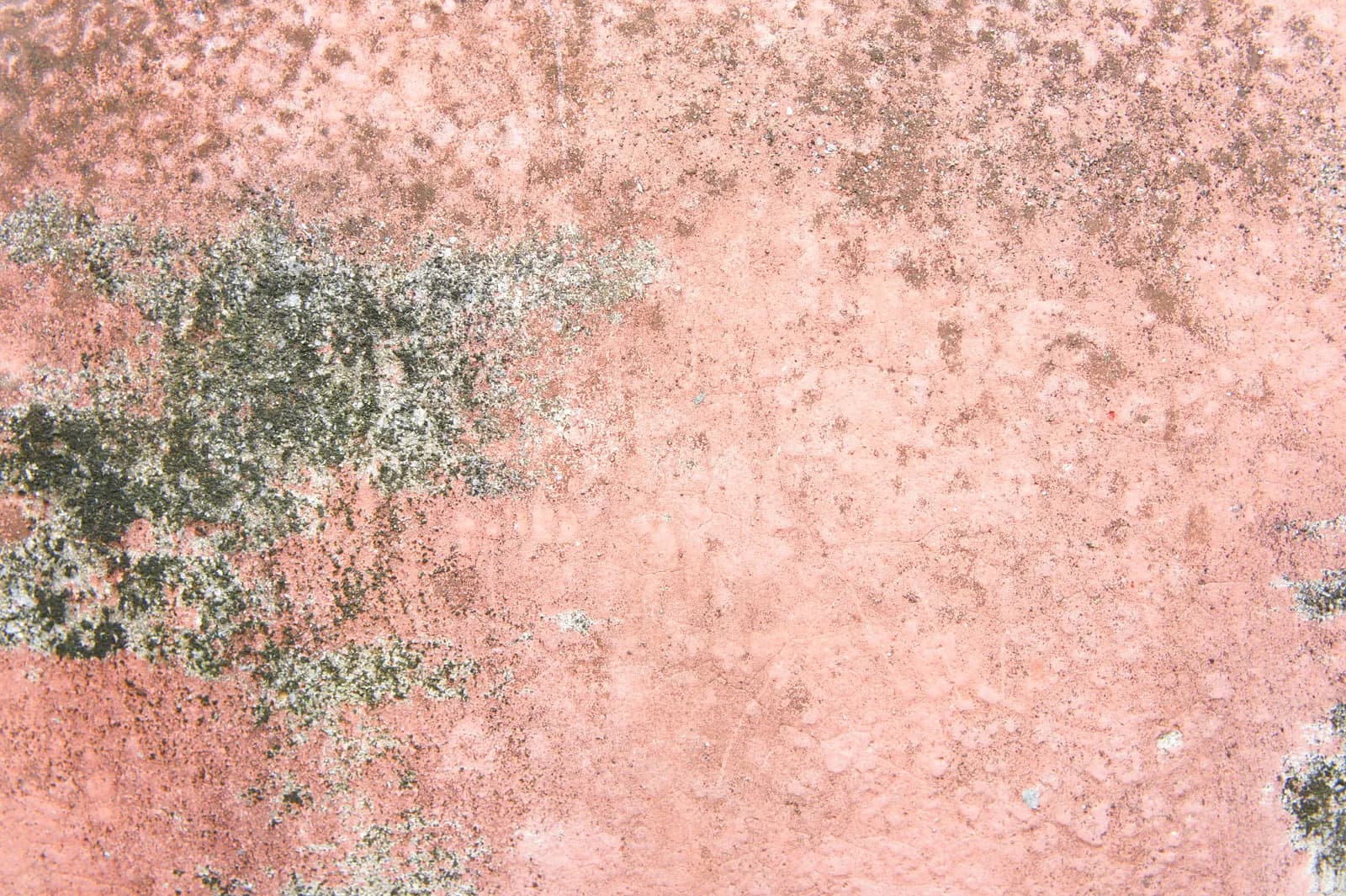
What homeowners call pink mold is usually not mold at all. Most pink growth found in showers and bathrooms is Serratia marcescens, an airborne bacterium that forms a pink or reddish biofilm rather than a fungal colony. Pink growth is caused by moisture combined with soap residue, skin cells, and other organic film that the bacteria feed on, which is why it concentrates around shower grout, tile, and tub surfaces. Pink growth is generally not classified as dangerous mold, though the bacteria can cause minor skin or eye irritation and should still be cleaned promptly.
Orange Mold
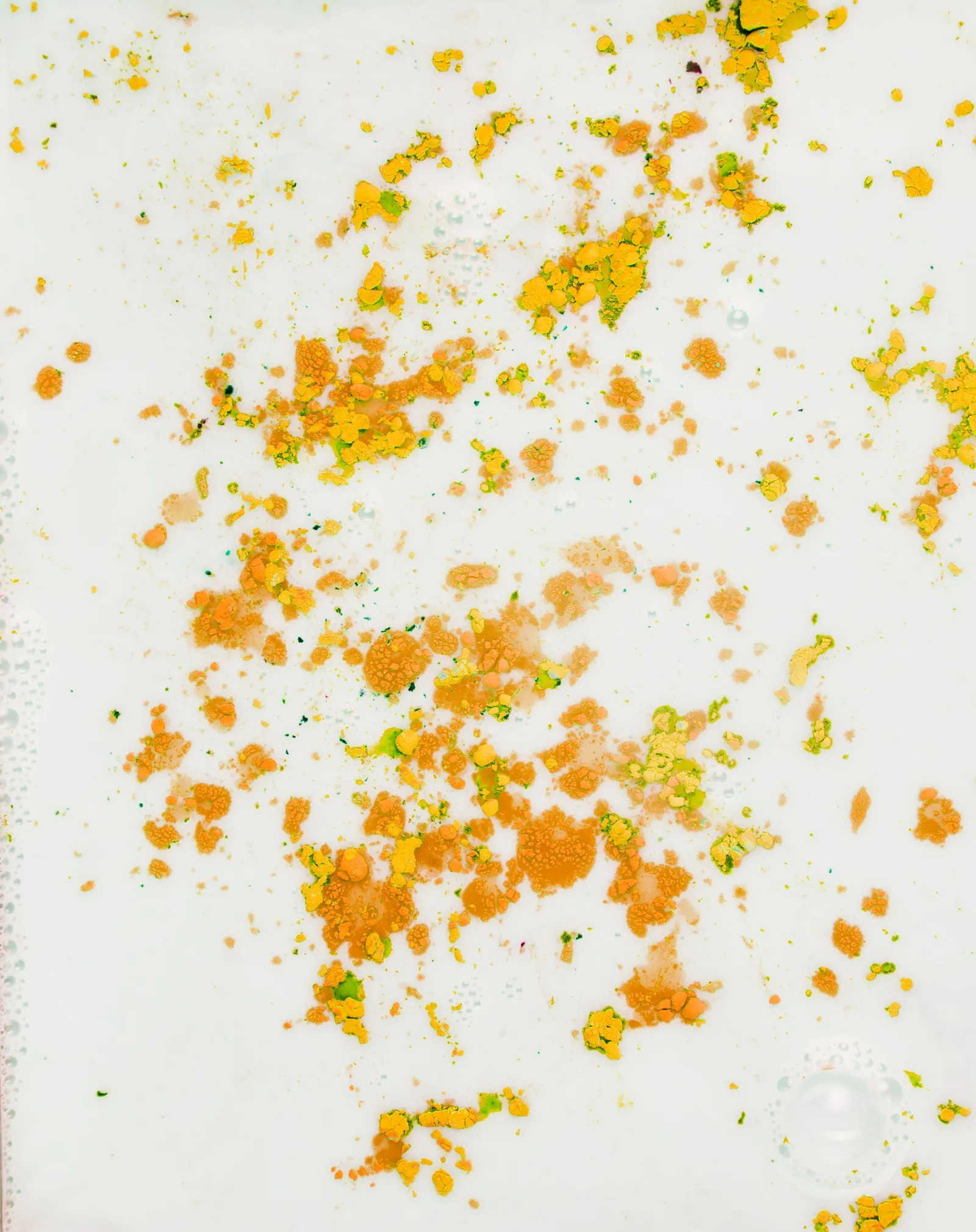
Orange growth found in showers, gutters, and on wood can result from true mold species such as Fusarium, or from non-fungal sources such as algae or bacteria that produce a similar color. True orange mold favors damp wood and organic debris, while orange growth in showers and gutters is more often algae feeding on standing moisture. Identifying the exact cause typically requires a sample test, since color alone does not confirm whether the growth is fungal.
Yellow Mold
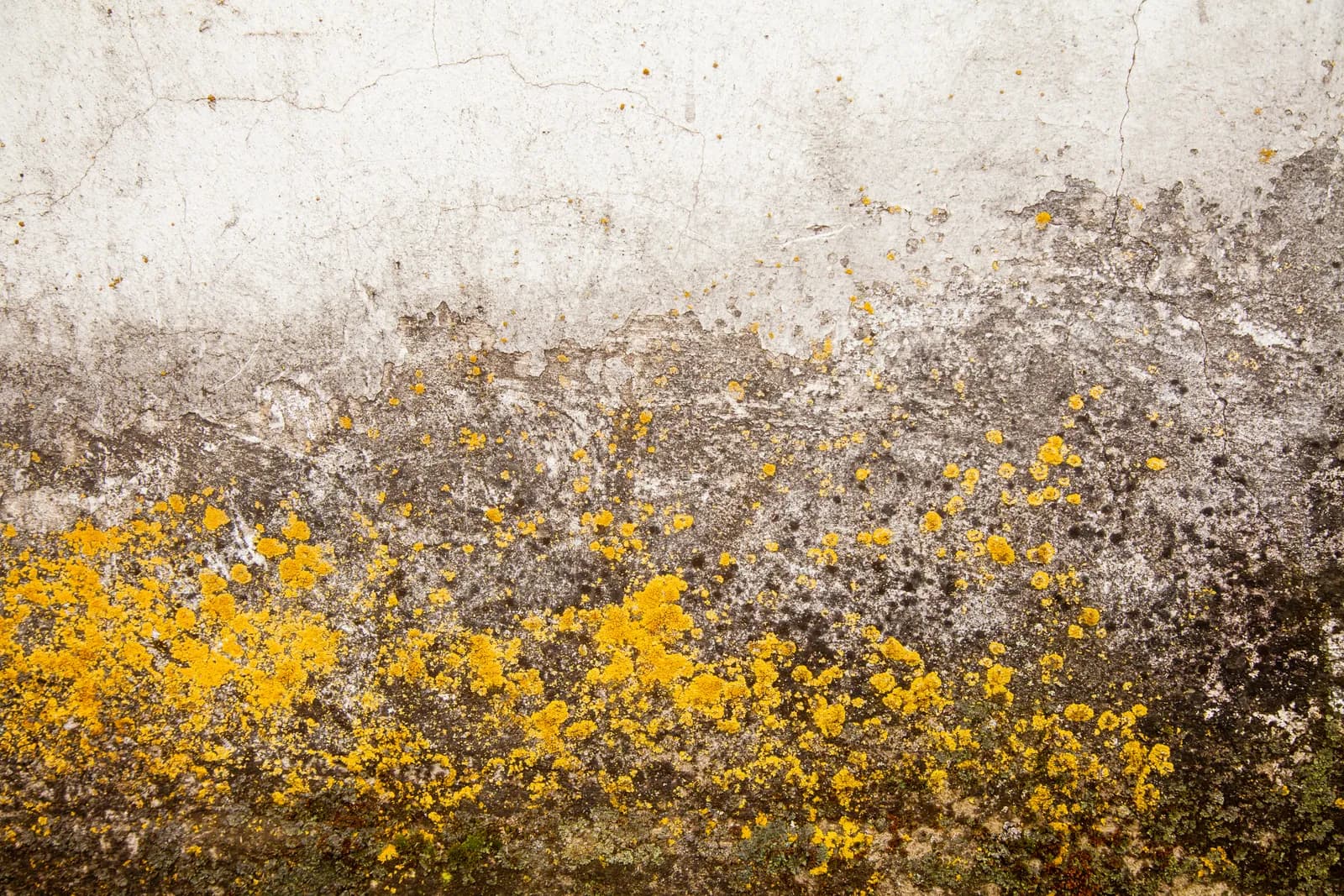
Yellow mold most often indicates Aspergillus growth, though Serpula lacrymans, the fungus responsible for dry rot, also produces a yellow surface growth on structural wood. Yellow mold commonly appears on wood framing, insulation, and food, and its danger level depends on the species involved rather than the color itself. Some yellow Aspergillus species are allergenic, while others are toxigenic.
Brown Mold
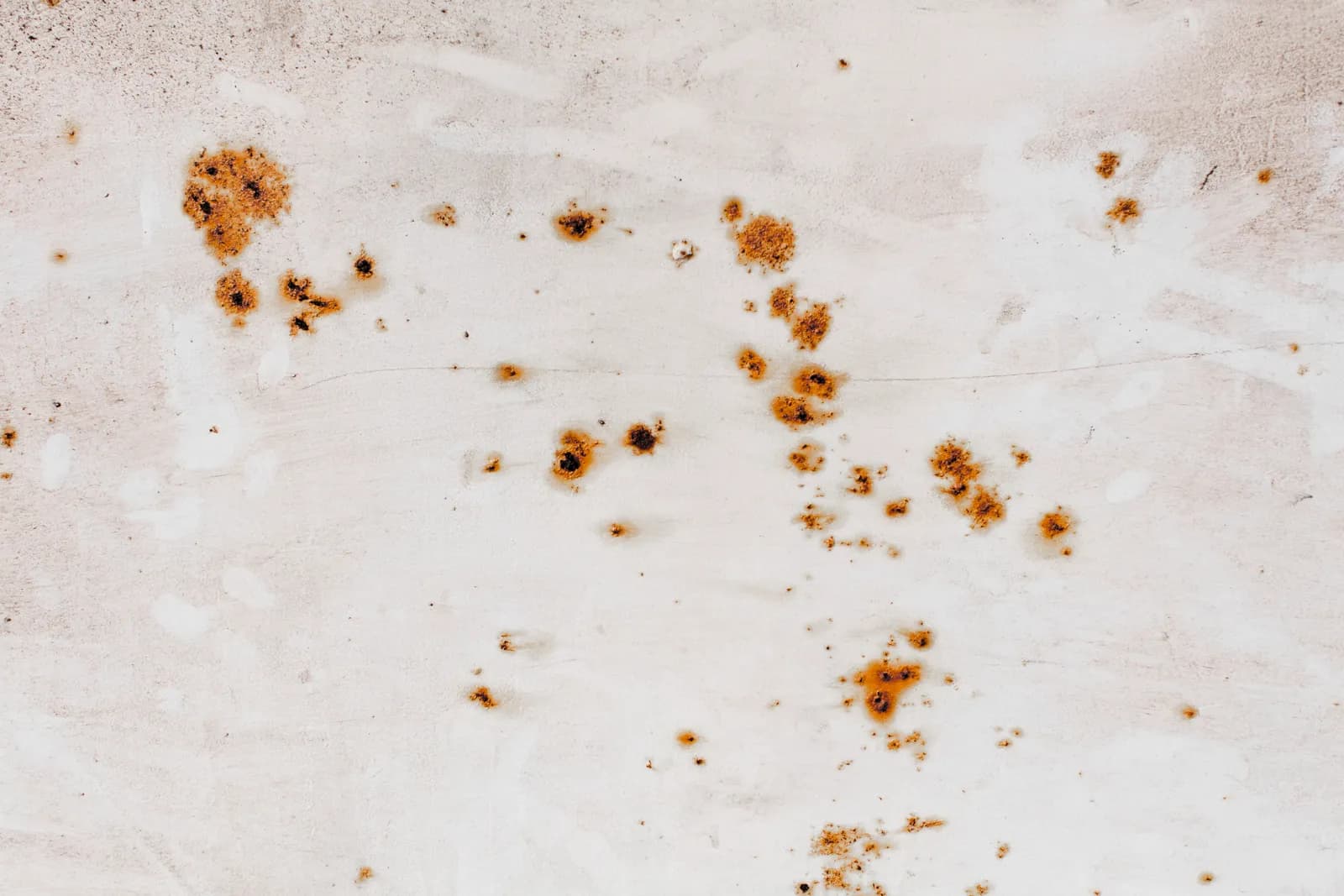
Brown mold commonly points to Alternaria or Aureobasidium colonization and appears on wood, wallpaper, and fabric with a velvety or slimy texture depending on moisture levels. Brown mold is primarily allergenic and is a frequent trigger for respiratory symptoms in sensitized individuals, though prolonged exposure to any mold species can worsen indoor air quality regardless of color.
The following table compares the mold types covered above by common species, typical growth location, and general health classification.
| Color | Common Species | Typical Location | Health Classification |
|---|---|---|---|
| Black | Stachybotrys chartarum, Aspergillus niger | Drywall, grout, HVAC ducts | Toxigenic |
| White | Various early-stage species | Wood, drywall | Allergenic |
| Green | Cladosporium, Aspergillus | Carpet, damp walls, food | Allergenic |
| Pink | Serratia marcescens (bacteria) | Shower grout, tile, tubs | Not classified as mold |
| Orange | Fusarium, or algae | Showers, gutters, wood | Varies by cause |
| Yellow | Aspergillus, Serpula lacrymans | Wood framing, insulation | Allergenic to toxigenic |
| Brown | Alternaria, Aureobasidium | Wood, wallpaper, fabric | Allergenic |
Color indicates a likely species group, but it does not reliably indicate toxicity. Several green, white, and yellow mold species can produce mycotoxins under the right conditions, just as some black mold species remain purely allergenic.
Is Pink or Orange Mold Actually Mold? (Bacteria vs. Fungus)
Much of what homeowners call pink mold is not mold at all. Serratia marcescens, the bacteria responsible for most pink shower growth, forms a biofilm rather than a fungal colony, and it thrives on the same moisture and soap residue that supports true mold growth. Orange growth in showers and along gutters can also result from algae or bacteria rather than fungus, particularly when the surface stays consistently wet. This distinction matters because bacterial and algal growth typically respond to routine cleaning with soap and water, while true fungal colonization often requires moisture correction and, in larger cases, professional remediation.
Which Types of Mold Are Dangerous?
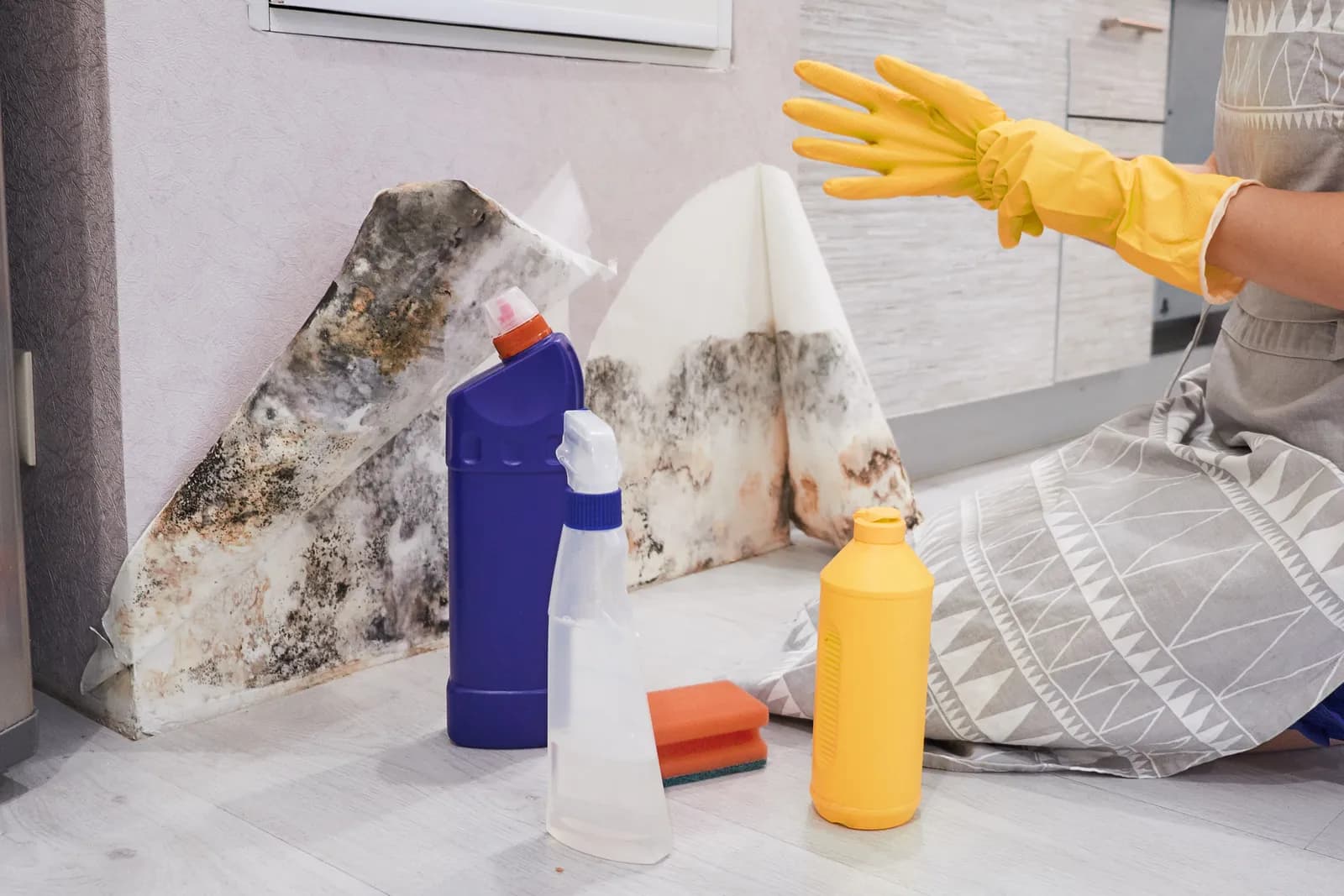
Toxigenic mold species pose the greatest health risk of all mold types, since they produce mycotoxins that can affect anyone exposed regardless of immune status. Mold is grouped into three health-based categories: allergenic, pathogenic, and toxigenic, and the category a species belongs to determines its risk level far more reliably than its color. The sections below explain how these categories differ and the symptoms linked to each type of exposure.
Allergenic Mold
Allergenic mold triggers allergic reactions and asthma symptoms but rarely causes severe illness in healthy individuals. Common allergenic species include Cladosporium and Alternaria, both of which are frequent indoor and outdoor allergy triggers. Exposure typically causes sneezing, itchy or watery eyes, nasal congestion, and asthma flare-ups in people who are already sensitized to mold.
Pathogenic Mold
Pathogenic mold causes infections rather than allergic reactions, and it primarily affects people with weakened immune systems. Aspergillus fumigatus is a common example, capable of causing respiratory infections in people who are immunocompromised, elderly, or undergoing certain medical treatments. Healthy individuals with normal immune function rarely develop infections from pathogenic mold exposure.
Toxigenic Mold
Toxigenic mold produces mycotoxins that can affect anyone exposed to them, regardless of immune status or allergy history. Stachybotrys chartarum and some Aspergillus species are the most widely recognized toxigenic molds, and exposure to them has been associated with headaches, respiratory irritation, and fatigue, with symptom severity generally increasing alongside exposure duration and concentration. Color does not reliably indicate whether a mold is toxigenic, since toxin-producing species exist among black, green, yellow, and white molds alike.
Mold Versus Mildew: What's the Difference?
Mildew is a surface-level fungal growth, typically white, gray, or pale yellow, with a flat or powdery texture that stays on top of damp surfaces such as shower tile, fabric, or paper. Mold, including black mold, grows into the material it colonizes rather than staying on the surface, which allows it to cause structural damage over time and makes it harder to remove with surface cleaning alone. Mildew is generally limited to allergenic effects, while certain mold species, including some forms of black mold, fall into the toxigenic category and require more thorough remediation.
Texture provides one of the clearest identification methods between the two growths. Mildew forms a flat, powdery, or downy layer that wipes away with a cloth and mild cleaner, while mold develops a raised, fuzzy, or slimy texture that penetrates porous materials such as drywall paper, wood, and grout. Smell also differs: mildew produces a mild musty odor, while established mold colonies often generate a stronger, more persistent musty smell caused by microbial volatile organic compounds released during growth.
Removal requirements separate the two growths further. Surface cleaning with a household cleaner and stiff brush typically eliminates mildew because the growth does not extend below the surface. Mold removal often requires isolating and replacing the affected material, since spores and hyphae can spread through drywall, subflooring, or insulation before any surface discoloration becomes visible. Structures with recurring moisture problems can develop mildew and mold simultaneously in different locations, which is why identifying the growth type before choosing a remediation method affects both the cost and the outcome of the repair.
How to Identify Mold in Your Home
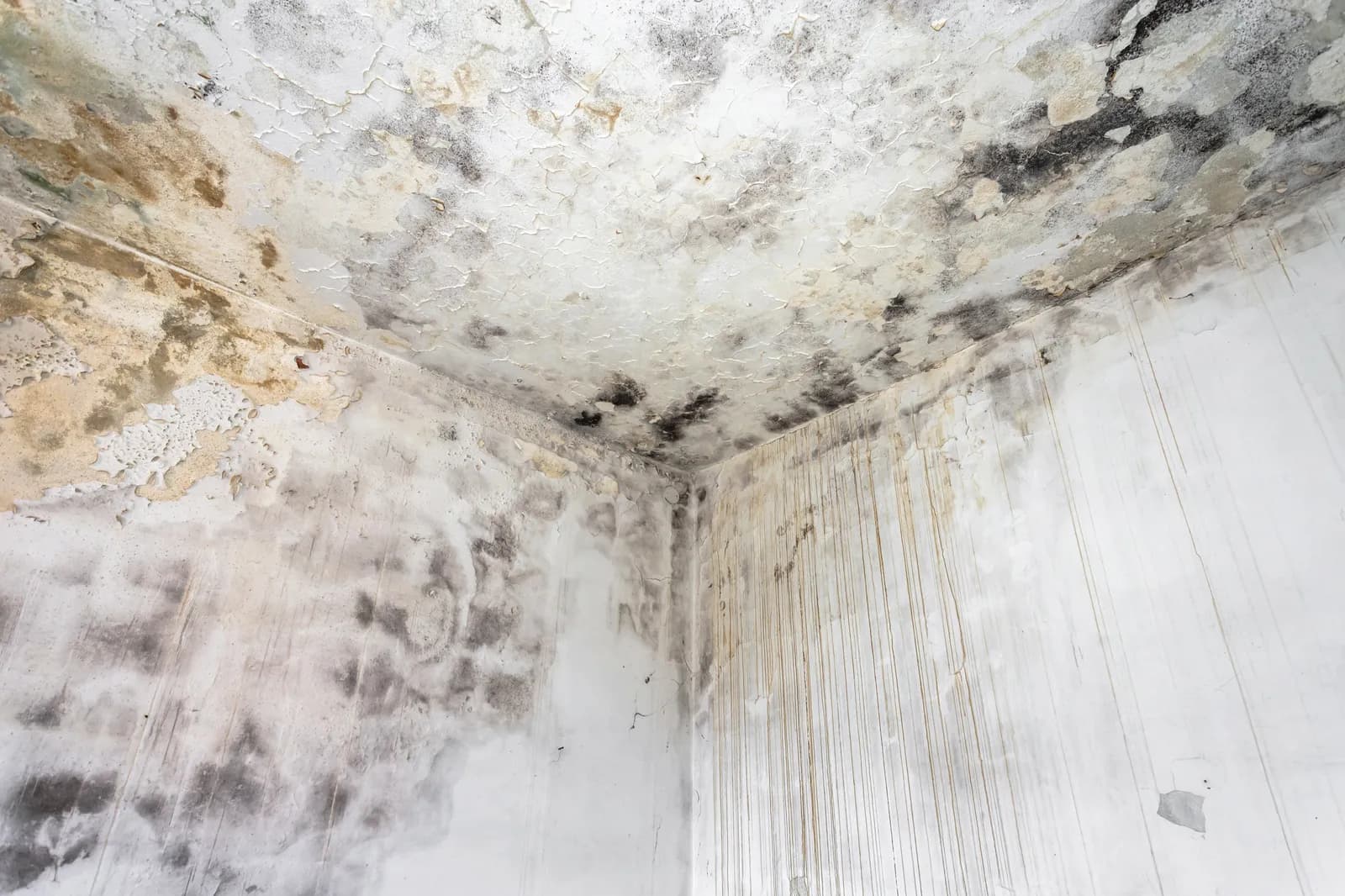
Mold can be identified in a home through a combination of visible signs, smell, and material changes rather than color alone. Homeowners can typically confirm active mold growth by checking for three main indicators: unusual discoloration or texture on surfaces, a persistent musty odor, and physical changes to building materials such as warping or peeling. The sections below explain each indicator and when professional testing becomes necessary to confirm suspected growth.
Visual and Textural Signs
Visual and textural changes are the most direct signs of active mold growth. Common indicators include:
- Discoloration: Unusual spots or staining in black, green, brown, pink, orange, yellow, or white.
- Texture changes: Fuzzy, slimy, or powdery surface growth on walls, ceilings, or fabric.
- Warped drywall: Swelling or soft spots that indicate moisture trapped beneath the surface.
- Peeling paint or bubbling wallpaper: A sign that moisture has accumulated behind the wall, often appearing before visible mold does.
When to Get Professional Mold Testing
Professional mold testing is warranted when a musty odor persists without visible growth, when a household member experiences unexplained respiratory symptoms, or when documentation is required for a real estate transaction or insurance claim. Mold testing identifies the specific species present and confirms whether remediation needs to address a mold testing scope before remediation begins.
What to Do If You Find Mold
The U.S. Environmental Protection Agency advises that mold-affected areas smaller than about 10 square feet can typically be cleaned using detergent and water, while larger areas, recurring growth, or toxigenic species such as Stachybotrys chartarum warrant a certified remediation contractor. Colorado does not license mold inspectors or remediators at the state level, so credentials such as IICRC S500 and S520 certification, IAC2, or ACAC membership indicate that a contractor follows recognized industry standards. Homeowners weighing remediation options can revive typical black mold removal cost figures ranges to understand what professional treatment involves before scheduling an inspection.
Mold Type FAQs
Need Emergency Restoration Help Today?
Call Apex Damage Restoration now for fast priority dispatch across Aurora, CO, a written estimate before work begins, and direct insurance claims assistance.