
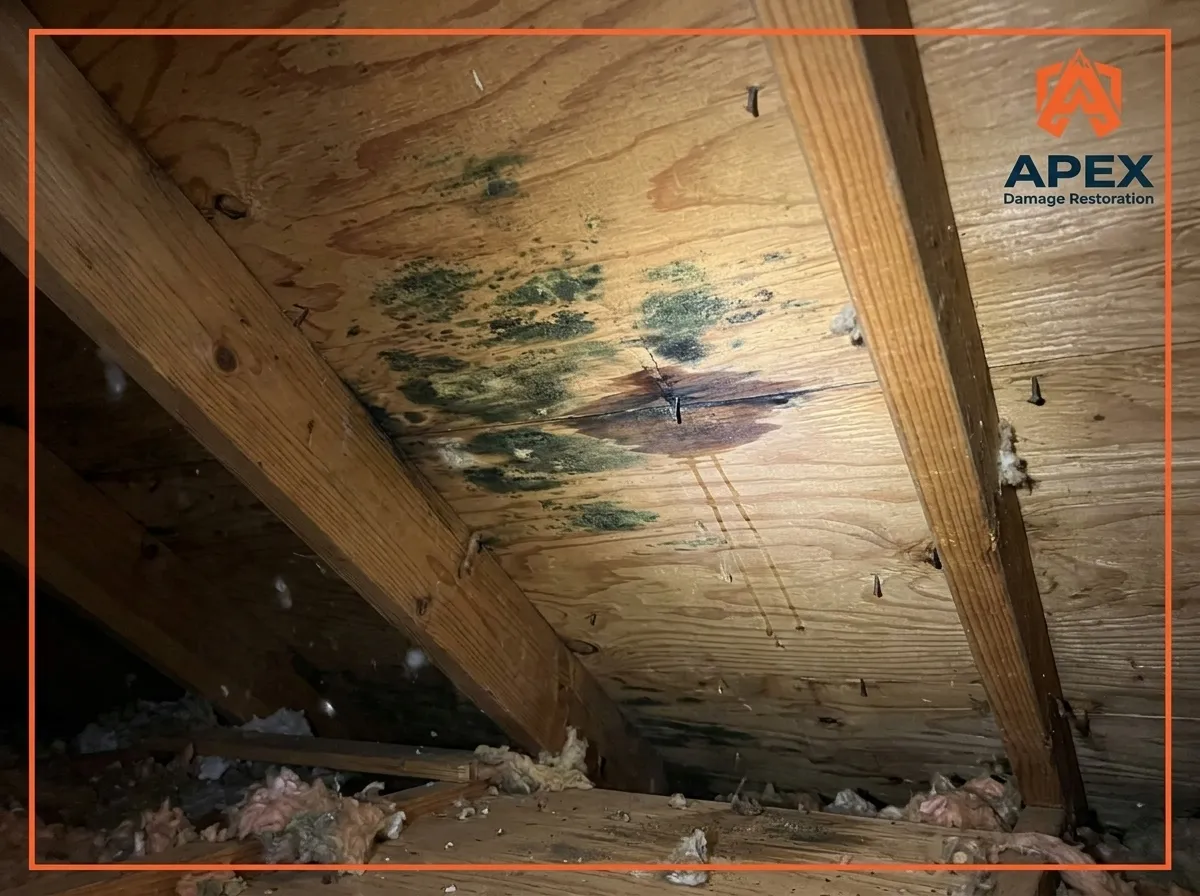
Green mold is a common household mold classified by its pigmented spores rather than by a single species, since several fungal genera, including Cladosporium, Aspergillus, and Penicillium, can all produce a green surface color. Green mold grows on organic and inorganic surfaces that hold moisture for an extended period, including wood, drywall, grout, food, and HVAC components. The color comes from the pigmentation of the mold's spores, not from a single toxic compound, so green mold spans a wide range of species with different growth conditions and health effects.
Green mold requires the same core growth conditions as other household molds: a moisture source, an organic or dust-coated surface, and a temperature range between 60 and 80 degrees Fahrenheit.
Homeowners often confuse green mold with mildew because both organisms appear as a green or gray surface growth in damp areas. Green mold penetrates the surface it grows on, while mildew stays on the surface layer, a distinction covered later in this guide. Identifying the surface, moisture source, and growth pattern determines whether a homeowner needs a simple cleaning approach or a professional mold remediation service.
Green mold spreads through airborne spores that settle on damp surfaces throughout a structure, so a colony in one room can seed growth in adjacent rooms with shared HVAC ductwork or humidity levels. Left untreated, green mold colonies expand in size and can affect structural materials such as wood framing and drywall paper backing.
What Causes Green Mold?
Green mold grows when airborne mold spores land on a damp surface with an available organic food source, and the temperature stays between 60 and 80 degrees Fahrenheit. Mold spores exist in nearly all indoor and outdoor air, so the presence of spores alone does not cause a colony to form. Green mold colonies develop once a surface holds moisture above 60% relative humidity for approximately 24 to 48 hours.
The most common causes of green mold in homes include:
- Plumbing leaks: A slow leak under a sink, behind a wall, or around a toilet base keeps nearby wood, drywall, and grout damp long enough for green mold to establish.
- Roof leaks: Water entering through damaged shingles, flashing, or attic vents saturates insulation and wood decking, creating conditions for attic mold growth.
- High indoor humidity: Bathrooms, kitchens, and basements with poor ventilation trap moisture from showers, cooking, and groundwater seepage.
- Condensation: Cold surfaces such as window frames, ductwork, and pipes collect condensation that feeds surface mold growth over time.
- Flood water intrusion: Basement flooding or storm damage introduces standing water that saturates flooring, drywall, and framing.
- Poor ventilation: Bathrooms and laundry rooms without functioning exhaust fans retain humidity after each use, extending the time a surface stays wet.
Where Is Green Mold Commonly Found?
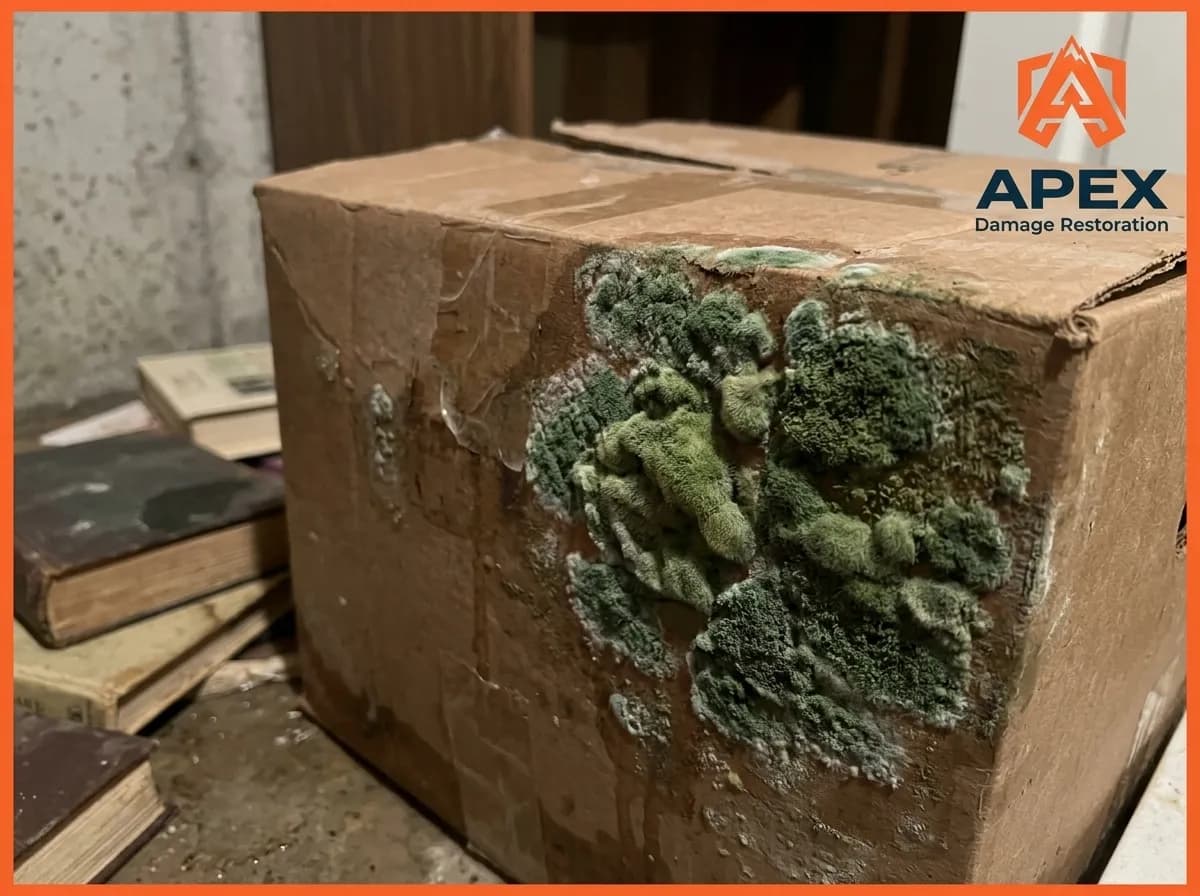
Green mold commonly grows in bathrooms, kitchens, basements, HVAC systems, and other areas of a home that hold moisture or dust for extended periods. Green mold favors these locations because they combine a stable humidity source with organic material such as soap residue, food particles, or dust that the mold uses as a nutrient source. The surface appearance of green mold changes depending on the material it colonizes, ranging from a fuzzy texture on wood to a slimy film on tile grout.
- Bathroom: Green mold forms on grout lines, shower curtains, caulking, and ceiling corners near the shower or tub, where daily condensation keeps surfaces damp between uses.
- Kitchen: Green mold develops under sinks, around dishwasher seals, and on food left in refrigerators or pantries, since food residue provides a direct nutrient source.
- HVAC system: Green mold colonizes air ducts, drip pans, and evaporator coils when condensation collects on cool metal surfaces, and airflow then distributes spores throughout the home.
- Basement: Green mold grows on concrete walls, wood framing, and stored belongings in basements affected by groundwater seepage, flooding, or high ambient humidity.
- Carpets and Fabrics: Green mold penetrates carpet padding and upholstery fibers after a water event, since fabric holds moisture against the floor or frame beneath it.
- Windows: Green mold forms on window sills, frames, and surrounding drywall where condensation collects on cold glass during temperature swings.
- Siding and Roofs: Green mold grows on exterior siding, soffits, and roof shingles in shaded, moisture-retaining areas, particularly on the north-facing side of a structure.
What Are the Common Types of Green Mold?
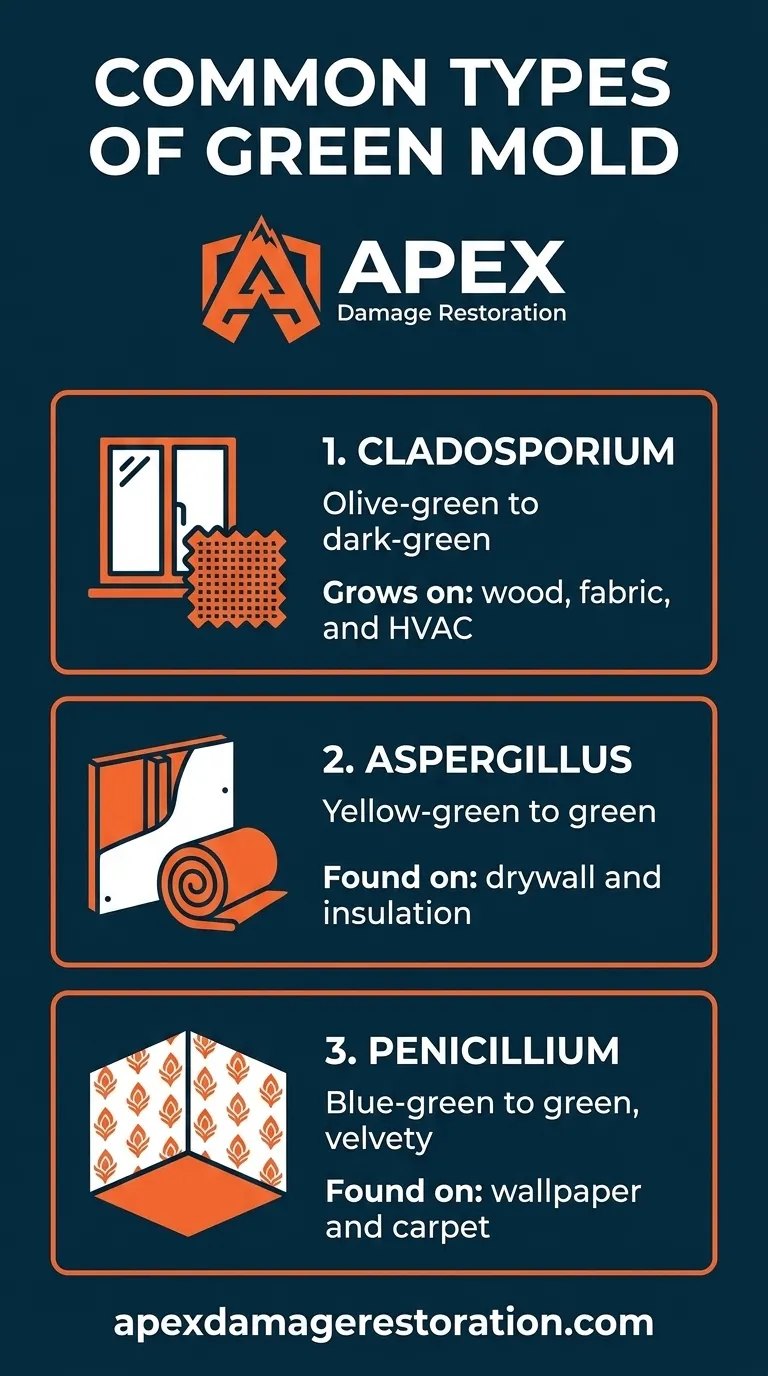
The three most common types of green mold found in homes are Cladosporium, Aspergillus, and Penicillium, each identified by its genus name under laboratory analysis. These genera include multiple species that can appear green, and visual color alone cannot confirm which genus is present without a mold inspection and lab sample. Each type differs in preferred surface, growth pattern, and associated health risk.
- Cladosporium: Cladosporium is a common outdoor and indoor mold genus that produces olive-green to dark-green colonies on wood, fabric, and HVAC components, and it is one of the most frequently identified mold genera in indoor air samples.
- Aspergillus: Aspergillus produces yellow-green to green colonies on damp drywall, insulation, and food, and certain Aspergillus species can produce airborne allergens that affect sensitive individuals.
- Penicillium: Penicillium forms blue-green to green colonies with a velvety texture on water-damaged materials such as wallpaper, carpet, and ceiling tiles, and it spreads quickly once a surface stays wet for more than two days.
Green Mold vs. Black Mold
Green mold differs from black mold in species, color consistency, and associated health risk, though both require the same moisture-driven remediation approach. Green mold spans several genera, including Cladosporium, Aspergillus, and Penicillium, which the Environmental Protection Agency (EPA) classifies alongside other common indoor molds. Black mold most often refers to Stachybotrys chartarum, a specific species associated with prolonged water damage and a slimy black-green appearance.
Green mold species generally grow faster on a wider range of surfaces, while Stachybotrys chartarum requires sustained saturation and grows more slowly, often after weeks of undetected moisture exposure. Color alone does not reliably distinguish the two, since lighting, surface material, and colony age can shift a colony's apparent shade between green and black. A mold inspection with lab analysis is the only method that confirms species identity.
Green Mold vs. Mildew
Green mold differs from mildew in growth depth, texture, and the surfaces each organism affects. Green mold penetrates the surface material it colonizes, embedding hyphae into wood fibers, drywall paper, or fabric, which allows it to cause structural and material damage over time. Mildew remains a surface-level fungal growth that appears as a flat, powdery, white or light-gray patch on damp surfaces such as shower tile or fabric.
Mildew wipes away with a household cleaner because it does not penetrate the material beneath it, while green mold requires remediation that addresses the affected material and, in many cases, removal of the colonized surface. Mildew and green mold both thrive in humid environments, but mildew rarely causes the structural concerns associated with an established mold colony.
Green Mold on Specific Surfaces and Materials
Green mold colonizes wood, drywall, and concrete differently based on each material's porosity and moisture retention, which affects both the visual appearance of the growth and the remediation method required. Porous materials such as wood and drywall allow green mold to penetrate below the surface, while dense materials such as concrete typically host surface-level colonization that responds to cleaning and sealing.
Green Mold On Wood
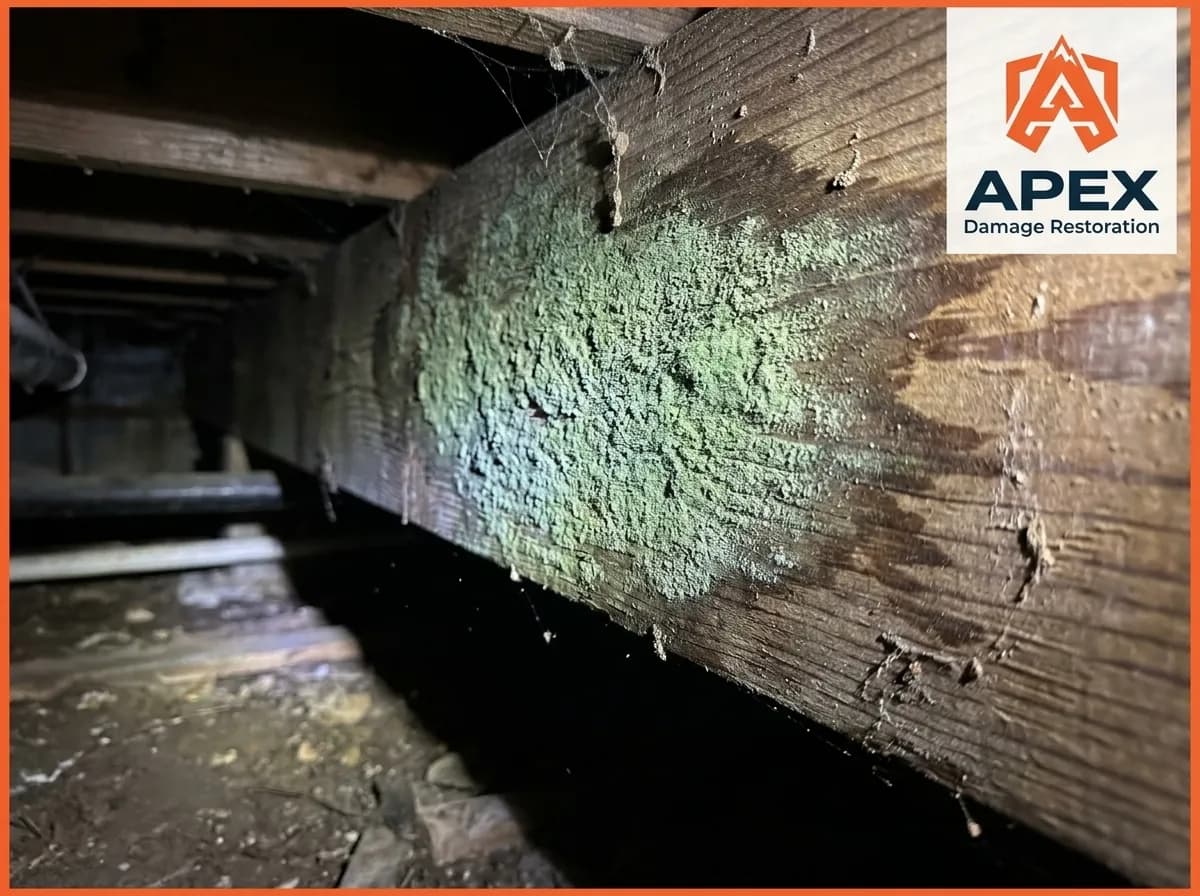
Green mold on wood appears as fuzzy or powdery green patches that penetrate the wood grain, most often on framing, subflooring, furniture, and trim exposed to a moisture source. Wood's porous structure allows green mold hyphae to grow beneath the surface, so surface cleaning alone often fails to remove an established colony. Structural wood affected by green mold for an extended period may require sanding, treatment with an antimicrobial solution, or replacement if the fungal growth has compromised the wood's structural integrity.
Green Mold on Walls and Drywall
Green mold on walls and drywall typically appears as a green or green-black stain that spreads across the paper facing, most commonly near baseboards, ceiling corners, and areas behind furniture placed against an exterior wall. Drywall's paper covering provides an organic food source that allows green mold to spread quickly once the paper stays damp for more than 48 hours. Drywall with visible green mold growth generally requires removal and replacement rather than surface cleaning, since mold hyphae penetrate the gypsum core through the paper backing.
Green mold on Concrete
Green mold on concrete appears as a green film or discoloration on basement walls, floors, and foundation surfaces exposed to groundwater seepage or high humidity. Concrete's low porosity limits how deeply green mold penetrates compared with wood or drywall, which allows many concrete surfaces to respond to cleaning with a mold-specific solution followed by a moisture-resistant sealant. Concrete affected by continuous groundwater intrusion requires a moisture source correction, such as exterior grading or a sump pump, in addition to surface treatment to prevent regrowth.
How Much Does Green Mold Removal Cost?
The average cost for professional green mold removal typically ranges from $500 to $6,000, with most standard home remediation projects averaging around $2,300 to $2,400. On a per-square-foot basis, expect to pay between $10 and $25 per square foot. Green molds, typically species like Penicillium, Aspergillus, or Cladosporium, are generally less dangerous and easier to eradicate than toxic black mold removal cost (Stachybotrys chartarum). Because they do not require extreme hazardous material protocols, green mold removal sits on the lower-to-middle end of the mold remediation pricing scale.
Small Areas (under 10 sq ft)
Small green mold removal jobs under 10 square feet in the Aurora, CO area generally cost between $300 and $600 in 2026, since most restoration companies apply a minimum service charge that covers containment setup, cleaning, and post-remediation verification regardless of the small treatment area. A small area typically involves an isolated patch on a bathroom ceiling, windowsill, or under-sink cabinet.
Medium Areas (10-100 sq ft)
Medium green mold removal jobs between 10 and 100 square feet in the Denver Metro area generally cost between $600 and $2,500 in 2026, reflecting the $10 to $25 per square foot rate applied across a larger affected surface such as a bathroom wall or a section of basement drywall. Projects in this range often include a single room or a contained section of an HVAC system.
Large Areas (100-500 sq ft)
Large green mold removal jobs between 100 and 500 square feet in the Aurora, CO area generally cost between $2,500 and $6,000 in 2026, consistent with the upper range of standard remediation pricing for a home. Projects at this scale typically involve an entire basement level, multiple connected rooms, or extensive drywall and flooring replacement.
Whole-House Remediation
Whole-house green mold remediation in the Denver Metro area generally exceeds $6,000 in 2026 when mold has spread through multiple rooms, HVAC ductwork, or structural framing, since the project requires broader containment, additional labor, and material replacement across the affected square footage. A whole-house project scope and final cost depend on an on-site inspection to confirm the total affected area.
Does Homeowners Insurance Cover Green Mold?
Homeowners insurance covers green mold damage only when the mold results from a sudden and accidental covered peril, such as a burst pipe or storm-related roof leak, rather than from gradual moisture or neglect. The Insurance Information Institute (III) identifies mold as an excluded peril under most standard homeowners policies unless the mold directly results from water damage the policy already covers. An insurer generally denies a mold claim when the underlying cause is a long-term leak, high humidity, or delayed repairs that the policyholder could have addressed sooner.
Coverage determinations depend on documentation that connects the mold growth to a specific, covered water event. Homeowners who report a plumbing failure or storm damage promptly, and who can show remediation began soon after the event, have a stronger basis for a covered claim than those who discover green mold weeks or months after the original water intrusion. Many policies also cap mold-related payouts at a set dollar amount, separate from the broader water damage coverage limit, even when the claim is approved.
Some insurers offer optional mold endorsements that raise or remove the standard mold coverage cap, which homeowners can request as a policy add-on. Reviewing a policy's mold exclusions and endorsement options before a water event occurs helps homeowners understand what a standard claim will and will not cover. A licensed restoration provider can document the source and timeline of green mold damage to support an insurance claim during the adjustment process.
What Are the Health Effects of Green Mold Exposure
Green mold exposure can cause allergic reactions, respiratory issues, and asthma flare-ups in people who inhale or contact airborne mold spores over time. The Centers for Disease Control and Prevention (CDC) identifies mold exposure as a trigger for these symptoms in sensitive individuals, including children, older adults, and people with existing respiratory conditions. Health effects generally develop after repeated or prolonged exposure rather than a single brief contact.
- Allergic reactions: Green mold exposure can trigger allergic reactions such as sneezing, itchy eyes, skin irritation, and a runny nose in people sensitive to mold allergens.
- Respiratory issues: Green mold exposure can cause respiratory issues including coughing, throat irritation, and nasal congestion, particularly in enclosed spaces with poor ventilation.
- Asthma flare-ups: Green mold exposure can trigger asthma flare-ups in people with an existing asthma diagnosis, since inhaled mold spores irritate airway tissue already prone to inflammation.
How To Prevent Green Mold From Growing Back?
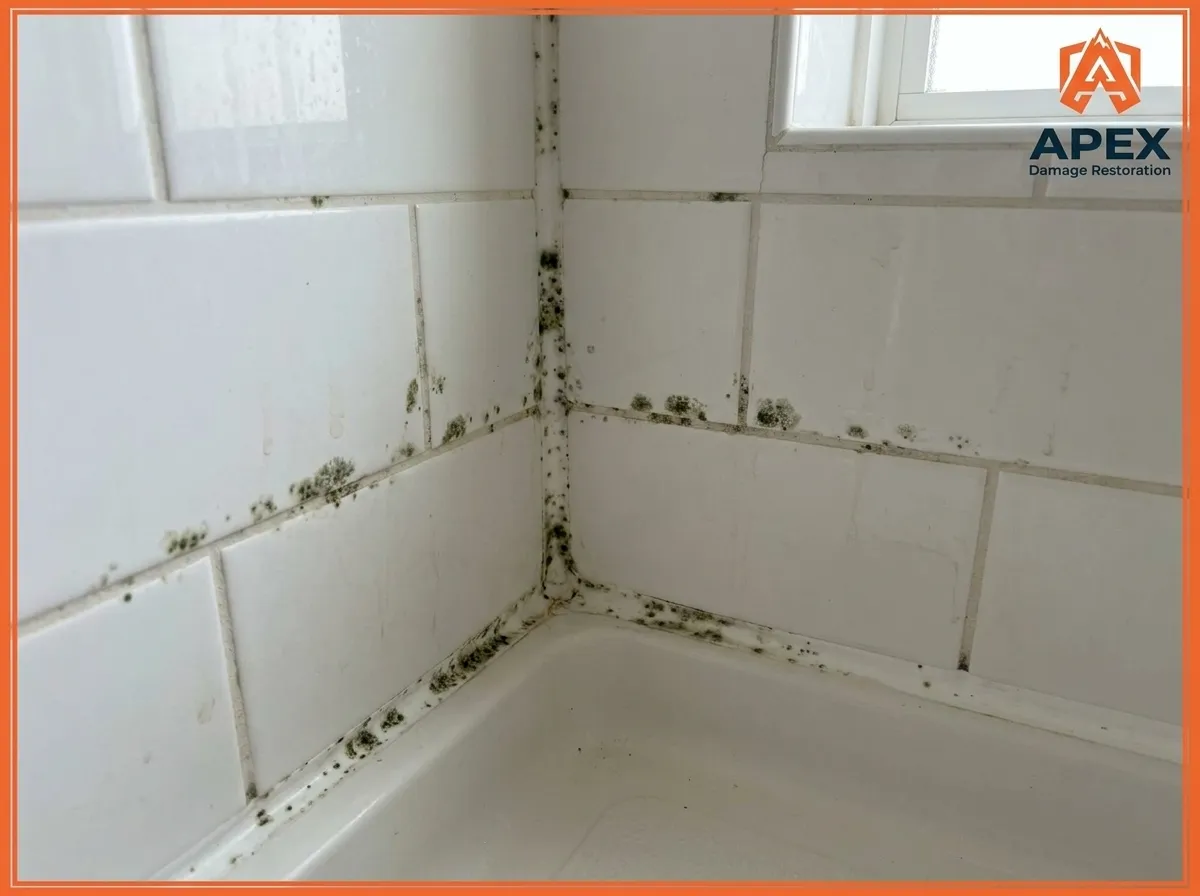
Preventing green mold from growing back requires controlling indoor humidity, correcting moisture sources, and maintaining consistent airflow throughout a home. Since green mold needs sustained moisture to establish a colony, removing the underlying moisture source addresses the root cause rather than the visible symptom.
- Maintain indoor humidity below 50%: Use a dehumidifier in basements and other high-humidity areas to keep relative humidity within a range that limits mold spore germination.
- Repair leaks promptly: Fix plumbing leaks, roof damage, and window seal failures as soon as they appear, since a delay of even a few days can allow green mold to establish.
- Improve ventilation: Run bathroom and kitchen exhaust fans during and after use, and ensure attic and crawl space vents remain unobstructed.
- Clean and dry surfaces after water exposure: Dry any wet surface within 24 to 48 hours of a leak, spill, or flood event to prevent conditions that support mold growth.
- Inspect HVAC components regularly: Check drip pans, coils, and ductwork for condensation buildup, and schedule routine HVAC maintenance to catch moisture issues early.
- Grade soil away from the foundation: Direct exterior water flow away from a home's foundation to reduce basement moisture intrusion through walls and flooring.
Green Mold FAQs
Need Emergency Restoration Help Today?
Call Apex Damage Restoration now for fast priority dispatch across Aurora, CO, a written estimate before work begins, and direct insurance claims assistance.