
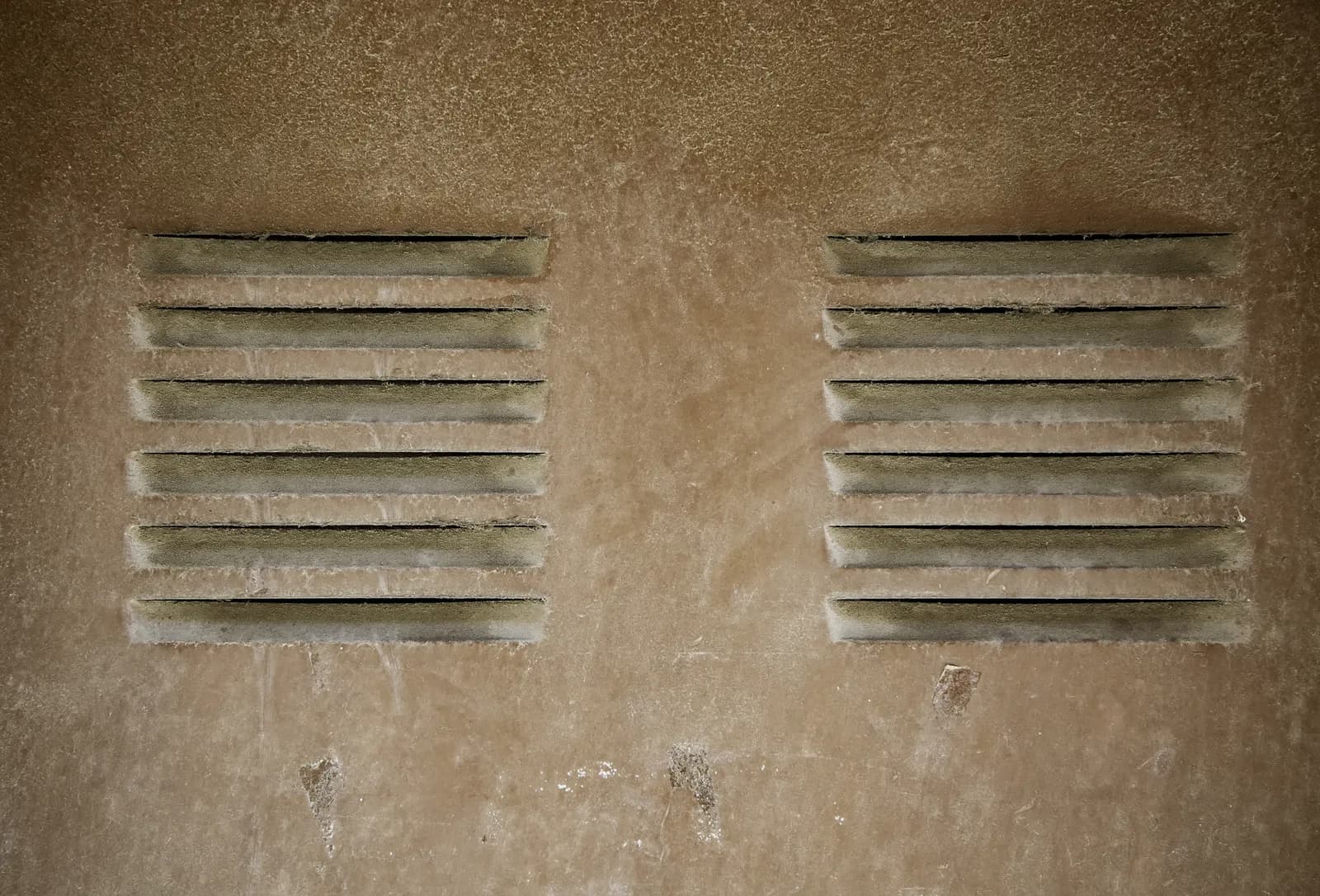
Air duct mold removal cost in the Denver metro area ranges from $1,100 to $4,000 for most homes, with severe HVAC contamination reaching $2,000 to $10,000 or more. The final price depends on how far the mold has spread through the duct system, the cleaning method required, and whether components like the air handler or coils need replacement.
What Is the Average Air Duct Mold Removal Cost?

Air duct mold removal costs $1,100 to $4,000 for a typical home when combined with standard duct cleaning. This figure covers antimicrobial treatment, chemical cleaning, and mechanical cleaning of the duct interior after mold has been confirmed.
The table below breaks the total cost into its component services.
| Service | Cost Range | Basis |
|---|---|---|
| Standard air duct cleaning | $150 to $500 | $0.15 to $0.30 per sq. ft. or $25 to $50 per vent |
| Mold removal add-on | $1,100 to $3,400 | Antimicrobial spray and chemical treatment of duct interior |
| Severe HVAC mold remediation | $2,000 to $10,000+ | Full system treatment or duct/coil replacement |
A home with isolated surface mold on a few vent covers falls near the lower end of the combined range. A system with mold established inside the flex duct liner or the air handler moves the total toward the higher end, and heavily contaminated systems can exceed $10,000 when major components require replacement. Duct mold pricing follows the same severity and accessibility factors used across the broader mold remediation cost guide.
What Affects Air Duct Mold Removal Cost
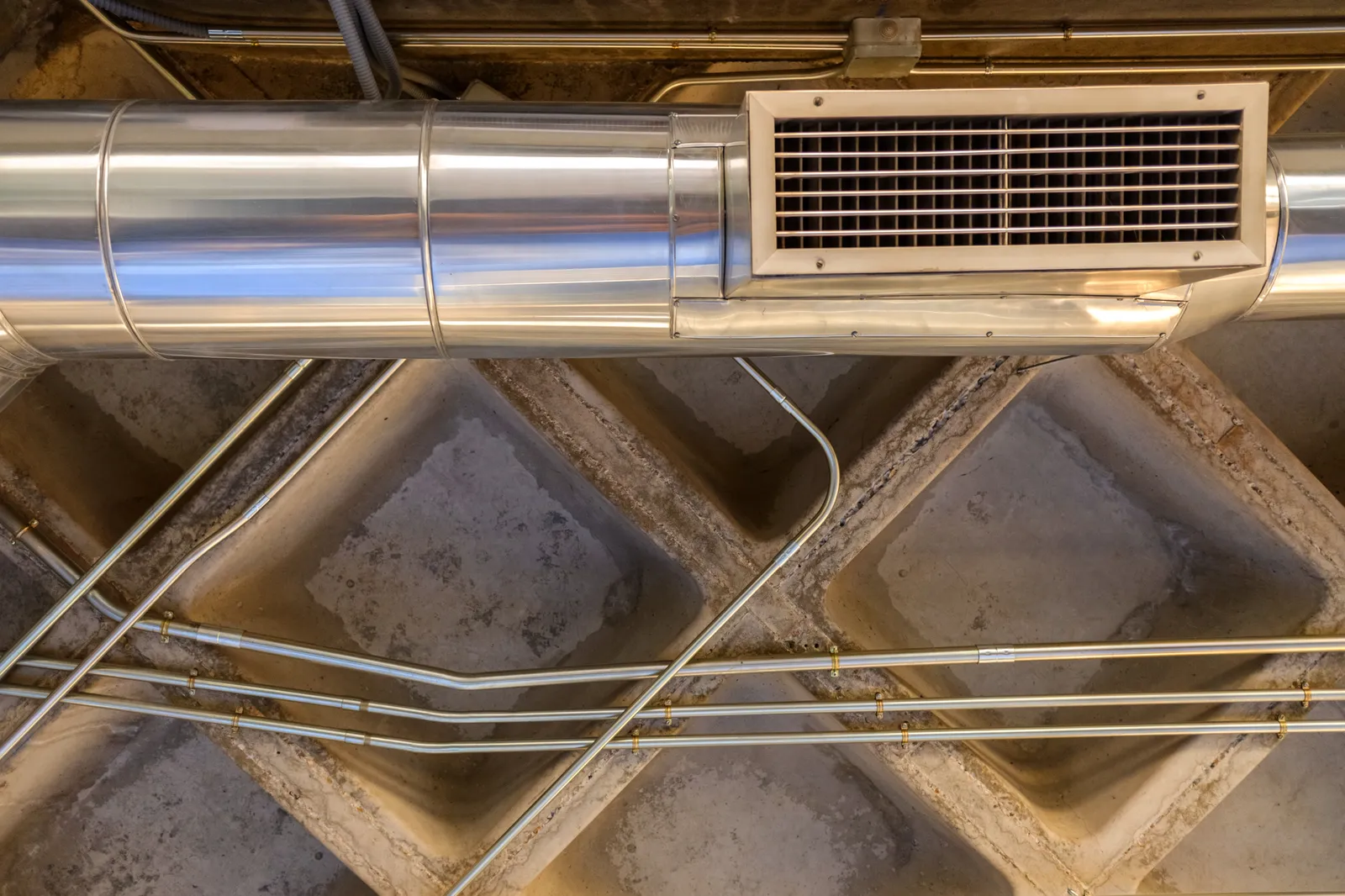
Several variables move air duct mold removal cost up or down within the ranges above.
- Severity and extent of mold growth: surface mildew on metal duct costs less to treat than mold established inside porous flex duct or duct liner.
- Duct length, system size, and accessibility: longer duct runs, more supply and return registers, and hard-to-reach sections in crawl spaces or attics increase labor time.
- Cleaning method: mechanical brushing and HEPA vacuuming cost less than full duct sealing, encapsulation, or replacement.
- Component cleaning: treating the evaporator coils or blower motor adds to the total bill beyond duct-only cleaning.
- Testing and inspection fees: pre- and post-remediation air or surface sampling adds a separate line item not included in cleaning estimates.
These cost drivers mirror the factors that affect pricing for related HVAC-adjacent mold problems, including attic mold removal cost and crawl space mold removal cost, where accessibility and material porosity have a similar effect on price.
Air Duct Cleaning Cost vs. Mold Removal Cost
Standard air duct cleaning and air duct mold removal are separate services with different scopes and different prices. Confirming which service a quote covers prevents paying for the wrong job or missing the mold-specific treatment a contaminated system requires.
Standard Air Duct Cleaning Cost
Standard air duct cleaning costs $150 to $500 for a typical home, priced at $0.15 to $0.30 per square foot or $25 to $50 per vent. This service removes dust, debris, and pet hair from the duct interior using rotary brushes and HEPA vacuuming. It does not include antimicrobial treatment and does not address active mold growth.
Air Duct Mold Remediation Cost
Air duct mold remediation costs $1,100 to $3,400 in addition to standard cleaning charges. This service applies antimicrobial fogging or chemical treatment to kill mold on duct surfaces and may include sealing or encapsulating sections of metal duct. Porous flex duct liner with established mold growth typically cannot be cleaned to an acceptable standard and requires replacement rather than treatment.
What Are The Signs of Mold in Air Ducts and Vents?
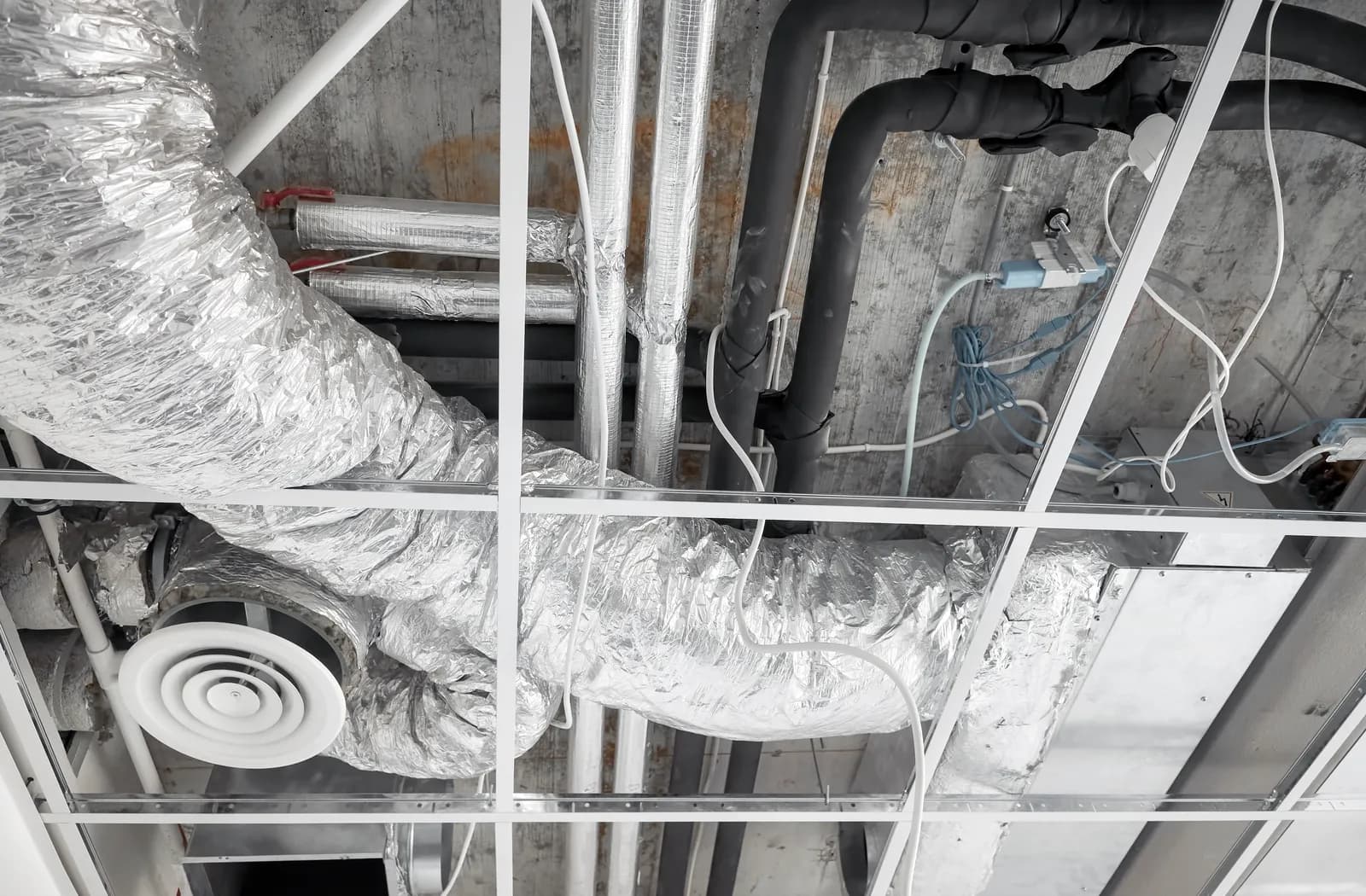
Mold in air ducts produces four main signs: a musty odor when the HVAC system runs, visible dark spotting around vent covers and registers, condensation on duct exteriors in unconditioned spaces, and allergy or respiratory symptoms that intensify when the system cycles on.
- Musty odor: A persistent stale or earthy smell that appears or strengthens when the HVAC system turns on.
- Visible spotting: Dark or discolored patches on vent covers, registers, or the visible edges of ductwork.
- Exterior condensation: Moisture beading on duct surfaces running through attics, crawl spaces, or basements.
- Symptom timing: Allergy or respiratory symptoms that worsen indoors and ease when the system is off.
DIY vs. Professional Air Duct Mold Removal
Professional remediation is required for air duct mold removal under IICRC S520 standards when contamination extends beyond a small, easily accessible surface area. A licensed technician sets up containment to prevent mold spores from spreading through the HVAC system during cleaning, a step that home cleaning products and consumer duct-cleaning equipment cannot replicate. Porous materials such as duct liner and insulation that have absorbed mold growth cannot be effectively cleaned by any method and must be removed and replaced, which further limits the scope of DIY treatment to non-porous metal duct sections with minimal surface growth.
Does Insurance Cover Air Duct Mold Removal?
Homeowners insurance typically does not cover air duct mold removal when the mold results from HVAC condensation, since insurers classify condensation as gradual, ongoing moisture exposure rather than a sudden event. Insurers generally cover sudden and accidental water intrusion, such as a burst pipe, but exclude gradual damage caused by maintenance issues like a poorly maintained or oversized HVAC system.
Frequently Asked Questions
Need Emergency Restoration Help Today?
Call Apex Damage Restoration now for fast priority dispatch across Aurora, CO, a written estimate before work begins, and direct insurance claims assistance.