
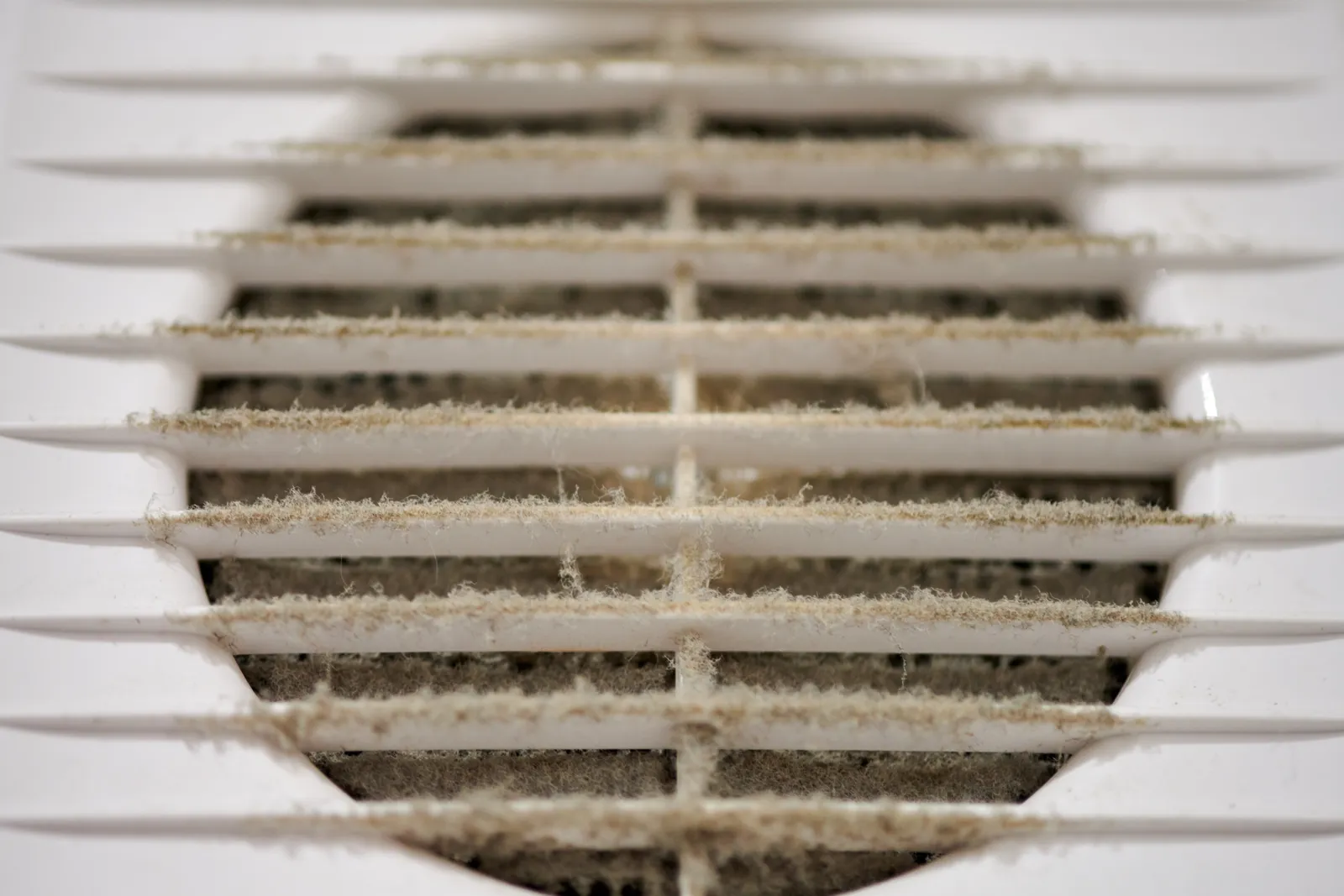
Removing mold from an HVAC system costs between $2,000 and $10,000, depending on the extent of contamination and which components require treatment. Homeowners in the Denver metro area typically pay $3,000 to $5,000 for a full cleaning, sanitization, and antimicrobial treatment of ductwork, coils, and the blower assembly. This guide breaks down HVAC mold removal cost by scope of work, the factors that raise or lower the price, and how remediation compares with DIY cleaning.
What Is the Average Cost to Remove Mold From an HVAC System?
HVAC mold removal costs $2,000 to $10,000 for most residential jobs, with the majority of homeowners spending $3,000 to $5,000 for a complete system cleaning and treatment. The price depends on how much of the system is contaminated and whether ductwork or major components need replacement rather than cleaning. The following table breaks down typical pricing by scope of work.
| Scope of Work | Typical Cost | What It Covers |
|---|---|---|
| Basic duct cleaning and antimicrobial treatment | $500 to $1,500 | Minor surface spores, standard multi-vent cleaning without tear-out |
| Full HVAC system remediation | $2,000 to $6,000 | Coils, blower, and ductwork cleaning with EPA-registered antimicrobial application |
| Severe infestation with duct replacement | $5,000 to $10,000+ | Removal and replacement of contaminated flexible ductwork, insulation lining, or major components |
| Mold inspection and testing | $200 to $600 | Air quality testing and mold species identification before or after remediation |
A basic duct cleaning addresses surface-level spores without disturbing insulation or ductwork. Full system remediation becomes necessary once mold reaches the coils, blower housing, or interior duct lining. Severe cases that involve porous insulation or heavily colonized flexible ductwork require physical removal and replacement rather than cleaning alone, which raises the cost toward the higher end of the range.
HVAC Mold Removal Cost by Factor
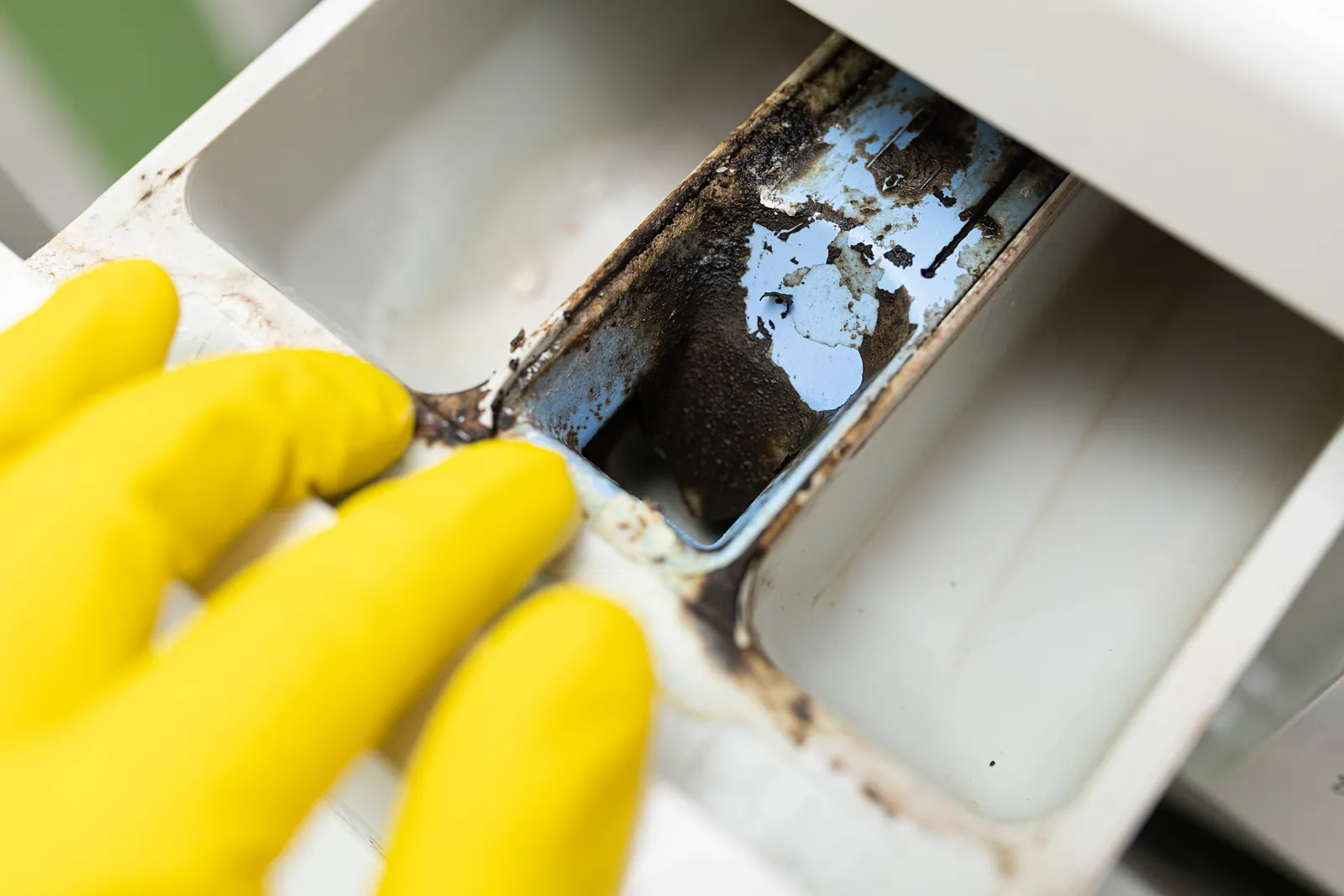
Several variables determine where a specific job falls within the $2,000 to $10,000 range.
- System size: A central, ducted system with multiple zones costs more to remediate than a single window or ductless unit because of the added duct length and number of components requiring treatment.
- Contamination severity: Surface-level growth on a vent cover costs less to treat than deep colonization inside porous duct insulation or the air handler.
- Component affected: Cleaning exposed ductwork costs less than treating internal coils, the drip pan, or the blower housing, which require partial disassembly to access.
- Remediation method: Cleaning and encapsulation costs less than duct replacement, which becomes necessary when flexible ductwork or insulation has absorbed moisture and cannot be sanitized.
- Accessibility: Ductwork located in a cramped mechanical closet, attic, or crawl space increases labor time compared with an easily accessible basement system.
- Associated repairs: Fixing the underlying moisture source, such as a leaking condensate pan or a compromised attic seal, adds to the total mold cost but prevents mold from returning to the treated system.
What Are the Signs of Mold in Your HVAC System?
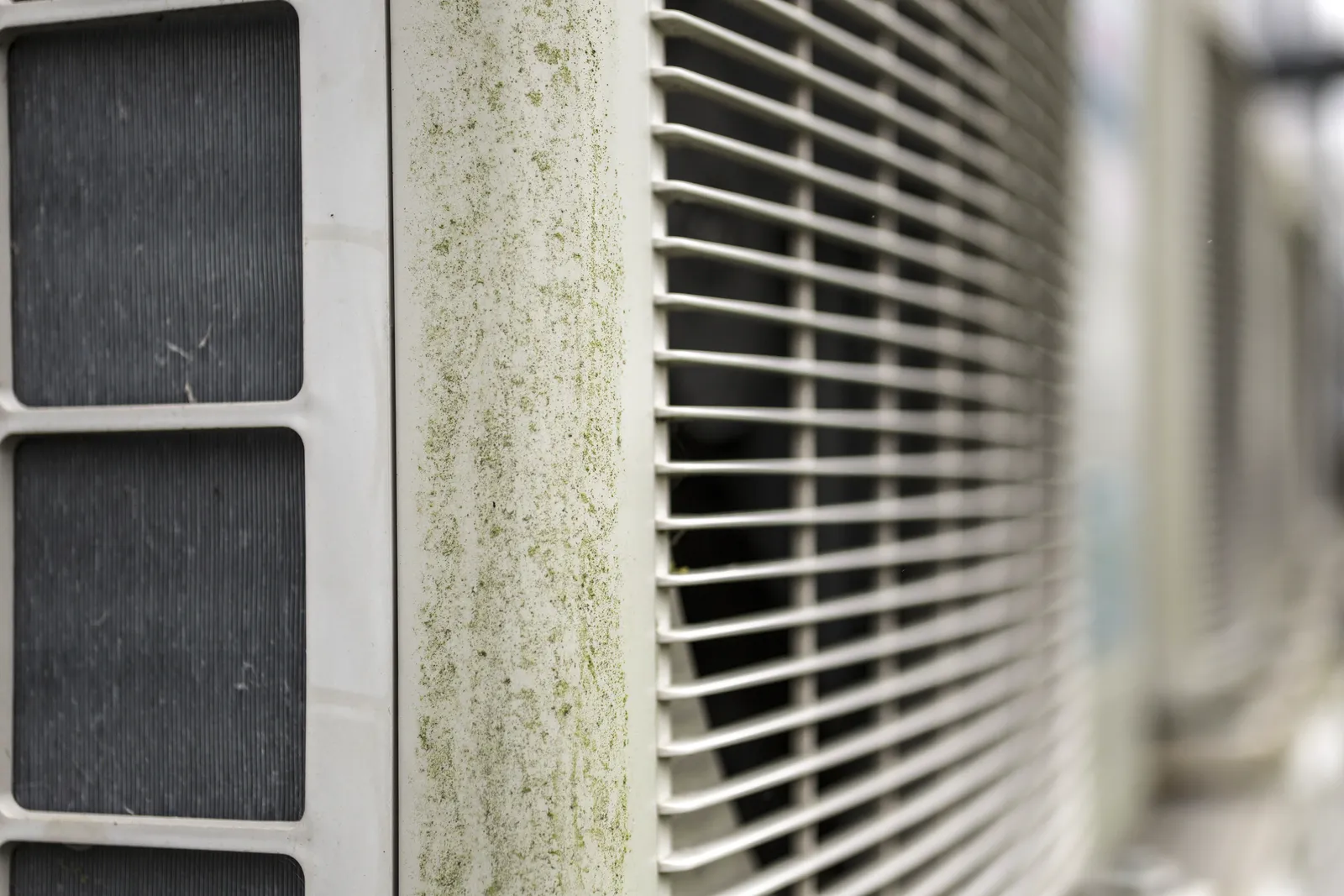
HVAC mold produces four common signs: a musty odor at system startup, visible black or green spotting near vents or coils, worsening allergy symptoms while the system runs, and condensation on duct exteriors.
- Musty odor at startup: A smell that appears specifically when the system turns on points to spores circulating from the ductwork or coils rather than a general indoor air quality issue.
- Visible spotting on vents or coils: Black or green discoloration on vent covers, exposed ductwork, or coil surfaces indicates active mold growth.
- Worsening allergy symptoms during operation: Sneezing, congestion, or respiratory irritation that intensifies while the HVAC system runs suggests spores are entering circulated air.
- Condensation on duct exteriors: Moisture forming on the outside of ductwork signals the humidity conditions that allow mold to develop and spread.
What Causes Mold in HVAC Systems?
Five conditions cause mold in HVAC systems: high indoor humidity, dirty or clogged filters, oversized units that short-cycle, a clogged condensate drain line, and poorly insulated ductwork in humid spaces.
- High indoor humidity: Elevated humidity combined with cool coil surfaces creates condensation that mold spores use to establish colonies.
- Dirty or clogged filters: Restricted airflow traps moisture against surfaces inside the unit instead of allowing it to evaporate.
- Oversized units that short-cycle: An air conditioning system sized larger than the space requires fails to remove enough humidity from circulating air, leaving damp conditions after each cooling cycle.
- Clogged condensate drain line: A blocked drain line allows water to back up around the coils and drip pan instead of draining away.
- Poorly insulated ductwork in humid spaces: Ductwork routed through crawl spaces or attics without adequate insulation collects surface condensation from ambient humidity.
How Does HVAC Mold Remediation Work?
HVAC mold remediation follows four steps: containment, antimicrobial treatment, duct cleaning or replacement, and post-remediation air testing.
- 1Containment: Technicians shut down the system and seal off supply and return vents to prevent spores from circulating during the work.
- 2Antimicrobial treatment: An EPA-registered antimicrobial is applied to ductwork, coils, and the drip pan to kill active mold growth.
- 3Duct cleaning or replacement: Ductwork with surface contamination is cleaned mechanically, while sections with deep colonization or saturated insulation are removed and replaced.
- 4Post-remediation air testing: Technicians test spore counts to confirm they have returned to normal levels before restoring the system to full operation.
DIY vs. Professional HVAC Mold Removal
Surface cleaning with household antimicrobial products can address minor spotting on an accessible vent cover, but professional remediation is required once mold reaches the ductwork interior, coils, or blower assembly. Running an active HVAC system during cleaning risks spreading spores throughout the home through the supply air. Professional remediation companies follow the IICRC S520 standard for mold remediation, which outlines containment, treatment, and clearance testing procedures that homeowners cannot replicate with retail cleaning products.
Colorado does not license mold remediation contractors at the state level, so credentials come from trade organizations such as the IAC2 or ACAC rather than a state board. Professional treatment becomes necessary when contamination extends beyond a single accessible surface, when the system serves a household member with respiratory sensitivities, or when the source of moisture has not been identified and corrected.
Does Insurance Cover HVAC Mold Removal?
Homeowners insurance covers HVAC mold removal when the mold results from a sudden, accidental event, such as a burst pipe that flooded the mechanical closet. Coverage typically excludes mold caused by gradual conditions such as long-term condensation, humidity, or a slow drain leak that developed over time, since standard policies treat these as maintenance issues rather than covered perils. The distinction between sudden and gradual damage determines whether a claim is approved or denied.
FAQs - HVAC Mold Removal
Need Emergency Restoration Help Today?
Call Apex Damage Restoration now for fast priority dispatch across Aurora, CO, a written estimate before work begins, and direct insurance claims assistance.