
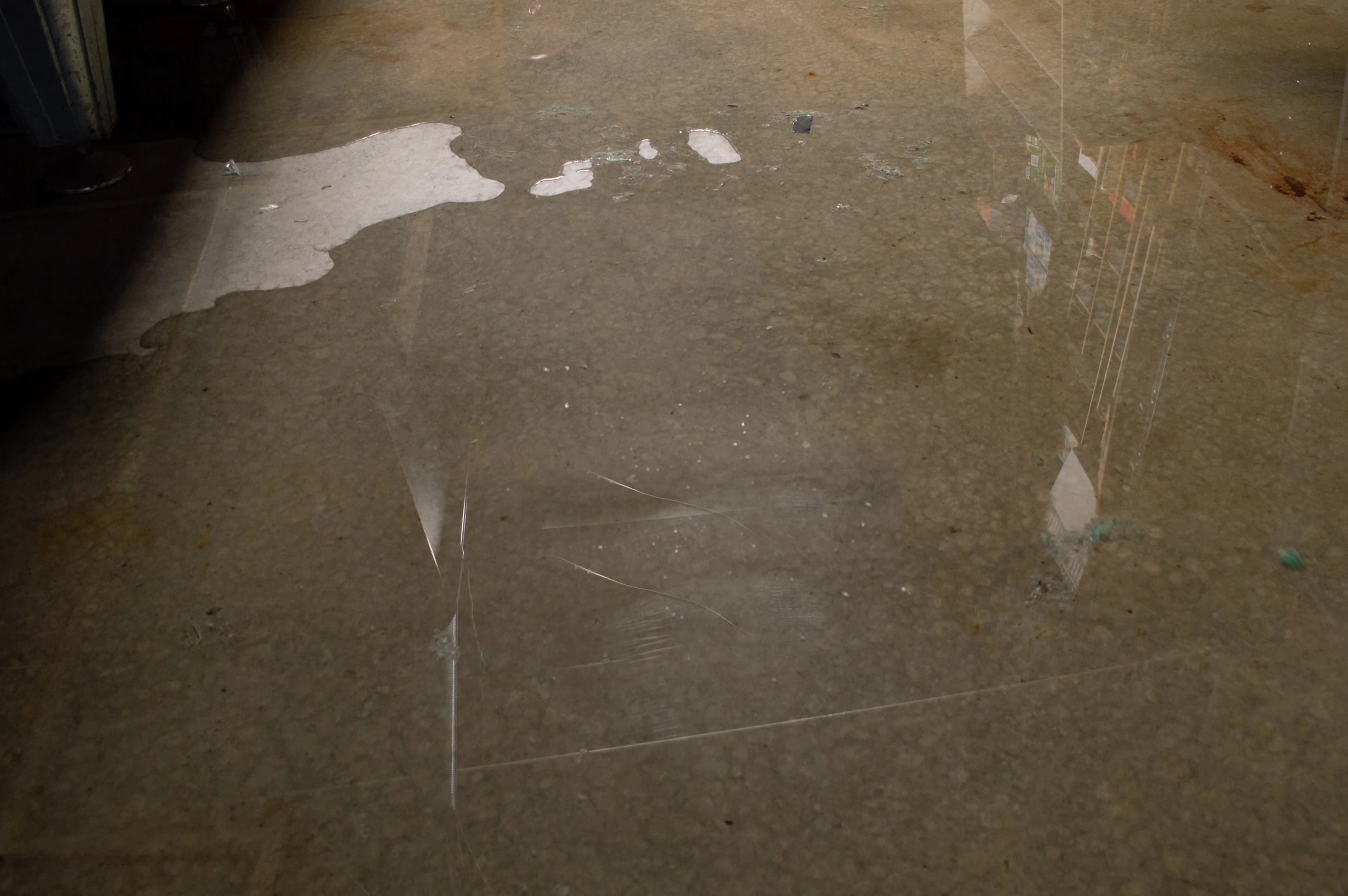
A slab leak is a water leak that develops in or under a concrete foundation slab, typically affecting a supply line, drain line, or hot water return line routed beneath the structure. The leak forms when a pipe embedded in or below the slab develops a crack, hole, or joint failure, allowing water to escape into the soil, gravel base, or concrete itself. Slab leaks occur most often in homes and commercial buildings built on a concrete slab-on-grade foundation, where plumbing runs through the slab rather than under a raised floor or crawl space. Because the leak originates beneath the concrete, it often goes undetected until water reaches the surface or the utility bill reflects abnormal usage.
What Causes a Slab Leak?
A slab leak results from pipe damage caused by corrosion, ground movement, or excessive water pressure acting on plumbing lines beneath or within the foundation. These three conditions account for most slab leaks in residential and commercial buildings.
Pipe Corrosion and Age
Pipe corrosion breaks down the interior or exterior wall of a water line until the metal thins enough to crack or pinhole. Copper pipe corrodes through a chemical reaction with acidic water, dissolved minerals, or electrolysis from contact with dissimilar metals. Galvanized steel pipe corrodes internally as its zinc coating wears away, exposing the underlying steel to rust. Pipes installed several decades ago carry a higher corrosion risk than newer installations, since material standards and water treatment practices have changed over time. A corroded pipe does not need external damage to fail; the deterioration originates from within the pipe wall.
Soil Shifting and Foundation Movement
Soil shifting stresses the pipes running through a slab by moving the ground that supports and surrounds the foundation. Expansive clay soil swells when saturated and contracts when dry, creating repeated pressure cycles against buried plumbing. Foundation settling, seismic activity, and nearby construction can also shift the slab itself, placing tension or shear force on rigid pipe joints. A pipe that bends or separates under this stress develops a leak at the joint or along the section under the greatest strain.
High Water Pressure and Abrasion
High water pressure accelerates pipe wear by forcing water through the system at a rate the pipe was not designed to sustain. Water pressure above 80 pounds per square inch increases the risk of joint failure and pipe fatigue over time. Water hammer, caused by the sudden stopping of flowing water when a valve or fixture closes, sends a pressure spike through the line that can crack a weakened pipe. Abrasion occurs when a pipe rubs against gravel, rebar, or the surrounding slab material during minor ground movement, wearing through the pipe wall at the contact point.
Signs You Have a Slab Leak
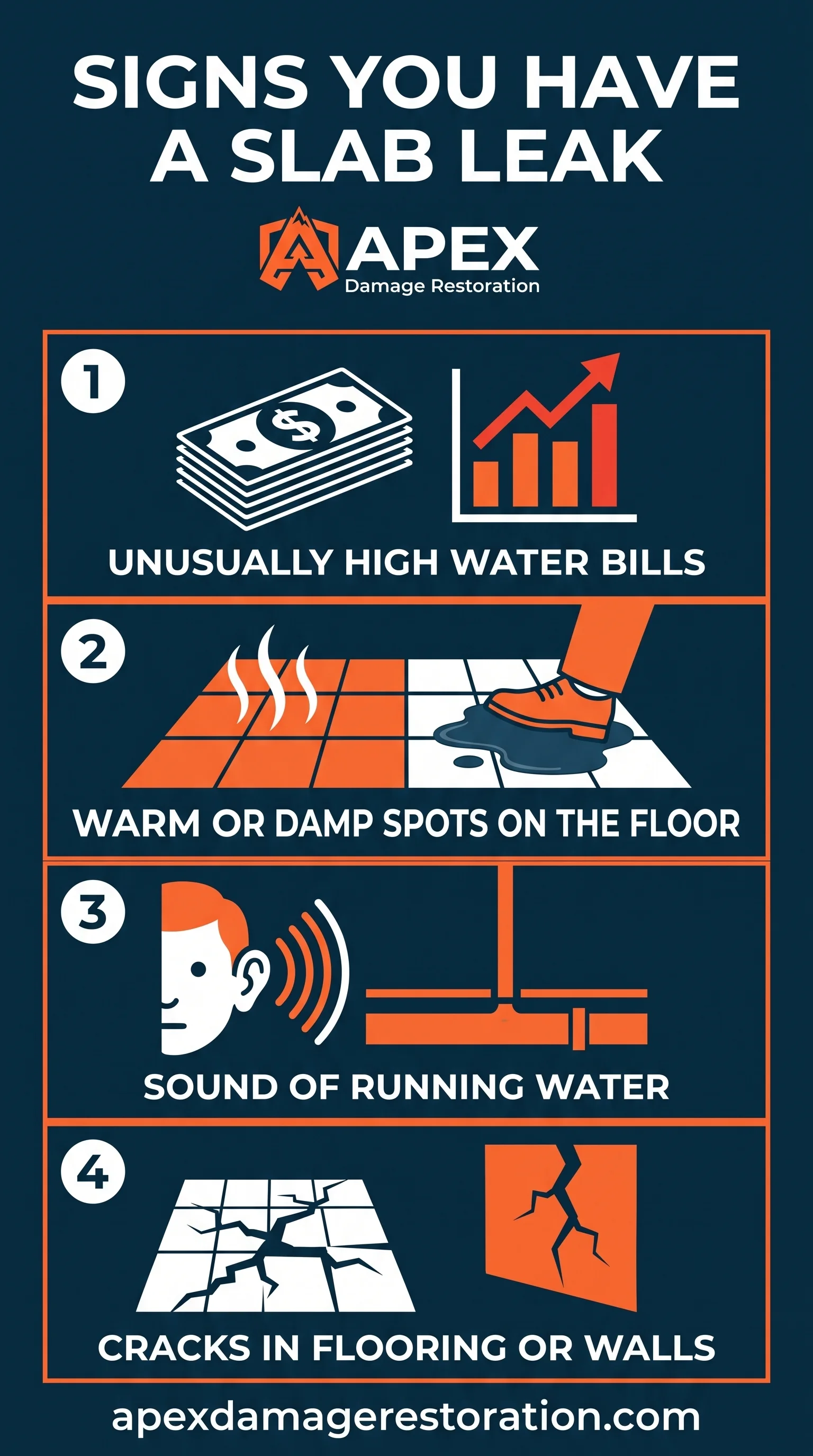
The primary signs of a slab leak are a sudden rise in the water bill, warm or damp flooring, the sound of running water when fixtures are off, and new cracks in the floor or nearby walls. These signs typically appear after water has been leaking for a period of time, since the concrete slab conceals the pipe itself.
Unusually High Water Bills
An unexplained increase in the water bill indicates that water is running continuously somewhere in the system, even when no fixtures are in use. A slab leak allows water to flow into the ground or slab around the clock, which can raise usage by hundreds of gallons per month depending on the leak's size and the water pressure feeding it. Comparing several months of billing history helps distinguish a gradual increase tied to seasonal use from a sudden spike consistent with a new leak.
Warm or Damp Spots on the Floor
A warm spot on the floor points to a leak in a hot water line running beneath the slab, since the escaping hot water heats the surrounding concrete. A damp or discolored spot on flooring, especially near where the slab meets an exterior wall, indicates water migrating upward through the concrete or the flooring material above it. Carpet that stays damp without an external water source and hardwood or laminate flooring that buckles or warps in one area are both consistent with water pressure building beneath the slab.
Sound of Running Water When Fixtures Are Off
Running water audible through the floor with every fixture and appliance turned off indicates an active leak in the supply line beneath the slab. This sound is often faint and easier to notice in a quiet room, particularly near the leak's location. A hissing or trickling sound combined with a spinning water meter, described in the detection section below, provides stronger confirmation than sound alone.
Cracks in Flooring or Walls
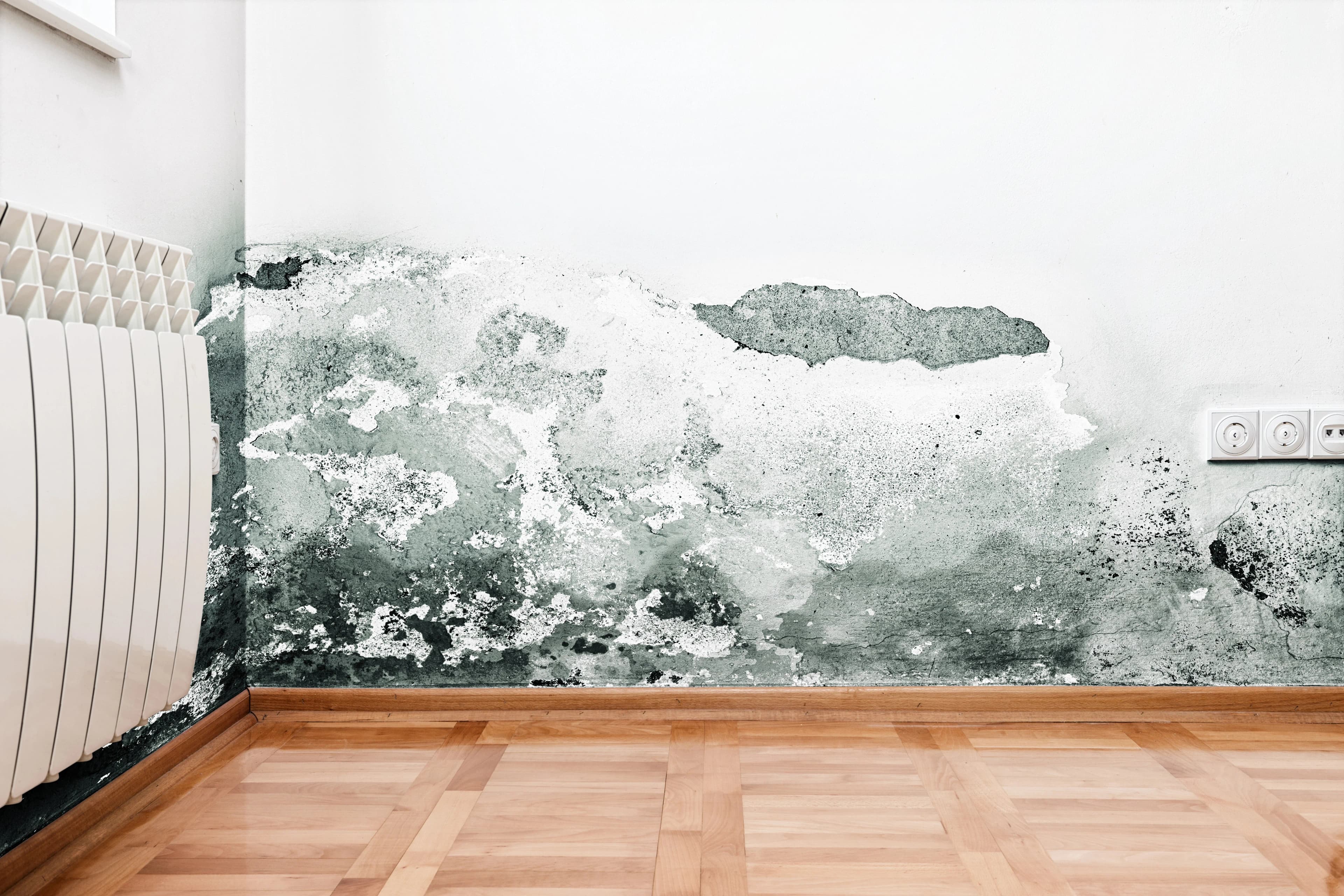
Cracks in tile, flooring, or nearby drywall can form when sustained water exposure softens the soil beneath the slab or when hydrostatic pressure from trapped water pushes against the concrete from below. Baseboard staining and a musty or mildew odor frequently accompany these cracks, since moisture reaching the surface promotes microbial growth in flooring materials and wall cavities. New cracks that widen over several weeks, rather than hairline cracks present since construction, warrant further investigation.
How to Detect a Slab Leak Early?
A slab leak can be detected early through a water meter test performed by the homeowner or through professional leak detection equipment that pinpoints the leak's exact location. Early detection limits the extent of water damage and reduces the scope of the eventual repair.
Water Meter Test (DIY Check)
To perform a water meter test, turn off every fixture and water-using appliance in the building, then locate the water meter and record the reading. Wait 30 minutes without using any water, then check the meter again. A meter reading that has changed during this period indicates water is flowing somewhere in the system, which points to a leak if no fixture was in use. This test confirms that a leak exists but does not identify its location, so a positive result typically leads to professional detection.
Professional Leak Detection Methods
Professional leak detection identifies a slab leak's precise location using acoustic listening equipment, infrared thermal imaging, or pressure testing performed by a licensed plumber. Acoustic detection equipment amplifies the sound of water escaping a pressurized line, allowing a technician to trace the leak along the slab's surface. Infrared thermal imaging detects temperature differences in the flooring caused by a hot water leak, which shows as a warm pattern on the camera. Pressure testing isolates sections of the plumbing system and monitors pressure loss to narrow down which line contains the leak. These methods locate the leak without requiring exploratory demolition, which reduces the amount of concrete or flooring removed during repair.
How Are Slab Leaks Fixed?
A slab leak is fixed through pipe re-routing, trenchless repair, or direct slab penetration, with the method selected based on the leak's location, the pipe's condition, and the extent of accessible routing options. Each method addresses the leak differently and carries a different repair timeline.
Pipe Re-Routing
Pipe re-routing replaces the damaged section of slab plumbing by running a new line through the walls or attic instead of beneath the foundation. This method avoids further slab penetration and reduces the risk of a repeat leak from the same underlying soil or corrosion conditions. Re-routing requires access to interior walls and may involve drywall removal along the new pipe's path, followed by patching and repainting after installation.
Trenchless (No-Dig) Repair
Trenchless repair restores a damaged pipe section using epoxy lining or a pipe-within-a-pipe technique inserted through existing access points, without breaking the slab. A plumber cleans the interior of the damaged pipe, then inserts a resin-coated liner that cures in place to seal cracks and pinholes along the pipe wall. Trenchless technology suits pipes with corrosion damage spread across a longer section rather than a single localized break, since the liner reinforces the full treated length.
Slab Penetration Repair
Slab penetration repair accesses the damaged pipe by breaking through the concrete directly above the leak, replacing the affected section, and patching the opening. A plumber uses the location identified during leak detection to limit the size of the opening required. This method suits an isolated leak in a pipe section that cannot be effectively re-routed or lined, and it typically requires a permit depending on local building code requirements.
How Long Does Slab Leak Repair Take?
Slab leak repair typically takes one to three days from initial access to completed patching, depending on the method used and whether water damage remediation is also required. Pipe re-routing and trenchless repair generally finish faster than slab penetration repair, since penetration repair includes concrete cutting, patching, and curing time. A repair that follows extended water exposure may add several additional days for structural drying and moisture remediation before the slab or flooring is restored.
How Much Does It Cost to Fix a Slab Leak?
Slab leak repair costs range from an industry-estimated $500 to $4,000 for pipe re-routing or trenchless repair, and $2,000 to $10,000 or more for slab penetration repair combined with water damage restoration. These figures represent general industry estimates and vary by region, pipe material, and the extent of water damage requiring separate remediation.
Cost Factors (Location, Access, Method)
The primary cost factors for slab leak repair are the leak's location within the slab, the accessibility of the affected pipe section, and the repair method selected. A leak located near an exterior wall or beneath a low-traffic area costs less to access than one beneath a load-bearing interior wall or fixed structure such as a kitchen island. Slab thickness affects the labor required for penetration repair, since a thicker slab takes longer to cut and patch. Pipe material influences cost as well, since copper repair materials generally cost more than PEX used in re-routing. When the leak has caused water damage to flooring, drywall, or structural framing, remediation costs such as dehumidification, antimicrobial treatment, and material replacement add to the total repair cost separately from the plumbing work itself.
Is a Slab Leak Covered by Insurance?
A standard homeowners insurance policy typically covers the water damage caused by a slab leak when the leak results from a sudden and accidental discharge, but most policies exclude the cost of repairing or replacing the leaking pipe itself. Insurers distinguish between the damage a leak causes and the underlying plumbing failure that caused it, since policies are designed to cover unexpected events rather than the maintenance or replacement of aging pipes.
Common exclusions apply to gradual leaks that developed over an extended period, damage attributed to a lack of maintenance, and pre-existing corrosion documented before the policy's start date. An insurer may deny a claim if an inspection shows the leak had been active long enough to indicate the homeowner should have identified it earlier. Supporting a claim typically requires documentation such as a plumber's leak detection report, dated photographs of the affected area, and receipts for any emergency mitigation performed before the adjuster's inspection. Reviewing a policy's specific water damage and pipe failure language before filing a claim clarifies which portions of a slab leak repair are eligible for coverage.
Slab Leak Repair vs. DIY: When to Call a Professional
Slab leak repair requires a licensed plumber in nearly all cases, since locating and repairing a leak beneath a concrete slab involves pressurized plumbing systems, structural concrete, and, in many jurisdictions, a permit for any work that penetrates the foundation. A homeowner can safely perform the water meter test described earlier to confirm a leak exists, but locating and repairing the leak itself falls outside typical DIY plumbing skills.
Attempting a DIY slab leak repair carries several risks. Cutting into a slab without confirming the exact leak location can damage additional pipe sections or structural rebar. Working on a pressurized water line without the correct tools can cause further pipe failure or flooding. A repair performed without a permit, where one is required, can create complications when selling the property or filing a future insurance claim. A small, recently developed slab leak with minor water intrusion may allow time to schedule a professional evaluation, but a leak accompanied by active flooding, structural cracking, or a rapidly rising water bill needs prompt professional attention to limit the extent of water damage and prevent the leak from progressing into a larger structural issue.
Need Emergency Restoration Help Today?
Call Apex Damage Restoration now for fast priority dispatch across Aurora, CO, a written estimate before work begins, and direct insurance claims assistance.