
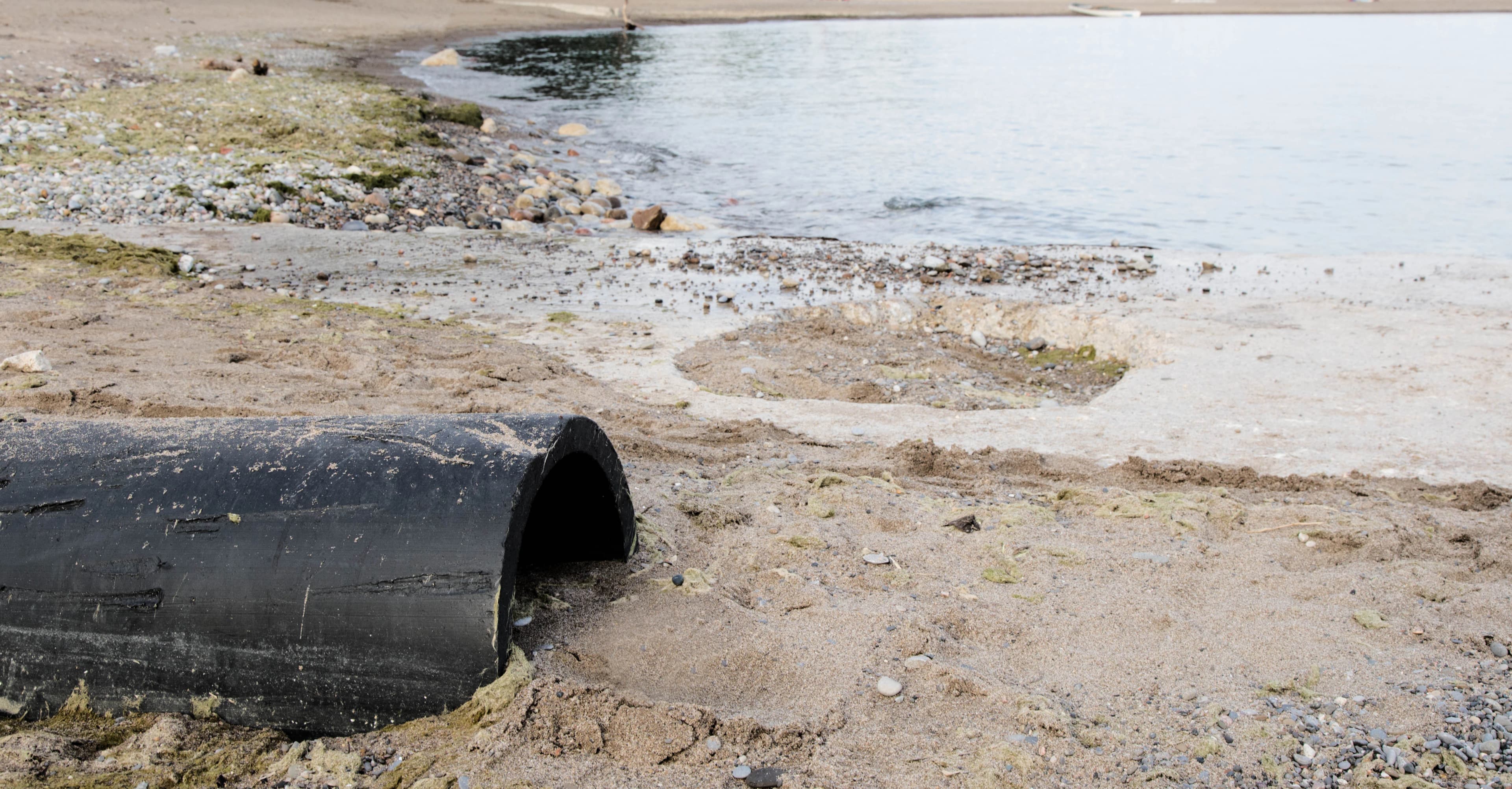
Sewage water damage occurs when contaminated wastewater from a sanitary sewer line, septic system, or plumbing fixture enters a home or building. The intrusion introduces blackwater, a Category 3 water classification under the IICRC S500 Standard, into living spaces, flooring, and structural materials. Because sewage carries bacteria, viruses, and other pathogens, the damage requires professional extraction, sanitization, and often material replacement rather than standard drying alone.
What Is Sewage Water Damage?
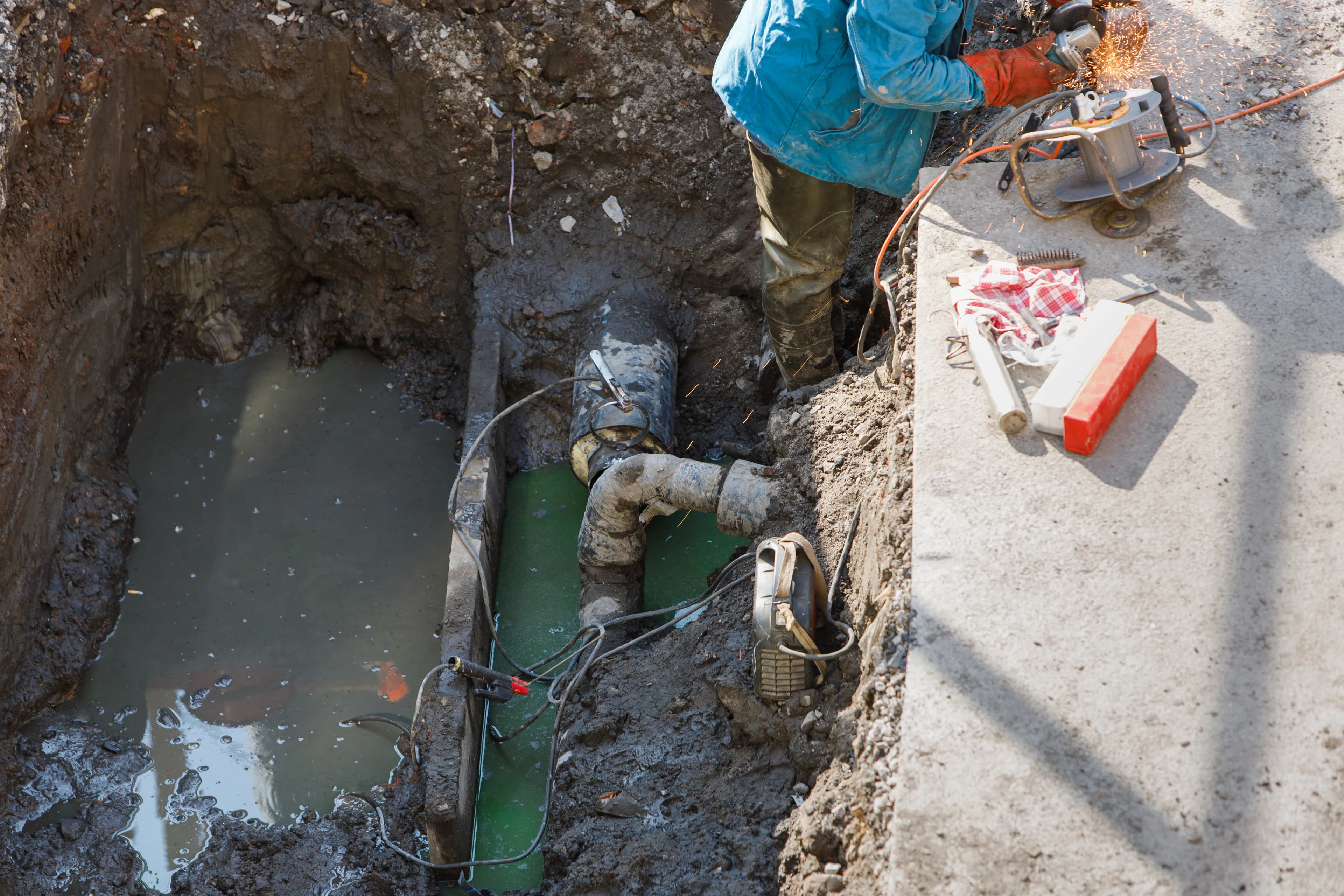
Sewage water damage is structural and material damage caused by wastewater intrusion from a sanitary sewer line, septic system, or sewage backup into a building. The water originates from toilets, drains, or sewer connections and carries human waste, chemicals, and microorganisms into affected areas. Sewage backups typically enter through floor drains, toilets, or basement fixtures connected to the main sewer line. Under the IICRC S500 Standard, this type of intrusion is classified as Category 3, or blackwater, because of its contamination level.
Why Sewage Water Damage Is Classified as Category 3
Sewage water damage is classified as Category 3 because it contains grossly contaminated water capable of causing illness through contact or inhalation. The IICRC S500 Standard defines Category 3 water as water containing pathogenic, toxigenic, or other harmful agents, including bacteria and viruses common in sewage. This classification requires technicians to wear personal protective equipment, including gloves, respirators, and protective clothing, during cleanup. Contact with Category 3 water without proper protection increases the risk of gastrointestinal illness and skin or respiratory infection. For a full explanation of how water damage categories and classes are determined, see Category 3 black water damage.
What Causes Sewage Backups
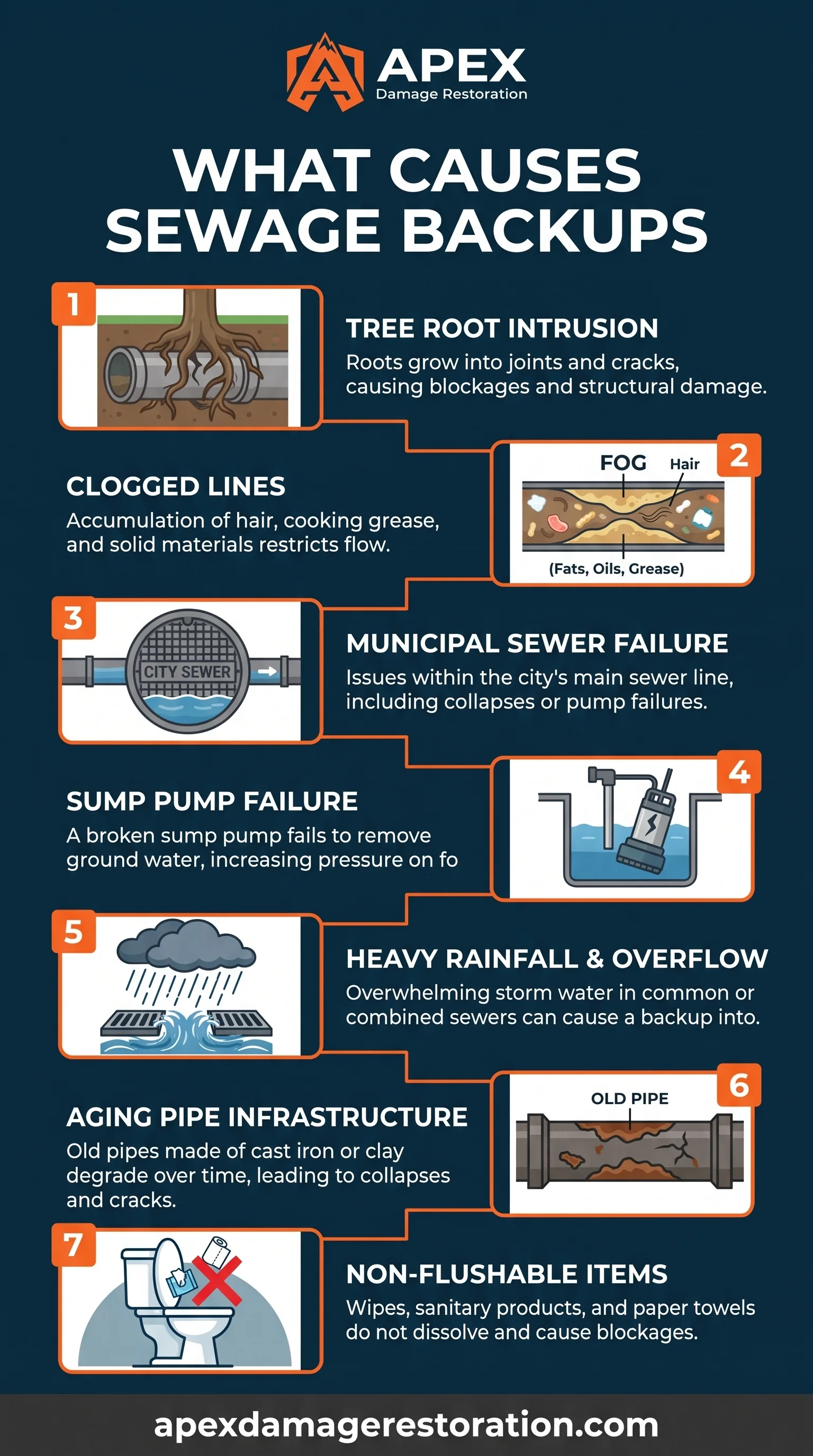
Sewage backups result from blockages, failures, or capacity limits in a building's wastewater system. Common causes include:
- Tree root intrusion into sewer lines
- Clogged sewer lines from grease, debris, or waste buildup
- Municipal sewer line failure or blockage
- Sump pump failure during heavy water flow
- Heavy rainfall causing combined sewer overflow
- Aging or deteriorated pipe infrastructure
- Non-flushable items flushed into the system
How to Respond to Sewage Water Damage Immediately
Homeowners should evacuate the affected area and avoid contact with sewage water immediately after discovering a backup. Direct contact with Category 3 water poses a health risk due to bacterial and viral contamination. The following steps limit exposure and preserve conditions for professional cleanup:
- Evacuate the affected area and keep children and pets away
- Avoid touching or walking through the contaminated water
- Shut off the water source if the backup originates from a controllable fixture
- Contact a certified restoration company for professional extraction
- Avoid DIY cleanup of sewage-contaminated materials
- Document the damage with photos for insurance purposes
- Ventilate the area only if it can be done safely without contact exposure
The Sewage Cleanup Process
Professional sewage cleanup follows three sequential stages: extraction, sanitization, and drying. Each stage addresses a distinct requirement of Category 3 water remediation, from removing contaminated material to eliminating pathogens and restoring safe moisture levels.
Water Extraction and Contaminated Material Removal
Extraction removes standing sewage water and disposes of porous materials that cannot be sanitized. Technicians use pumps and industrial vacuums to remove contaminated water from floors, carpets, and subfloors. Porous materials such as carpet padding, insulation, and drywall that absorbed sewage water are typically removed and discarded, since these materials retain contaminants that cleaning cannot fully eliminate.
Sanitization and Disinfection
Sanitization eliminates pathogens from surfaces and materials that remain after contaminated items are removed. Technicians apply antimicrobial and disinfectant treatments to affected surfaces, including walls, subfloors, and fixtures that contacted sewage water. Odor control treatments address residual smells caused by bacterial activity in the affected materials.
Drying and Dehumidification
Drying restores the affected area to a safe moisture level after sanitization is complete. Technicians position air movers and dehumidifiers to remove residual moisture from structural materials and prevent mold growth. Moisture monitoring with meters confirms that walls, subfloors, and framing reach acceptable dryness levels before reconstruction begins.
Sewage Water Damage Repair
Sewage water damage repair replaces structural and finish materials that sewage cleanup removed or that sustained damage beyond sanitization. Repair follows cleanup because sanitization and drying must be complete before reconstruction begins.
Structural and Material Replacement
Structural and material replacement restores the building components removed during the cleanup process. Common replacement work includes drywall installation, flooring replacement, subfloor repair, and insulation replacement in areas where original materials could not be sanitized. Contractors verify structural drying is complete before installing new materials to prevent trapped moisture and future mold growth.
When Repair Requires More Than Cleaning
Repair extends beyond cleaning when structural materials absorbed sewage water and lost their integrity or safety. Cleaning addresses surface-level contamination on non-porous materials, while repair addresses materials that require full removal and replacement due to permanent contamination or structural compromise. A subfloor that absorbed sewage water, for example, typically requires replacement rather than disinfection alone, since the material cannot be fully decontaminated once saturated.
Is Sewage Water Damage Covered by Insurance?
Sewage water damage coverage depends on whether the cause qualifies as sudden and accidental or results from gradual, preventable conditions. Standard homeowners insurance policies often exclude sewer backup damage unless the policyholder adds a specific sewer backup endorsement. For a detailed comparison of how insurers evaluate cause and timing, see sudden vs. gradual water damage. Common exclusions and denial reasons for sewage-related claims are covered in common reasons water damage claims are denied.
If your home has experienced a sewage backup, Apex Damage Restoration provides 24/7 emergency response with IICRC-trained technicians equipped to handle Category 3 water safely. Apex Damage Restoration also coordinates directly with insurance providers to help document and process sewage-related claims. Learn more about the full restoration process on our water damage restoration guide.
Need Emergency Restoration Help Today?
Call Apex Damage Restoration now for fast priority dispatch across Aurora, CO, a written estimate before work begins, and direct insurance claims assistance.