
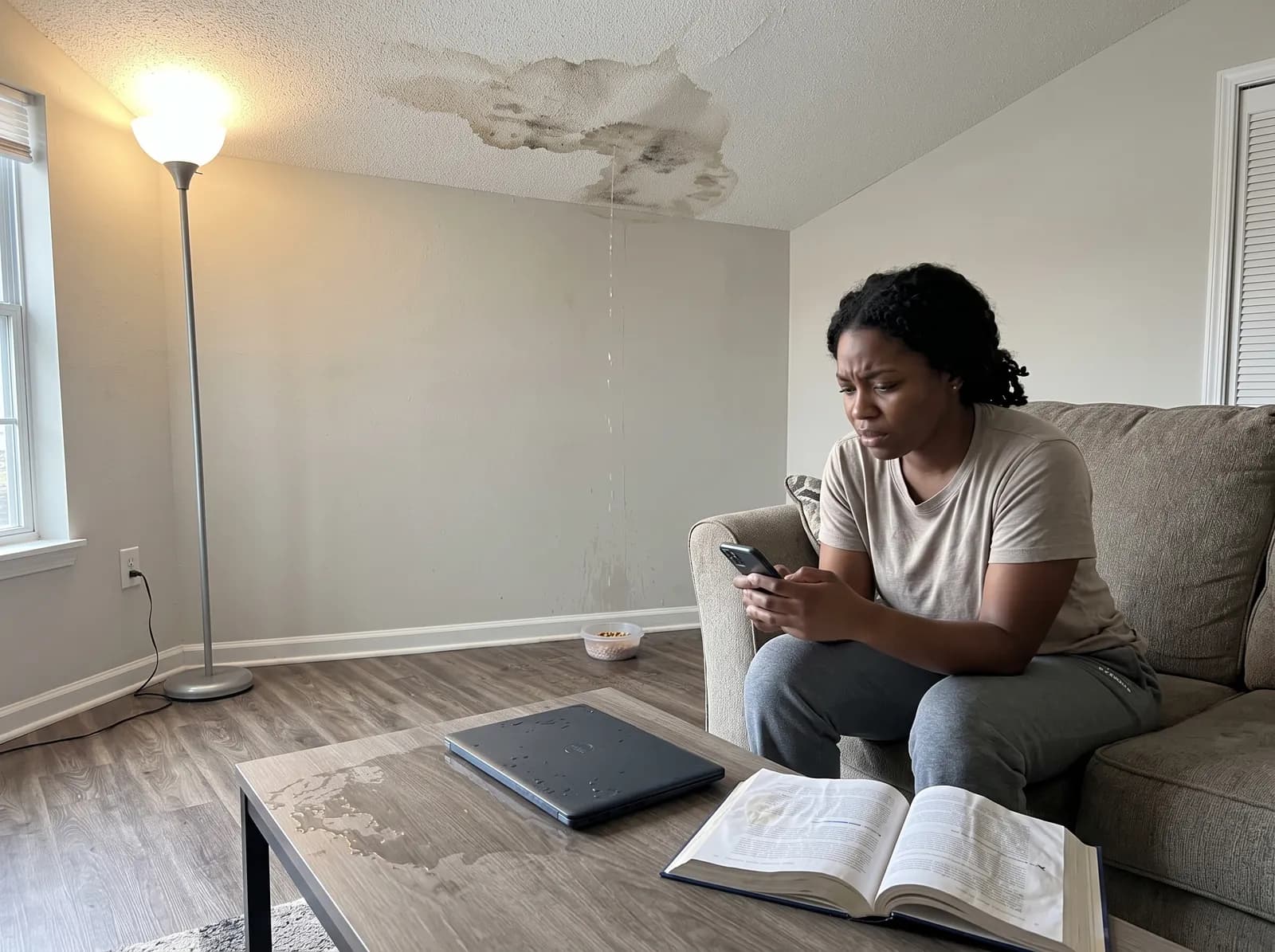
Yes, renters insurance covers water damage to a tenant's personal belongings when the cause is sudden and accidental, but it does not cover the physical building structure, which remains the landlord's responsibility under a separate policy. Coverage extends across personal property, additional living expenses, and liability, with specific exclusions that depend on the cause and duration of the water intrusion.
What Renters Insurance Covers for Water Damage?
Renters insurance covers water damage through three components: personal property coverage, additional living expenses coverage, and liability coverage. Each component addresses a different consequence of a water damage event, and together they define the full scope of protection a renter's policy provides.
Personal Property Coverage
Personal property coverage reimburses a tenant for belongings damaged or destroyed by a covered water event, such as furniture, electronics, clothing, and other personal items inside the rental unit. Coverage applies up to the policy's personal property limit, and insurers pay based on either replacement cost or actual cash value depending on the policy terms. A renter files a claim by documenting the damaged items with photographs and receipts, since this evidence supports the claimed value during the insurer's review.
Additional Living Expenses (ALE) Coverage
Additional living expenses coverage reimburses a tenant for costs incurred when water damage makes the rental unit temporarily uninhabitable. ALE coverage typically pays for hotel stays, temporary housing, and increased meal costs incurred while the unit undergoes repair. Coverage applies only when the damage results from a peril covered under the policy and the unit becomes genuinely unlivable, not merely inconvenient to occupy during repairs.
Liability Coverage
Liability coverage protects a tenant financially when water damage originating in their unit causes injury or property damage to another person, such as a neighbor in a unit below. A bathtub left running that overflows into a downstairs unit is an example of a liability event, since the tenant's action caused damage beyond their own rental space. Liability coverage pays for the resulting legal or repair costs up to the policy's liability limit, protecting the tenant from direct financial responsibility for the third party's loss.
Types of Water Damage Covered By Cause
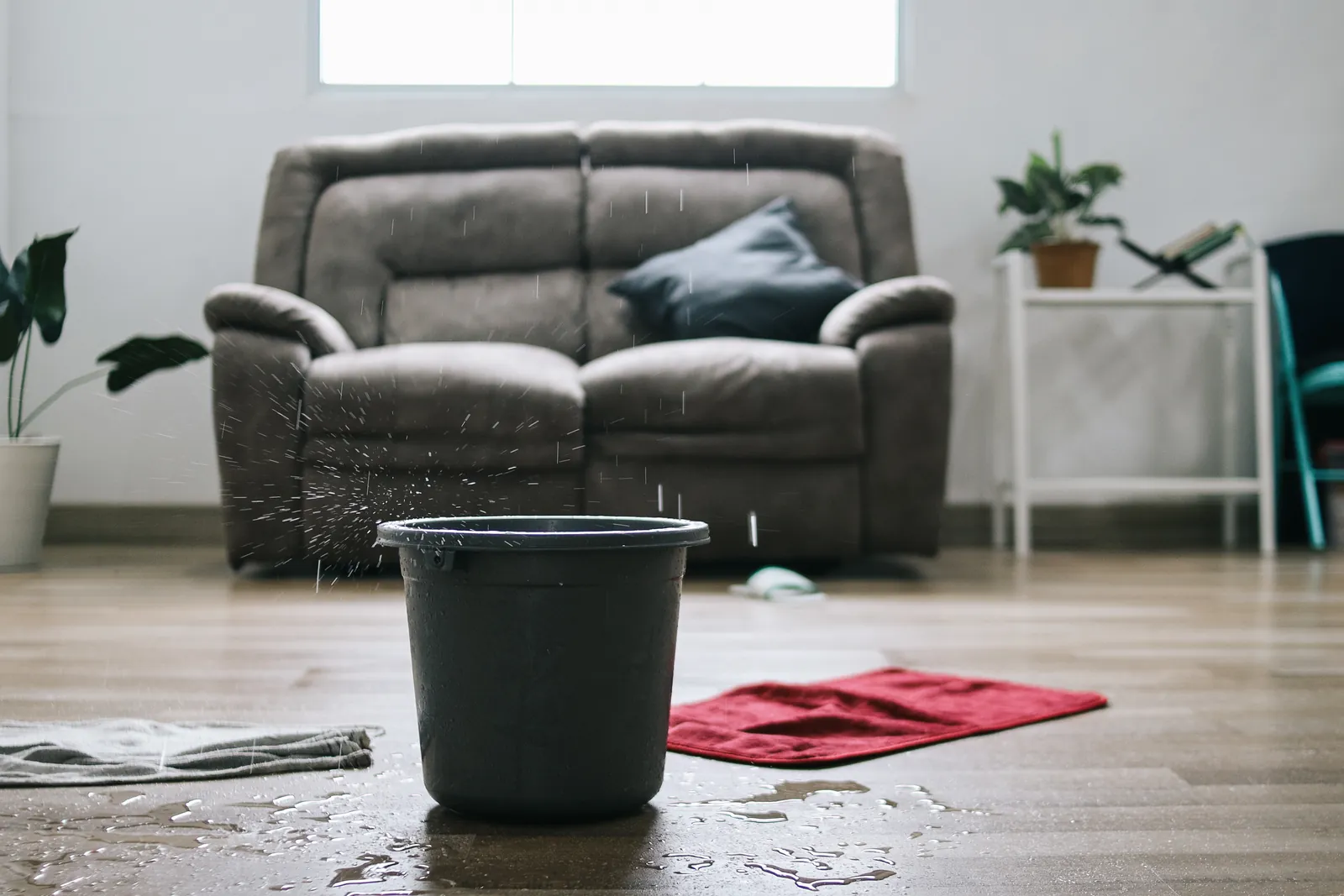
Renters insurance coverage depends on the specific cause of the water damage, since insurers apply the sudden-and-accidental standard differently across plumbing failures, fixture leaks, and appliance malfunctions.
Water Damage From Burst Pipes
Renters insurance covers water damage to personal belongings caused by a burst pipe, since a sudden pipe rupture qualifies as an unpredictable, accidental event. The building's structural repair, including the pipe itself and any damaged walls or flooring, remains the landlord's responsibility under the building's separate policy. A tenant's damaged furniture, electronics, and belongings affected by the burst pipe fall under the renter's personal property coverage.
Water Damage From a Toilet Overflow or Leak
Renters insurance covers water damage to personal belongings from a toilet overflow or leak when the failure is sudden, such as a mechanical malfunction that causes an unexpected overflow. Coverage becomes uncertain when a slow leak around the toilet base persisted unnoticed for an extended period, since insurers may classify this as gradual damage rather than a sudden event. A tenant whose negligence caused the overflow, such as leaving a toilet unattended while flushing foreign objects, may face reduced coverage or a liability claim from the landlord.
Water Damage From Appliance Leaks
Renters insurance covers water damage to personal belongings from sudden appliance leaks, such as a failed washing machine hose or a malfunctioning dishwasher connection. A water heater or refrigerator ice maker that fails suddenly and releases water onto nearby belongings qualifies under the same sudden-and-accidental standard. Damage from an appliance that leaked gradually due to a worn seal the tenant failed to report typically falls outside coverage, since prolonged leaking indicates a maintenance issue rather than a sudden failure.
What Water Damages Does Renters Insurance Doesn’t Cover?
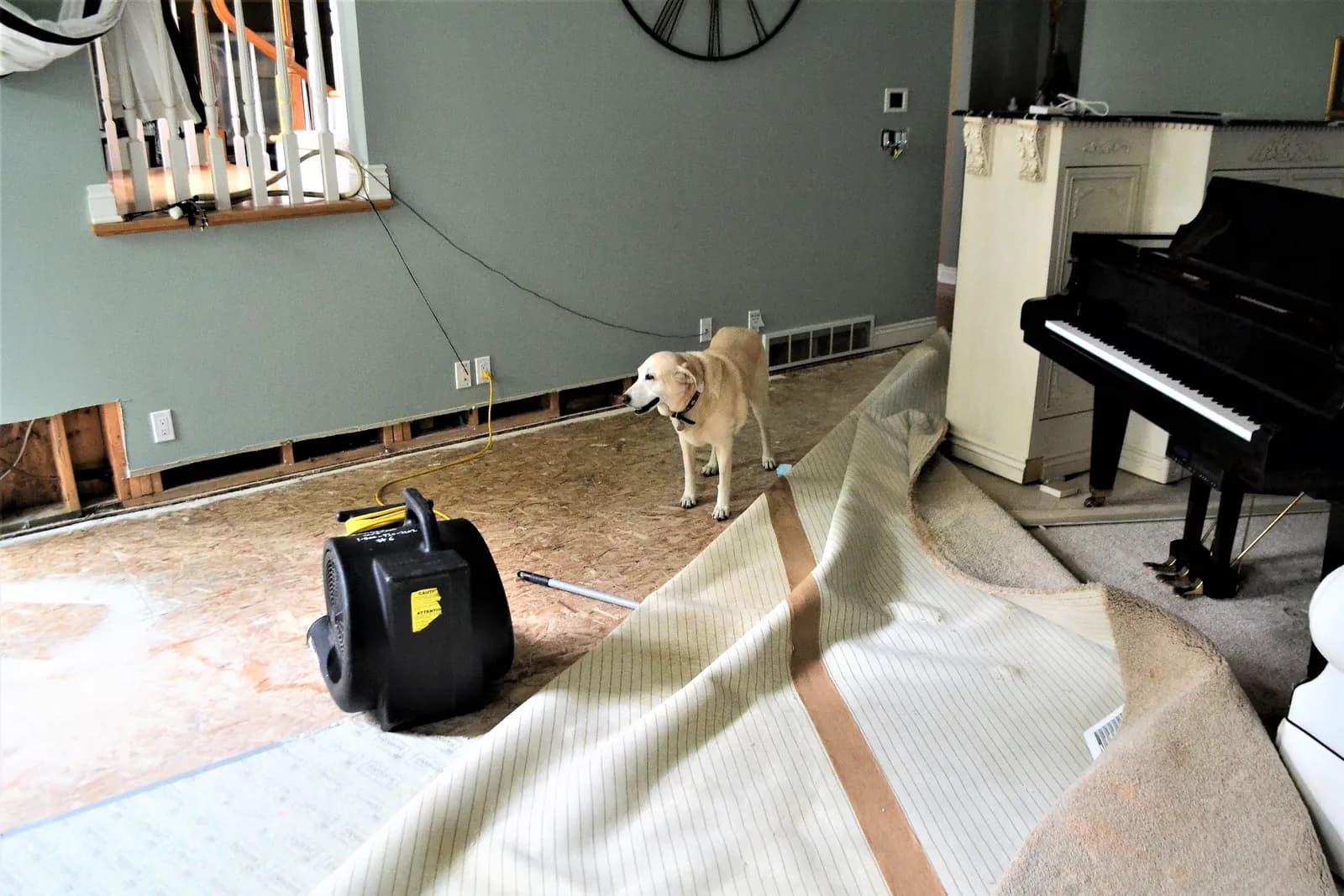
Renters insurance excludes several categories of water damage regardless of how the damage affects a tenant's belongings, since these exclusions apply based on the cause rather than the severity of the loss.
Flood and Groundwater Damage
Renters insurance does not cover flood or groundwater damage, since this type of loss requires separate flood insurance through the National Flood Insurance Program or a private flood policy. Water that enters a rental unit from rising water, storm surge, or groundwater seepage falls outside a standard renter's policy regardless of the storm's severity. Tenants in flood-prone areas or basement or ground-floor units face the greatest exposure to this exclusion.
Gradual Leaks and Long-Term Water Damage
Renters insurance does not cover damage from gradual leaks or long-term water intrusion, since insurers require the cause to be sudden and accidental to qualify for coverage. The sudden vs. gradual water damage distinction determines the outcome of many claims, since a leak that persisted for weeks or months before discovery is treated as a preventable maintenance issue rather than a covered event. Tenants who notice a slow leak and delay reporting it to the landlord risk having a resulting claim denied on these grounds.
Damage Caused by Tenant Negligence
Renters insurance does not cover water damage caused directly by tenant negligence, such as leaving a faucet running unattended or failing to report a known leak. Insurers investigate the circumstances surrounding a claim to determine whether the tenant's action or inaction contributed to the loss. A tenant found responsible for negligent damage may also face a liability claim from the landlord or neighboring units in addition to a denied personal property claim.
Renters Insurance vs. Landlord Insurance: Who Covers What
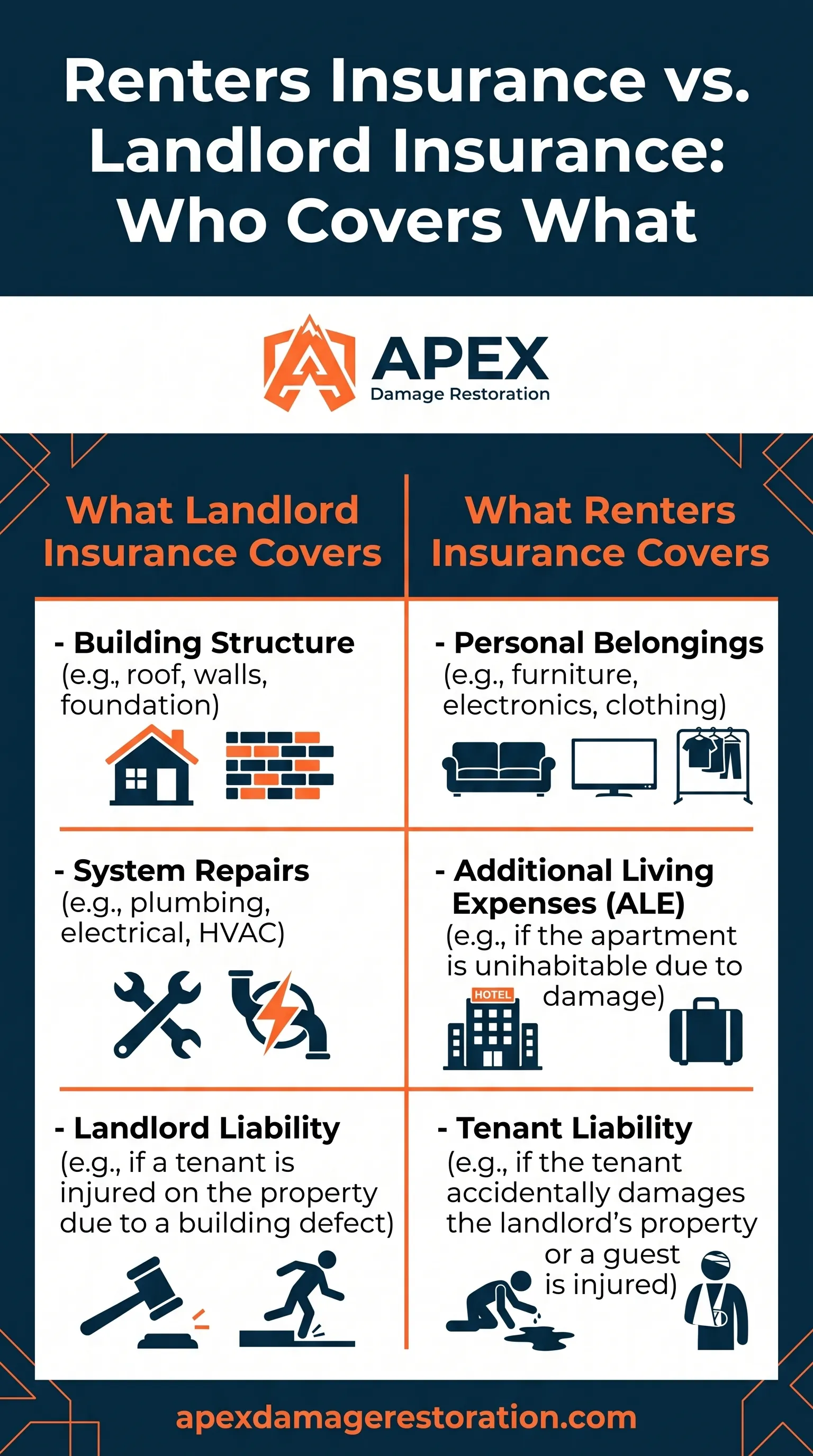
Renters insurance and landlord insurance divide water damage responsibility based on ownership: landlord insurance covers the physical building structure, while renters insurance covers the tenant's personal belongings, and both policies include separate liability protection for their respective policyholders.
What Landlord Insurance Covers:
- The building structure, including walls, flooring, ceilings, and built-in fixtures
- Repairs to plumbing, electrical, and HVAC systems within the building
- Liability protection for the landlord if the building's condition causes tenant injury or loss
What Renters Insurance Covers:
- The tenant's personal belongings, such as furniture, electronics, and clothing
- Additional living expenses if water damage makes the unit temporarily uninhabitable
- Liability protection for the tenant if their actions cause damage to the building or another tenant's property
A landlord's policy does not reimburse a tenant for damaged personal belongings, and a tenant's renters policy does not cover structural repairs to the building, which makes both policies necessary for full protection in a rental property.
Should You Call a Water Damage Restoration Company Before Filing a Claim?
Yes, calling a water damage restoration company before filing a claim provides documentation and rapid water extraction that supports both a tenant's and a landlord's insurance claims. A restoration company's assessment identifies the extent of damage to personal belongings and building materials, creating a documented record an insurer can use to process the claim accurately. Rapid extraction and drying also limit secondary damage, such as mould growth, which can otherwise reduce the amount an insurer is willing to pay by attributing part of the loss to delayed action.
Call a Professional Water Damage Restoration Company Near You
Apex Damage Restoration provides emergency water damage restoration that includes extraction, drying, and documented damage assessments for tenants and landlords navigating a water damage insurance claim. Contact Apex Damage Restoration for a professional assessment that supports your claim from the first inspection through final repair.
Need Emergency Restoration Help Today?
Call Apex Damage Restoration now for fast priority dispatch across Aurora, CO, a written estimate before work begins, and direct insurance claims assistance.