
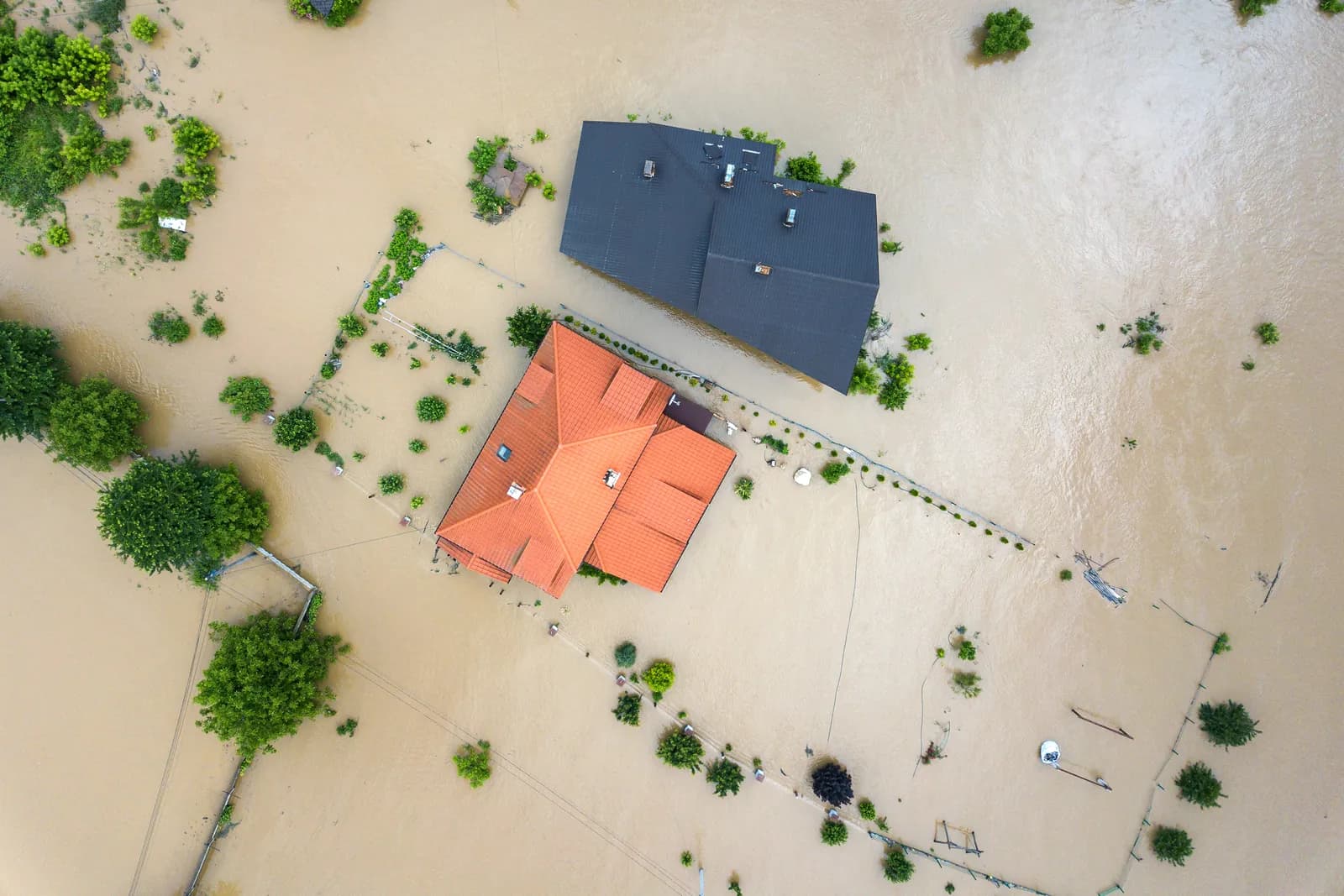
Flooding is one of the most damaging and contamination-prone causes of water damage a property can experience. Unlike an isolated indoor leak, a flood event introduces large volumes of outside water into a structure, saturating framing, flooring, and belongings while carrying a higher risk of sewage and chemical contamination. This guide explains how flooding causes water damage, what signs to look for, how the restoration process works, and what the cost and insurance implications are for a flood-related claim.
What Is Flood Water Damage?
Flood water damage is structural and material damage caused by external water entering a home or business from an outside source, such as rainfall, overflowing bodies of water, or storm surge. Flood water differs from typical water damage sources because it originates outside the building envelope rather than from an internal system failure such as a pipe or appliance.
Flood water frequently carries silt, sewage, chemicals, and other contaminants picked up as it travels across land. This contamination typically classifies flood water as Category 3 (black water), the most hazardous water damage category. The classification determines the required cleaning protocol, personal protective equipment, and the materials that must be removed rather than dried in place.
How Flooding Causes Water Damage to Your Home
Flooding introduces water into a structure through five main pathways: heavy rainfall and storm surge, overflowing rivers or lakes, Flash flooding, Sewer backup during flood events, and Groundwater seepage.
- Heavy rainfall and storm surge: Intense or prolonged rainfall overwhelms drainage systems and pushes water against foundations, window wells, and low-lying entry points.
- Overflowing rivers or lakes: Rising water levels from nearby rivers, lakes, or reservoirs exceed their banks and spread into surrounding properties.
- Flash flooding: Rapid runoff from short, intense rainfall or snowmelt produces fast-moving water that enters structures with little warning.
- Sewer backup during flood events: Municipal storm and sanitary systems can surcharge during flooding, forcing wastewater back into a home through drains and floor fixtures. This pathway shares characteristics with a standalone sewage backup event but occurs specifically because external flood volume exceeds sewer capacity.
- Groundwater seepage: Saturated soil around a foundation raises hydrostatic pressure, forcing water through foundation cracks, joints, and porous concrete even without visible surface flooding.
What Are The Signs and Effects of Flood Water Damage?
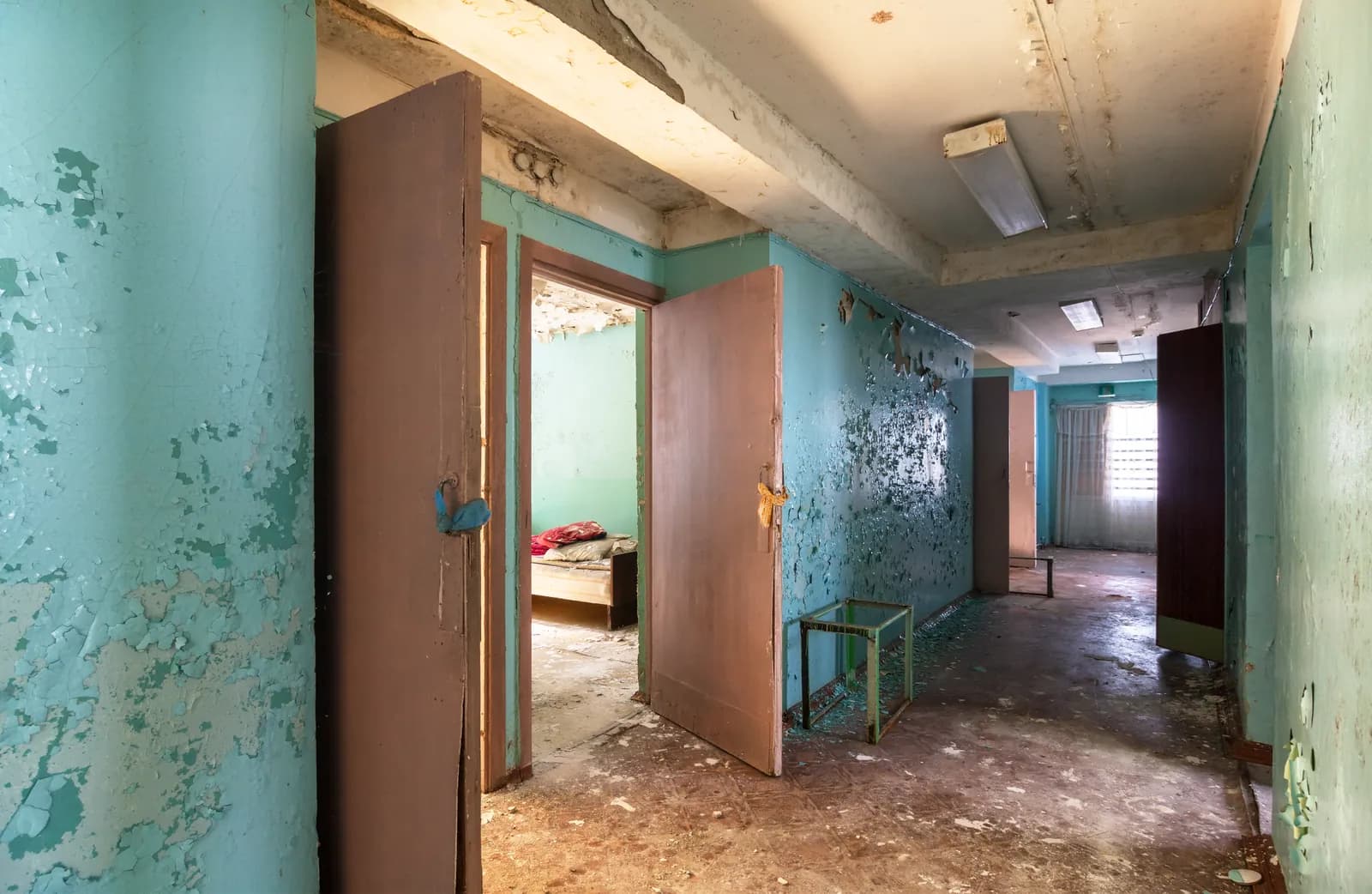
Flood water damage produces structural saturation, biological growth, and safety hazards that intensify the longer water remains in contact with building materials. Structural materials absorb water within minutes of contact, and saturated drywall, insulation, and subfloor lose strength as fibers break down.
Mold colonies can begin developing within 24 to 48 hours of sustained moisture exposure, a timeline recognized by the U.S. Environmental Protection Agency. Standing water also creates electrical hazards when it reaches outlets, wiring, or appliances, requiring a licensed electrician to confirm safety before power is restored.
Basement and Crawl Space Damage
Basements and crawl spaces sustain the earliest and most severe flood damage because they sit below grade and receive both surface runoff and groundwater seepage. Prolonged water contact in these areas saturates framing, insulation, and stored materials, and it raises humidity levels throughout the rest of the structure. A dedicated restoration approach for basement water damage restoration addresses the drainage and hydrostatic pressure issues specific to below-grade spaces.
First-Floor and Structural Damage
First-floor spaces absorb flood water through baseboards, wall cavities, and subfloor assemblies once water rises above the foundation sill. Drywall wicks moisture upward from the base of the wall, often requiring removal several inches above the visible waterline. Specific restoration steps for affected walls are covered under drywall water damage restoration, while saturated subfloor and framing require moisture mapping to confirm the full extent of the affected area before repairs begin.
What Flood Water Damage Restoration Includes?
Flood water damage restoration includes six core services. Water extraction, Moisture mapping, Structural drying, Contaminated material removal, Cleaning and antimicrobial treatment, and Repair and reconstruction.
- Water extraction: Removal of standing water using pumps and extraction equipment.
- Moisture mapping: Documentation of affected materials using moisture meters and thermal imaging to define the true scope of saturation.
- Structural drying: Deployment of air movers and dehumidifiers to reduce moisture in framing, subfloor, and remaining wall assemblies.
- Contaminated material removal: Disposal of porous materials that cannot be sanitized, including saturated drywall, insulation, and carpet padding exposed to Category 3 water.
- Cleaning and antimicrobial treatment: Application of antimicrobial solutions to affected surfaces to limit mold and bacterial growth.
- Repair and reconstruction: Replacement of removed materials and restoration of the structure to its pre-flood condition.
How the Flood Water Damage Restoration Process Works?
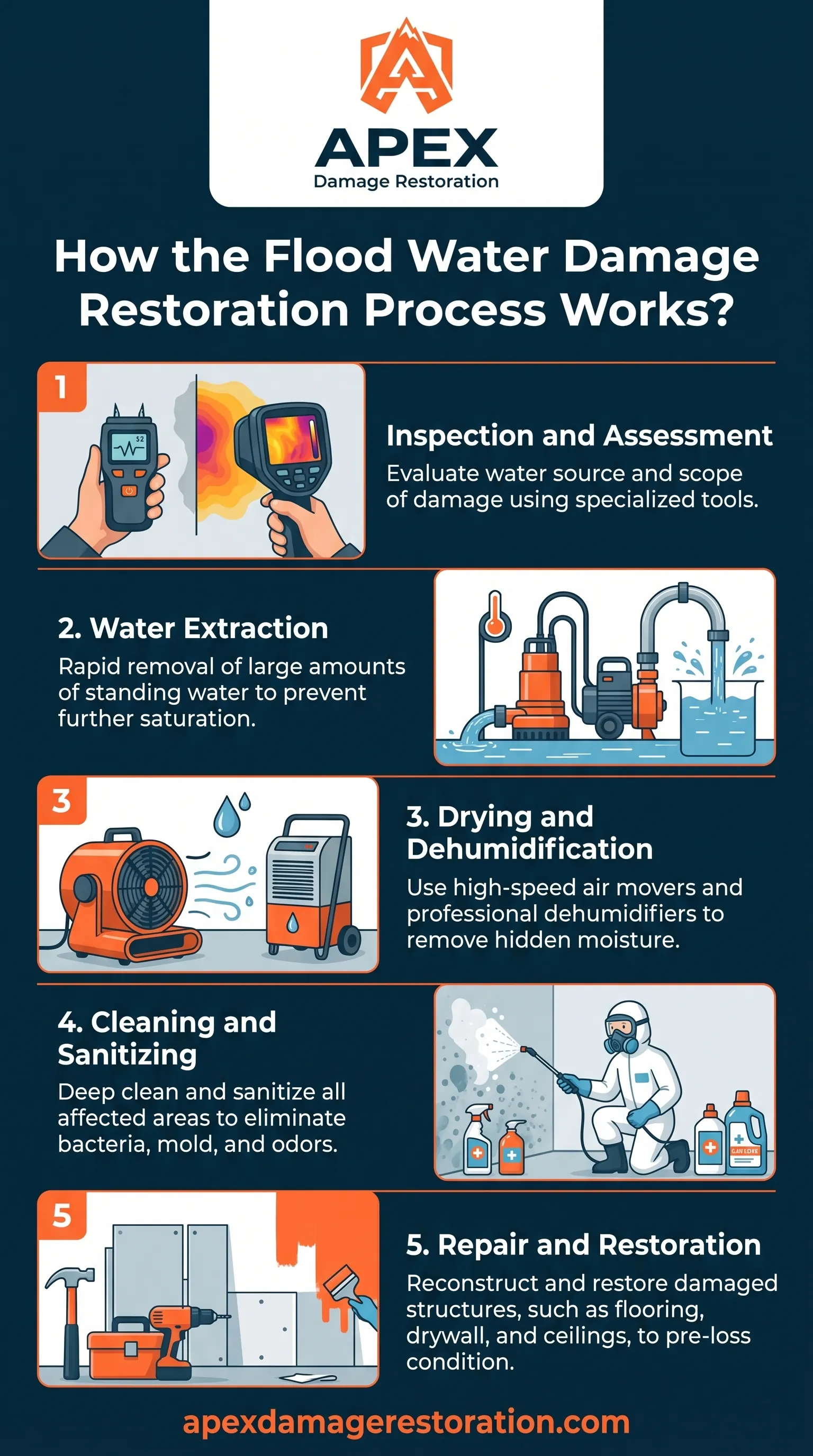
The flood water damage restoration process follows five stages in sequence from start to finish. Inspection and assessment, Water extraction, Drying and dehumidification, Cleaning and sanitizing, and Repair and restoration.
- 1Inspection and assessment. A technician uses moisture meters and thermal imaging cameras to identify the water source, classify the water category, and define the affected boundary.
- 2Water extraction. Pumps and extraction units remove standing water from floors, carpets, and other saturated surfaces.
- 3Drying and dehumidification. Air movers and dehumidifiers reduce moisture in structural materials until readings return to a normal moisture range.
- 4Cleaning and sanitizing. Technicians remove contaminated materials and apply antimicrobial treatment to remaining surfaces to address the biological risk associated with flood water.
- 5Repair and restoration. Contractors replace removed drywall, flooring, and insulation, returning the structure to pre-loss condition.
Each stage depends on completion of the prior stage; drying cannot begin accurately until extraction is complete, and repairs cannot begin until moisture readings confirm the structure is fully dry.
What Is The Difference Between Water Damage and Flood Damage?
Flood damage is a specific type of water damage caused by an external, rising body of water rather than an internal source. The two terms differ across three main criteria.
- Source: Water damage originates from an internal failure, such as a burst pipe or appliance leak, while flood damage originates from an external event affecting a wide geographic area.
- Contamination level: Flood water is typically Category 3 (black water) due to contact with soil, chemicals, and sewage, while other water damage sources can fall into Category 1 (clean water) or Category 2 (gray water).
- Insurance treatment: Standard homeowners insurance policies generally exclude flood damage, while many internal water damage sources are covered under a standard policy.
Does Homeowners Insurance Cover Flood Water Damage?
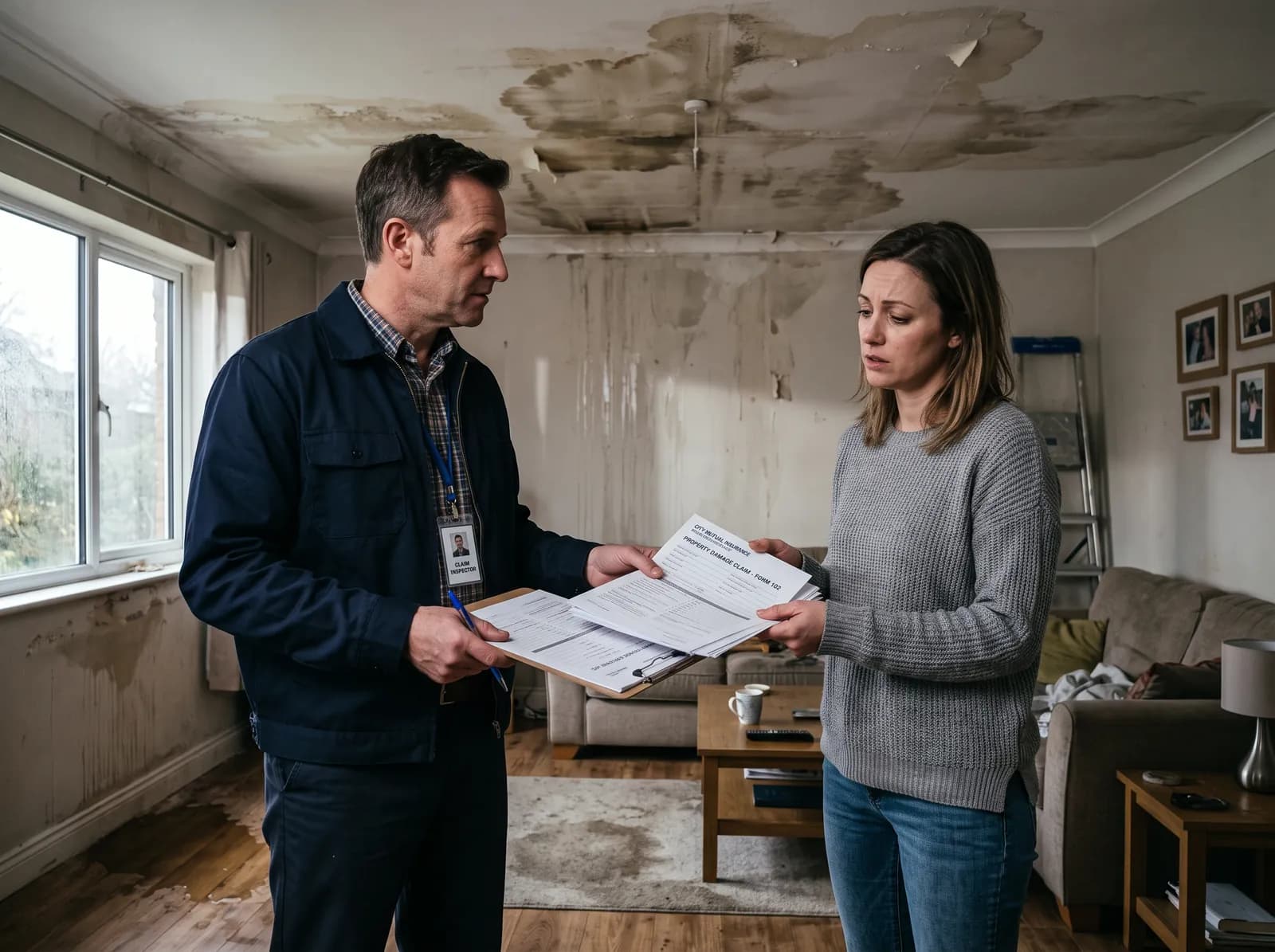
Standard homeowners insurance policies do not cover flood water damage. Flood damage requires a separate flood insurance policy, most commonly issued through the National Flood Insurance Program (NFIP) or a private flood insurance carrier. General water damage insurance coverage typically applies only to sudden, accidental water events originating inside the home, and flooding falls outside that definition regardless of how suddenly it occurs. Homeowners uncertain whether a specific event qualifies as flood damage or a covered water damage event can review the distinction between sudden and gradual water damage to understand how insurers evaluate cause and timing.
How Much Does Flood Water Damage Cost?
Flood water damage restoration typically costs between $3 and $8 per square foot for water extraction and drying, with total project costs rising significantly when structural repairs, contaminated material removal, and reconstruction are required. These figures represent industry estimates and vary by region, water category, and the extent of structural saturation.
Frequently Asked Questions
Get Help With Flood Water Damage Restoration
Flood water damage requires fast extraction, accurate moisture mapping, and proper handling of contaminated materials to prevent long-term structural and health risks. Apex Damage Restoration provides 24/7 emergency response for water damage restoration with IICRC-trained technicians and direct insurance coordination to manage flood water damage from initial extraction through full reconstruction. Contact Apex Damage Restoration for a rapid assessment.
Need Emergency Restoration Help Today?
Call Apex Damage Restoration now for fast priority dispatch across Aurora, CO, a written estimate before work begins, and direct insurance claims assistance.