
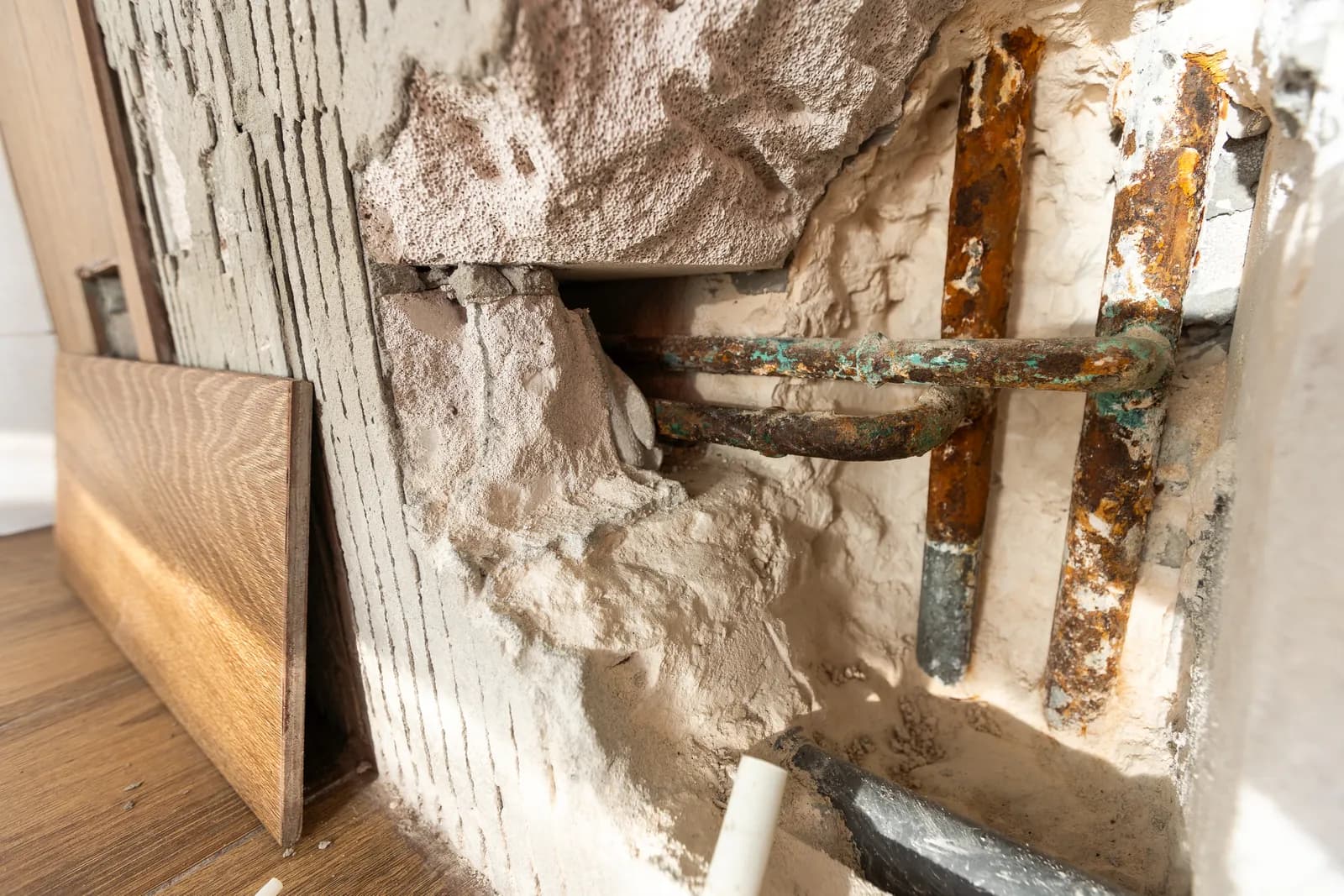
A burst pipe releases pressurized water directly into a home's structure, causing rapid saturation of floors, walls, and ceilings within minutes. Burst pipes rank among the most common causes of water damage in residential and commercial properties, and the speed of water release makes immediate response critical to limiting structural damage.
What Happens When a Pipe Bursts?
A pipe bursts when internal pressure exceeds the structural limit of the pipe material, creating a rupture that releases water continuously until the supply is shut off. Water escapes at the point of failure and travels along the path of least resistance, following gravity through wall cavities, subflooring, and ceiling joists before surfacing at visible surfaces.
A burst pipe operating at standard residential water pressure can release over 100 litres of water per minute, saturating drywall, insulation, and flooring materials before a resident notices the leak.
The water category released from a burst pipe is typically clean water at the moment of failure, though contact with building materials and prolonged exposure can degrade water quality over time.
What Are The Common Signs of a Burst Pipe?
Common signs of a burst pipe include sudden drops in water pressure, unexplained increases in water bills, and visible water stains on walls, ceilings, or floors. A hissing or dripping sound inside walls indicates active water flow at a location without a visible fixture. Warped flooring, bubbling paint, and sagging ceiling tiles develop as trapped moisture accumulates behind building surfaces.
A musty odor without a visible water source often signals a slow leak from a cracked or partially failed pipe section. These indicators frequently overlap with broader signs of water damage found throughout a property, so identifying the specific fixture or pipe segment involved narrows the source before repair begins.
What Are The Common Causes of Burst Pipes?
Burst pipes result primarily from freezing temperatures, corrosion, excessive water pressure, and physical damage to the pipe. Water expands by approximately 9% as it freezes inside a pipe, and this expansion creates internal pressure that cracks or ruptures the pipe wall, particularly in unheated areas such as crawl spaces, attics, and exterior walls.
Corrosion weakens galvanized steel and copper pipes over decades of use, thinning pipe walls until normal water pressure causes failure at the weakest point. Water pressure exceeding 80 pounds per square inch stresses pipe joints and fittings beyond their rated capacity, increasing rupture risk throughout a plumbing system.
Physical damage from construction work, tree root intrusion, or shifting foundations can also crack pipes embedded in walls, slabs, or underground lines.
Where Burst Pipes Cause the Most Damage?
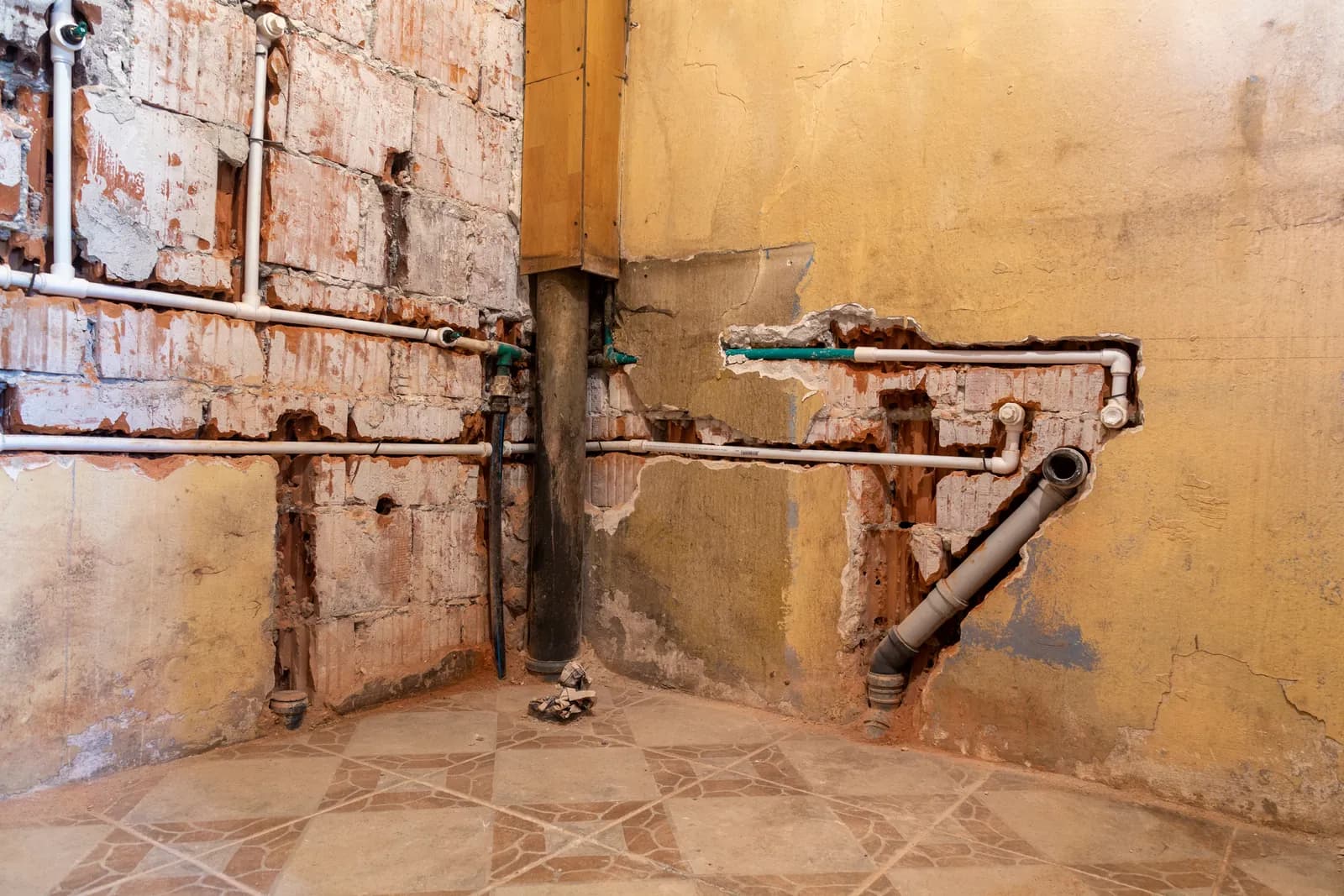
Burst pipes cause the most damage in areas with concentrated plumbing lines, limited ventilation, or building materials prone to rapid water absorption. Damage severity depends on the pipe's location within the structure and how quickly the leak is detected.
Kitchens & Bathrooms
Kitchens and bathrooms contain the highest concentration of water supply lines, making them frequent sites of burst pipe damage. Supply lines running to sinks, dishwashers, and toilets sit inside cabinets and behind walls with limited visibility, allowing leaks to progress before detection. Water released in these rooms saturates cabinetry, subflooring, and adjacent wall cavities, often affecting rooms on lower floors through ceiling penetration.
Basements & Crawl Spaces
Basements and crawl spaces accumulate burst pipe water because these areas sit at the lowest point of a structure, where gravity directs escaping water. Water pooling in a basement saturates flooring, stored belongings, and foundation walls, while limited airflow in a crawl space slows evaporation and increases the risk of mould growth in exposed wood framing and insulation.
Walls & Ceilings
Walls and ceilings sustain damage when a burst pipe inside a wall cavity or upper-floor plumbing line releases water that travels along studs and joists before surfacing. Water trapped behind drywall softens the material and promotes mould growth within the wall cavity, while water reaching a ceiling causes staining, sagging, and eventual structural failure of the ceiling material if left unaddressed.
Attics & Upper Floors
Attics and upper floors experience burst pipe damage primarily from supply lines feeding upper-level bathrooms or from pipes exposed to temperature extremes near the roofline. Water released on an upper floor travels downward through floor assemblies, affecting ceilings and walls on every level below the point of origin before reaching the foundation.
What To Do Immediately After a Pipe Bursts?
Shut off the main water supply valve immediately after discovering a burst pipe to stop continued water flow into the structure. Turn off electricity to affected areas at the breaker panel when water contacts outlets, switches, or fixtures, since standing water near electrical components creates a shock hazard. Remove or elevate furniture, electronics, and belongings from standing water to limit secondary damage. Document the affected areas with photographs before beginning cleanup, since this documentation supports any insurance claim filed for the incident. Avoiding common water damage restoration mistakes, such as delaying water extraction or using household fans alone to dry saturated materials, reduces the risk of mould growth and structural deterioration in the days following the burst.
Burst Pipe Water Damage Restoration Process
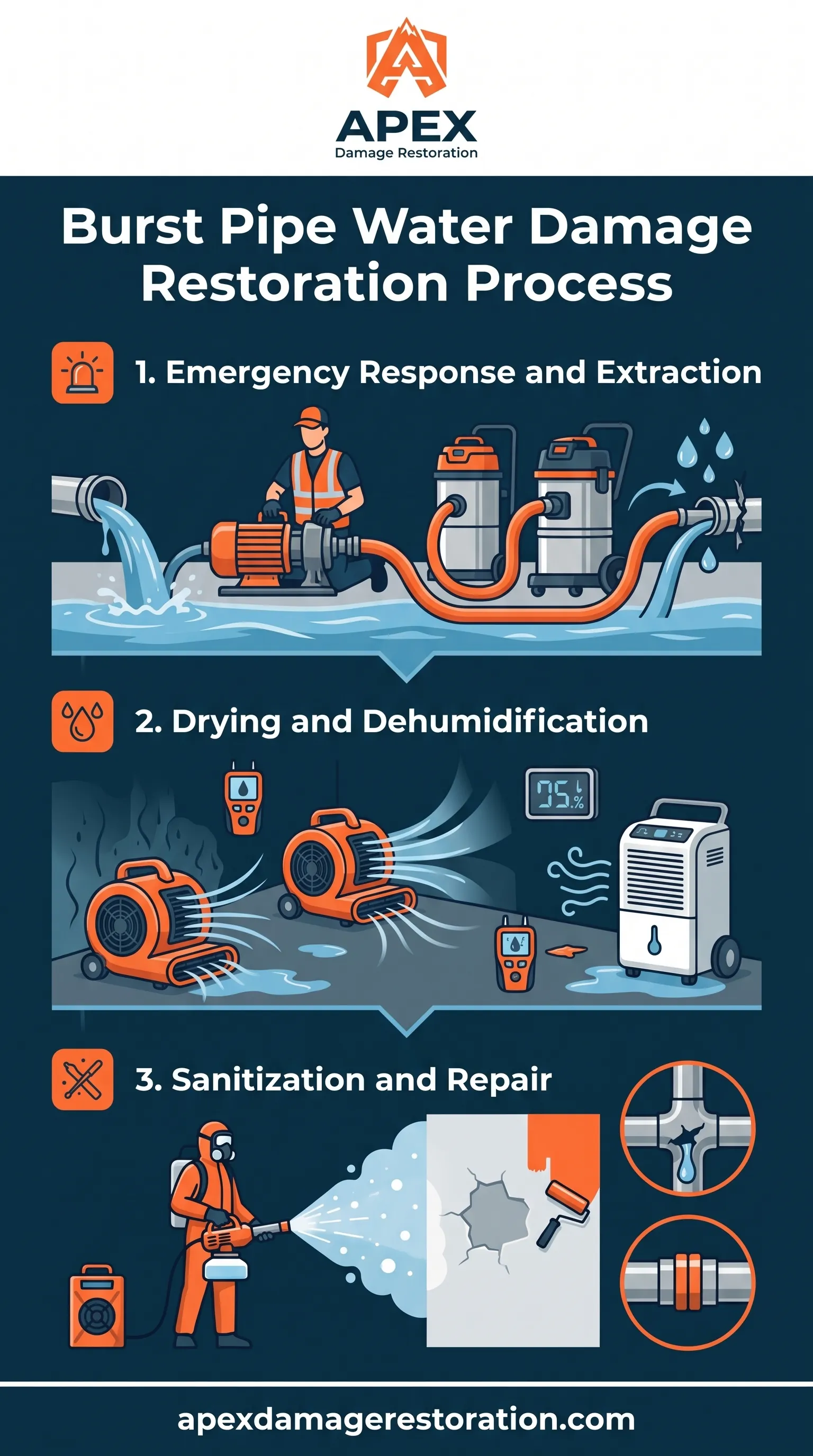
Burst pipe restoration follows three sequential stages: emergency extraction, structural drying, and sanitization with repair. Each stage addresses a specific aspect of water removal and material recovery before the next stage begins.
Emergency Response and Extraction
Emergency extraction removes standing water from the property using pumps and wet vacuums to prevent continued absorption into building materials. A restoration technician assesses the water category and affected square footage before beginning extraction, since Category 1 clean water and Category 2 or 3 contaminated water require different handling procedures. Rapid extraction within the first 24 to 48 hours limits the depth of water penetration into subflooring, drywall, and insulation.
Drying and Dehumidification
Structural drying uses air movers and dehumidifiers to remove residual moisture from walls, floors, and ceilings after standing water has been extracted. Air movers accelerate surface evaporation while dehumidifiers extract moisture from the surrounding air, and technicians select equipment configurations based on the specific drying needs of each material type. Moisture meters confirm when materials return to normal moisture content, since visually dry surfaces can retain moisture inside wall cavities and subflooring that standard drying equipment does not fully address without verification.
Sanitization and Repair
Sanitization treats affected surfaces with antimicrobial solutions to prevent mould and bacterial growth after drying is complete. Technicians remove and replace materials that absorbed contaminated water or sustained structural damage beyond repair, including sections of drywall, flooring, and insulation. Repair work restores the affected area to its pre-loss condition, addressing both the damaged pipe and any structural materials removed during the restoration process.
How to Prevent Water Damage After a Pipe Bursts?
Preventing further water damage after a pipe bursts depends on rapid action during the first minutes and hours following discovery, before water spreads to additional areas of the structure.
Immediate Steps to Shut Off Water and Limit Damage
Locate and shut off the main water supply valve as the first action after discovering a burst pipe, since this step stops additional water from entering the structure regardless of the pipe's location. Shutting off electricity to affected circuits prevents electrical hazards in areas where water has contacted wiring or outlets. Placing towels, buckets, or barriers around the leak source limits water spread to unaffected rooms while the main valve is located.
Drying and Extraction Before Damage Spreads
Removing standing water within the first few hours after a pipe bursts prevents water from wicking into subflooring, baseboards, and wall cavities beyond the immediate leak area. Portable extraction equipment or wet vacuums remove surface water faster than passive evaporation, reducing the volume of material requiring professional drying. Opening windows and running fans increases airflow across wet surfaces, though this step supplements rather than replaces extraction for standing water exceeding a small, contained area.
When to Call a Water Damage Restoration Professional?
Call a water damage restoration professional when a burst pipe affects multiple rooms, saturates structural materials, or involves water that has been standing for more than 24 hours. Professional-grade extraction and drying equipment removes water and moisture more thoroughly than household tools, reducing the risk of mould growth in wall cavities and subflooring.
A licensed restoration company also uses moisture meters and thermal imaging to detect hidden water pockets that visual inspection alone cannot identify. Homeowners filing an insurance claim for burst pipe water damage benefit from professional documentation of the damage, since detailed restoration records support accurate claim valuation. Restoration costs vary by the extent of damage, and reviewing the cost of burst pipe water damage restoration helps set expectations before work begins.
Need Emergency Restoration Help Today?
Call Apex Damage Restoration now for fast priority dispatch across Aurora, CO, a written estimate before work begins, and direct insurance claims assistance.